

Estimated Reading Time: 10 minutes
TL;DR: Vertical farming is one of the most profitable farming ideas in 2026 in Kenya, enabling sustainable, space-efficient food production that can significantly boost yields using less water and land. Combining hydroponics, aeroponics, and aquaponics technologies, vertical farms optimize resource use and bring fresh produce closer to urban markets. Kenyan farmers adopting vertical farming and organic practices are experiencing increased income, reduced environmental impact, and improved food security.
Key Takeaways:
- Vertical farming uses stacked layers and controlled environments to maximize limited space, ideal for Kenya's urban and peri-urban farming.
- Technologies like hydroponics and aquaponics reduce water usage by up to 90% compared to traditional farming.
- Successful Kenyan vertical farms integrate smart horticulture with organic and regenerative practices for optimal yield and sustainability.
- Common pitfalls like poor soil management and irrigation errors can be avoided with ongoing monitoring and testing using modern kits.
- Future farming innovations in Kenya will center on AI, smart irrigation, and expanding vertical farming to meet growing food demand efficiently.
Introduction
Kenya's agriculture sector is evolving rapidly with innovations that respond to critical challenges such as land scarcity, climate variability, and food security. Among these, vertical farming stands out as one of the most profitable farming ideas in 2026, offering a sustainable approach to increasing food production while maximizing use of limited land and water resources. This method harnesses technology and smart agriculture to cultivate crops in vertically stacked layers under controlled environmental conditions. For farmers and agripreneurs in Kenya, integrating vertical farming with organic and regenerative practices enhances soil health, crop yield, and overall sustainability — empowering the growth of resilient agribusiness.
Background & Context
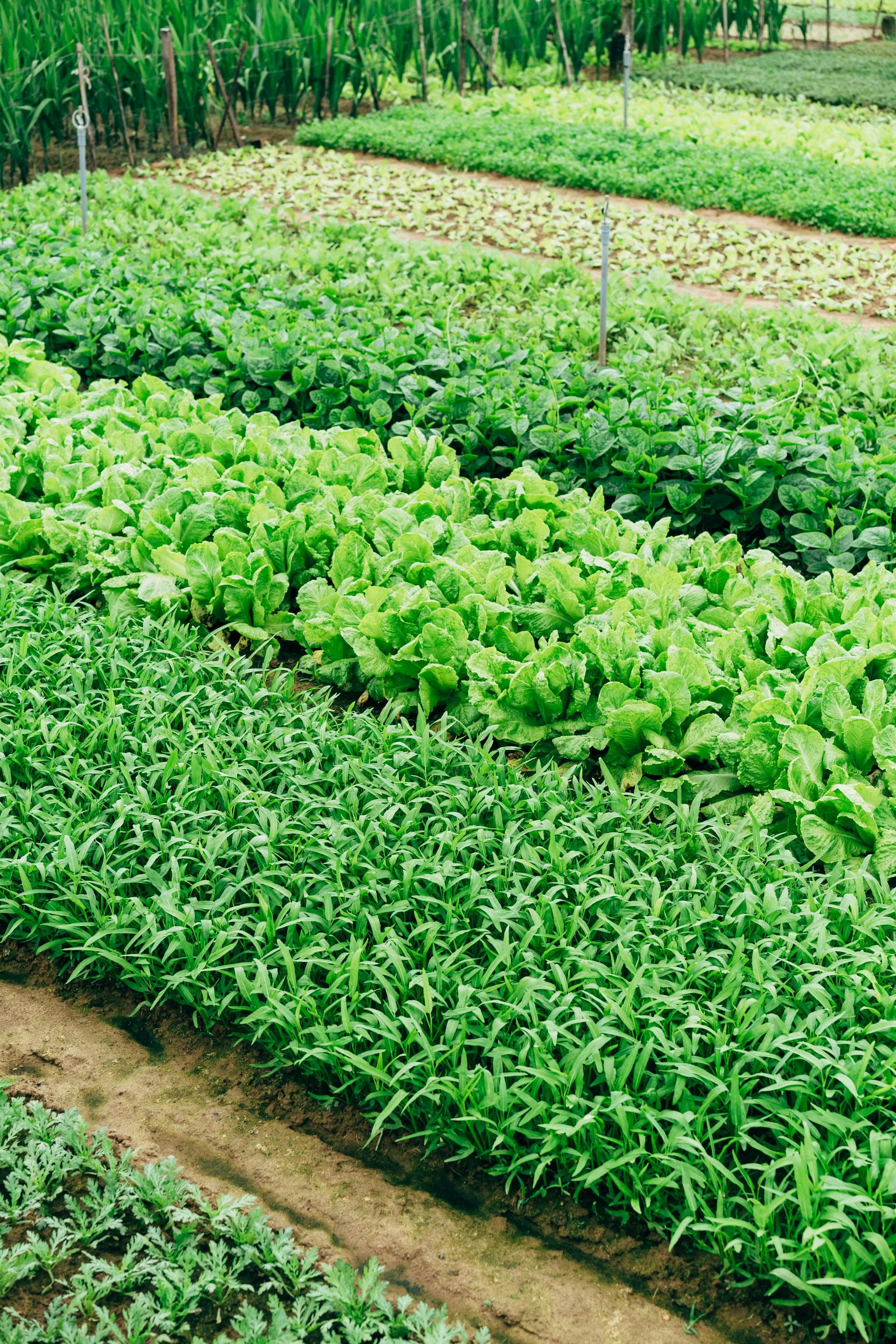
Kenya's agricultural landscape contributes over 33% of the national GDP and employs about 75% of the rural population. However, traditional farming methods are increasingly challenged by diminishing soil fertility, erratic rainfall, and urban encroachment. Organic farming and sustainable agriculture are gaining traction as solutions to restore soil quality and protect ecosystems while maintaining productivity.
According to the Kenya Ministry of Agriculture, the adoption of organic and smart farming technologies is growing annually by approximately 15%, with urban farming initiatives incorporating vertical farming becoming particularly prominent. Vertical farming reduces water usage by up to 90% compared to traditional open-field irrigation, a critical advantage in Kenya's often water-scarce regions.
Key Insights or Strategies

1. Implement Hydroponics and Aeroponics Systems
Hydroponics (soilless farming using nutrient-rich water) and aeroponics (growing plants suspended in air with nutrient mist) significantly optimize water and nutrient use efficiency. Both methods enable high-density planting and faster crop cycles, crucial for maximizing profits in vertical farming.
- Invest in a reliable hydroponic system with water recirculation setups.
- Maintain precise nutrient solution monitoring and adjust pH regularly.
- Incorporate aeroponics for high-value crops like herbs and leafy greens.
- Use grow lights optimized for photosynthesis in enclosed vertical farms.
Boost your yields with the 48/64/80 Holes Hydroponics Tower Kit – available on Amazon, designed to maximize vertical space efficiency and simplify nutrient delivery.
Explore sustainable organic farming solutions with Biofarm Kenya for localized advice and support on hydroponic and aeroponic setups.
2. Integrate Aquaponics for Diversified Farming
Aquaponics combines fish farming (aquaculture) with hydroponic crop culture, creating a symbiotic environment where fish waste acts as fertilizer for plants. This method is water-efficient and promotes circular nutrient use, ideal for urban Kenyan farms.
- Select suitable fish species such as tilapia, common in Kenyan aquaculture.
- Balance fish feeding and water quality monitoring to optimize nutrient cycling.
- Pair with quick-growing leafy vegetables like lettuce and kale for continuous harvest.
- Train farm operators on system management to prevent fish diseases and plant nutrient deficiencies.
3. Use Soil and Water Testing Kits to Monitor Farm Health
Though vertical farms often use soilless systems, soil-based vertical farms also benefit from regular soil and water testing to ensure crop health and environmental safety.
- Test pH levels to maintain optimal nutrient availability.
- Check moisture levels to avoid over or under-watering.
- Identify nutrient deficiencies early to amend with organic fertilizers promptly.
Reliable kits like the Premium Soil Test Kit with 40 Tests – available on Amazon provide comprehensive analysis to guide precise interventions.
Case Studies, Examples, or Comparisons
Successful vertical farming enterprises in Kenya include farms in Nairobi and Murang'a counties that have adopted combined hydroponic and aquaponic systems. Royal Seedlings, a Murang'a-based producer, increased vegetable yields by 40% within a year while reducing water use significantly. According to the Food and Agriculture Organization (FAO), such technological adoption is key in Kenya's strategy to boost urban food production and address shortages.
Another example is EcoFarm Kenya, which incorporates vertical farming towers with organic nutrient inputs, demonstrating higher crop quality and year-round harvest capacity.
These cases exemplify how smart vertical farming complements Kenya’s sustainable agriculture goals outlined by the Ministry of Agriculture's Vision 2030 program.
Common Mistakes to Avoid
- Poor Nutrient Management: Over-fertilizing or using synthetic fertilizers can disrupt soil biology and lead to plant burn. Always prefer organic nutrient sources and test regularly.
- Inadequate Water Management: Overwatering kills roots; underwatering stresses plants. Use moisture sensors and properly timed irrigation to avoid these issues.
- Ignoring Disease Control: Lack of ventilation and poor sanitation in enclosed vertical farms can promote pests and diseases. Ensure regular cleaning and monitor plant health.
- Overlooking System Maintenance: Hydroponic pumps and aeroponic misters require consistent checks to avoid system failures that could devastate your crops.
- Not Keeping Records: Farming without tracking yields, inputs, and environmental parameters limits the ability to optimize farm productivity and profitability.
Expert Tips or Best Practices
For farmers embracing vertical farming in Kenya, below are some expert guidance points:
- Start small and scale up gradually; test different crops to identify the most profitable for your local market.
- Use Drammatic® Organic™ Original Fertilizer 2-4-1 to provide safe, all-purpose nutrients for organic crops.
- Integrate pest management best practices using biopesticides and encourage beneficial insects rather than chemical controls.
- Maintain consistent environmental conditions – light, temperature, and humidity – for stable crop growth.
- Join community farming networks or explore sustainable organic farming solutions with Biofarm Kenya for training, resources, and co-marketing opportunities.
Future Trends or Predictions
Emerging trends set to influence Kenyan agribusiness include:
- AI-powered crop monitoring: Using drones and sensors for real-time data collection to optimize resource use and detect issues early.
- Smart irrigation systems: Automated drip and sprinkler systems integrated with weather forecasting to save water and boost yields.
- Expansion of vertical farming infrastructure: Building more commercial vertical farms in urban centers to reduce food miles and freshness loss.
- Integration with renewable energy: Solar-powered vertical farms to reduce operational costs and carbon footprint.
- Policy Incentives: Greater government support through subsidies and training to scale up sustainable farming models.
Conclusion
Vertical farming represents a transformative approach in Kenya’s agricultural landscape, combining technology with sustainable practices to optimize food production. As one of the most profitable farming ideas in 2026, it offers pathways for farmers to increase yields, use resources efficiently, and contribute to food security. Embracing organic inputs and modern testing tools further enhances farm productivity and environmental stewardship.
Discover trusted organic farming tools on Amazon and learn more about sustainable solutions with Biofarm Kenya to kickstart or expand your vertical farming venture.
FAQs
Vertical farming maximizes space efficiency, reduces water use by up to 90%, allows year-round production, and minimizes pesticide use. This is especially valuable in urban and peri-urban Kenya where land and water are limited. (Source: FAO Kenya)
Yes, even small-scale farmers can adopt vertical farming using modular hydroponic systems, which require less capital and space but can generate premium yields for local markets. Start small and scale gradually. (Source: Biofarm Kenya)
Testing every 2–4 weeks is recommended to monitor pH and nutrient levels, ensuring prompt corrections to maintain optimal plant growth. Use reliable soil testing kits for accuracy. (Source: KEBS)
Aquaponics works best for leafy greens, herbs, and some fruiting plants. Root vegetables are less suitable due to the water-based growing medium. Choose plants that thrive in aquatic nutrient cycles. (Source: NEMA Kenya)
Avoid overwatering, poor nutrient management, neglecting system maintenance, and ignoring pest control. Regular monitoring and adopting organic amendments help correct these errors. (Source: Biofarm Kenya)
Biofarm Kenya offers access to organic inputs, expert training, market linkage, and sustainable farming resources to empower Kenyan farmers to adopt modern, profitable farming techniques. (Source: Biofarm Kenya)
For further reading and resources, visit:
Biofarm Kenya Partners
Sustainable Organic Farming Solutions
Smart Horticulture Guides
Aquaponics Training
Regenerative Agriculture Resources
Agribusiness Growth Support


0 Comments