

Estimated Reading Time: 9 minutes
TL;DR:
- Revolutionizing Farming: The Rise of Vertical Farming and Regenerative Agriculture are transforming sustainable agriculture in Kenya.
- These methods improve soil fertility, increase crop yields, and reduce environmental impact while promoting local agribusiness growth.
- Adopting smart technologies such as drip irrigation and soil testing enhances resource use efficiency.
- Biofarm Kenya provides accessible sustainable organic farming solutions tailored for Kenyan farmers.
- Investing in quality farming tools and kits, available on Amazon with affiliate options, supports long-term farm sustainability and profitability.
Key Takeaways:
- Implement vertical farming and regenerative agriculture practices like crop rotation and cover cropping for healthier soils and enhanced yields.
- Utilize water-efficient technologies like drip irrigation systems to reduce water waste and improve productivity.
- Regular soil testing is crucial to inform nutrient management and optimize fertilizer use.
- Learn from successful Kenyan farmers and government-supported sustainability programs for best practices.
- Explore sustainable organic farming solutions with Biofarm Kenya.
Introduction
Sustainable agriculture is becoming vital for Kenya’s food security and economic growth. In recent years, Revolutionizing Farming: The Rise of Vertical Farming and Regenerative Agriculture has shaped a new era in sustainable farming practices across the country. These innovative approaches aim to tackle challenges like soil degradation, climate change, and resource scarcity by promoting environmentally friendly and economically viable farming methods. This article explores how these farming techniques impact Kenya's agribusiness landscape and offers actionable insights to farmers eager to enhance productivity sustainably.
Background & Context
Kenya’s agriculture sector contributes over 30% to the national GDP and employs more than 40% of the population. Organic and regenerative agricultural practices are gaining momentum here, contributing toward improved soil fertility and biodiversity conservation. According to the Food and Agriculture Organization (FAO), regenerative agriculture methods such as intercropping, cover cropping, and crop rotation can improve soil organic matter by up to 30%, essential for drought resilience.
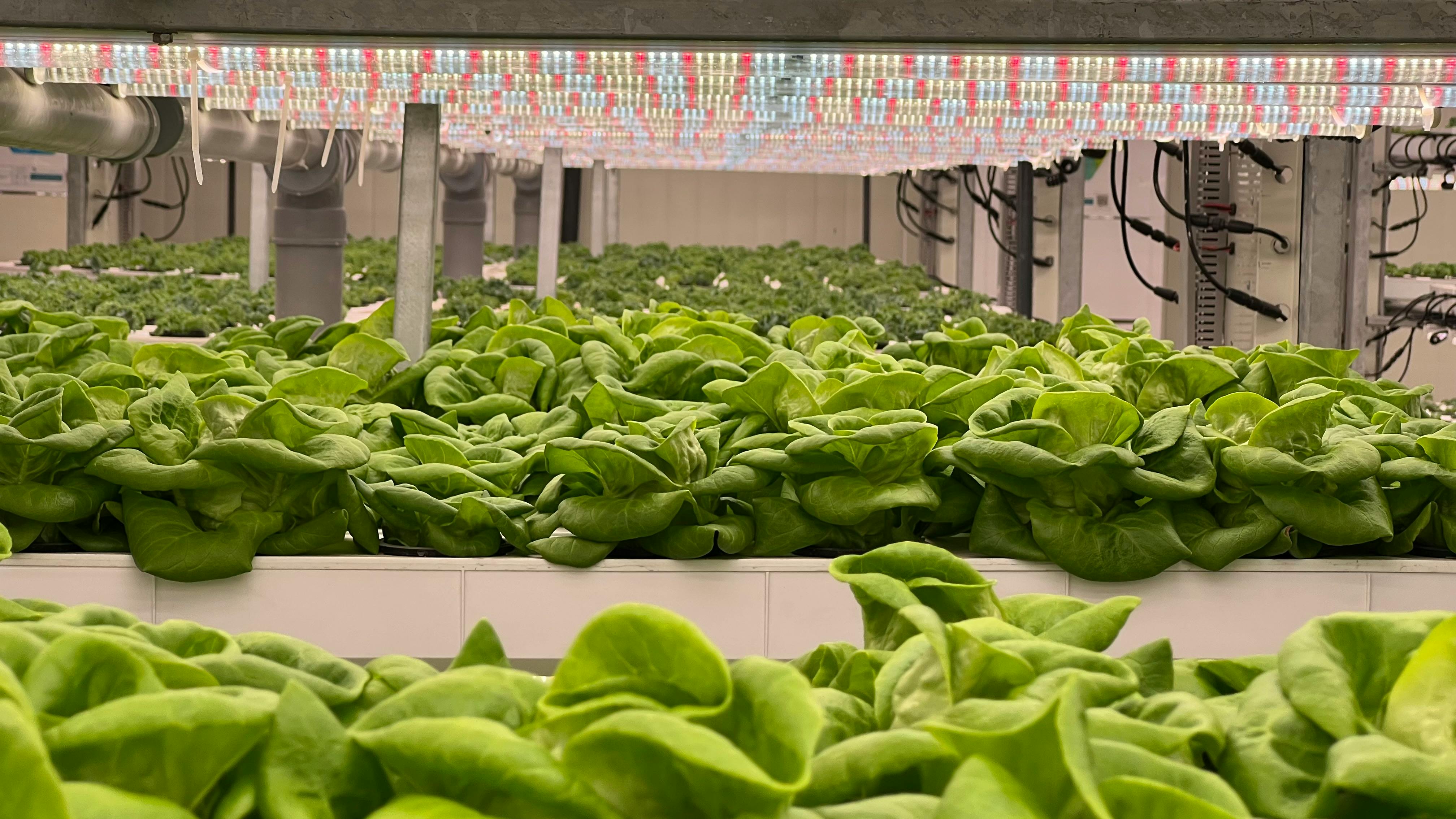
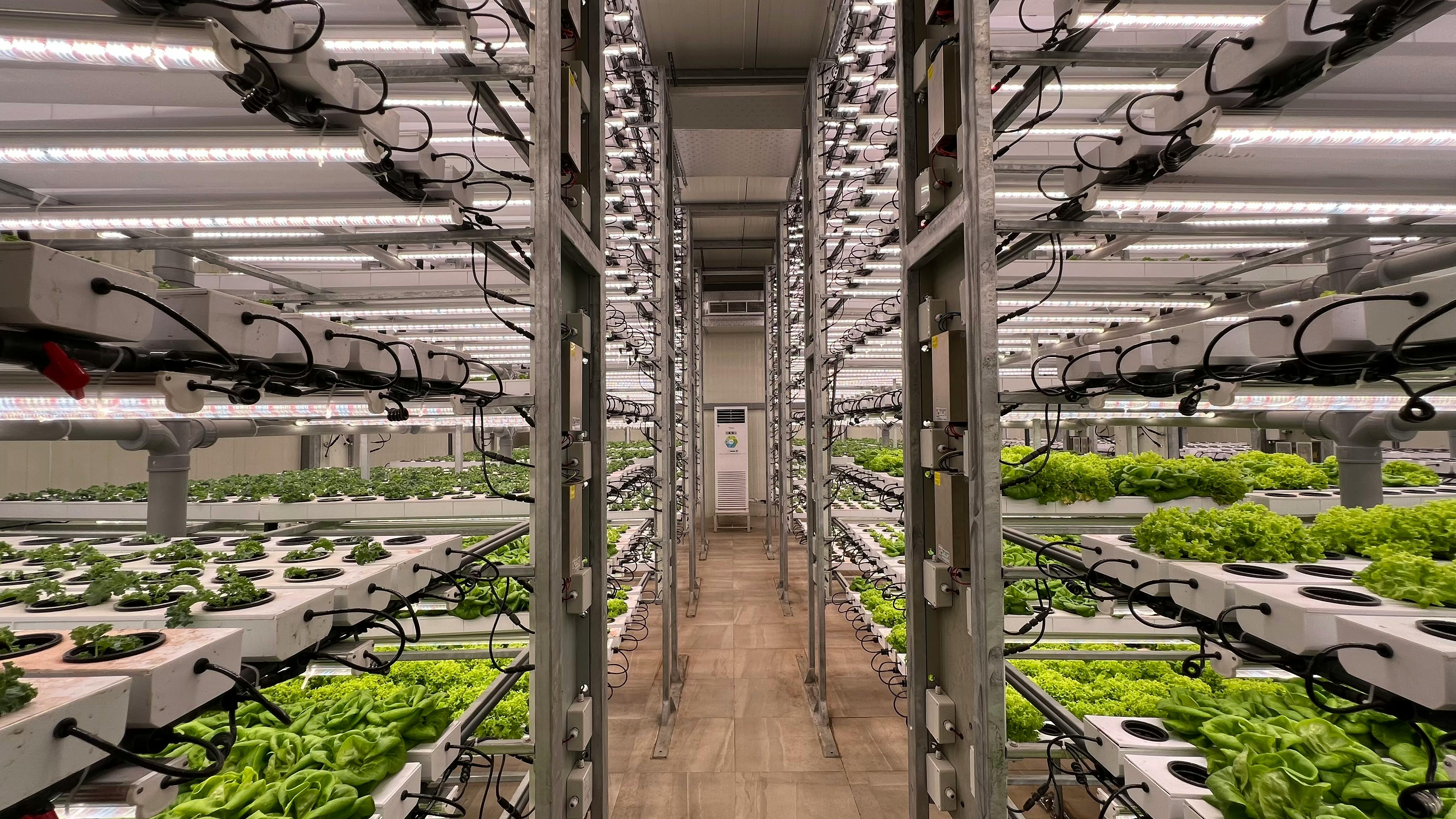
Meanwhile, vertical farming—growing crops in vertically stacked layers in controlled environments—is emerging in urban centers to address space limitations and optimize yield per square meter. With Kenya's population growing rapidly, these methods represent a key strategy for meeting rising food demand while preserving natural resources.
Key Insights or Strategies
1. Adopt Regenerative Agriculture Practices
- Start with soil health by introducing crop rotation to break pest cycles and improve nutrient cycling.
- Incorporate cover crops such as legumes to fix nitrogen and protect soils from erosion.
- Utilize organic compost and farmyard manure to build soil organic matter naturally.
- Integrate indigenous seed varieties that are more resilient to local pests and weather conditions.
- Practice minimal tillage to preserve soil structure and microbial life.
Boost your yields with the Organic Compost Starter Mix – available on Amazon, which enhances soil fertility organically.
2. Embrace Vertical Farming Technologies
- Set up stackable growing systems using hydroponics or aeroponics to maximize space.
- Implement LED lighting to optimize photosynthesis while reducing energy costs.
- Monitor climatic factors with sensors to maintain ideal temperature and humidity levels.
- Practice water recycling to minimize consumption and waste.
- Train staff or farmers on indoor farm management for sustainable operations.
Consider investing in a Vertical Garden Planter with LED Grow Lights – available on Amazon to start small-scale vertical farming easily at home or on your farm.
3. Use Efficient Irrigation Systems
- Install drip irrigation to deliver water directly to plant roots, reducing wastage.
- Schedule watering based on crop growth stages and weather forecasts.
- Regularly maintain irrigation components to prevent leaks and blockages.
- Combine irrigation with fertigation to apply fertilizers efficiently.
- Incorporate rainwater harvesting to supplement irrigation needs sustainably.
Boost water efficiency with the CARPATHEN Drip Irrigation System Kit – available on Amazon, ideal for small and medium-sized farms.
Explore sustainable organic farming solutions with Biofarm Kenya to source consulting and inputs for these strategies.
Case Studies, Examples, or Comparisons
In Kenya, several young farmers are pioneering regenerative agriculture and vertical farming. For example, a community in Kiambu County adopted crop rotation and intercropping, resulting in a 25% yield increase within two seasons (source: Ministry of Agriculture, Kenya). Urban farmers in Nairobi have successfully installed vertical farms that produce leafy greens year-round using hydroponic techniques.
A report by FAO Kenya highlights how the integration of agroecological methods with emerging technologies like vertical farming can close food gaps and create new livelihoods while mitigating environmental damage. Additionally, Kenya's National Environment Management Authority (NEMA) supports initiatives encouraging sustainable land use to combat soil erosion and degradation.
Common Mistakes to Avoid
- Neglecting Soil Testing: Applying fertilizers blindly can harm soil health and crop performance.
- Over-irrigation: Leads to waterlogging and nutrient leaching reducing crop yields.
- Ignoring Pest and Disease Cycles: Lack of crop rotation increases vulnerability.
- Poor Vertical Farm Maintenance: Without controlled environments, crops may suffer from pests and diseases.
- Using Unsuitable Seed Varieties: Not adapted to local agro-climatic zones leading to poor harvests.
Expert Tips or Best Practices
Regularly monitor your soil’s condition using a reliable soil testing tool. The Premium Soil Test Kit: 40 Complete Tests for Lawns, Gardens, and Vegetables is suitable for Kenyan farmers to analyze pH, nitrogen, phosphorus, and potassium levels for precision fertilization.
Maintain healthy soil by integrating organic matter and minimizing chemical inputs. Rotate crops and use cover crops for natural nitrogen fixation. For water management, drip irrigation is a champion technology, conserving water significantly compared to traditional methods.
Local extension services and Biofarm Kenya provide vital support for knowledge transfer and access to quality inputs. Explore sustainable organic farming solutions with Biofarm Kenya to enhance your practices with expert advice and eco-friendly products.
Future Trends or Predictions
Smart agriculture is shaping the future of farming in Kenya. Innovations like AI-driven crop monitoring through drones and sensors will optimize resource use and pest management. Vertical farming is expected to scale with automated systems improving efficiency and reducing labor.
Climate-smart irrigation methods integrating weather forecasting and IoT (Internet of Things) will enhance water use precision. There is also growing interest in regenerative carbon farming to earn carbon credits while improving soil health. Policy incentives by the government are anticipated to accelerate these adoptions.
Conclusion
In conclusion, Revolutionizing Farming: The Rise of Vertical Farming and Regenerative Agriculture offers Kenyan farmers sustainable pathways to increase productivity and environmental stewardship. Farmers who adopt these innovative yet practical methods stand to benefit economically while preserving Kenya’s natural resources for future generations.
Discover trusted organic farming tools on Amazon and learn more about sustainable solutions with Biofarm Kenya.
FAQs
Regenerative agriculture involves nature-based farming methods like cover cropping, crop rotation, and reduced tillage to restore soil health, increase biodiversity, and improve resilience. In Kenya, it leads to improved yields and sustainability. Learn more from FAO Kenya.
Vertical farming requires controlled environment agriculture using stacked layers, hydroponics or aeroponics, LED lighting, and sensor technologies. Success depends on proper training, investment, and maintenance. See guidelines from Kenya Ministry of Agriculture.
Drip irrigation stands out as the most water-efficient method suitable for smallholders, delivering water directly to roots and reducing evaporation. Rainwater harvesting complements irrigation to improve water access. Visit NEMA Kenya for sustainable water practices.
Soil testing determines nutrient levels and pH, helping farmers apply the right type and amount of fertilizer for optimal crop growth and to prevent environmental damage. Get reliable soil testing kits through Biofarm Kenya.
Avoid neglecting soil health, over-irrigation, monocropping, poor seed choices, and ignoring pest management. Sustainable farming requires integrated approaches combining culture, technology, and environmental care. Reference: FAO Sustainable Practices.
Biofarm Kenya connects farmers with organic farming inputs, training, and expert advisory services tailored to local conditions. Their partner network enhances farmer access to sustainable technologies and markets. Visit Biofarm Kenya Partners for details.
Additional authoritative sources and Biofarm links:
FAO | NEMA Kenya | Kenya Ministry of Agriculture | KEBS | Biofarm Kenya Partners | Sustainable Organic Farming Solutions


0 Comments