

Estimated Reading Time: 12 minutes
TL;DR:
- Vertical farming is one of the Most Profitable Farming Ideas in 2026 in Kenya, revolutionizing agriculture with technology and sustainability.
- It conserves water, improves yields, and mitigates climate challenges by stacking crops vertically using hydroponics and LED lighting.
- Organic farming and soil health remain core to successful vertical farms, integrated with precise irrigation and soil testing tools.
- Successful Kenyan farmers have embraced greenhouse and vertical farming, supported by government and Biofarm Kenya's sustainable organic solutions.
- Smart irrigation, AI-driven crop monitoring, and modular greenhouses are future trends shaping agribusiness for profitability and sustainability.
Key Takeaways:
- Start by improving soil fertility and using organic fertilizers combined with modern vertical farming techniques.
- Adopt drip irrigation systems to maximize water efficiency for high-value crops in vertical farm setups.
- Utilize soil testing kits regularly to tailor nutrient management for healthier crops and better yields.
- Consider greenhouse kits designed for small farms to extend growing seasons and protect plants from adverse weather.
- Explore sustainable organic farming solutions with Biofarm Kenya for expert guidance and products.
Introduction
The expansion of sustainable agriculture practices in Kenya has opened new horizons for farmers looking to increase profitability while preserving the environment. Among the Most Profitable Farming Ideas in 2026, vertical farming stands out by blending tradition with modern innovation. This technique maximizes the use of limited land, conserves water, and produces high yields of fresh, organic crops suitable for Kenya’s growing urban and rural markets. With rising demand for healthy, locally-grown produce and climate change challenges threatening traditional farming, vertical farming combined with organic practices offers a promising pathway for the future of Kenyan agribusiness.
Background & Context
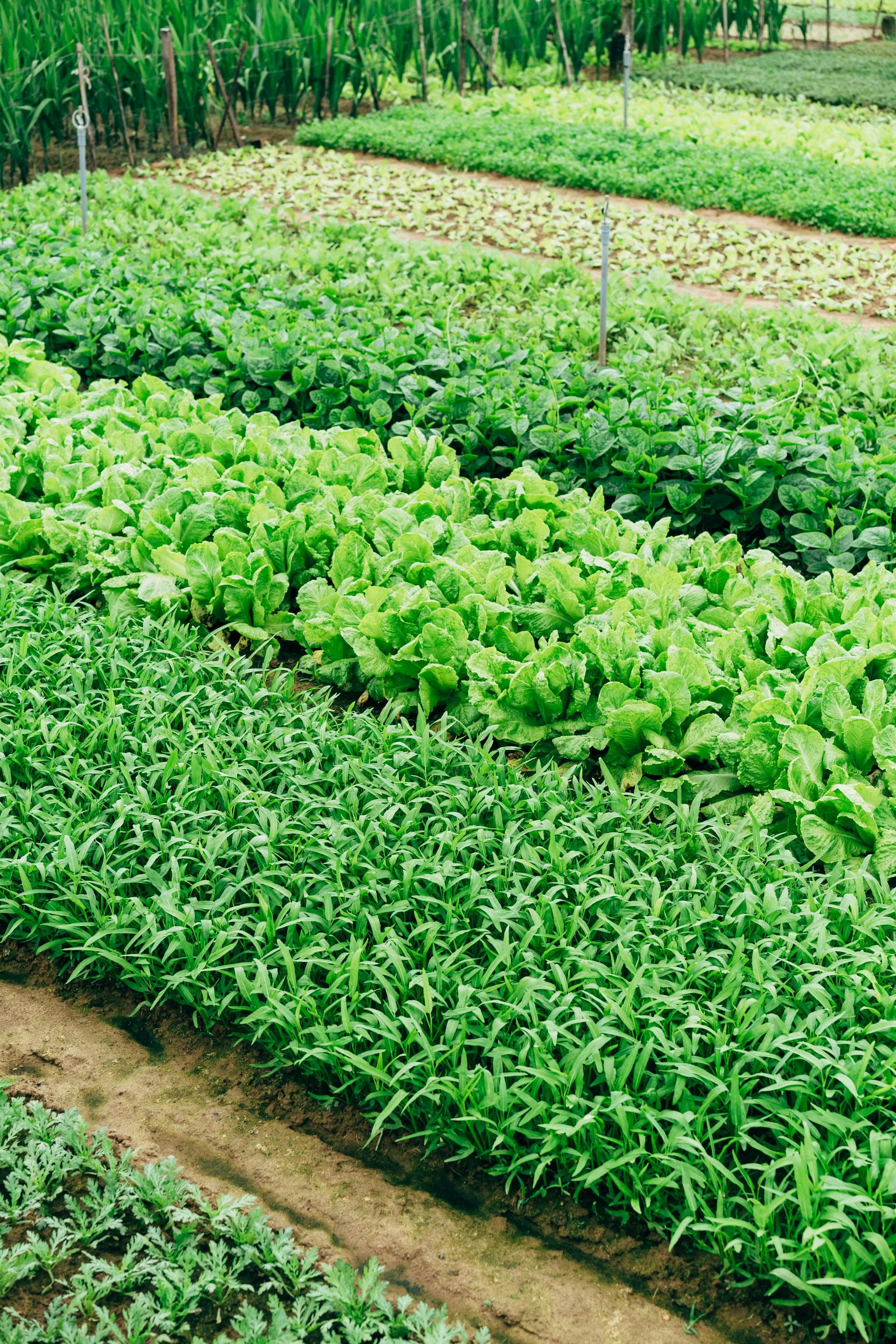
Kenya’s agricultural sector contributes to over 30% of the GDP, and a substantial portion of rural employment depends on farming. However, challenges such as soil degradation, erratic rainfall, and shrinking farmland pose threats to traditional farming systems.
Organic farming and sustainable agribusiness are gaining momentum, with Kenyan farmers increasingly adopting methods that prioritize soil fertility, biodiversity, and reduced chemical inputs. Vertical farming — growing crops in vertically stacked layers often utilizing hydroponics or aeroponics — is transforming how food is produced especially in urban and peri-urban areas with limited space.
According to the Ministry of Agriculture and FAO reports, organic farming acreage in Kenya has grown by over 15% in the last 5 years. Agribusiness innovations, particularly those emphasizing sustainability and technology, are predicted to dominate Kenya’s food production by 2026 and beyond.
Key Insights or Strategies

1. Optimize Soil Fertility with Organic Inputs
Healthy soil is fundamental to successful vertical farming. Using organic fertilizers supports soil biology and crop nutrition in environmentally friendly ways.
- Test soil using kits to assess pH and nutrient levels regularly.
- Incorporate organic fertilizers, compost, and natural amendments to enhance soil structure and fertility.
- Rotate crops or include cover crops to minimize soil nutrient depletion and pest build-up.
Boost your yields with the Wallace Organic Wonder, Soluble Humic & Fulvic Acid Powder – available on Amazon, a premium organic fertilizer supporting sustainable soil health and plant growth.
2. Employ Efficient Watering Systems with Drip Irrigation
Water scarcity is a major concern for Kenyan farmers. Drip irrigation delivers water directly to plant roots, reducing wastage and encouraging healthy growth in vertical farms.
- Design a drip irrigation system suitable for your farm scale and crop types.
- Schedule watering to match growth stages for maximum efficiency.
- Maintain and monitor the system to prevent clogs and leaks.
Consider the CARPATHEN Drip Irrigation System Kit – available on Amazon for a practical, easy-to-install irrigation solution suited for small to medium-size farms.
3. Use Greenhouse Kits to Extend Growing Seasons
Greenhouses protect plants from unpredictable weather and pests, enhancing year-round productivity. Small farm greenhouse kits are affordable and accessible options for vertical farm integration.
- Choose greenhouse kits that fit your space and crop type requirements.
- Integrate ventilation and shading to manage temperature and humidity.
- Combine with vertical growing racks or hydroponic systems for space maximization.
Explore options like the Greenhouse Kits on Amazon to find user-friendly kits ideal for Kenyan smallholder farms.
Explore sustainable organic farming solutions with Biofarm Kenya to access expert guidance and quality inputs tailored to your farm’s needs.
Case Studies, Examples, or Comparisons
Prominent Kenyan farmers around Nairobi and Kisumu have adopted vertical farming combined with organic practices, reporting improved crop quality and yield even on small land parcels. One notable example is a greenhouse-vertical farm in Kiambu that uses aeroponic systems for herbs and leafy vegetables, reported by the Ministry of Agriculture as a model for urban farming innovation.
The Food and Agriculture Organization (FAO) has supported vertical farming initiatives in Nairobi’s informal settlements, highlighting significant benefits in food security and nutrition.
Common Mistakes to Avoid
- Poor Soil Management: Neglecting soil testing leads to nutrient imbalances; always test and amend accordingly.
- Wrong Fertilizer Use: Overuse or misuse of synthetic fertilizers disrupts organic systems; favor organic inputs.
- Irrigation Issues: Overwatering or inefficient systems cause root diseases or water wastage; adopt drip irrigation and monitor moisture levels.
- Ignoring Crop Selection: Not aligning crop choice with vertical farming suitability and market demand reduces profitability.
- Neglecting Maintenance: Poorly maintained irrigation and greenhouse systems cause losses; schedule regular checks.
Expert Tips or Best Practices
Kenyan experts recommend starting vertical farms with high-value leafy greens, herbs, and indigenous vegetables that have reliable markets. Regular soil testing using kits can prevent nutrient deficiencies.
Maintain healthy soil with MySoil Soil Test Kit, providing comprehensive soil nutrient analysis for targeted fertilization.
Water management is critical—use quick-connect drip irrigation kits like the RAINPOINT Drip Irrigation System for easy installation and efficient water delivery.
Explore sustainable organic farming solutions with Biofarm Kenya for training, input supplies, and technical support that empower local farmers to succeed.
Future Trends or Predictions
Looking ahead, vertical farming in Kenya will increasingly incorporate smart technologies such as AI-driven crop monitoring and automation. Sensor-based nutrient and moisture management systems will optimize inputs, reduce waste, and boost yields.
Modular greenhouses and container farms designed for urban spaces will enable year-round production with minimal resource use. Integration of renewable energy such as solar-powered LED lighting will also become standard to reduce costs and environmental impact.
Conclusion
Vertical farming represents a transformative opportunity for Kenya’s agricultural sector, combining sustainability, innovation, and profitability. By focusing on soil health, water efficiency, and climate-smart technologies, farmers can maximize output even on limited land.
Discover trusted organic farming tools on Amazon and learn more about sustainable solutions with Biofarm Kenya to start or scale your vertical farm successfully.
FAQs
1. What crops are best suited for vertical farming in Kenya?
Leafy greens like kale, spinach, herbs such as basil and mint, and indigenous vegetables thrive in vertical farms due to their fast growth and high market demand. For detailed crop suitability, visit the FAO Kenya office.
2. How does organic farming improve soil fertility?
Organic farming enriches soil biology through compost, cover crops, and natural amendments, improving structure, nutrient cycling, and moisture retention. Kenya's Ministry of Agriculture promotes organic methods as sustainable practice here.
3. Can vertical farming be started with small capital?
Yes, starting small with simple vertical racks, drip irrigation, and organic inputs can be cost-effective. Gradual scaling with reinvestment is common. Biofarm Kenya offers advice and affordable input options here.
4. What are the key irrigation considerations for vertical farms?
Precise water delivery, preferably with drip irrigation, prevents overwatering and promotes root health. Regular system maintenance and water quality checks are essential. The Kenya Bureau of Standards (KEBS) endorses certified irrigation equipment here.
5. How can farmers access funding for vertical farming projects?
Government grants, agribusiness loans, and partnerships with organizations like Biofarm Kenya provide funding avenues. Consult the National Cereals and Produce Board for current agri-financing programs.
6. Are soil testing kits necessary for vertical farming?
Yes, soil testing enables precise nutrient management critical in confined vertical systems to maintain crop health and minimize waste. Reliable kits and testing services are promoted by NEMA and Biofarm Kenya here.
External Authoritative Links:
- Food and Agriculture Organization (FAO) Kenya
- Kenya Ministry of Agriculture
- National Environment Management Authority (NEMA)
- Kenya Bureau of Standards (KEBS)
- National Cereals and Produce Board
- Biofarm Kenya Partners
Internal Biofarm Links:


0 Comments