

Estimated Reading Time: 9 minutes
TL;DR: Kenya's agricultural sector, a cornerstone of its economy, is experiencing a significant investment boom, particularly in agri-tech, valued at approximately $1.2 billion. While this influx promises modernization and efficiency, it disproportionately benefits large-scale investors and commercial farms, contributing to a widening wealth gap. Smallholder farmers, who constitute a large percentage of the agricultural workforce and landholdings below 5 acres, face persistent challenges including limited access to finance, technology, and market information. Sustainable practices and equitable access to resources are crucial to bridge this divide and ensure inclusive growth.
Key Takeaways:Investment Influx: Kenya's agriculture is seeing substantial investment, with agri-tech alone valued at $1.2 billion, driving innovation and efficiency, and significant government initiatives like the $11.4 billion AgriConnect Compact.Growing Disparity: Despite overall growth, a significant wealth gap persists, with large-scale farms (over 12 acres) holding a dominant share of land and resources, while smallholders struggle for equitable participation.Smallholder Challenges: Access to affordable finance, advanced technology, market linkages, and adequate knowledge remains a major hurdle for millions of smallholder farmers.Sustainability Imperative: Climate change and traditional methods necessitate a shift towards climate-smart and sustainable agriculture to ensure long-term food security and environmental resilience.Inclusive Growth: Bridging the wealth gap requires policies and innovations that specifically empower smallholders through accessible credit, appropriate technology, and stronger value chain integration.
Table of Contents
- Introduction: Kenya's Green Revolution and Its EchoesBackground & Context: The Pillars of Kenyan AgricultureKey Insights or Strategies: Navigating the Agri-Tech LandscapeCase Studies, Examples, or Comparisons: Innovations vs. InequitiesCommon Mistakes to Avoid: Pitfalls in Agricultural DevelopmentExpert Tips or Best Practices: Cultivating a Fairer FutureFuture Trends or Predictions: Seeds of ChangeConclusion: Sowing the Seeds of Inclusive ProsperityFAQs
Introduction: Kenya's Green Revolution and Its Echoes
Kenya's vibrant agricultural sector stands as the heartbeat of its economy, a testament to the nation's fertile lands and industrious people. This sector not only feeds millions but also anchors rural livelihoods, drives export earnings, and forms the bedrock of its national identity. However, beneath the surface of promising growth and substantial investment, a complex narrative unfolds. We are witnessing a monumental shift, often framed as a 'tech-farming' bonanza, attracting billions in capital and pioneering innovations. Indeed, as we **explore Kenya's $5 billion 'tech-farming' bonanza**, a stark reality emerges: while investors thrive and large-scale operations flourish, millions of smallholder farmers struggle, grappling with the deepening fissures of an agricultural wealth gap. This article aims to unpack this growing disparity, examining the forces at play, the promises of technology, and the urgent need for inclusive, sustainable solutions.Background & Context: The Pillars of Kenyan Agriculture
Agriculture is the engine of Kenya's economy, directly contributing approximately 20 percent of its Gross Domestic Product (GDP) and an additional 27 percent indirectly through its intricate linkages with other sectors, as reported by the Central Bank of Kenya's September 2023 Survey. This sector is not merely about food production; it's a colossal employer, supporting over 40% of the total population, primarily through smallholder farming. The landscape, however, reveals a significant imbalance: while small-scale farms (below 5 acres) constitute 31.0% of the land under cultivation, large-scale operations (above 12 acres) command a substantial 45.0%. This land distribution hints at the underlying structural inequalities that influence access to resources and prosperity. The surge of interest in Kenyan agriculture by both domestic and international investors reflects a recognition of its immense potential, yet the benefits of this influx are not uniformly distributed. The focus on high-yield, technologically advanced farming often sidelines traditional, small-scale methods, exacerbating the divide between the technologically empowered and the resource-constrained.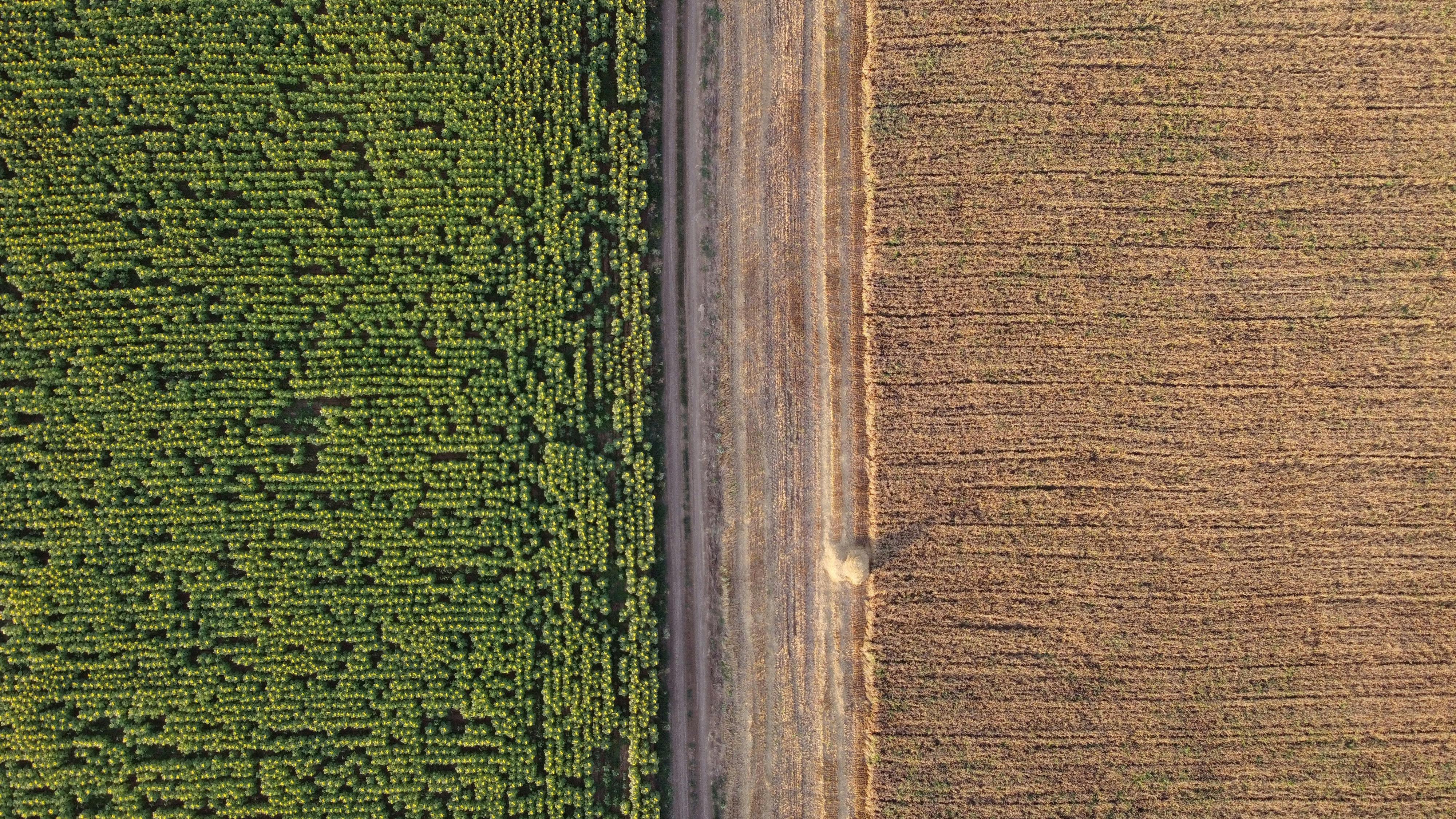 The agricultural sector faces multiple pressures, including climate volatility, rising input costs, and declining arable land productivity, forcing a re-evaluation of traditional farming methods. In response, smart agricultural investments are gaining traction across Africa, driven by increasing focus on sustainable practices, agritech innovation, and value-chain integration. This trend promises not only job creation and poverty reduction but also the development of resilient food systems. [Source: AgroCentric]
Key Insights or Strategies: Navigating the Agri-Tech Landscape
The burgeoning agri-tech market in Kenya, valued at approximately USD 1.2 billion, is a testament to the country's embrace of digital technologies, mobile connectivity, and government initiatives aimed at boosting agricultural productivity. This growth, however, presents both immense opportunities and significant challenges regarding equitable distribution of its benefits.Embracing Digital Innovations for Efficiency
The promise of agri-tech lies in its ability to enhance efficiency and productivity. Platforms like FarmDrive leverage AI for lending, claiming 3-5x ROI within 2-3 years through data-driven efficiency, while investors see 20-30% returns as platforms scale. Hello Tractor utilizes IoT-enabled 'Uber for tractors' services, serving over 500,000 farmers and reducing costs by 40%. Kenya’s Astral Aerial deploys drones for spraying and mapping, boosting yields by 15-20%. These technologies represent a leap forward for those who can access them.**Actionable Steps:**
Bridging the Financing Gap with Fintech
Fintech solutions are crucial in unlocking credit for smallholder farmers who are often excluded from traditional banking. Platforms like Kenya’s Twiga Foods integrate financing, reaching over 100,000 smallholders with credit via mobile money, demonstrating how financial technology can directly impact the livelihoods of those at the base of the pyramid. The push for a sustainable agriculture financing policy in Kenya, as highlighted by FINAS 2024, shows positive momentum in addressing systemic financial barriers.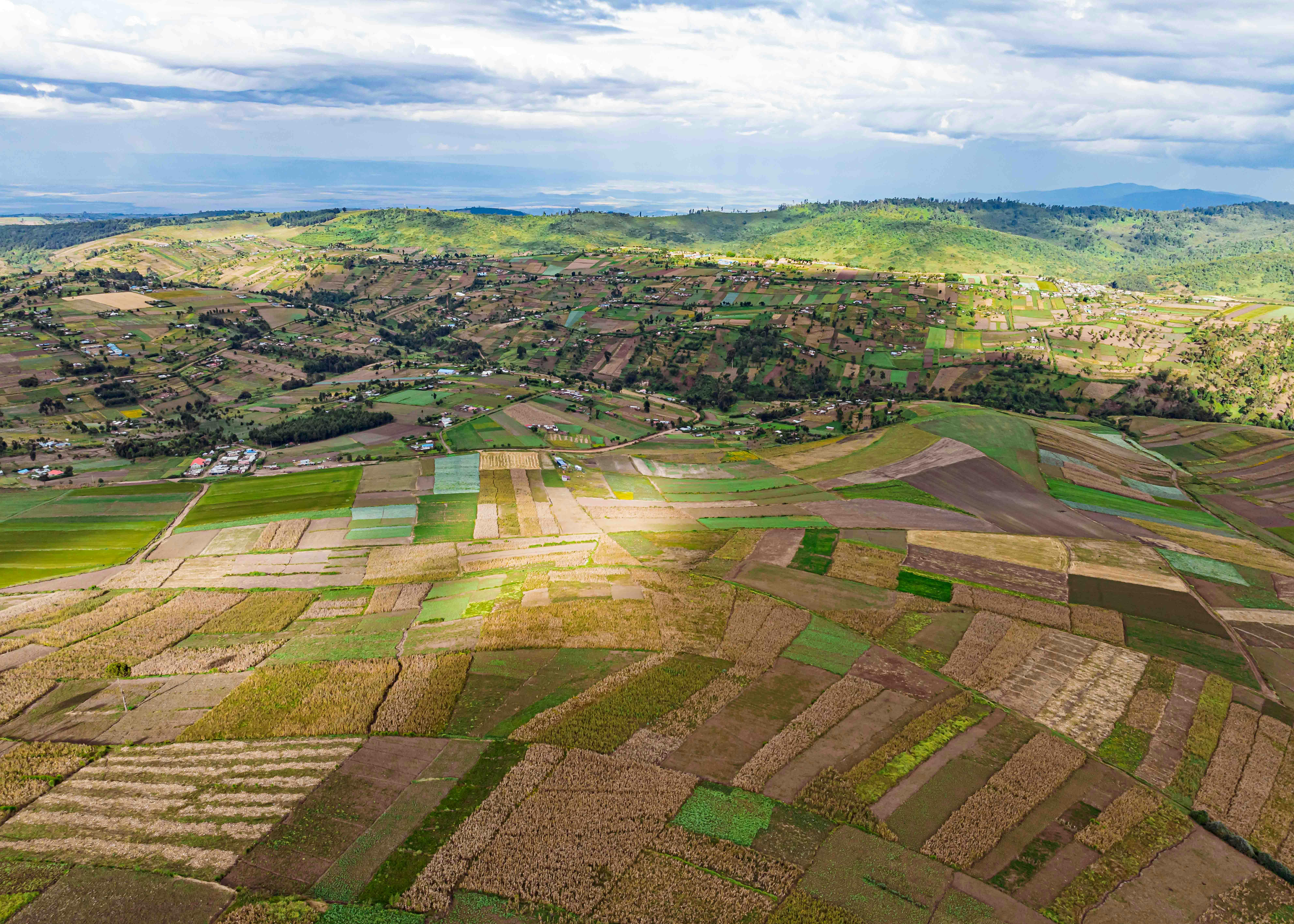
Prioritizing Sustainable Practices and Climate Resilience
Beyond technology, sustainable agricultural practices are non-negotiable for long-term food security and environmental health. Climate volatility is a major threat, necessitating the adoption of climate-smart agriculture (CSA). Initiatives that empower small-scale farmers with knowledge on climate issues and sustainability practices, such as those working with AgriTech Analytics in Uasin Gishu, Nyandarua, and Kiambu counties, are vital. These efforts lead to more knowledgeable farmers, increased financial stability, and a stronger voice in value chain negotiations.Explore sustainable living solutions with Eco-Oasis Firm to learn more about how you can support environmentally conscious agriculture.
Case Studies, Examples, or Comparisons: Innovations vs. Inequities
The tale of Kenya’s agricultural development is one of striking contrasts, showcasing both remarkable innovation and persistent inequality. While large-scale commercial farming benefits immensely from the latest technologies and robust investment, the millions of smallholder farmers, who collectively form the backbone of the nation’s food production, often struggle to keep pace.One of the most significant initiatives demonstrating large-scale investment is the **AgriConnect Compact**, a massive program valued at $11.4 billion, launched by CS Kagwe to revolutionize Kenya’s agri-food ecosystem. Such compacts aim to integrate technology, improve infrastructure, and enhance market access, primarily benefiting commercial agricultural enterprises that have the capital and scale to adopt these innovations. These investments drive higher yields, greater efficiency, and increased profitability for those with the means to participate.However, the reality for an average smallholder farmer in Kenya, working on plots often marginally larger than 0.47 hectares, is starkly different. While large investors can afford drones for spraying and mapping, smallholders often lack even basic mechanization or access to quality inputs.Digital tools offer transformative possibilities, but challenges like limited connectivity, low digital literacy, and the cost of smartphones or computers create a significant barrier to adoption for many. Studies indicate that many smallholder farmers struggle to afford essential digital tools and have limited awareness of how to use them effectively [Source: ScienceDirect].Yet, there are success stories focusing on bridging this gap. AgriTech Analytics, for instance, has successfully empowered small-scale farmers in counties like Uasin Gishu by providing data-driven insights. These farmers have become more knowledgeable about climate issues and sustainable practices, leading to greater financial stability and stronger negotiating power within value chains. Similarly, Twiga Foods, through its fintech integration, has provided credit via mobile money to over 100,000 smallholders, directly addressing a critical financial barrier [Source: AgroCentric]. These examples highlight that tailored, accessible solutions can indeed foster inclusive growth, demonstrating the potential for technology to serve all segments of the agricultural community if deployed thoughtfully and equitably.Common Mistakes to Avoid
In the pursuit of agricultural modernization and growth, certain pitfalls can exacerbate the wealth gap and undermine sustainability efforts. Avoiding these common mistakes is crucial for fostering an inclusive and resilient agricultural sector in Kenya.Expert Tips or Best Practices: Cultivating a Fairer Future
Achieving equitable and sustainable agricultural growth in Kenya requires a concerted effort to empower smallholder farmers while leveraging the benefits of modern technology and investment.Future Trends or Predictions: Seeds of Change
The future of Kenyan agriculture is poised for significant transformation, driven by global and local trends in technology, climate change, and economic development. These trends will shape how the nation addresses food security, economic growth, and the persistent wealth gap.Rise of AI and Data-Driven Farming
Artificial Intelligence (AI) and big data analytics are set to revolutionize farming in Kenya. Beyond basic mobile apps, we will see more sophisticated AI-driven tools that can predict weather patterns with higher accuracy, diagnose crop diseases from images, and optimize fertilizer application. This will enable farmers to make smarter, faster, and more efficient decisions, reducing waste and increasing yields. The Kenya Digital Agriculture Market, already valued at $1.2 billion, is expected to grow further, integrating more advanced AI and IoT solutions.Increased Focus on Precision Agriculture
Precision agriculture, using technologies like drones, sensors, and GPS, will become more prevalent. While currently a domain for larger farms, efforts will be made to miniaturize and make these technologies accessible to smallholders. This will allow for highly targeted interventions, conserving resources and maximizing output on even small plots of land.Climate-Smart Agriculture at the Forefront
Given Kenya's vulnerability to climate change, climate-smart agriculture (CSA) will shift from a niche concept to a mainstream necessity. Expect widespread adoption of drought-resistant crops, improved irrigation techniques, agroforestry, and soil conservation methods. Policies and financial incentives will strongly favor farmers who implement these practices, aligning agricultural production with environmental resilience.Enhanced Value Chain Integration and Digital Marketplaces
The future will see stronger integration across the agricultural value chain. Digital marketplaces will connect farmers directly with consumers and larger buyers, reducing the reliance on intermediaries and ensuring fairer prices. Fintech solutions will continue to evolve, offering instant payments and more sophisticated financial management tools for farmers. Platforms like Twiga Foods and M-Farm represent the vanguard of this trend.Youth Engagement and Agro-Entrepreneurship
A significant demographic shift is anticipated, with more young Kenyans drawn to agriculture not just as a means of subsistence but as a viable entrepreneurial venture. This will be fueled by the allure of agri-tech, innovation, and the potential for higher returns, transforming the perception of farming from a labor-intensive chore to a technology-driven business. Programs supporting young agri-preneurs will gain traction.Policy and Regulatory Evolution
Government policies will continue to evolve to support sustainable and equitable growth. This includes frameworks for digital agriculture, land tenure reforms, and trade agreements that protect local farmers while promoting exports. Initiatives like the AgriConnect Compact indicate a proactive approach to shaping the agricultural landscape.Conclusion: Sowing the Seeds of Inclusive Prosperity
Kenya's agricultural sector stands at a pivotal juncture, brimming with potential yet challenged by systemic inequalities. The 'tech-farming' bonanza, while catalyzing innovation and attracting substantial investment, risks widening the chasm between thriving large-scale enterprises and struggling smallholder farmers. The impressive growth of agri-tech and significant government initiatives underscore a future where technology can unlock unprecedented productivity. However, true prosperity for Kenya's agricultural heartland hinges on ensuring that this revolution is inclusive, reaching the millions of smallholders who form its bedrock.Bridging the agricultural wealth gap demands a deliberate, multi-pronged approach: one that prioritizes accessible technology, tailored financial solutions, robust market linkages, and unwavering commitment to sustainable practices. By investing in digital literacy, strengthening cooperatives, and fostering an environment where innovation serves all, Kenya can cultivate not just bumper harvests, but also a more equitable and resilient society. The journey towards an Eco-Oasis for all its farmers requires collective action and a vision where economic growth walks hand-in-hand with social justice and environmental stewardship. It is through these efforts that Kenya can truly realize its green revolution's full, inclusive potential.For those inspired to contribute to a more sustainable and equitable agricultural future, we invite you to explore resources and partnerships dedicated to this cause. Explore sustainable living solutions with Eco-Oasis Firm and become a part of the solution.FAQs
1. What is the current economic contribution of agriculture to Kenya's GDP?Agriculture remains the backbone of Kenya's economy, directly contributing approximately 20 percent of its Gross Domestic Product (GDP). Indirectly, through its linkages with other sectors, it accounts for an additional 27 percent, making its total impact over 47% of the GDP. This highlights the sector's critical role in national development and employment, supporting over 40% of the total population. [Source: Central Bank of Kenya Report, September 2023]2. How large is the agri-tech market in Kenya, and what drives its growth?The Kenya Digital Agriculture Market is currently valued at approximately USD 1.2 billion. Its significant growth is driven by the increasing adoption of digital technologies, widespread mobile connectivity, and proactive government initiatives aimed at enhancing agricultural productivity and efficiency. Innovations include AI-driven lending, IoT for farm mechanization, drone technology, and mobile-based fintech solutions. [Source: Kenresearch Report]3. What are the main challenges faced by smallholder farmers in Kenya?Smallholder farmers in Kenya face a multitude of challenges, including limited access to affordable credit, lack of modern agricultural technology and machinery, poor market linkages leading to exploitation by middlemen, and insufficient access to essential agricultural knowledge and extension services. Additionally, climate change, with its unpredictable weather patterns, poses a significant threat to their livelihoods. [Source: ScienceDirect on Digital Tools in Agriculture]4. How does the 'tech-farming' bonanza contribute to the agricultural wealth gap?While agri-tech offers immense potential, its benefits are often disproportionately captured by large-scale commercial farms and investors who have the capital to invest in expensive technologies and infrastructure. Smallholder farmers, constrained by limited financial resources, digital literacy, and access to robust internet connectivity, struggle to adopt these innovations. This creates a divide where advanced technology amplifies the productivity and profitability of large operations, while smallholders lag behind, widening the income disparity within the sector. [Source: AgroCentric on Agricultural Investments]5. What is Climate-Smart Agriculture (CSA) and why is it important for Kenya?Climate-Smart Agriculture (CSA) is an approach that helps guide actions to transform agri-food systems to effectively support development and ensure food security under a changing climate. It aims to achieve three objectives: sustainably increasing agricultural productivity and incomes, adapting and building resilience to climate change, and reducing and/or removing greenhouse gas emissions. For Kenya, with its high vulnerability to climate change impacts like droughts and floods, CSA is crucial for ensuring long-term food security, protecting natural resources, and building resilient livelihoods for farmers. [Source: FAO Digital Agriculture Profile - Kenya]6. What initiatives are in place to empower smallholder farmers in Kenya?Several initiatives aim to empower smallholder farmers. These include fintech platforms like Twiga Foods and FarmDrive that provide accessible credit and financial services via mobile money, directly addressing financial exclusion. Agri-tech analytics programs, such as those implemented in Uasin Gishu, Nyandarua, and Kiambu counties, offer data-driven insights to help farmers make informed decisions regarding climate and sustainability. Additionally, efforts to strengthen farmer cooperatives, provide digital literacy training, and enhance agricultural extension services are vital in equipping smallholders with the tools and knowledge needed to thrive. [Source: Global Center on Adaptation on AgriTech Analytics]
Suggested Internal Links:Sustainable Irrigation Techniques for Arid RegionsCommunity-Led Conservation Projects in AfricaThe Impact of Agroforestry on Soil Health and BiodiversityRenewable Energy Solutions for Rural Farming CommunitiesWater Conservation Strategies for Modern FarmsInvesting in Local Food Systems: A Guide for Sustainable Growth


0 Comments