

Estimated Reading Time: 11 minutes
TL;DR:
- Most Profitable Farming Ideas in 2026 center on sustainable innovations such as vertical farming, organic agriculture, and smart irrigation in Kenya.
- Vertical farming techniques offer high yields and efficient land use, critical for Kenya's growing urban and peri-urban farmers.
- Organic inputs and soil testing enhance productivity while maintaining soil fertility and environmental health.
- Technology-driven drip irrigation systems and mini greenhouse kits can sustainably improve water use and crop protection.
- Partnering with trusted local providers like Biofarm Kenya ensures access to expert organic farming solutions tailored to East African conditions.
Key Takeaways:
- Focus on vertical farming and organic methods to maximize profitability while adhering to Kenya’s sustainability goals.
- Adopt drip irrigation to efficiently manage water resources and increase crop output in smallholder farms.
- Regular soil testing is essential for informed fertilizer use and better crop yields.
- Investing in greenhouse kits allows for year-round crop production, protecting plants from weather variability.
- Explore sustainable organic farming solutions with Biofarm Kenya for best practices and quality inputs.
Introduction
Kenya's agriculture sector is rapidly evolving, embracing innovative and sustainable farming methods to meet rising food demand while preserving natural resources. Among the Most Profitable Farming Ideas in 2026 are vertical farming, organic production, and smart irrigation systems, all tailored to Kenya's unique climate and socio-economic conditions. Sustainable agriculture is no longer optional — it is imperative to secure food security, enhance incomes, and protect ecosystems. This article explores these profitable farming concepts with expert insights and practical examples relevant to Kenyan farmers and agribusiness stakeholders.
Background & Context
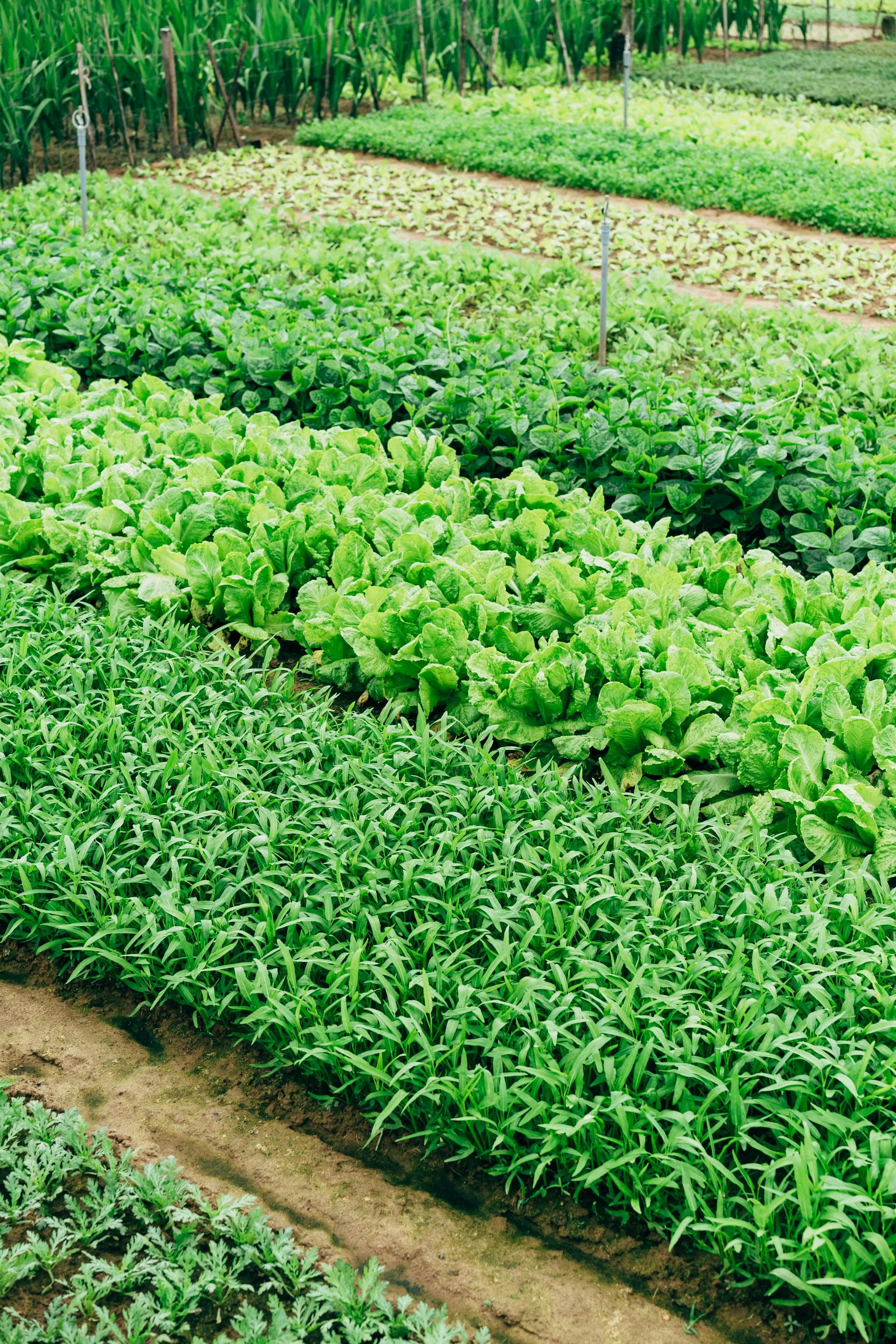
Agriculture contributes over 33% to Kenya's GDP and employs more than 70% of the rural population. However, challenges like degraded soils, climate change, and limited land availability threaten productivity. Organic farming has shown promising growth with an estimated market expansion of 10-15% annually in Kenya, responding to consumer preferences for chemical-free produce. Soil fertility management through organic inputs and technology integration remains paramount. The Kenyan Ministry of Agriculture encourages sustainable agribusiness models that balance profitability and environmental health.
Key Insights or Strategies

1. Vertical Farming for Space-Efficient Crop Production
Vertical farming uses vertically stacked layers to grow crops in controlled environments, maximizing yields per square meter. It is especially valuable for urban farmers facing land constraints.
- Select crops with high market demand and short growth cycles like leafy greens, herbs, and strawberries.
- Invest in vertical racks or shelves combined with grow lights for optimal plant growth indoors or in small plots.
- Implement water-efficient methods such as hydroponics or aeroponics to reduce input costs.
- Ensure proper ventilation and temperature control to prevent pest outbreaks and improve plant health.
Boost your vertical farming setup with efficient automation using the CARPATHEN Drip Irrigation System Kit – available on Amazon for consistent watering.
2. Organic Fertilizers and Soil Health Monitoring
Quality organic fertilizers sustain soil fertility by enhancing nutrient cycling and microbial activity, critical for long-term productivity in Kenyan soils.
- Use compost, manure, and biofertilizers to improve soil organic matter content gradually.
- Regularly test soil pH and nutrient levels to tailor fertilizer applications effectively.
- Avoid over-reliance on synthetic chemicals to protect beneficial soil organisms.
- Integrate mulching and cover crops to reduce erosion and moisture loss.
You can test your soil easily with the Premium Soil Test Kit – available on Amazon, providing detailed insights on nutrients and pH balance.
Explore sustainable organic farming solutions with Biofarm Kenya for high-quality organic inputs and soil management advice tailored for Kenya.
Case Studies, Examples, or Comparisons
Kenyan farmer Peter Mwangi successfully implemented vertical farming in Nairobi’s peri-urban area, growing leafy greens year-round with a 40% yield increase compared to traditional open fields, saving water and land space (Ministry of Agriculture report, 2025). Meanwhile, women farmers in Kisumu have adopted organic vegetable farming, fetching premium prices in local markets certified with the East Africa Organic Mark. The Food and Agriculture Organization (FAO) has collaborated with these groups to advance sustainable farming technologies, improving livelihoods and environmental outcomes.
Common Mistakes to Avoid
- Ignoring soil testing: Applying fertilizers blindly leads to nutrient imbalances and wasted inputs.
- Overwatering in drip systems: Can cause root diseases; adjust flow rates and monitor soil moisture.
- Neglecting pest management in greenhouses: Unaddressed pests can rapidly multiply in enclosed spaces.
- Poor crop selection for vertical farming: Not all crops thrive indoors; choose varieties suited to controlled environments.
- Inadequate maintenance of irrigation equipment: Leads to clogging and uneven watering.
Expert Tips or Best Practices
Experts recommend integrating soil testing every crop cycle and adjusting organic fertilizer blends accordingly. For efficient water use, automated drip irrigation kits reduce labor and optimize moisture delivery. The use of mini-greenhouses can expand production seasons and protect crops against climate variability.
Try the Soil pH & Moisture Tester Kit – available on Amazon to monitor soil conditions precisely.
Also, consider investing in certified greenhouse kits like the 10x18 FT Aluminum Greenhouse which offers durable build quality and ease of ventilation control, ideal for small Kenyan farms: available on Amazon.
Remember to explore sustainable organic farming solutions with Biofarm Kenya for expert advice, organic inputs, and support throughout your farming journey.
Future Trends or Predictions
The future of profitable farming in Kenya includes widespread adoption of smart irrigation powered by IoT sensors, precision fertilization via real-time soil and crop data, and AI-driven crop health monitoring. Vertical farming will expand with renewable energy integration to reduce carbon footprints. Additionally, urban agriculture will grow as land scarcity drives innovative use of rooftops and vertical spaces. Supportive policies and market access for organic produce will continue improving farmers' profitability and environmental stewardship.
Conclusion
Sustainability and profitability in Kenyan agriculture go hand in hand through modern, eco-friendly approaches like vertical farming, organic fertilization, and in-field technology adoption. Reliable tools such as drip irrigation kits and soil testing kits enhance decision-making and resource use efficiency. For farmers seeking trusted organic farming tools and expert guidance, discover options on Amazon and learn more about sustainable solutions with Biofarm Kenya.
FAQs
1. What makes vertical farming profitable in Kenya?
Vertical farming minimizes land use and water needs while offering multiple crop cycles annually. It suits urban and peri-urban farmers facing land constraints. For more details, visit the FAO Kenya office.
2. How do organic fertilizers benefit Kenyan soils?
Organic fertilizers improve soil structure, increase microbial activity, and supply balanced nutrients, helping reverse degradation. The Kenya Plant Health Inspectorate Service (KEPHIS) provides standards for organic inputs KEPHIS official site.
3. Are drip irrigation systems cost-effective for smallholder farmers?
Yes, drip irrigation saves water and labor, improves yields, and reduces fertilizer runoff. Initial cost can be offset by yield gains. SunCulture is a pioneer in Kenyan solar-powered irrigation solutions. Learn more at SunCulture.
4. What common mistakes should I avoid in soil management?
Avoid skipping soil tests, overusing synthetic fertilizers, and neglecting organic matter replenishment. NEMA provides soil conservation guidance in Kenya NEMA Kenya.
5. How can greenhouses boost small farm profits in Kenya?
Greenhouses allow year-round cropping, reduce pest pressure, and enable high-value crop production. The Ministry of Agriculture promotes greenhouse farming policies. Visit Ministry of Agriculture Kenya.
6. Where can I find reliable organic farming partners in Kenya?
Biofarm Kenya offers access to certified organic inputs, expert training, and market linkages tailored to Kenya's farming conditions. Learn more at Biofarm Kenya partners.


0 Comments