

Estimated Reading Time: 13 minutes
TL;DR:
- The most profitable farming ideas in 2026 in Kenya increasingly include vertical farming, a sustainable, technology-driven method.
- Vertical farming offers solutions for space constraints, climate challenges, and soil degradation in Kenya.
- Implementing vertical farming with hydroponics, aeroponics, and efficient irrigation improves yields and profitability.
- Avoid common mistakes such as soil mismanagement and improper fertilizer use to maximize success.
- Emerging trends highlight smart irrigation, automated farming, and integration with organic practices for long-term sustainability.
Key Takeaways:
1. Embrace vertical farming as a profitable and sustainable agribusiness in Kenya.
2. Use technology-driven systems like hydroponics and drip irrigation for water and nutrient efficiency.
3. Invest in soil testing and organic fertilizers to improve soil health and crop quality.
4. Learn from successful Kenyan vertical farming projects and avoid common cultivation errors.
5. Stay updated on innovations from AI crop monitoring to modular vertical farm kits for small-scale farmers.
Table of Contents
Introduction
Kenya’s agricultural landscape is rapidly evolving as farmers and agribusinesses seek most profitable farming ideas in 2026 that address challenges such as limited land, climate variability, and soil degradation. Sustainable agriculture, particularly organic and vertical farming, is gaining momentum as a practical, innovative solution for boosting food security and income. Kenya's urbanization and land pressures call for creative farming methods that optimize limited space without compromising environmental health or productivity. Vertical farming — the concept of growing crops stacked in layers using controlled environments — represents one of the most promising advancements to transform Kenyan agriculture sustainably. This article explores the background, strategies, case studies, mistakes, expert tips, and future outlook to guide farmers and agripreneurs on integrating vertical farming into Kenya’s organic farming movement effectively.
Background & Context
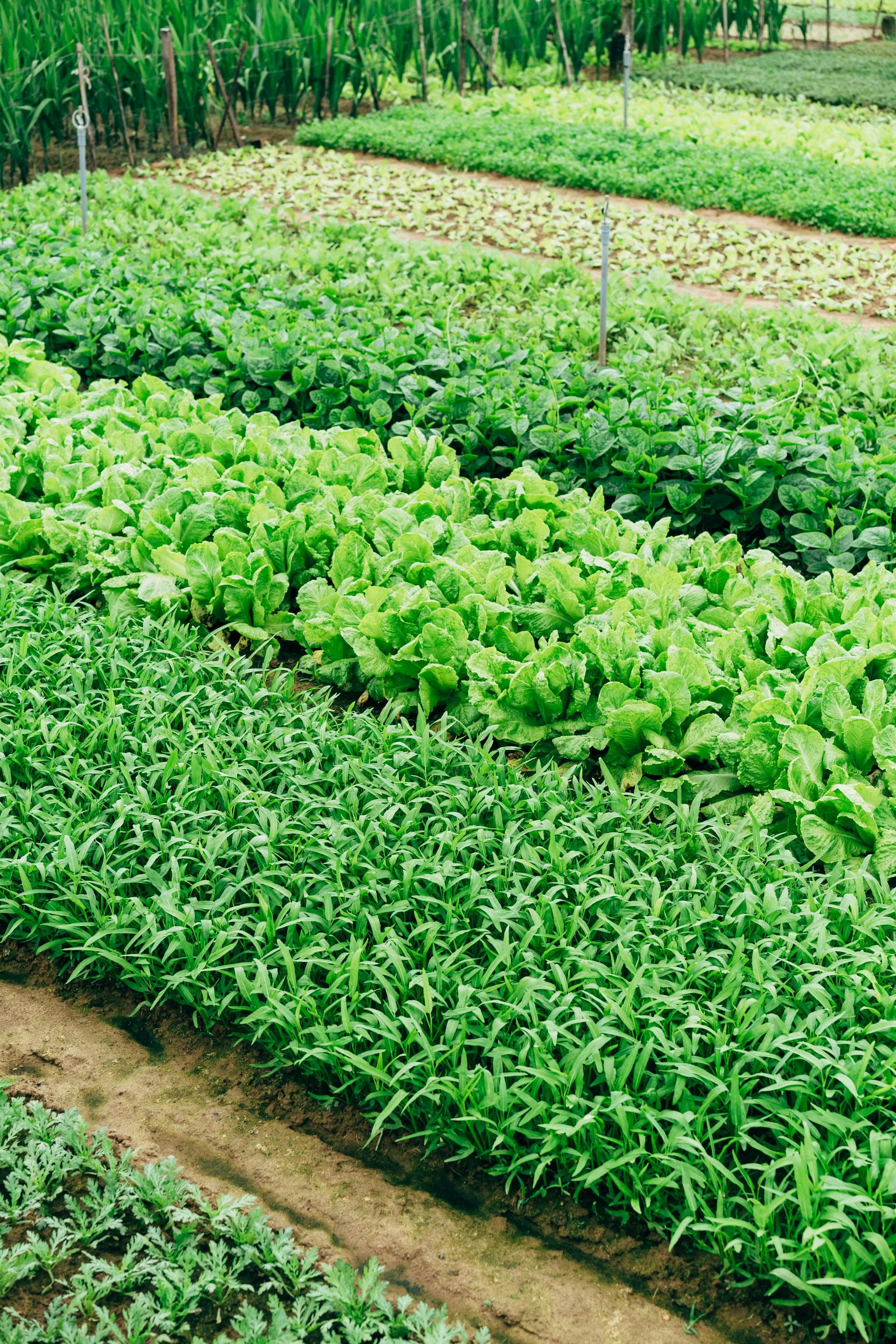
Organic and sustainable farming have had significant growth in Kenya, driven by increasing demand for healthy food and environmental preservation. According to the Kenya Organic Agriculture Network, organic agriculture contributes substantially to soil fertility restoration, biodiversity conservation, and poverty reduction for smallholder farmers. Kenya’s agribusiness sector grew by over 6% annually with organic farming markets expanding in domestic and export channels.
However, Kenya faces challenges with soil degradation, with an estimated 12 million hectares affected by erosion and nutrient depletion. Traditional farming methods are often limited by land scarcity, especially near urban centers like Nairobi. This encourages adoption of vertical farming techniques which use vertical space, water recirculation, and soil-less techniques such as hydroponics and aeroponics to maximize yields per square meter.
This innovative approach reduces reliance on pesticides and herbicides, helping maintain soil health. The global vertical farming market is projected to reach $12 billion by 2026, with Kenya’s urban and peri-urban farming communities contributing significantly to this growth, aligning with Kenya's Vision 2030 goals for sustainable food systems.
Key Insights or Strategies

1. Maximizing Space and Yield with Hydroponic Vertical Farming
Hydroponics, a soil-less plant growing technique using nutrient-rich water, is ideal for vertical farming structures. It enables farmers to stack plants in tiers, optimize nutrient delivery, and reduce water consumption by up to 90% compared to soil farming.
- Design or purchase modular vertical farming units suitable for your space.
- Implement hydroponic nutrient solutions ensuring proper pH and nutrient balance.
- Monitor water quality and recycling systems to maintain environment control.
- Choose fast-growing, high-value crops like leafy greens, herbs, and tomatoes.
- Use automated timers and sensors to optimize lighting and watering schedules.
Boost your yields with the Hydroponic Growing kit 15 Floors 45 Holes Tower Set Vertical Farm – available on Amazon.
2. Enhance Soil Fertility using Organic Amendments and Testing
For farmers integrating vertical farming with soil-based approaches or transitioning between systems, soil testing and organic fertilizers remain critical for ensuring plant health.
- Use affordable soil testing kits to regularly measure pH, nitrogen, phosphorus, and potassium levels.
- Amend soils with organic compost or bone meal fertilizer to improve nutrient content naturally.
- Rotate crops to manage soil nutrient balance and reduce pest buildup.
- Avoid excessive chemical fertilizer use to prevent soil degradation.
Test soil effectively with the Premium Soil Test Kit – available on Amazon.
3. Optimize Water Use through Drip Irrigation and Water Recycling
Water efficiency is paramount in vertical farming especially in Kenya’s climatic context. Drip irrigation delivers water directly to plant roots, conserving moisture and limiting runoff.
- Install a drip irrigation system with adjustable nozzles for different crop types.
- Capture and recycle run-off water within the vertical farming setup.
- Regularly maintain irrigation equipment to prevent leaks and blockages.
- Integrate timers or solar-powered controllers for autonomous watering cycles.
Consider a reliable drip irrigation kit such as the CARPATHEN Drip Irrigation System Kit – available on Amazon.
Explore sustainable organic farming solutions with Biofarm Kenya to access resources and support for your vertical farming ventures.
Case Studies, Examples, or Comparisons
In Nairobi’s informal settlements such as Kibera and Mathare, urban farmers have adopted vertical sack gardening to overcome land scarcity, dramatically reducing food insecurity and creating income streams for families. Supported by NGOs and government initiatives, these compact vertical gardens demonstrate scalable models for slum and peri-urban environments. Evidence from the Food and Agriculture Organization (FAO) highlights how controlled environment agriculture can increase food production by 70% per area compared to traditional methods.
In Wamunyu, Kenyan inventors developed and piloted 20 vertical garden prototypes using punctured structures to grow crops vertically on multiple soil layers. This innovation significantly enhanced crop production efficiency and served as a proof of concept for community-wide adoption supported by local training programs.
These case studies highlight the practical application and local adaptability of vertical farming methods, positioning Kenyan farmers at the forefront of global agritech adoption.
Common Mistakes to Avoid
While vertical farming in Kenya presents vast opportunities, several common pitfalls can reduce profitability and sustainability:
- Poor soil management: Ignoring soil testing can lead to nutrient imbalances and poor yields. Correct this by frequent soil analysis and organic amendments.
- Overuse of chemical fertilizers: Causes soil degradation and health risks. Opt for organic fertilizers and compost as part of a sustainable regime.
- Inefficient irrigation practices: Overwatering wastes water and promotes diseases. Use drip irrigation and water recycling techniques to conserve resources.
- Lack of pest and disease monitoring: Missing early signs can cause crop losses. Implement integrated pest management and regular crop inspections.
- Improper crop selection: Growing unsuitable crops for certain vertical farming systems wastes space and inputs. Choose crops suited to hydroponic or vertical setups.
Expert Tips or Best Practices
Leading Kenyan agronomists recommend:
- Start small and scale: Pilot your vertical farm with a few crops and gradually expand as you gain experience and market knowledge.
- Integrate organic fertilizers: Maintain balanced soil nutrition with organic composts like the Purple Cow Organics All-Purpose Veggie Mix.
- Partner with local agribusiness platforms: Utilize Biofarm Kenya’s network for accessing training, inputs, and markets. Explore sustainable organic farming solutions with Biofarm Kenya.
- Adopt technology: Use digital sensors for monitoring light, humidity, and nutrients, and invest in automated systems such as timers for irrigation and LED grow lights.
Future Trends or Predictions
Looking ahead, vertical farming in Kenya is poised to expand with the integration of advanced technologies:
- Smart irrigation systems: AI-powered drip irrigation that adjusts to weather and soil conditions is expected to become mainstream.
- AI-driven crop monitoring: Drones and sensors will monitor plant health, pest outbreaks, and growth metrics in real time to optimize interventions.
- Modular vertical farming kits: Scalable and affordable kits for home and small-scale farmers will democratize access to vertical farming.
- Integration with organic farming: Combining soil regeneration practices with vertical farms can enhance sustainability and resilience against climate change.
Conclusion
As Kenya embraces new agricultural frontiers, vertical farming stands out as one of the most profitable farming ideas in 2026. It harnesses technology to overcome land scarcity, optimizes water and nutrient use, and supports organic sustainable practices. By avoiding common mistakes, leveraging expert tips, and following emerging trends, farmers can boost productivity and incomes effectively.
Access trusted organic farming tools on Amazon and learn more about sustainable solutions with Biofarm Kenya.
FAQs
What is vertical farming and how does it work in Kenya?
Vertical farming is a method of growing plants in vertically stacked layers or vertically inclined surfaces. In Kenya, it often involves hydroponics or aeroponics systems that do not require traditional soil, making it ideal for urban or space-limited areas. It improves resource use efficiency and crop yields under controlled environments. Read more at FAO’s vertical farming overview.
Which crops are best suited for vertical farming in Kenya?
Leafy greens like kale, spinach, and lettuce, as well as herbs such as basil and mint, tomatoes, strawberries, and small peppers, thrive in vertical farming setups. These crops have short growth cycles and high market demand. For detailed crop recommendations, visit Biofarm Kenya.
How can I start vertical farming with limited capital in Kenya?
Start with small DIY vertical garden setups using locally available materials or compact hydroponic kits. Utilize affordable drip irrigation and organic fertilizers. Seek training and support through local agribusiness hubs like Biofarm Kenya’s partner network. Funding and microloans may also be available from agricultural development programs.
What are common challenges faced in Kenyan vertical farming?
Challenges include initial setup costs, equipment maintenance, knowledge gaps in hydroponic nutrient management, and access to reliable markets. Farmers must also manage pest control and ensure consistent water and electricity supply. The Ministry of Agriculture of Kenya offers guidance on overcoming these challenges (Ministry of Agriculture Kenya).
Are there government or NGO programs supporting vertical farming in Kenya?
Yes, several NGO initiatives and government programs support urban farming innovations including vertical and hydroponic farming, focusing on food security and poverty alleviation. Notable programs operate through partnerships with local communities, promoting training and infrastructure development (NEMA Kenya provides environmental guidelines).
How does organic farming integrate with vertical farming?
Organic farming principles focus on soil health and natural inputs. Vertical farming often uses soil-less technology but can integrate organic nutrient solutions and biopesticides. This hybrid approach maximizes sustainability by reducing chemical reliance and enhancing food safety. For practical organic vertical farming advice, visit Biofarm Kenya.
Discover more about sustainable organic farming at Biofarm Kenya:
Organic Farming Solutions | Agricultural Inputs | Farmer Training | Market Networks | Technology Adoption | Sustainability Projects


0 Comments