

Estimated Reading Time: 12 minutes

TL;DR:
- High poultry feed costs in Kenya can consume up to 70% of total production expenses.
- Using alternative protein sources like azolla and black soldier fly larvae reduces feed costs effectively.
- Adopting cost-saving strategies and reducing feed waste can increase poultry farm profitability significantly.
Key Takeaways:
- Switching to alternative protein sources such as azolla and insect protein lowers feed expenses.
- Practical feed management and careful supplementation help reduce overall poultry production costs.
- Kenyan farmers can boost profits with informed feed cost reduction strategies and expert guidance.
Table of Contents
- Introduction
- What is Poultry Feed Cost Reduction?
- Benefits in Kenya
- Step-by-Step Guide
- Cost Breakdown (Kenya)
- Profit Potential
- Common Mistakes
- Expert Tips
- Comparison Section
- FAQs
Introduction
For many Kenyan poultry farmers, high feed costs represent the biggest challenge to profitability. Feed expenses can consume up to 70% of total production costs, squeezing margins and limiting growth. Fortunately, there are proven strategies to reduce poultry feed costs in Kenya without compromising bird health or production quality. By exploring affordable, alternative protein sources and adopting effective feed management practices, Kenyan farmers can improve both their cost efficiency and farm profitability. This article offers a practical, expert guide tailored to local conditions and the unique needs of poultry farmers across Kenya.
What is Poultry Feed Cost Reduction?
Poultry feed cost reduction involves implementing strategies to lower the expenses incurred in feeding poultry while maintaining or enhancing productivity. This includes using alternative protein sources, reducing feed waste, optimizing feed formulations, and sourcing inputs more efficiently. Feed formulations typically aim for around 18-22% protein for layers and up to 24-28% for broilers to support healthy growth and egg production.
For example, protein sources like azolla (a highly nutritious aquatic fern with 25-30% protein content) and black soldier fly larvae (rich in 40-45% protein) provide sustainable alternatives to expensive commercial feed components. Implementing these can lead to better growth rates and lower feed conversion ratios (FCR), thus reducing overall feed needs.
Benefits in Kenya
- Significant cost savings: Feed costs account for about 60-70% of poultry production expenses in Kenya. Reducing these can improve farm margins substantially.
- Access to local, affordable feed inputs: Alternatives like azolla and insect protein can be produced on-farm or sourced regionally, cutting reliance on costly imports.
- Improved sustainability: Using organic feed sources lowers environmental impact and reduces dependency on chemical feeds.
- Better feed efficiency: Optimal feed formulations improve growth rates and egg production, resulting in faster ROI.
- Empowerment of local farmers: Producing own feed inputs and reducing waste builds resilience against market prices fluctuations.
Step-by-Step Guide
- Assess current feed costs: Track monthly feed usage and expenditures to identify potential savings.
- Introduce alternative protein sources: Start incorporating azolla, maggot meal from black soldier fly larvae, or locally sourced seed cakes into poultry diets.
- Mix balanced rations: Ensure feed batches contain adequate protein (18-28%) and energy levels suitable for the type of poultry (layers vs broilers).
- Reduce feed waste: Use feeders that limit spillage and monitor feeding times to prevent overfeeding.
- Train on feed management: Learn proper feed storage and handling to maintain quality and avoid losses.
- Monitor bird performance: Track growth rates and egg production to evaluate feed efficiency and adjust rations accordingly.
- Regularly review costs: Reassess feed pricing and supplier options to optimize spending.
Cost Breakdown (Kenya)
| Feed Type | Typical Cost per 50kg Bag (Ksh) | Protein Content (%) | Monthly Cost for 500 birds (Ksh)* |
|---|---|---|---|
| Commercial Layer Feed | 3,500 - 4,200 | 18-20 | 28,000 |
| Commercial Broiler Feed | 3,800 - 4,500 | 22-24 | 32,400 |
| Azolla (On-farm grown) | ~1,200 (production cost estimate) | 25-30 | 8,000 |
| Black Soldier Fly Larvae Meal | 1,800 - 2,000 | 40-45 | 12,000 |
| Maize Germ / Seed Cakes | 2,500 - 3,000 | 25-30 | 16,000 |
*Costs based on typical feed consumption for 500 birds monthly
Profit Potential
By switching 50% of commercial feed to cost-effective alternatives, Kenyan farmers can reduce feed expenses by up to 20%-30%. For example, a farmer spending Ksh 30,000 monthly on commercial feed can save approximately Ksh 6,000-9,000 per month. Over a year, this translates to savings of Ksh 72,000 to 108,000.
Additionally, improved feed efficiency can boost growth rates and egg production, further increasing revenue. For a medium-scale farm, these improvements can turn modest profits into sustainable income, paving the way for expansion and investment in farming technology. This demonstrates why learning how to reduce chicken feed costs in Kenya is a top priority for poultry farmers.
Common Mistakes
- Over-reliance on expensive commercial feeds: Solution: Blend alternative proteins like azolla or insect meal to reduce costs.
- Inaccurate feed mixing: Solution: Train on proper ration formulations to meet nutritional needs.
- Ignoring feed waste: Solution: Use efficient feeders and monitor feeding routines.
- Poor storage leading to feed spoilage: Solution: Store feed in dry, airtight containers away from pests.
- Resistance to adopting new feed sources: Solution: Start small with trials to observe benefits without risk.
Expert Tips
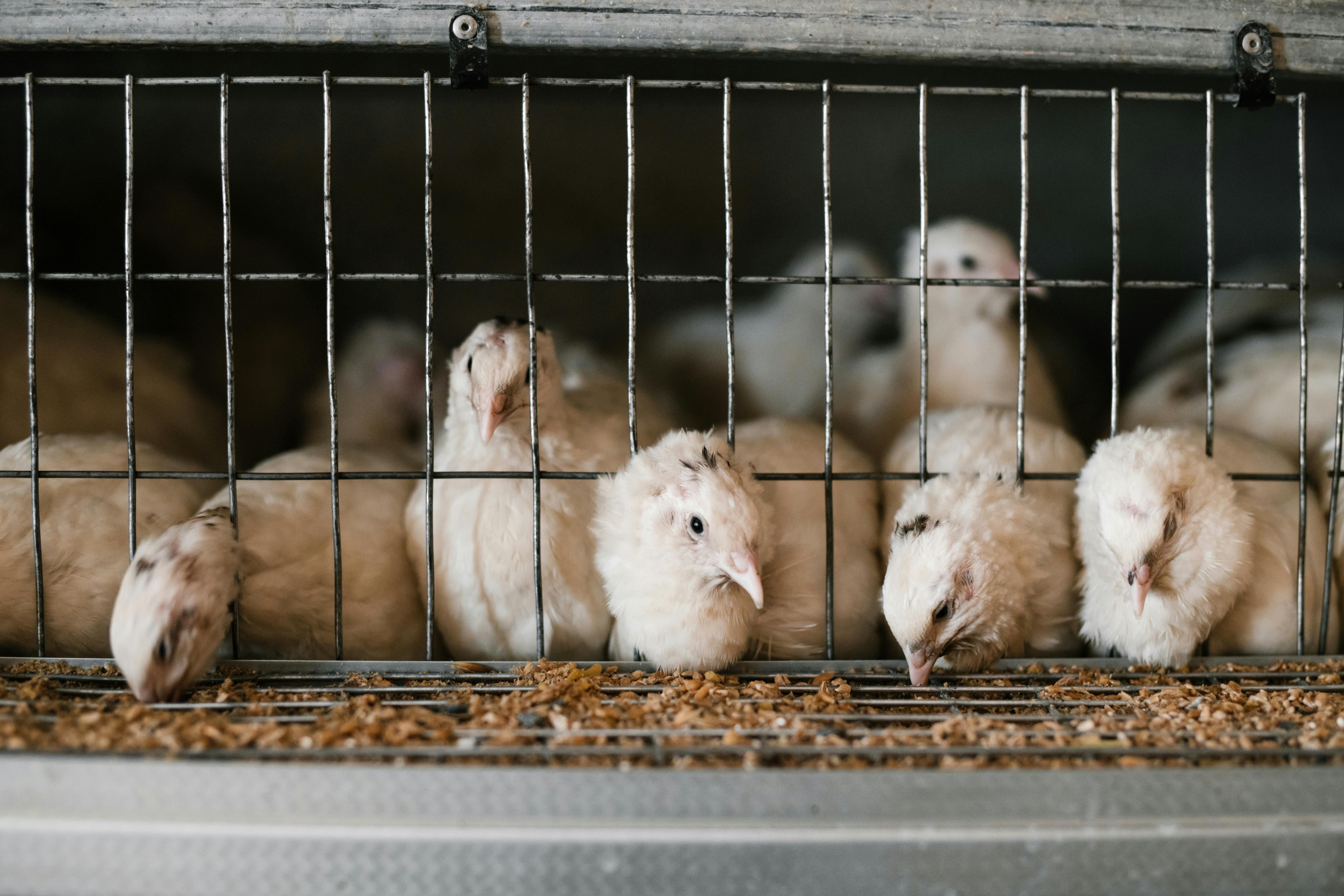
- Start your own azolla pond: Easy to maintain and renews quickly for a regular protein source.
- Collaborate with local farmers’ groups: Pool resources for feed processing equipment or bulk buying.
- Integrate black soldier fly farming: Turn organic waste into valuable protein feed with low capital.
- Regularly monitor bird health: Ensure feed changes maintain bird growth and vitality.
- Access training: Biofarm Kenya offers resources on complete guide to azolla farming in Kenya and other organic methods.
👉 Explore sustainable farming solutions with Biofarm Kenya
Comparison Section
| Feed Type | Protein Content (%) | Cost per 50kg (Ksh) | Growth Performance | Environmental Impact |
|---|---|---|---|---|
| Azolla | 25-30 | ~1,200 (on-farm cost) | Moderate to High | Low (organic, sustainable) |
| Black Soldier Fly Larvae | 40-45 | 1,800 - 2,000 | High | Low (recycles organic waste) |
| Commercial Feed | 18-24 | 3,500 - 4,500 | High | Medium (depends on sourcing) |
| Organic Feed | Varies (often 18-25) | Higher initial cost | Variable | Low (no chemicals) |
| Chemical-Based Feed | Varies | Medium to High | High | High (chemical residues) |
FAQs
- How can I reduce chicken feed costs in Kenya?
- Reduce costs by using alternative protein sources like azolla and insect meal, mix balanced rations, and minimize feed wastage.
- What are the best chicken feed alternatives in Kenya?
- Azolla, black soldier fly larvae, maize germ, and seed cakes are among the best low-cost, nutritious alternatives.
- Is azolla a good feed for poultry?
- Yes. Azolla contains 25-30% protein, supports growth, and can be sustainably grown on-farm, reducing feed expenses.
- How much can I save monthly by switching feeds?
- Farmers can save 15-30% on feed costs, which can amount to Ksh 2,000-9,000 monthly depending on farm size.
- What mistakes should I avoid in poultry feed management?
- Avoid overfeeding, inaccurate mixing, poor feed storage, and ignoring alternative feed options to optimize costs and production.
- Where can I get support for profitable farming ideas in Kenya?
- Biofarm Kenya offers training, resources, and products to help farmers implement cost-saving and organic poultry feeding systems.
Start Your Farming Journey Today
Want to reduce your farming costs and increase profits?


0 Comments