

Estimated Reading Time: 10 minutes
TL;DR:
Key Takeaways:
Table of Contents
Introduction
In Kenya's vibrant agricultural landscape, Kenyan farmers are increasingly seeking alternatives to costly chemical fertilizers amid rising input prices and pervasive soil degradation. The economic pressures coupled with environmental concerns highlight an urgent need for sustainable farming practices that nurture the land while ensuring profitability. This training guide focuses on evidence-based methods to reduce synthetic fertilizer reliance while improving soil health, offering a lifeline to smallholder farmers striving for resilience and productivity. By embracing ecological approaches, farmers can safeguard their livelihoods, protect the environment, and cultivate healthier, more abundant crops.
The journey towards sustainable agriculture in Kenya is not merely about cutting costs; it's about building a robust, future-proof farming system. As global markets fluctuate and climate patterns shift, dependency on external, expensive inputs becomes a significant vulnerability. Biofarm Kenya champions a holistic approach, empowering farmers with knowledge and tools to transform their farms into thriving, self-sustaining ecosystems. This article delves into practical, proven strategies that resonate with the unique challenges and opportunities present in Kenyan agriculture.
Background & Context

Kenya's agricultural sector, the backbone of its economy, faces formidable challenges from declining soil fertility and the escalating cost of synthetic fertilizers. Decades of intensive farming practices, often coupled with inadequate soil management, have led to nutrient depletion and structural degradation across vast tracts of arable land. The National Agricultural Research Organisation (KALRO) reports that many Kenyan soils suffer from low organic matter content, acidity, and nutrient imbalances, directly impacting crop yields and farmer profitability.
However, there is a growing momentum towards regenerative and organic farming practices. Organizations like Farm Africa and AFR100 are actively engaged in restoring soil health across Kenya through initiatives that promote compost use, green manures, and the conversion of organic waste into valuable soil amendments. This shift is not just an environmental imperative but an economic necessity. The Smart Farmer Africa publication highlighted in 2024 that Kenya is moving towards a soil-health-centered agricultural transformation, aiming to cut fertilizer costs and build climate resilience. This paradigm shift involves strengthening soil data systems, improving extension services, and promoting balanced nutrient management, aligning with the broader Africa Fertilizer and Soil Health Action Plan. Such concerted efforts underscore the urgent need and significant potential for sustainable agriculture to flourish in Kenya.
Key Insights & Strategies
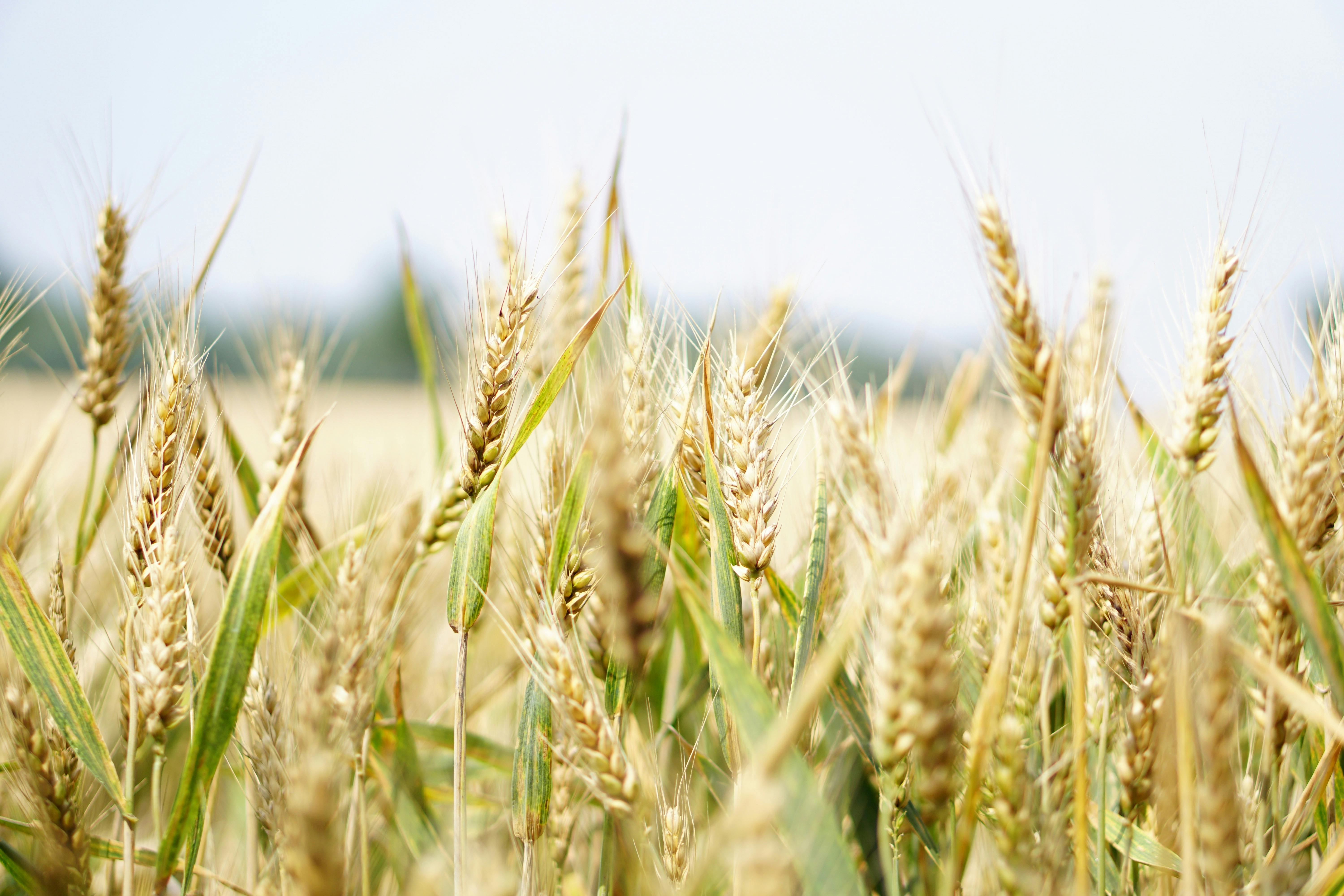
Transitioning to sustainable farming practices requires a strategic approach, focusing on methods that enhance soil fertility, optimize nutrient use, and minimize reliance on external inputs. For Kenyan farmers, three key steps are crucial:
1. Integrating Leguminous Cover Crops for Nitrogen Fixation
Leguminous cover crops are nature's nitrogen factories. Species like cowpeas, mucuna, and desmodium have a symbiotic relationship with soil bacteria, enabling them to convert atmospheric nitrogen into a form usable by plants. When integrated into cropping systems, these cover crops enrich the soil, reduce the need for synthetic nitrogen fertilizers, and improve soil structure.
- Select appropriate legumes: Choose cover crop species best suited for your local climate, soil type, and primary cash crop rotations. Cowpeas are particularly versatile and widely adopted in Kenya.
- Intercrop or Rotate: Plant leguminous cover crops between rows of maize or other staple crops (intercropping) or incorporate them into a rotation cycle. A 2025 ILRI study, for instance, showcased remarkable results, demonstrating 30% yield increases in maize-legume intercrops in specific Kenyan trials. This practice reduces the need for external nitrogen inputs significantly.
- Manage for biomass: Allow cover crops to grow sufficiently to produce ample biomass before incorporating them into the soil, either through direct mulching or shallow tillage, to maximize organic matter and nutrient contribution.
To accurately assess your soil's existing nutrient levels and pH before introducing cover crops, consider using aComprehensive Soil Testing Kit – available on Amazon. This will guide your decisions for optimal soil amendment.
2. Mastering Composting for Farm Waste Utilization
Composting transforms farm and kitchen waste into a rich, organic fertilizer, dramatically reducing the need for purchased inputs while improving soil structure, water retention, and microbial activity. The Kenya Agricultural and Livestock Research Organization (KALRO) has consistently advocated for robust composting methods as a cornerstone of sustainable agriculture.
- Gather diverse organic materials: Collect crop residues, animal manure, kitchen scraps, leaves, and other organic matter. A diverse mix ensures a balanced nutrient profile in the final compost.
- Build and maintain compost piles: Construct piles with alternating layers of 'greens' (nitrogen-rich, e.g., fresh manure, grass clippings) and 'browns' (carbon-rich, e.g., dry leaves, straw). Ensure adequate moisture and turn the pile regularly to aerate it and accelerate decomposition.
- Accelerate decomposition with activators: Some farmers in Kenya use Bokashi, a fermentation technique that rapidly processes organic waste into nutrient-rich soil amendments within weeks. A 2024 KALRO trial on smallholder farms demonstrated that mastering composting techniques using farm waste could successfully replace up to 50% of purchased synthetic fertilizers, offering substantial cost savings.
For efficient and large-scale composting, a reliable system is key. TheGeobin Expandable Compost Bin – available on Amazon, offers a practical solution for converting farm waste into valuable organic fertilizer.
For more in-depth guidance on composting and other sustainable solutions,explore sustainable organic farming solutions with Biofarm Kenya.
3. Implementing Precision Fertilizer Application
Even when some supplemental fertilization is necessary, applying it precisely can significantly reduce waste and cost. Traditional broadcast spreading often results in nutrient loss through leaching and runoff.
- Soil testing: As mentioned, begin with regular soil tests to identify specific nutrient deficiencies and pH levels. This prevents over-application of unnecessary nutrients.
- Banding method: Instead of broadcasting, apply fertilizer in concentrated bands near the plant's root zone. This ensures nutrients are readily available to the crop, minimizing loss. A 2025 JASAR study illustrated the efficacy of this method, reporting a 40% reduction in fertilizer use without any loss in crop yield when banding was implemented over broadcast spreading.
- Foliar feeding: For quick nutrient uptake, especially micronutrients, consider foliar sprays. This method delivers nutrients directly to the leaves, reducing the amount of fertilizer needed.
- Timely application: Apply fertilizers at critical growth stages when plants most need the nutrients. This optimizes uptake and reduces the window for nutrient loss.
Case Studies, Examples, or Comparisons
Kenya is rich with examples of farmers and organizations successfully transitioning to sustainable practices, showcasing tangible benefits in both yield and cost savings.
One notable success story is Safi Organics in Kenya, which empowers smallholder farmers by transforming agricultural waste into carbon-rich biochar fertilizer. This innovative approach not only tackles waste management but also provides farmers with a high-quality, locally produced organic fertilizer, improving soil health and increasing yields. Their model demonstrates a circular economy in action, where waste becomes a valuable resource, significantly reducing farmers' reliance on expensive imported chemical fertilizers.
Another inspiring example comes from the tea sector. Research on organic tea farming in Kenya has shown that while initial yields might vary, long-term soil health improvements and reduced input costs lead to sustainable profitability. Farms adopting organic manures and enriched organic fertilizers have demonstrated competitive yields compared to those relying solely on NPKS fertilizers, especially over multiple pruning cycles. This shift supports both ecological integrity and economic viability, offering a compelling case for broader adoption.
The International Livestock Research Institute (ILRI) has also highlighted successful maize-legume intercropping systems across East Africa, demonstrating how practices like incorporating cowpeas can lead to significant nitrogen fixation and subsequent boosts in cereal crop yields. These case studies underscore that sustainable farming is not a compromise on productivity but a pathway to enhanced long-term farm resilience and profitability, particularly for smallholder farmers navigating volatile market conditions.
Common Mistakes to Avoid
Even with the best intentions, farmers can fall into common pitfalls that hinder their progress toward sustainable soil health and cost savings. Recognizing these mistakes is the first step toward correction.
- Skipping Soil Testing: Many Kenyan farmers bypass regular soil testing, leading to a 'guesswork' approach to fertilization. This can result in over-application of certain nutrients, wasting money and potentially harming soil health, or under-application, leading to nutrient deficiencies and reduced yields. A proper soil test reveals exactly what your soil needs, allowing for targeted and efficient nutrient management.
- Over-reliance on Synthetic Fertilizers: Continuously applying only synthetic fertilizers can degrade soil structure over time, deplete organic matter, and reduce beneficial microbial activity. While providing quick nutrient boosts, they don't address the fundamental health of the soil. This leads to a vicious cycle of increasing fertilizer dependency and diminishing returns.
- Ignoring Crop Residues: Burning or removing crop residues deprives the soil of valuable organic matter, which is crucial for nutrient cycling, moisture retention, and microbial life. Instead, residues should be incorporated back into the soil or used for composting to enrich soil fertility.
- Inadequate Water Management: Inconsistent or excessive irrigation can leach nutrients from the soil, especially nitrogen. Poor water management also contributes to soil erosion and can stress crops, making them more susceptible to pests and diseases. Implementing efficient irrigation systems is vital.
- Monocropping Without Rotation: Planting the same crop in the same field year after year depletes specific nutrients, encourages specialized pests and diseases, and reduces soil biodiversity. Crop rotation, especially with leguminous crops, breaks pest cycles, improves nutrient balance, and enhances soil structure.
Expert Tips & Best Practices
To truly embrace sustainable farming and maximize benefits for soil health and your wallet, consider these expert tips tailored for the Kenyan context:
- Start Small, Learn, and Expand: Don't overhaul your entire farm at once. Begin by implementing one or two sustainable practices, such as a small composting system or a cover crop trial on a portion of your land. Observe the results, learn from your experiences, and gradually expand successful methods across your farm.
- Diversify Your Crops: Beyond cover crops, diversify your main crops. Polyculture and agroforestry systems can enhance biodiversity, improve soil health, and provide multiple income streams, building resilience against market fluctuations and climate shocks.
- Harvest Rainwater: With erratic rainfall patterns, efficient water management is paramount. Implement rainwater harvesting techniques and integrate them with your irrigation systems. For precise water delivery, investing in a CARPATHEN Drip Irrigation System Kit – available on Amazon can drastically reduce water wastage and ensure your crops get the moisture they need directly at the root zone.
- Incorporate Biochar: Biochar, produced from pyrolysis of biomass, can significantly improve soil structure, water retention, and nutrient availability, especially in degraded soils. Companies like Safi Organics are making biochar accessible to Kenyan farmers.
- Prioritize Soil Microbes: Healthy soil is teeming with life. Avoid practices that harm beneficial microbes, such as excessive tillage and indiscriminate use of harsh chemicals. Encourage microbial activity through rich organic matter, compost, and minimal disturbance. To kickstart microbial activity and nutrient cycling in your compost, consider using an Espoma Organic Blood Meal Fertilizer as a natural nitrogen source.
- Seek Local Expertise and Training: Connect with local agricultural extension officers, successful organic farmers, and organizations like Biofarm Kenya. Continuous learning and knowledge sharing are invaluable. Explore sustainable organic farming solutions with Biofarm Kenya for workshops, resources, and partnership opportunities that can elevate your farming practices.
Future Trends & Predictions
The future of agriculture in Kenya is increasingly intertwined with technology and innovative ecological approaches. Farmers who adapt to these emerging trends will be best positioned for success and sustainability.
Smart Farming Technologies: Digital farming solutions, integrating data, sensors, AI, and automation, are rapidly transforming agriculture. We predict a wider adoption of IoT (Internet of Things) devices for precise soil monitoring, climate-smart irrigation systems that automatically adjust water delivery based on real-time needs, and AI-powered decision engines for optimized planting, fertilizing, and harvesting schedules. Mobile technology will continue to be a primary interface, offering farmers real-time advice and market access.
Vertical Farming and Protected Agriculture: With increasing land scarcity and climate unpredictability, vertical farming and greenhouse technologies are gaining traction, especially in peri-urban areas. These methods offer controlled environments, reducing water usage, minimizing pest pressure, and enabling year-round production, leading to higher yields per square meter. Greenhouse robotics and automated systems will become more sophisticated and accessible.
Carbon Sequestration and Agri-Carbon Markets: As the global focus on climate change intensifies, farmers will increasingly be recognized for their role in sequestering carbon in soil. We anticipate the growth of agri-carbon markets, where farmers can earn revenue by adopting practices that build soil organic carbon. This provides a new income stream and incentivizes regenerative practices.
Biotechnology and Bio-inputs: Advances in biotechnology will lead to the development of more resilient crop varieties, better bio-pesticides, and enhanced bio-fertilizers. These innovations will further reduce reliance on synthetic chemicals and increase crop productivity in an environmentally friendly manner. Bio-inputs, such as microbial inoculants, will become standard practice for boosting soil health and nutrient availability.
Circular Agriculture: The concept of circular agriculture, where waste from one part of the farm becomes an input for another, will strengthen. This includes efficient nutrient cycling, advanced composting, bio-digesters for energy production and bio-slurry fertilizer, and integrated pest management systems that rely on natural predators. This holistic approach ensures maximum resource efficiency and minimal environmental footprint.
Conclusion
The path to sustainable and profitable farming in Kenya lies in a deliberate shift away from costly chemical dependency towards practices that champion soil health and ecological balance. By strategically integrating leguminous cover crops, mastering the art of composting farm waste, and adopting precision fertilizer application methods, Kenyan farmers can not only drastically reduce their input costs but also cultivate more resilient, productive, and environmentally friendly farms. The evidence is clear: these proven techniques enhance soil fertility, improve water retention, and create a healthier ecosystem beneath and above the ground.
Embracing sustainable agriculture is an investment in the future – securing food security, protecting natural resources, and building economic stability for farming communities. Biofarm Kenya stands as a dedicated partner in this vital transformation, providing the knowledge, tools, and support necessary for every farmer to thrive. Start your journey towards a more sustainable and prosperous farm today.
Discover trusted organic farming tools onAmazonandlearn more about sustainable solutions with Biofarm Kenya.
FAQs
1. What are the immediate benefits of using cover crops in Kenya?
Cover crops, especially legumes, offer immediate benefits such as natural nitrogen fixation, reducing the need for synthetic fertilizers. They also improve soil structure, suppress weeds, and reduce soil erosion, leading to healthier crops and potentially higher yields. For more on specific cover crop benefits, refer to research from ILRI.
2. How much fertilizer cost can be saved through effective composting?
Effective composting techniques using farm waste can significantly reduce fertilizer costs. A 2024 KALRO trial showed that smallholder farms could replace up to 50% of purchased synthetic fertilizers by mastering composting, translating into substantial financial savings. Learn more about composting techniques from KALRO's agricultural guides.
3. Is precision fertilizer application suitable for smallholder farms in Kenya?
Yes, precision fertilizer application methods like banding are highly suitable for smallholder farms. They ensure nutrients are delivered directly to the plant roots, maximizing efficiency and minimizing waste. This approach, as validated by a 2025 JASAR study, can reduce fertilizer use by 40% without yield loss, making it cost-effective for smaller operations. Consult resources on FAO Kenya for relevant smallholder farming best practices.
4. What are the signs of degraded soil in Kenya and how can I test for it?
Signs of degraded soil include poor crop growth, compaction, reduced water infiltration, and visible erosion. The most effective way to test for soil degradation and nutrient deficiencies is through a comprehensive soil test. This provides data on pH, organic matter, and nutrient levels. Many agricultural labs in Kenya offer these services, or you can use a home soil testing kit from Amazon.
5. What role does Biofarm Kenya play in promoting sustainable farming?
Biofarm Kenya is dedicated to empowering farmers with knowledge, resources, and sustainable solutions. We provide training, access to eco-friendly products, and promote best practices in organic and regenerative agriculture to help farmers achieve better soil health, reduce costs, and increase long-term productivity. Visit Biofarm Kenya Partners to learn more about our initiatives and support.
6. How can I ensure my farm remains profitable while transitioning to organic methods?
Transitioning to organic methods can be profitable by reducing input costs (fertilizers, pesticides), improving soil health for long-term productivity, and potentially accessing premium markets for organic produce. Start gradually, diversify crops, focus on soil building, and seek guidance from organizations like the Kenya Organic Agriculture Network (KOAN) for certification and market linkages. Utilizing tools like cover crop seeds from Amazon can further aid in cost-effective soil improvement.


0 Comments