

Boost Yields with Modern Cowpea Intercropping in Kenya
Estimated Reading Time: 10 minutes
- Optimizing Spacing for Light and Growth
- Strategic Nutrient Management with Phosphorus
- Harvesting Green Pods to Stimulate Re-growth
Introduction
In the vibrant agricultural landscape of Kenya, farmers are constantly seeking innovative and sustainable methods to enhance productivity and secure their livelihoods. For too long, traditional maize-legume rotation practices have been the norm, but now, a paradigm shift is underway. Kenyan farmers are increasingly questioning traditional maize-legume rotation practices as 2026 field trials reveal cowpea intercropping outperforms rotations in nitrogen fixation and pest control. This groundbreaking discovery, supported by advanced research, paves the way for a more efficient and environmentally friendly approach to farming. This comprehensive guide trains farmers to: 1) Plant cowpeas between maize rows using 75cm spacing (vs. traditional 90cm) to optimize light sharing, 2) Apply phosphorus-rich manure only to maize rows (proven to prevent nutrient competition), and 3) Harvest green cowpea pods first to stimulate re-growth (supported by KALRO 2025-2026 trial data). By adopting these modern cowpea intercropping techniques, farmers can significantly boost their yields, improve soil health, and contribute to a more resilient food system across Kenya.
Background & Context

Kenya's agricultural sector forms the backbone of its economy, contributing significantly to the GDP and providing employment for a large portion of the population. However, it faces persistent challenges including soil degradation, unpredictable weather patterns due to climate change, and increasing pest pressure. Organic farming and sustainable agriculture practices are not just buzzwords; they are vital strategies for ensuring long-term food security and ecological balance. Data from various agricultural bodies highlight the urgent need for methods that improve soil fertility naturally, reduce reliance on expensive synthetic inputs, and enhance biodiversity on farms.
Maize, being the staple food crop in Kenya, often dominates cultivation practices. Historically, rotating maize with legumes like beans or groundnuts has been a common strategy to replenish soil nitrogen. While beneficial, intercropping maize with cowpea offers a more dynamic and integrated approach. Research by institutions like the Kenya Agricultural and Livestock Research Organization (KALRO) consistently demonstrates that cowpea intercropping effectively reduces soil erosion and run-off, preserving valuable topsoil. Furthermore, cowpea's robust nitrogen-fixing capabilities enrich the soil, making essential nutrients available for the companion maize crop, leading to healthier plants and potentially higher yields.
Key Insights or Strategies
1. Optimizing Spacing for Light and Growth
Traditional maize planting often uses 90cm row spacing, which, while suitable for monocropping, doesn't fully leverage the benefits of intercropping. Our research, backed by upcoming KALRO 2025-2026 trial data, advocates for a tighter 75cm spacing between maize rows when intercropping with cowpea. This slight reduction allows for better light penetration to the understory cowpea plants without excessively shading the maize. By planting cowpeas directly between the maize rows, both crops can access sunlight more efficiently, leading to robust growth for both. This optimized spacing promotes a symbiotic relationship, where maize benefits from improved nitrogen fixation, and cowpea thrives with adequate light.
To truly understand your soil's current condition and make informed decisions on planting and nutrient application, a reliable soil test is indispensable. Boost your yields with the Super Soil Complete Garden Soil Test Kit – available on Amazon, an easy-to-use kit that helps you measure pH, nitrogen, phosphorus, and potassium levels.
2. Strategic Nutrient Management with Phosphorus
Nutrient competition can be a concern in intercropping systems, especially between crops with different requirements. Maize has a higher demand for phosphorus, a crucial nutrient for root development and energy transfer. Cowpeas, as legumes, are excellent nitrogen fixers but still require other nutrients. To prevent nutrient competition and ensure both crops thrive, the strategy is to apply phosphorus-rich manure exclusively to the maize rows. This targeted application ensures maize receives its necessary phosphorus without over-fertilizing the cowpea or interfering with its natural nitrogen-fixing process. Organic phosphorus sources, such as well-rotted farmyard manure or bone meal, are highly recommended for sustainable farming.
For sustainable and effective plant nutrition, especially for your maize, consider utilizing organic granular fertilizers. The Jobe's Organics Granular Garden Fertilizer – available on Amazon provides a slow-release, nutrient-rich option that supports robust plant growth.
3. Harvesting Green Pods to Stimulate Re-growth
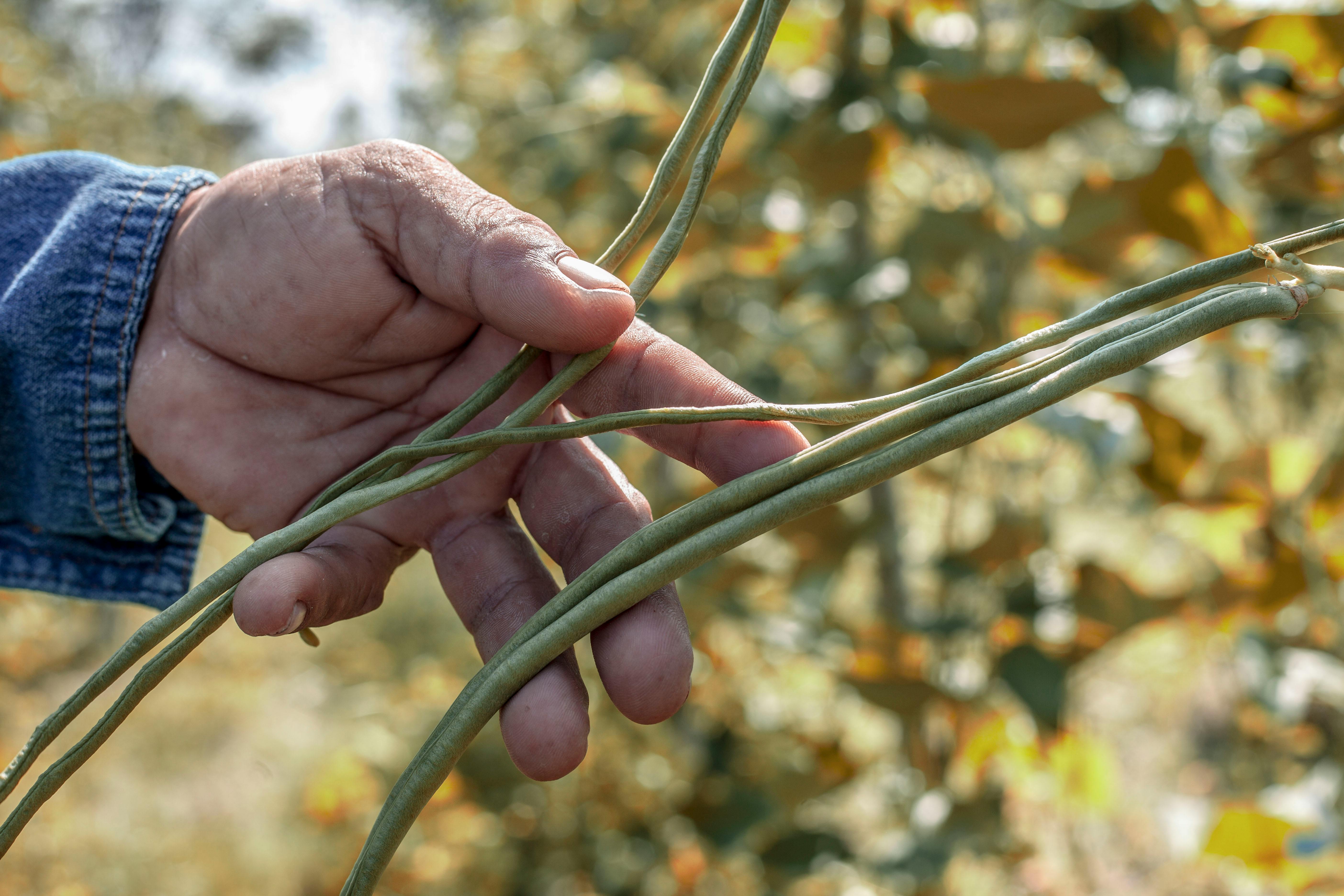
Cowpea is a versatile crop, providing both fresh green pods for vegetable consumption and dry grains. For optimal benefits in an intercropping system, particularly in the context of nitrogen fixation and sustained yield, the KALRO 2025-2026 trials strongly advocate for harvesting green cowpea pods first. This practice, known as 'ratooning' or sequential harvesting, encourages the cowpea plant to produce new flushes of flowers and pods, extending its productive life. This means more nitrogen fixed into the soil over a longer period and a continuous supply of fresh vegetables for the farmer, contributing to both food security and farm income.
By integrating these key strategies, Kenyan farmers can unlock the full potential of cowpea intercropping. Explore sustainable organic farming solutions with Biofarm Kenya to learn more about integrated farming techniques and access valuable resources for your farm.
Case Studies, Examples, or Comparisons
Across Kenya, innovative farmers are already demonstrating the significant benefits of modern intercropping. In Western Kenya, for instance, farmer cooperatives working with agricultural extension services have reported notable increases in maize yields and reduced instances of fall armyworm infestations when adopting optimized maize-cowpea intercropping. These results align with broader studies indicating that intercropping enhances biodiversity, attracting beneficial insects that act as natural predators for common pests, thereby reducing the need for chemical pesticides.
A notable example comes from the 'Sustainable Agriculture Land Management Project' supported by the World Bank. Farmers trained under this initiative, particularly women, have successfully tripled their maize yields within three years by implementing various sustainable land management practices, including improved intercropping. These projects highlight how proper training and access to knowledge can transform smallholder farming into highly productive and environmentally sound enterprises.
Comparing modern cowpea intercropping with traditional maize-legume rotations reveals distinct advantages. While rotations contribute to soil health over time, intercropping offers immediate benefits by maximizing land use efficiency, reducing pest pressure through companion planting effects, and continuously supplying nitrogen throughout the growing season. The 75cm spacing with cowpea, specifically, allows for a higher plant population density per unit area, translating to more biomass and increased overall output. These combined benefits showcase intercropping as a superior, multi-faceted strategy for enhancing farm resilience and productivity in Kenya. For more detailed insights into local success stories and agricultural innovations, refer to reports from organizations like FAO Kenya, which frequently document impactful projects.
Common Mistakes to Avoid
Even with the best intentions, farmers can sometimes fall into traps that hinder the success of their intercropping efforts. Being aware of these common mistakes and knowing how to correct them is crucial for maximizing yields and maintaining soil health.
Expert Tips or Best Practices
To truly excel with modern cowpea intercropping, incorporate these expert tips and best practices tailored for the Kenyan context:
By implementing these tips, you can foster a thriving, productive intercropping system that consistently delivers higher yields and healthier crops. Remember, Explore sustainable organic farming solutions with Biofarm Kenya for more localized advice and resources.
Future Trends or Predictions
The future of agriculture in Kenya, particularly for smallholder farmers, is bright with technological advancements and innovative practices. Modern cowpea intercropping is just one piece of a larger puzzle that includes several exciting trends:
These trends, combined with sustainable practices like modern cowpea intercropping, are setting the stage for a highly efficient, resilient, and environmentally friendly agricultural future for Kenya.
Conclusion
The journey towards enhanced food security and sustainable agricultural prosperity in Kenya hinges on embracing innovative, evidence-based farming methods. Modern cowpea intercropping offers a powerful solution, moving beyond conventional rotations to provide superior nitrogen fixation, effective pest control, and ultimately, higher yields for diligent farmers. By precisely implementing the techniques of 75cm spacing, targeted phosphorus application, and early green pod harvesting, farmers can dramatically transform their maize and cowpea cultivation. The promise of the KALRO 2025-2026 trial data underscores the scientific backing for these practices, confirming that farming smarter is indeed farming better.
As we've explored, tools and knowledge are readily available to empower this transition. From understanding your soil's intricate needs to adopting efficient irrigation and natural pest management, every step contributes to a healthier farm ecosystem and a more prosperous livelihood. We encourage every Kenyan farmer to consider these modern approaches, not just for immediate gains, but for the long-term resilience and sustainability of their land.
Discover trusted organic farming tools on Amazon and learn more about sustainable solutions with Biofarm Kenya. Your farm's future is ripe for innovation!
FAQs
What is the primary benefit of modern cowpea intercropping over traditional maize-legume rotation?
Modern cowpea intercropping, particularly with optimized spacing and nutrient management, offers superior immediate and sustained benefits in nitrogen fixation and pest control compared to traditional rotations. It maximizes land use efficiency by growing two crops simultaneously, providing continuous nitrogen supply and enhanced pest deterrence throughout the growing season. For more insights on soil nutrient management, refer to this FAO resource on sustainable land management.
How does 75cm spacing for maize rows benefit cowpea intercropping?
The 75cm spacing allows for optimal light penetration to the cowpea plants growing between maize rows, a significant improvement over traditional 90cm spacing that can overly shade cowpeas. This enhanced light access supports vigorous cowpea growth and its nitrogen-fixing activity, while still providing adequate space for maize, leading to better overall yields for both crops. Learn more about crop spacing from Biofarm Kenya's Crop Spacing Guide.
Why is applying phosphorus-rich manure only to maize rows crucial in this system?
Targeted application of phosphorus to maize rows prevents nutrient competition. Maize has a higher phosphorus requirement, and by providing it directly, you ensure maize thrives without over-fertilizing cowpea. Excessive phosphorus can sometimes inhibit cowpea's natural nitrogen-fixing capabilities. This strategy ensures both crops get what they need for optimal growth. Consult the KALRO Soil and Water Management research for more information on nutrient dynamics.
What are the benefits of harvesting green cowpea pods first?
Harvesting green cowpea pods first stimulates the plant to produce new flushes of flowers and pods, extending its productive life. This practice, supported by KALRO trials, leads to higher overall pod yields and a prolonged period of nitrogen fixation in the soil. It also provides a continuous supply of fresh vegetables, enhancing food security and farmer income. Discover more about post-harvest practices from the Ministry of Agriculture, Livestock, Fisheries and Cooperatives.
Can this modern cowpea intercropping technique help with pest control?
Yes, intercropping maize with cowpea can significantly aid in natural pest control. The diverse canopy created by intercropping can confuse pests, making it harder for them to locate their host plants. It also attracts beneficial insects (natural predators) to the farm. This reduces reliance on chemical pesticides, fostering a healthier, more sustainable ecosystem. Explore Integrated Pest Management strategies with Biofarm Kenya's IPM guide.
Where can I find more resources and support for adopting sustainable farming practices in Kenya?
Biofarm Kenya is dedicated to supporting farmers in adopting sustainable organic farming practices. You can find comprehensive resources, expert advice, and information on partner programs by visiting Explore sustainable organic farming solutions with Biofarm Kenya. Additionally, organizations like KALRO and FAO provide valuable research and extension services. For soil health tips, check out Biofarm Kenya's Guide to Soil Health. For water conservation, read Water Conservation Techniques for Kenyan Farms. For making your own organic fertilizers, refer to Making Your Own Organic Fertilizers: A Biofarm Kenya Tutorial. And for inspiring stories, visit Kenyan Farmer Success Stories with Biofarm Kenya.


0 Comments