

Estimated Reading Time: 15 minutes
Introduction: The Green Gold Paradox
In the vibrant landscapes of Kenya, a silent struggle unfolds beneath the lush canopy of avocado trees. As global demand for the creamy, nutrient-rich fruit skyrockets, Kenya has emerged as a powerhouse in the international avocado market, celebrated for its high-quality Hass variety. However, this boom casts a long shadow over the lives of the very individuals who cultivate this 'green gold': the smallholder farmers. While the nation’s avocado exports surge, reaching lucrative markets across Europe and Asia, many local farmers find themselves trapped in a cycle of exploitation and deepening poverty. Kenya's avocado exports boom, but small farmers face exploitation and poverty. Uncover how cartels and climate change push local food insecurity. This article delves into the complex web of challenges, from predatory cartels and exploitative middlemen to the relentless march of climate change, that threaten the livelihoods of these farmers and the food security of their communities. We aim to unmask the hidden realities behind Kenya's avocado success story and explore pathways toward a more equitable and sustainable future for its agricultural heartland.
Background & Context: Kenya's Avocado Ascendancy
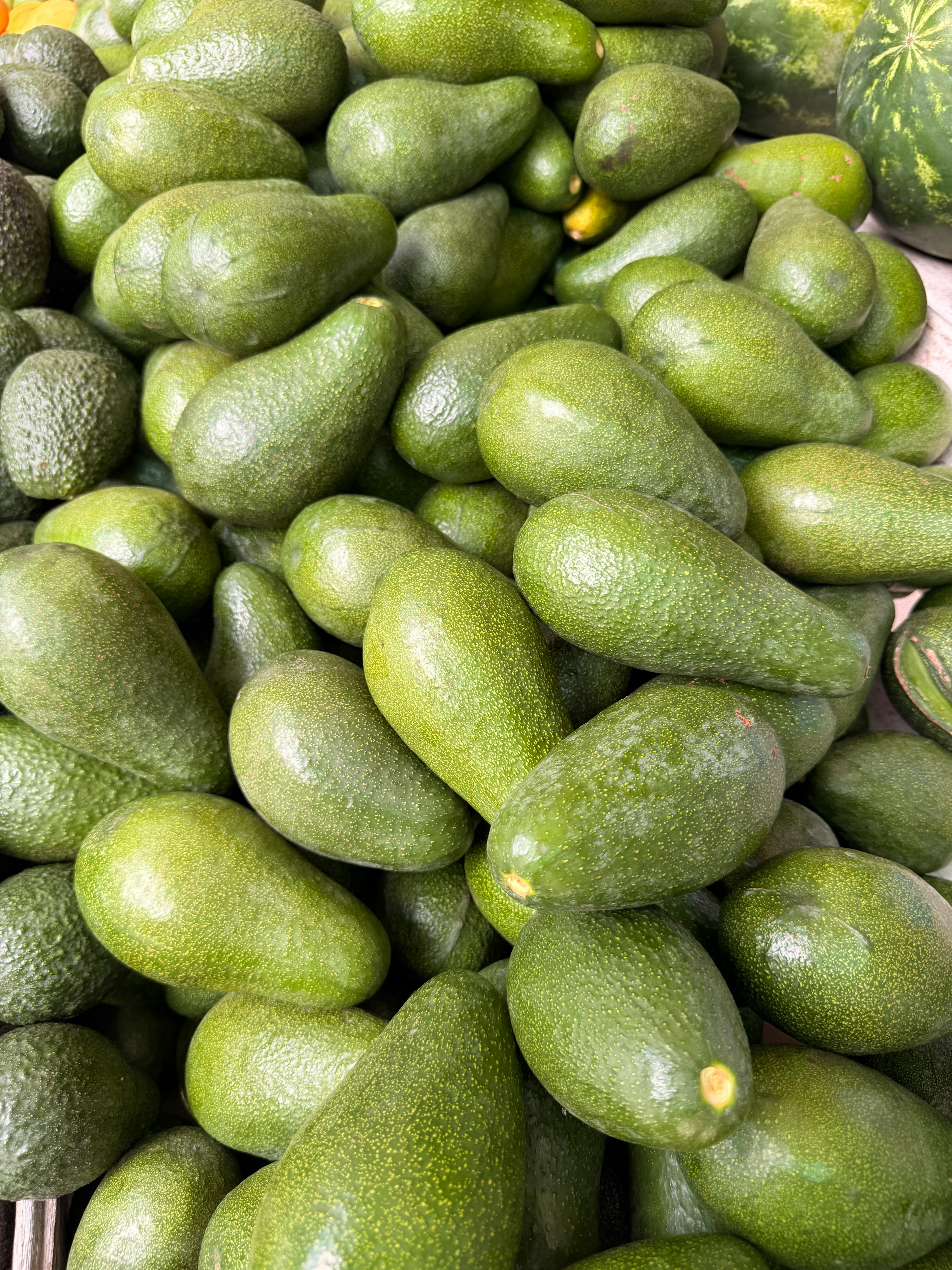
Kenya stands as a formidable player in the global avocado arena, ranking among the top producers worldwide and leading Africa in avocado exports by volume. This impressive growth is largely fueled by the country's ideal climatic conditions, fertile soils, and the dedicated efforts of millions of smallholder farmers. Agriculture forms the backbone of Kenya's economy, contributing approximately 33% of its Gross Domestic Product (GDP) and employing over 40% of its total population, with avocado increasingly becoming a significant cash crop within this vital sector (IFPRI). The fruit has become Kenya's leading horticultural export, accounting for nearly one-fifth of its total earnings from the sector. However, behind these impressive figures lies a stark contrast: despite the national prosperity generated by avocado exports, roughly 70% of the avocado production comes from small-scale growers who often struggle to reap the full benefits of this lucrative trade (Rockefeller Foundation). This disparity highlights a fundamental flaw in the value chain, where the benefits disproportionately favor large-scale exporters and powerful intermediaries, leaving the primary producers vulnerable to economic hardship and systemic exploitation.
Key Insights or Strategies: Unpacking the Crisis
The Grip of the Middlemen and Cartels
The most pervasive challenge faced by Kenyan avocado farmers is the insidious exploitation by a network of ruthless middlemen and organized cartels. These intermediaries capitalize on farmers' limited access to market information, transport, and bargaining power, purchasing avocados at laughably low prices before selling them at significant mark-ups to processors and exporters (WeEffect Global). Farmers, often desperate for quick cash, are left with meager returns that barely cover their production costs, let alone provide a sustainable income. Reports indicate that these cartels, having infiltrated traditional cash crop sectors, are now firmly entrenched in the avocado trade, dictating terms and suppressing farmer profits (Nation.Africa). This systemic exploitation fuels a cycle of poverty, denying farmers the opportunity to invest in their farms or improve their living standards.
Climate Change's Shadow over Avocado Yields
Beyond economic exploitation, Kenya's avocado farmers are on the front lines of climate change. The changing weather patterns, characterized by increasingly unpredictable rainfall, prolonged droughts, and erratic temperatures, directly impact agricultural productivity. Avocados, while resilient, require consistent water supply, and these climatic shifts lead to reduced yields, smaller fruit sizes, and increased vulnerability to pests and diseases. Research underscores that while soils may remain suitable, climate change is likely to adversely affect avocado production, especially as rainfall becomes scarce and unpredictable (Mwangi, 2024). For smallholder farmers, who often lack irrigation infrastructure or access to advanced climate-resilient farming techniques, these environmental challenges represent a direct threat to their entire livelihood, pushing them further into economic precarity.
Food Security vs. Cash Crop: A Precarious Balance
The intense focus on avocado as a high-value export crop has, in some regions, led to a shift away from cultivating traditional staple food crops. While the allure of higher potential earnings from avocados is understandable, this monoculture approach can inadvertently undermine local food security. Land previously used for maize, beans, or millet is converted to avocado orchards, potentially reducing the availability and increasing the cost of locally produced food. Furthermore, avocado monocultures can deplete soil nutrition and increase susceptibility to pests, impacting the long-term sustainability of the land (reNature). While some studies suggest that participation in export-oriented avocado farming can improve household food security due to increased income (AJERNET), this benefit is often contingent on fair market access and robust support systems, which are frequently absent for the majority of smallholders.
Actionable Steps for a Resilient Future:
By implementing these strategies, we can begin to dismantle the systems of exploitation and build a more resilient and equitable avocado sector in Kenya.
For those interested in supporting broader initiatives for sustainable living and ethical sourcing, we encourage you to Explore sustainable living solutions with Eco-Oasis Firm.
Case Studies, Examples, or Comparisons: Pathways to Progress
While the challenges are significant, there are inspiring efforts underway to counteract the exploitation and promote sustainability within Kenya's avocado sector. One notable example is the proactive stance taken by Murang'a County. Recognising the severe impact of middlemen and cartels, the county government has been at the forefront of formulating legislation designed to regulate the avocado sector and protect its growers. This bill aims to lock out exploitative intermediaries, streamline the value chain, and ensure that farmers receive a fair share of the profits. Such legislative interventions are critical in creating an enabling environment for smallholder farmers to thrive (FreshPlaza).
Furthermore, various farmer groups are embracing community-led initiatives to tackle exploitation. By forming cooperatives and self-help groups, farmers are able to pool their produce, collectively negotiate with buyers, and even explore direct export opportunities, thereby bypassing predatory middlemen. These grassroots movements are demonstrating the power of collective bargaining and shared resources in enhancing market access and securing better prices (KTN News Kenya). For instance, some groups are successfully implementing Integrated Pest Management (IPM) strategies, moving away from conventional chemical pesticides towards more environmentally friendly biopesticides, as advocated by organizations supporting sustainable agriculture (Kangafruits). These efforts not only lead to healthier crops and ecosystems but also enhance the marketability of their produce to conscious international buyers.
In contrast, the larger commercial farms often have established contracts and sophisticated logistics, allowing them to participate directly in export markets and benefit significantly from the avocado boom. A study on smallholder participation in export markets showed that such engagement has positive impacts on incomes, revenues, and sales prices, underscoring the importance of inclusive market integration for all farmers (ScienceDirect). However, it's estimated that a staggering 70% of Kenya's avocado production still relies on these vulnerable small-scale growers, highlighting the urgent need to bridge the gap between their output and equitable market access. These comparisons underscore that while prosperity is possible in the avocado sector, it requires deliberate structural changes and support for the smaller players.
Common Mistakes to Avoid
For Kenyan avocado farmers navigating the competitive and often treacherous landscape of the global market, several common pitfalls can exacerbate their vulnerability. Avoiding these mistakes is crucial for building resilience and ensuring long-term sustainability:
Expert Tips or Best Practices: Cultivating Resilience
Cultivating a thriving and equitable avocado farm in Kenya requires more than just good agricultural practices; it demands strategic thinking and a commitment to sustainability. Here are expert tips and best practices for smallholder farmers aiming to unmask their potential and secure a fairer future:
By adopting these expert tips, Kenyan avocado farmers can build stronger, more resilient farms and communities, reclaiming their fair share of the 'green gold' prosperity. To discover more innovative solutions for sustainable agriculture and community empowerment, we invite you to Explore sustainable living solutions with Eco-Oasis Firm.
Future Trends or Predictions: A Sustainable Horizon?
The future of Kenya's avocado sector, while currently fraught with challenges, holds considerable potential for positive transformation driven by evolving global demands and local innovations. One significant trend is the increasing consumer and retailer demand for ethically and sustainably sourced avocados. International markets are becoming more discerning, requiring certifications that ensure fair labor practices, environmental stewardship, and traceability. This trend will likely push for greater transparency and accountability across the supply chain, forcing exporters and intermediaries to adopt fairer practices to remain competitive.
Domestically, we anticipate a surge in legislative efforts and policy reforms aimed at protecting smallholder farmers. The pioneering bill in Murang'a County to combat cartels and brokers is a strong indicator of this growing political will. More counties and potentially the national government may follow suit, implementing stricter regulations on contracts, pricing, and market access, thereby leveling the playing field for growers. The strengthening of farmer cooperatives and producer organizations will also continue, as these entities prove to be effective in empowering farmers and securing better market terms.
Technological advancements are also set to play a crucial role. Digital platforms that provide real-time market information, connect farmers directly to buyers, and offer financial services will become more prevalent, reducing farmers' reliance on exploitative middlemen. Furthermore, innovations in climate-smart agriculture, including advanced weather forecasting, precision irrigation, and the development of drought- and disease-resistant avocado varieties, will be vital in helping farmers adapt to the adverse effects of climate change. The shift towards regenerative agroforestry practices, which enhance biodiversity and soil health, will gain momentum as farmers recognize its long-term environmental and economic benefits. These combined trends point towards a future where Kenya's avocado industry could indeed become a beacon of sustainable and equitable trade, provided these transformative efforts are sustained and scaled.
Conclusion: A Call to Action for Equitable Avocado Trade
The narrative of Kenya's avocado boom is undeniably a double-edged sword. While it positions the nation as a significant player in global trade, it simultaneously exposes the deep vulnerabilities of its smallholder farmers to exploitation by cartels and the relentless pressures of climate change. Kenya's avocado exports boom, but small farmers face exploitation and poverty. Uncover how cartels and climate change push local food insecurity. This crisis not only undermines the livelihoods of countless families but also poses a direct threat to the country's broader food security and environmental sustainability. Addressing this complex challenge requires a concerted, multi-faceted approach involving legislative action, community empowerment, sustainable agricultural practices, and conscious consumer choices.
It is imperative that governments, industry stakeholders, and consumers unite to dismantle the structures of exploitation and champion fair trade. By supporting farmer cooperatives, advocating for stringent regulations against cartels, investing in climate-resilient farming techniques, and promoting diverse agricultural systems, we can ensure that the prosperity generated by 'green gold' truly benefits those who cultivate it. The future of Kenya's avocado sector hinges on our collective commitment to justice and sustainability, transforming a paradox of plenty into a genuine opportunity for equitable growth. Let us collectively strive to ensure that every avocado consumed contributes to a fairer world, empowering farmers and safeguarding our planet.
To join the movement for sustainable solutions and support ethical sourcing, we urge you to Explore sustainable living solutions with Eco-Oasis Firm.


0 Comments