

Estimated Reading Time: 12 minutes
TL;DR: In Kenya's evolving agricultural landscape, the Most Profitable Farming Ideas in 2026 focus on sustainable, high-value crops and innovative methods such as vertical farming and microgreens cultivation. Organic practices enhance soil fertility and crop quality, while technologies like drip irrigation improve efficiency. Farmers should avoid common soil and water management mistakes, embrace expert tips involving quality inputs, and explore future trends including smart irrigation and AI monitoring. Trusted organic farming tools available on Amazon and sustainable solutions through Biofarm Kenya help farmers maximize profitability sustainably.
Table of Contents
Introduction
Kenya’s agricultural sector continues to be a vital component of its economy, supporting livelihoods and ensuring food security for millions. As the country moves towards 2026, embracing sustainable and profitable farming methods is critical. The Most Profitable Farming Ideas in 2026 entail a blend of traditional practices with modern innovations emphasizing organic and eco-friendly techniques to increase yield and profitability. This article explores top ideas such as vertical farming, microgreens cultivation, and high-value crop farming tailored for Kenyan farmers and agribusiness enthusiasts.
Background & Context

Kenya’s organic farming sector has witnessed significant growth, driven by rising consumer demand for healthy, pesticide-free produce. The Kenya Organic Agriculture Network (KOAN) and government initiatives have helped increase organic land area by over 6% annually, contributing to improved soil fertility and biodiversity conservation. According to the Ministry of Agriculture, agribusiness in Kenya contributes approximately 33% to national GDP, with sustainable farming practices playing a pivotal role in enhancing productivity and export potential.
The need to improve soil health and reduce reliance on synthetic fertilizers aligns with global sustainability goals. Hence, exploring profitable farming ideas that incorporate organic inputs and efficient water use systems is essential for Kenyan farmers aiming for long-term resilience and income diversity.
Key Insights or Strategies
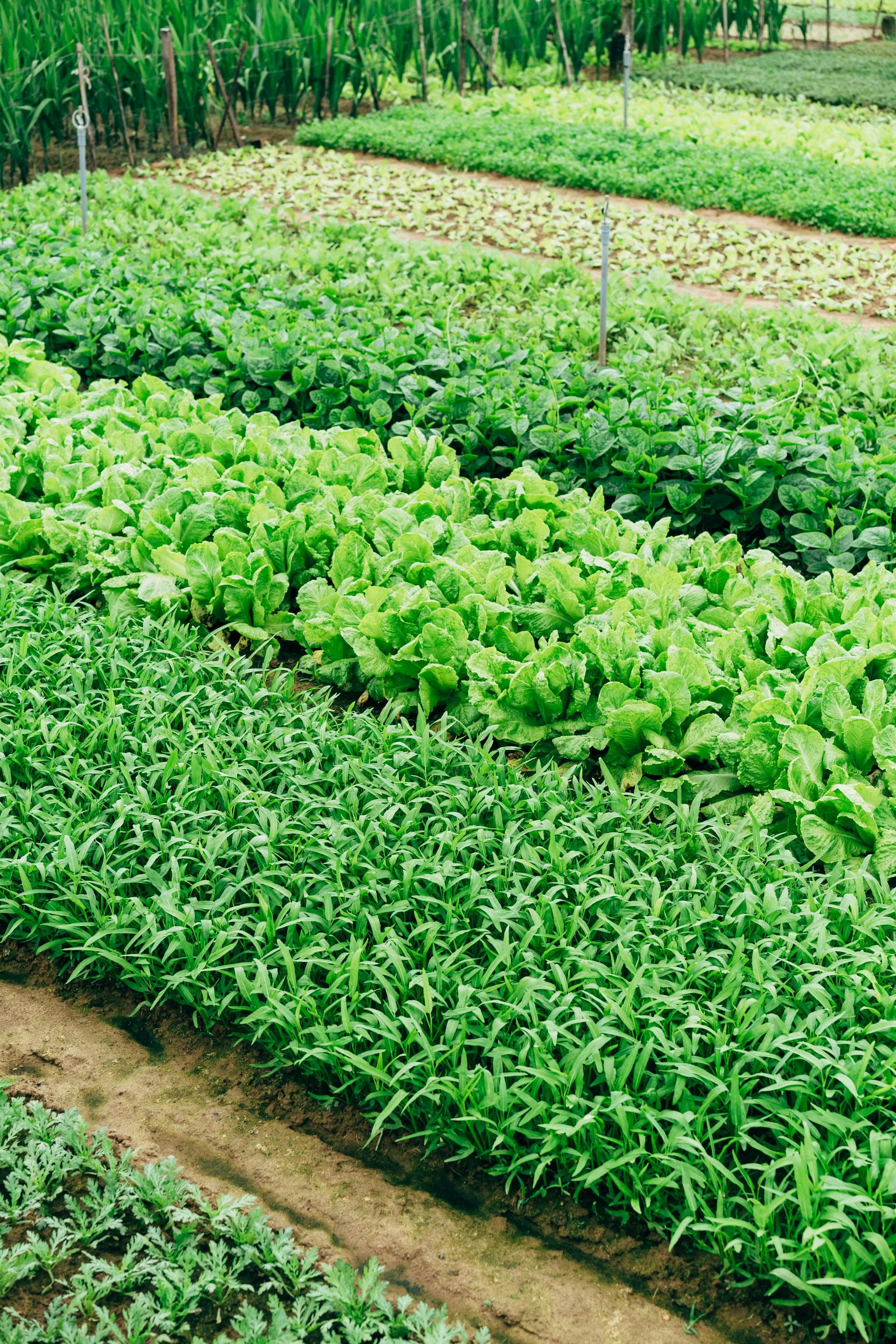
1. Embrace Vertical Farming for Space and Yield Efficiency
Vertical farming allows cultivation of various crops like microgreens, herbs, and leafy greens in stacked layers, ideal for limited land spaces in urban and peri-urban Kenya.
Boost your yields with the 230FT Quick-Connect Drip Irrigation System Kit – available on Amazon to automate water delivery in vertical farms, saving water and labor time efficiently.
Explore sustainable organic farming solutions with Biofarm Kenya for expert advice and quality inputs.
2. Cultivate High-Value Organic Crops like Dragon Fruit and Avocado
Kenya’s climate suits valuable crops such as dragon fruit and Hass avocado, which promise high returns in local and export markets.
Maintain healthy soil with the Drammatic® Organic Original Fertilizer 2-4-1 – available on Amazon, a natural blend that helps improve root zones and leaf vitality.
3. Optimize Soil Quality Through Regular Testing and Amendments
Healthy soils underpin profitable farming. Conducting regular soil tests informs nutrient management and avoids costly input mistakes.
A recommended tool is the Yard Mastery Soil Test Kit 4-in-1 – available on Amazon, offering precise garden soil analysis for better crop planning.
Case Studies, Examples, or Comparisons
Several Kenyan farmers have successfully adopted vertical farming and organic crop production. For instance, a Nairobi-based urban farmer saw a 40% profit increase by cultivating microgreens using vertical hydroponics. Similarly, avocado growers in Murang’a County boosted profitability by switching to organic fertilization and drip irrigation, as reported by the Kenya Agricultural and Livestock Research Organization (KALRO).
The Food and Agriculture Organization (FAO) notes that eco-agricultural innovations in Kenya can improve productivity by over 30% while reducing environmental impact, making these profitable practices also sustainable.
Common Mistakes to Avoid
Expert Tips or Best Practices
Experts recommend rotating crops annually to enhance soil nutrients and reduce pest buildup. Incorporating leguminous cover crops such as cowpeas fixes nitrogen naturally.
Use well-composted organic matter prepared from farm waste to enrich soil while reducing dependence on chemical inputs. For composting, the VermiHut 5-Tray Worm Compost Bin – available on Amazon is a practical choice for small to medium-scale farmers.
Explore sustainable organic farming solutions with Biofarm Kenya to access training and quality organic inputs for optimal results.
Future Trends or Predictions
Looking ahead, Kenyan farmers are embracing technological advancements to improve efficiency and profitability. Smart irrigation systems powered by sensors optimize water use reducing waste. Vertical farming and controlled environment agriculture expand opportunities to grow diverse crops year-round.
The integration of AI and drone technology for crop monitoring promises real-time insight into plant health, pest outbreaks, and nutrient deficiencies, enabling proactive management and increased yields.
Conclusion
The Most Profitable Farming Ideas in 2026 highlight a synergy of organic practices, modern technology, and innovative crop choices tailored for Kenya’s unique conditions. Farmers adopting vertical farming, cultivating high-value organic crops, and using precise soil and water management stand to gain the most. Utilizing quality products such as soil testing kits and organic fertilizers can significantly boost profitability and sustainability.
Discover trusted organic farming tools on Amazon and learn more about sustainable solutions with Biofarm Kenya.


0 Comments