

Estimated Reading Time: 12 minutes
Vertical Farming Revolutionizes Profitable Farming Ideas
TL;DR:
Vertical farming is transforming farming profitability and sustainability in Kenya by maximizing limited space and resources. It offers innovative solutions like hydroponics, aquaponics, and aeroponics to improve food security and resource efficiency. Kenyan farmers and urban growers are adopting vertical farming to overcome challenges of land scarcity and climate variability. Smart technology integration enhances productivity while reducing water use and pesticide reliance. Organic and sustainable practices combined with vertical farming provide long-term soil health and environmental preservation.
Table of Contents
- Introduction
- Background & Context
- Key Insights or Strategies
- Case Studies, Examples, or Comparisons
- Common Mistakes to Avoid
- Expert Tips or Best Practices
- Future Trends or Predictions
- Conclusion
- FAQs
Introduction
Kenya's agricultural sector is undergoing a remarkable shift with the rise of sustainable, space-efficient farming methods. Vertical farming revolutionizes profitable farming ideas by enabling farmers, especially in urban areas, to grow produce in stacked layers, thereby optimizing limited land resources. This innovative approach leverages technology such as hydroponics, aeroponics, and aquaponics, making farming more resilient to climate impacts and resource constraints. The vertical farming revolution supports Kenya’s drive towards achieving food security, creating employment, and encouraging environmentally conscious agribusiness growth.
Background & Context
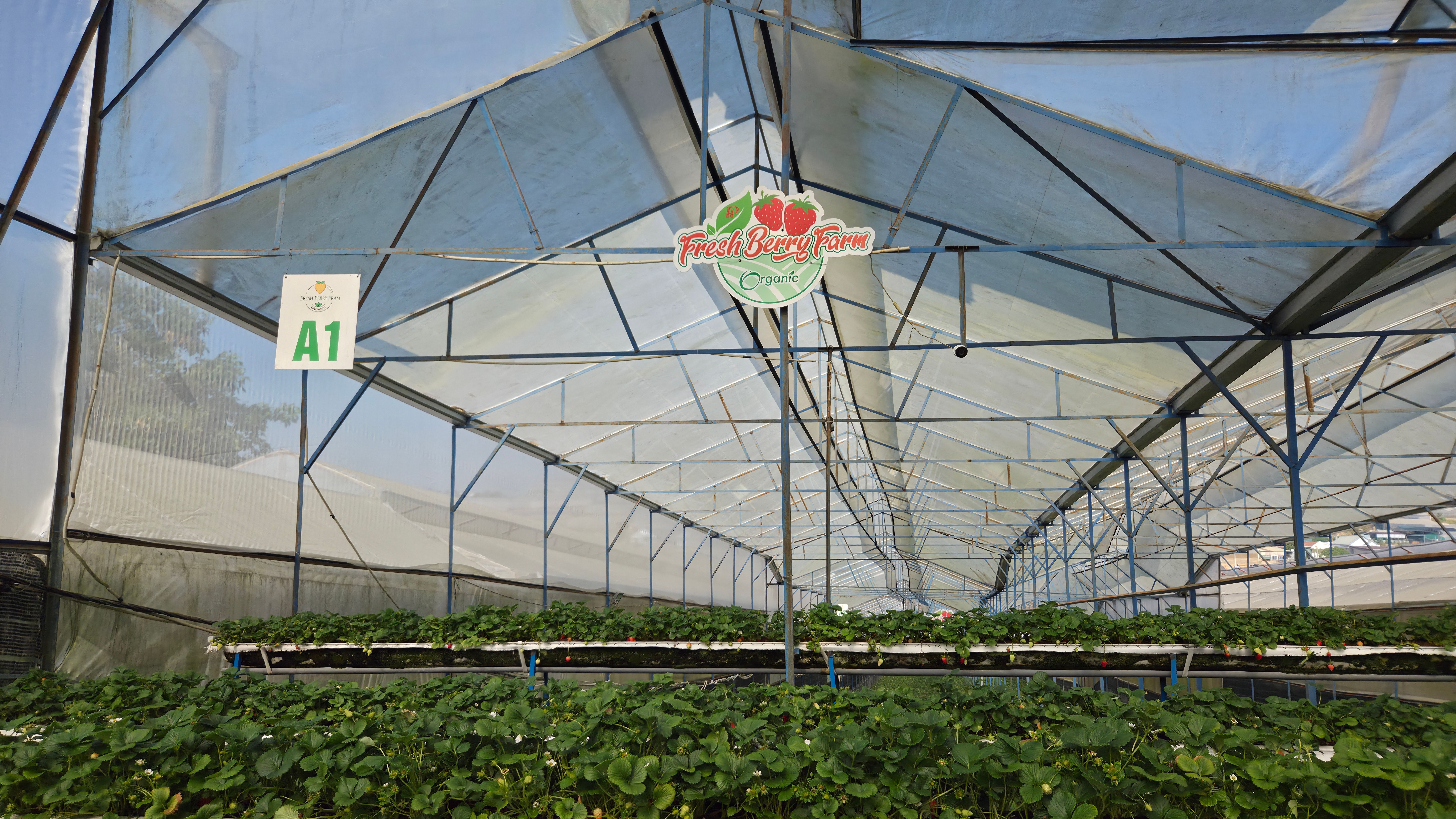
Kenya's agribusiness sector is a vital component of the national economy, employing over 40% of the workforce and contributing approximately 33% of GDP. However, challenges such as land scarcity, soil degradation, erratic rainfall, and urbanization threaten traditional farming models. Organic farming adoption has grown steadily, improving soil fertility through natural inputs and nurturing biodiversity. In parallel, vertical farming emerges as a solution to urban food deserts and limited arable land by growing crops in vertically stacked layers within controlled environments.
Statistics show vertical farms in Kenya can use up to 90% less water than conventional methods and reduce the need for harmful pesticides, directly benefiting soil health and ecosystems. This farming method supports sustainable agriculture goals, aligns with Kenya’s Vision 2030, and taps into the increasing demand for fresh, locally grown organic produce.
Key Insights or Strategies
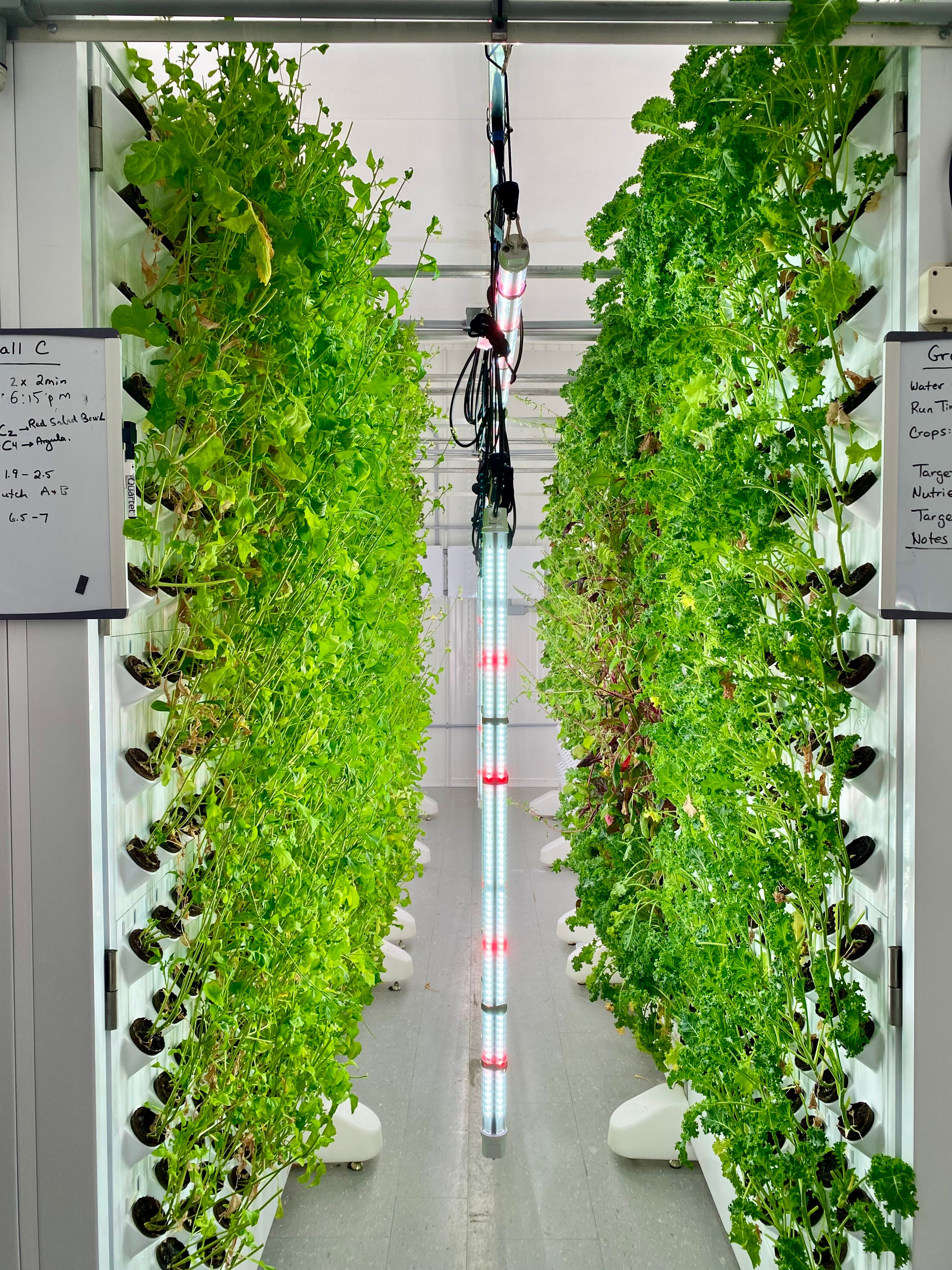
Insight 1: Optimize Water Use with Efficient Systems
Water scarcity is a pressing issue in Kenya's agriculture. Vertical farming’s closed-loop systems such as hydroponics and aquaponics recycle water efficiently.
- Implement drip irrigation or nutrient film technique (NFT) systems to reduce water wastage.
- Use rainwater harvesting to supplement irrigation needs.
- Regularly monitor water quality for optimal crop health.
Boost your yields with the Raindrip R560DP Drip Watering System – available on Amazon, an efficient kit to conserve water and deliver it directly to plant roots.
Insight 2: Enhance Soil Fertility and Crop Nutrition Organically
Using organic fertilizers and soil amendments ensures long-term soil health and higher quality produce in vertical farming beds.
- Incorporate compost, manure, and biofertilizers into growth mediums.
- Conduct soil tests regularly to identify nutrient deficiencies and pH imbalances.
- Rotate crops even within the vertical system to prevent depletion.
Consider the Drammatic® Organic™ Original Fertilizer 2-4-1 to sustainably boost plant growth with all-natural nutrients.
Explore sustainable organic farming solutions with Biofarm Kenya
Case Studies, Examples, or Comparisons
Kenyan urban farmers have successfully implemented vertical farming in Nairobi’s slums, notably in Kibera and Mathare, where traditional farming is impossible. Techniques like sack gardening have empowered residents to produce vegetables and herbs year-round, improving nutrition and income. The Food and Agriculture Organization (FAO) acknowledges vertical farming as a resilient urban agriculture strategy suitable for densely populated areas.
Innovations linking fish farming with vertical horticulture, such as aquaponics, demonstrate integrated resource use; fish waste supplies nutrients for plants, and plants help purify water. Such smart horticulture is gaining interest in Kenya's agritech sector, enhancing food production efficiency and sustainability.
Common Mistakes to Avoid
- Inadequate Water Management: Overwatering or poor drainage can cause root diseases; always monitor water flow and use efficient drip systems.
- Neglecting Soil Quality: Using non-organic or synthetic fertilizers in a vertical system can harm the structure and beneficial microbes.
- Ignoring Pest and Disease Prevention: Even in controlled environments, pests can appear; rely on organic pest controls and maintain hygiene.
- Poor Crop Selection: Choosing unsuitable plants for vertical systems leads to low yields; grow crops suited for high-density, controlled environments like leafy greens and herbs.
Expert Tips or Best Practices
For sustainable vertical farming, maintain a healthy growing medium rich in organic matter. Regularly assess and amend the soil or substrate to support plant roots effectively. Implement crop monitoring technologies where feasible to detect stress early and optimize inputs.
Using soil testing kits aids precision agriculture practices. The Rapitest Soil Test Kit quickly measures soil pH and nutrient levels suitable for gardens and vertical farms.
For smallholder farmers interested in greenhouse-supported vertical systems, investing in reliable greenhouse kits can extend growing seasons. Look at portable options with durable frames and UV-resistant covers.
Explore sustainable organic farming solutions with Biofarm Kenya
Future Trends or Predictions
The future of vertical farming in Kenya will likely involve increased use of smart technology such as AI-driven crop monitoring, precision irrigation systems, and climate-controlled environments. Integration with renewable energy sources will reduce operational costs. Enhanced automation and sensor technology will allow for optimized resource use and reduce labor intensity.
There is growing interest in combining vertical farming with aquaponics and even urban fish farming, creating closed-loop systems that maximize productivity and minimize waste. These innovations align with global sustainability goals and offer scalable solutions for Kenya’s growing urban populations.
Conclusion
Vertical farming is revolutionizing the way Kenyan farmers and urban growers approach profitable and sustainable farming. By optimizing space, conserving water, and embracing organic practices, vertical farming aligns with Kenya’s development goals and pushes the agribusiness sector forward. Adaptability and smart technology adoption are key to success.
Discover trusted organic farming tools on Amazon and learn more about sustainable solutions with Biofarm Kenya.
FAQs
Vertical farming is the practice of growing crops in vertically stacked layers or structures, often indoors or in controlled environments. It utilizes technologies like hydroponics and aeroponics to grow plants without soil, using nutrient solutions. For detailed insights, visit FAO Urban Agriculture.
Yes, vertical farming can be scaled to smallholder farms and urban gardens. It maximizes space and reduces resource use, making it ideal for farmers with limited land. Learn more from Biofarm Kenya partners.
Leafy greens like lettuce, kale, herbs, and strawberries are well-suited for vertical farming due to their fast growth and light structure. Research by the Ministry of Agriculture Kenya highlights these crops' success in controlled environments.
Vertical farming uses up to 90% less water compared to traditional farming, thanks to recirculation and drip irrigation techniques. The Kenya Water Resources Authority outlines water-saving benefits of modern irrigation.
Yes, vertical farming typically occurs in controlled environments, reducing pest infestations and lessening the need for chemical pesticides. Organic pest control is encouraged to maintain ecosystem balance as recommended by the Kenya Organic Agriculture Network (KOAN).
Investments vary but generally include infrastructure for vertical racks, irrigation systems, lighting if indoors, and organic inputs. Affordable solutions and starter kits are available through partners like Biofarm Kenya and suppliers on Amazon.
External Authoritative Links:
- FAO - Food and Agriculture Organization
- NEMA - National Environment Management Authority Kenya
- KEBS - Kenya Bureau of Standards
- Kenya Ministry of Agriculture
- Kenya Water Resources Authority
- Kenya Organic Agriculture Network
Internal Biofarm Kenya Links:


0 Comments