

Estimated Reading Time: 11 minutes
TL;DR:
- Biochar, made from agricultural waste, significantly boosts soil fertility and crop yields in Kenya.
- Producing biochar locally offers a cost-effective, sustainable alternative to synthetic fertilizers.
- Proper application, often mixed with compost, enhances soil structure, water retention, and nutrient availability.
- Kenyan farmers can increase maize yields by over 20% while reducing farming costs and environmental impact.
- Adopting biochar farming supports long-term soil health and a more resilient agricultural future for Kenya.
Key Takeaways:
- Learn to produce biochar using simple pyrolysis methods from readily available crop residues like maize stalks.
- Understand optimal biochar application rates (5-10 tons/hectare) and the benefits of mixing it with organic compost.
- Implement soil pH monitoring to prevent nutrient lock-up and ensure biochar's effectiveness.
- Discover how biochar reduces reliance on expensive inorganic fertilizers, cutting costs for smallholder farmers.
- Explore success stories and expert tips for integrating biochar into your farm for sustainable productivity.
Table of Contents
Introduction: Unlocking Soil Fertility with Biochar Farming in Kenya
Recent trends show Kenyan farmers seeking sustainable, cost-effective soil improvement methods. The journey to resilient, highly productive agriculture in Kenya often begins beneath our feet – in the soil. For years, conventional farming practices, coupled with climatic shifts, have led to declining soil fertility, making farmers increasingly dependent on costly inorganic fertilizers. This dependency strains financial resources and raises environmental concerns. However, a powerful, ancient solution is gaining renewed attention: biochar.
This guide trains farmers to produce and apply biochar—derived from agricultural waste—to boost soil fertility while reducing reliance on costly inorganic fertilizers. Biochar farming in Kenya offers a promising path for smallholder and large-scale farmers alike to cut costs and boost yields. Proven to increase maize yields by 23% in recent KARI trials (2024), biochar offers a tangible, data-backed solution. By transforming agricultural residues into a stable, carbon-rich soil amendment, farmers can revitalize their land, enhance crop productivity, and build a more sustainable future.
Background & Context: The State of Kenyan Agriculture
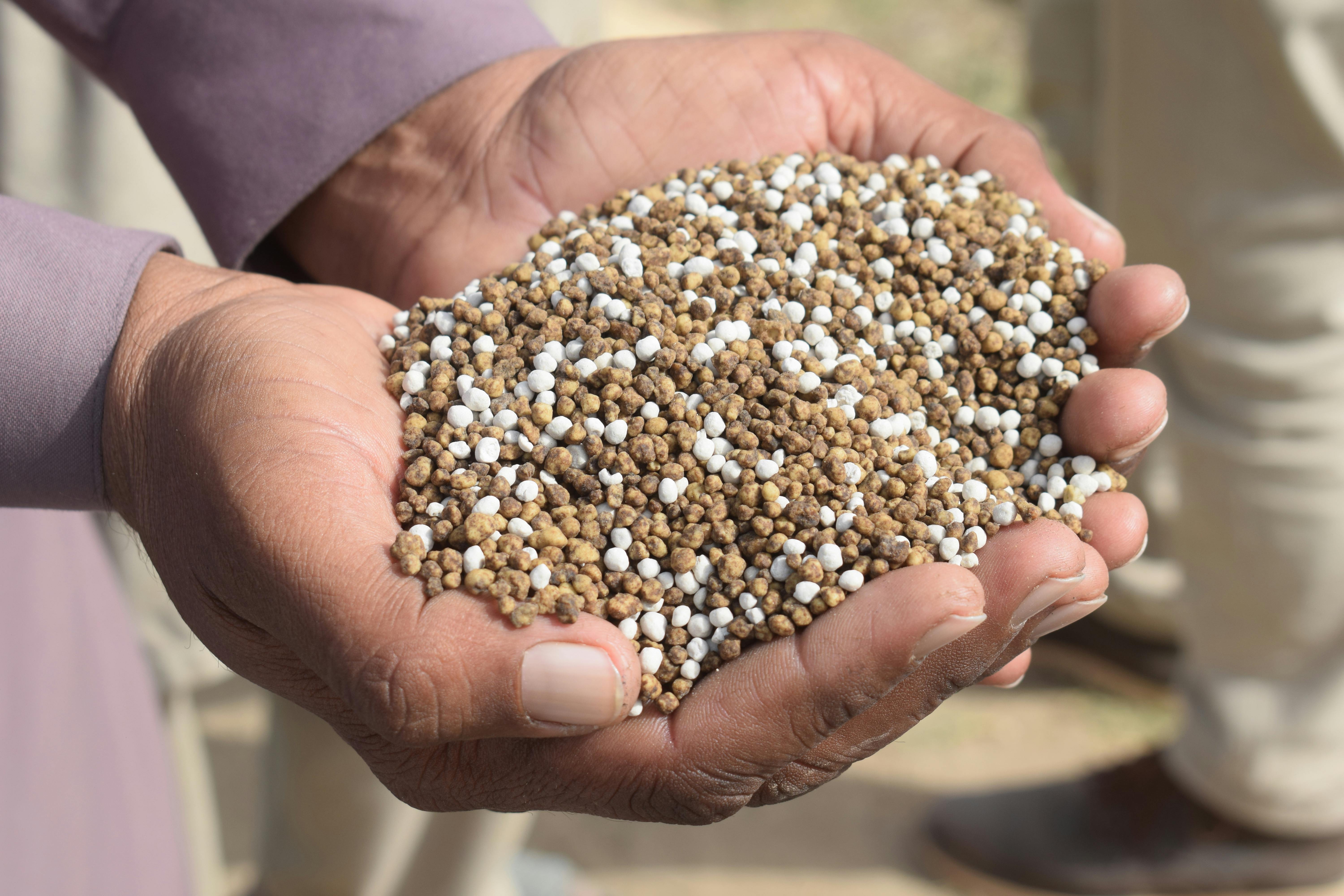
Agriculture remains the backbone of Kenya's economy, contributing significantly to the GDP and employing a large portion of the population. However, the sector faces considerable challenges, including climate change impacts, land degradation, and declining soil fertility. Many Kenyan soils are inherently low in organic matter and crucial nutrients, a problem exacerbated by continuous cultivation without adequate replenishment.
The rising cost of imported synthetic fertilizers further squeezes farmers' profit margins, pushing many to seek local, affordable alternatives. This has fueled a growing interest in organic farming and sustainable agriculture practices. Organic farming adoption in Kenya has seen steady growth, driven by consumer demand for healthier food and farmers' desire for eco-friendly methods. The need for innovative soil management techniques that are both effective and economically viable for smallholder farmers is paramount. Biochar perfectly aligns with this need, offering a pathway to not only restore soil health but also to manage agricultural waste effectively.
Key Insights & Strategies for Biochar Implementation
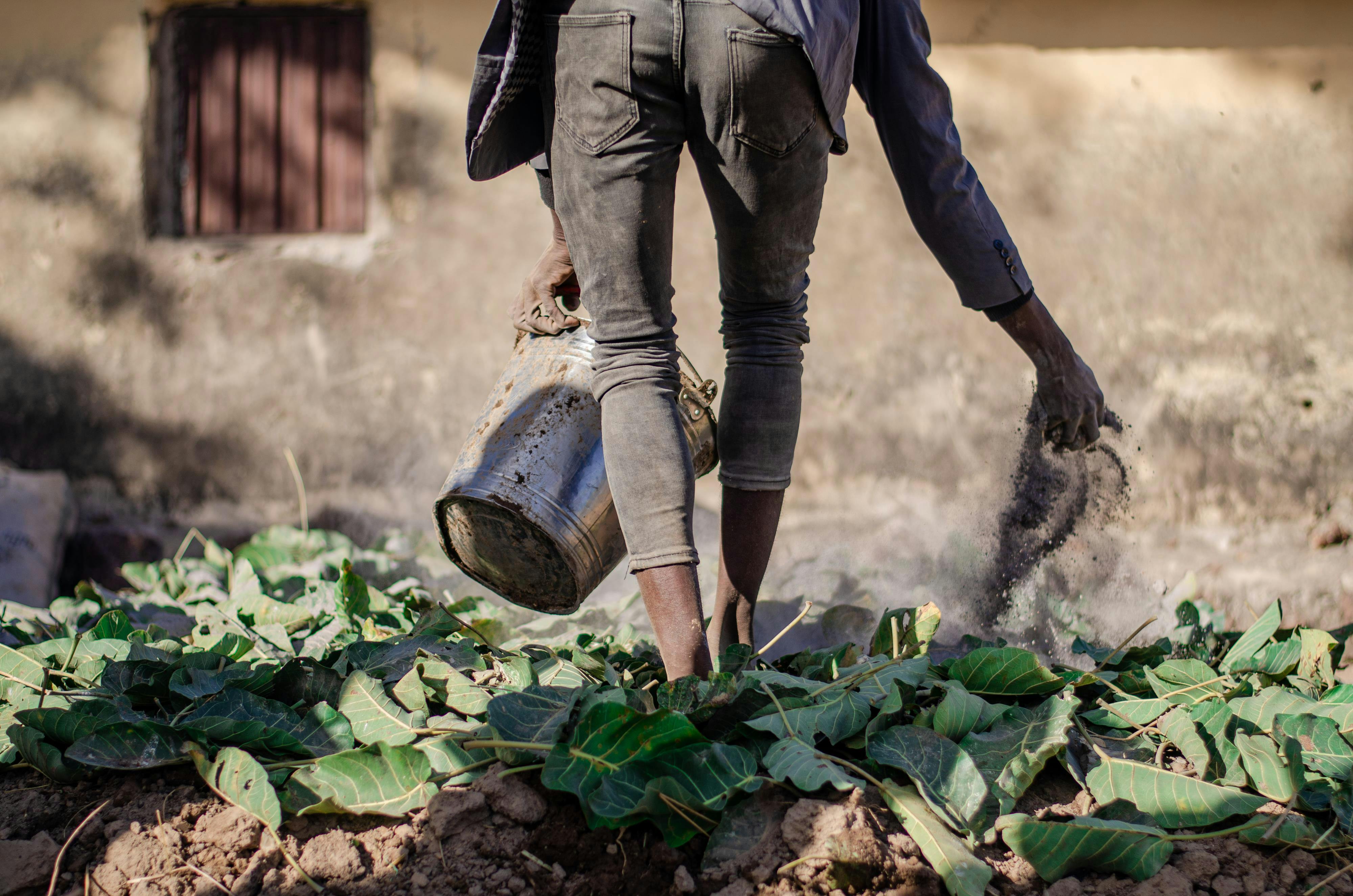
Implementing biochar into your farming practices involves several key steps, each critical for maximizing its benefits and ensuring long-term soil health. By understanding these strategies, Kenyan farmers can confidently adopt this sustainable approach.
1. Mastering Biochar Production from Agricultural Waste
The foundation of successful biochar farming is knowing how to produce it efficiently and sustainably. Biochar is created through a process called pyrolysis, where biomass (agricultural waste) is heated in a low-oxygen environment. This process transforms residues into a stable, porous, carbon-rich material rather than burning them completely.
- Identify Suitable Biomass: In Kenya, readily available feedstocks include maize stalks, coffee husks, rice husks, sugarcane bagasse, and various wood wastes. Choose materials that are dry and free from contaminants.
- Select a Pyrolysis Method: Small-scale farmers can utilize simple, low-cost kilns like the Kon-Tiki flame curtain kiln or drum kilns, which are relatively easy to construct and operate. These methods ensure efficient carbonization and minimal emissions.
- Ensure Proper Carbonization: The key is to achieve a consistent carbonization process. The resulting biochar should be dark, brittle, and have a high surface area. Incomplete pyrolysis produces char that may not be as effective.
- Quench and Store: After pyrolysis, the hot biochar must be safely quenched with water to stop the process and prevent ash formation. Store the cooled biochar in a dry place, ready for activation or application.
For farmers looking to scale up their biochar production, exploring specialized equipment can be beneficial. Consider the Retort Biochar Kiln for Backyard Garden, Small Farm Use – available on Amazon, which can streamline the pyrolysis process and increase output efficiency.
2. Optimal Biochar Application Rates and Methods
Simply adding biochar to the soil isn't enough; knowing how and how much to apply is crucial for achieving desired results. Biochar works best when integrated thoughtfully into existing soil management practices.
- Combine with Organic Matter: Biochar acts as a habitat for beneficial soil microbes. For best results, 'charge' your biochar by mixing it with compost, manure, or other organic fertilizers for several weeks before application. This inoculates the biochar with nutrients and microbial life.
- Determine Application Rates: Optimal application rates for biochar typically range from 5-10 tons per hectare, depending on soil type, crop, and existing soil fertility. Start with lower rates and observe soil and crop responses.
- Uniform Distribution: Ensure the biochar is evenly distributed across the field. It can be broadcast and then incorporated into the topsoil (e.g., during ploughing or tilling) or applied directly into planting holes for specific crops.
- Targeted Application: For high-value crops or areas with severe soil degradation, targeted application in planting rows or around individual plants can be highly effective, maximizing the impact of limited biochar supplies.
To ensure your soil is receiving the right balance of nutrients and that your biochar application is effective, a reliable soil testing kit is indispensable. The Garden Soil Test Kit - pH, NPK, Moisture, Light Tester – available on Amazon provides comprehensive data for informed decision-making.
3. Monitoring Soil pH and Nutrient Balance
While biochar is largely beneficial, careful management, particularly regarding soil pH, is essential to prevent unintended consequences. Biochar generally increases soil pH, which can be advantageous for acidic soils common in many parts of Kenya.
- Regular pH Testing: Before and after biochar application, regularly test your soil pH. This will help you understand the biochar's impact and guide subsequent soil amendment decisions.
- Prevent Nutrient Lock-up: In already alkaline soils, biochar application might raise pH to levels where certain nutrients become unavailable to plants (nutrient lock-up). Adjust application rates or combine with acidifying organic amendments if necessary.
- Observe Plant Health: Monitor your crops for any signs of nutrient deficiencies, which might indicate a pH imbalance. Healthy plant growth is the ultimate indicator of successful soil management.
By integrating these strategies, Kenyan farmers can harness the full potential of biochar to revitalize their land, increase yields, and embrace sustainable agriculture. Explore sustainable organic farming solutions with Biofarm Kenya to discover more resources and partnerships that can support your farming journey.
Case Studies, Examples, or Comparisons: Biochar Success in Kenya
The promise of biochar is not just theoretical; its benefits are being realized on farms across Kenya. Organizations like the Kenya Agricultural and Livestock Research Organization (KARI) and the World Agroforestry Centre (ICRAF) have conducted extensive research demonstrating its efficacy, especially for staple crops.
One notable study, referenced in 2024 KARI trials, showcased a remarkable 23% increase in maize yields for smallholder farmers who incorporated biochar derived from maize stalks into their fields. This increase was attributed to improved water retention, enhanced nutrient uptake, and a more robust microbial ecosystem in the soil. Farmers reported not only higher yields but also healthier plants that were more resilient to dry spells.
Further evidence from 2025 World Agroforestry Centre studies highlights biochar's role in mitigating climate change by sequestering carbon in the soil. Farmers participating in these trials noted reduced fertilizer costs and improved long-term soil structure, challenging the conventional reliance on synthetic fertilizers. For instance, in areas like Western Kenya, where soil acidity is a significant issue, biochar has proven effective in raising pH levels, making nutrients more accessible to crops and leading to healthier, more productive fields. These real-world examples underscore biochar's potential to transform agriculture in Kenya, providing both economic and environmental benefits.
Common Mistakes to Avoid in Biochar Farming
While biochar offers immense potential, certain missteps can reduce its effectiveness or even lead to undesirable outcomes. Being aware of these common errors can help Kenyan farmers optimize their biochar application.
- Applying Uncharged Biochar: Freshly made biochar can initially absorb nutrients from the soil, potentially causing a temporary nutrient deficiency for plants. Always 'charge' biochar by mixing it with compost, manure, or nutrient-rich liquid for a few weeks before application.
- Incorrect Application Rates: Applying too little biochar may not show significant results, while applying excessive amounts, especially in already alkaline soils, can drastically increase pH, leading to nutrient lock-up. Adhere to recommended rates (5-10 tons/hectare) and conduct soil tests.
- Ignoring Soil pH: Biochar typically increases soil pH. If your soil is already alkaline, adding biochar without proper assessment can worsen the problem. Always know your soil's pH before applying biochar and monitor it afterward.
- Using Contaminated Biomass: Producing biochar from waste materials that contain heavy metals, plastics, or other toxins will introduce these harmful substances into your soil. Ensure your biomass source is clean and free from contaminants.
- Inconsistent Application: Sporadic or uneven application can lead to patchy results across your farm. Strive for uniform distribution to ensure all parts of your field benefit equally from the biochar.
By avoiding these common mistakes, farmers can ensure that their investment in biochar yields the best possible returns, fostering robust soil health and abundant harvests.
Expert Tips & Best Practices for Maximizing Biochar Benefits
Harnessing the full power of biochar requires an informed approach, integrating it seamlessly with other sustainable farming techniques. Here are some expert tips tailored for Kenyan farmers to maximize biochar's impact:
- Start Small and Experiment: Before large-scale application, conduct small trials on a portion of your farm. This allows you to observe how your specific soil and crops respond to biochar and helps you fine-tune application rates and methods.
- Combine with Composting: Biochar is a fantastic addition to your compost pile. It helps absorb odors, retain nutrients, and accelerates the composting process. Once the compost is ready, the biochar is already 'charged' and full of beneficial microbes. Maintain healthy soil with Organic Compost Accelerator and Starter for Home Gardening.
- Focus on Long-Term Soil Health: Biochar's benefits accrue over time. While you might see initial improvements in crop growth, its true value lies in its ability to permanently improve soil structure, water retention, and nutrient cycling, making your farm more resilient year after year.
- Integrate with Water Conservation: Biochar significantly improves soil's water-holding capacity. Combine biochar application with water-saving techniques like drip irrigation, especially in arid or semi-arid regions of Kenya. This synergistic approach maximizes water use efficiency. Consider a Drip Irrigation Kit for Vegetable Gardens and Small Farms – available on Amazon to optimize water delivery.
- Educate Your Community: Share your successes and lessons learned with fellow farmers. Community-based learning and demonstrations can accelerate the adoption of biochar farming across Kenya, fostering a collective movement towards sustainable agriculture.
By adopting these best practices, you can ensure biochar becomes a powerful ally in your quest for productive, sustainable, and cost-effective farming. Explore sustainable organic farming solutions with Biofarm Kenya for more guidance and access to a network of like-minded farmers.
Future Trends & Predictions in Sustainable Kenyan Agriculture
The agricultural landscape in Kenya is continuously evolving, with exciting innovations poised to shape its future. Beyond biochar, several trends are gaining momentum, promising even greater efficiency, sustainability, and resilience for farmers.
- Smart Irrigation Systems: The adoption of precision irrigation technologies, such as sensor-based drip irrigation and automated scheduling, will become more widespread. These systems optimize water usage, reduce waste, and ensure crops receive exactly what they need, when they need it.
- Vertical Farming and Urban Agriculture: As urban populations grow, vertical farms and controlled-environment agriculture are emerging as solutions to produce fresh produce locally, minimize land use, and reduce transportation costs. This trend could see a significant boost in cities like Nairobi and Mombasa.
- AI and Data-Driven Farming: Artificial intelligence and machine learning are beginning to transform crop monitoring, disease detection, and yield prediction. Drones and satellite imagery, combined with AI analytics, will provide farmers with actionable insights to make more informed decisions, enhancing productivity and resource management.
- Enhanced Biopesticides and Biostimulants: Research into natural pest control methods and plant growth enhancers will continue to advance. These biological solutions offer eco-friendly alternatives to chemical inputs, promoting healthier ecosystems and safer food production.
- Circular Economy Principles: The agricultural sector will increasingly embrace circular economy models, where waste from one process becomes a resource for another. Biochar is a prime example of this, but we will see more innovations in composting, anaerobic digestion, and nutrient recycling.
These future trends, combined with foundational practices like biochar farming, paint a vibrant picture of a highly productive, environmentally responsible, and economically viable agricultural future for Kenya.
Conclusion: Cultivating a Greener Future with Biochar
The journey to unlocking soil fertility with biochar farming in Kenya represents a significant stride towards sustainable and resilient agriculture. By transforming readily available agricultural waste into a powerful soil amendment, Kenyan farmers can drastically cut costs, boost crop yields (with maize showing a proven 23% increase), and reduce their reliance on expensive, environmentally taxing inorganic fertilizers. The simple yet profound act of producing and applying biochar, especially when combined with compost and careful soil monitoring, empowers farmers to rebuild their soil's health from the ground up.
Adopting biochar is more than just a farming technique; it’s an investment in the long-term productivity of our land, the financial stability of our farmers, and the ecological well-being of our nation. As we face the challenges of climate change and food security, solutions like biochar offer a beacon of hope and a practical path forward. Embrace this ancient wisdom for modern farming and witness your fields flourish with renewed vitality.
Discover trusted organic farming tools on Amazon and learn more about sustainable solutions with Biofarm Kenya.
Frequently Asked Questions (FAQs)
Here are some common questions about biochar farming in Kenya:
Q1: What exactly is biochar and how does it benefit soil?
Biochar is a charcoal-like substance made by heating biomass (like crop residues) in the absence of oxygen, a process called pyrolysis. It benefits soil by improving water retention, enhancing nutrient availability, increasing microbial activity, and reducing soil acidity, leading to healthier plants and higher yields. Learn more from FAO.
Q2: Can any agricultural waste be used to make biochar?
While most organic agricultural wastes can be pyrolyzed into biochar, ideal feedstocks in Kenya include maize stalks, coffee husks, rice husks, and sugarcane bagasse. It's crucial to use clean, untreated biomass to avoid introducing contaminants into the soil. Explore research by the World Agroforestry Centre.
Q3: How much biochar should I apply per acre on my farm?
Recommended application rates typically range from 2 to 4 tons per acre (approximately 5-10 tons per hectare). However, the optimal amount depends on your soil type, crop, and existing fertility levels. It’s always best to conduct soil tests and start with smaller trials. Consult Biofarm Kenya for tailored advice.
Q4: Is biochar a replacement for chemical fertilizers?
Biochar is not a direct replacement for all chemical fertilizers but significantly reduces the need for them by improving nutrient use efficiency and soil health. It acts as a long-term soil amendment, enhancing the effectiveness of any added organic or inorganic nutrients. Discover KARI's findings on biochar and nutrient management.
Q5: How long do the benefits of biochar last in the soil?
One of biochar's most remarkable properties is its stability. Unlike compost, which decomposes relatively quickly, biochar can remain in the soil for hundreds to thousands of years. This means its benefits to soil structure, water retention, and carbon sequestration are long-lasting. Understand environmental benefits from NEMA.
Q6: What are the main challenges for Kenyan farmers adopting biochar?
Key challenges include initial investment in kilns (though low-cost options exist), lack of widespread awareness, and the need for proper training on production and application. Ensuring proper biochar quality and avoiding nutrient imbalances through pH monitoring are also important. Find support and training resources through Biofarm Kenya partners.


0 Comments