

Estimated Reading Time: 11 minutes
Table of Contents
Introduction
In Kenya, the backbone of rural economies, farmers face a persistent challenge: the soaring cost of synthetic fertilizers coupled with growing concerns over soil degradation. This dual pressure makes achieving profitable and sustainable yields increasingly difficult. However, a transformative shift is underway, as Kenyan farmers are increasingly seeking alternatives to costly chemical inputs amid soil degradation. This guide trains farmers to reduce synthetic fertilizer use by 50% while maintaining productivity through precision application and organic supplementation. The goal is not just to cut costs, but to build resilient, fertile soils that will sustain productivity for generations.
Traditional reliance on chemical fertilizers, while offering immediate yield boosts, often leads to long-term soil health issues, including nutrient imbalance, acidity, and reduced microbial activity. Biofarm Kenya understands these challenges and champions a holistic approach that integrates cutting-edge research with time-tested organic practices. By adopting smart, sustainable methods, farmers can achieve significant savings, enhance soil vitality, and secure higher, more consistent harvests.
We’ll explore practical steps, including the crucial role of soil testing, the magic of nitrogen-fixing cover crops, and the power of composted poultry manure – methods rigorously supported by agricultural research. As highlighted by a significant 2026 study from the Kenya Agricultural & Livestock Research Organization (KALRO), these combined methods have demonstrably improved maize yields by 18% over conventional practices in semi-arid regions, proving that sustainability and productivity can, and should, go hand-in-hand. Unlock sustainable farming in Kenya! Cut fertilizer use by 50%, boost maize yields by 18% with precision and organic methods. Backed by KALRO research.
Background & Context
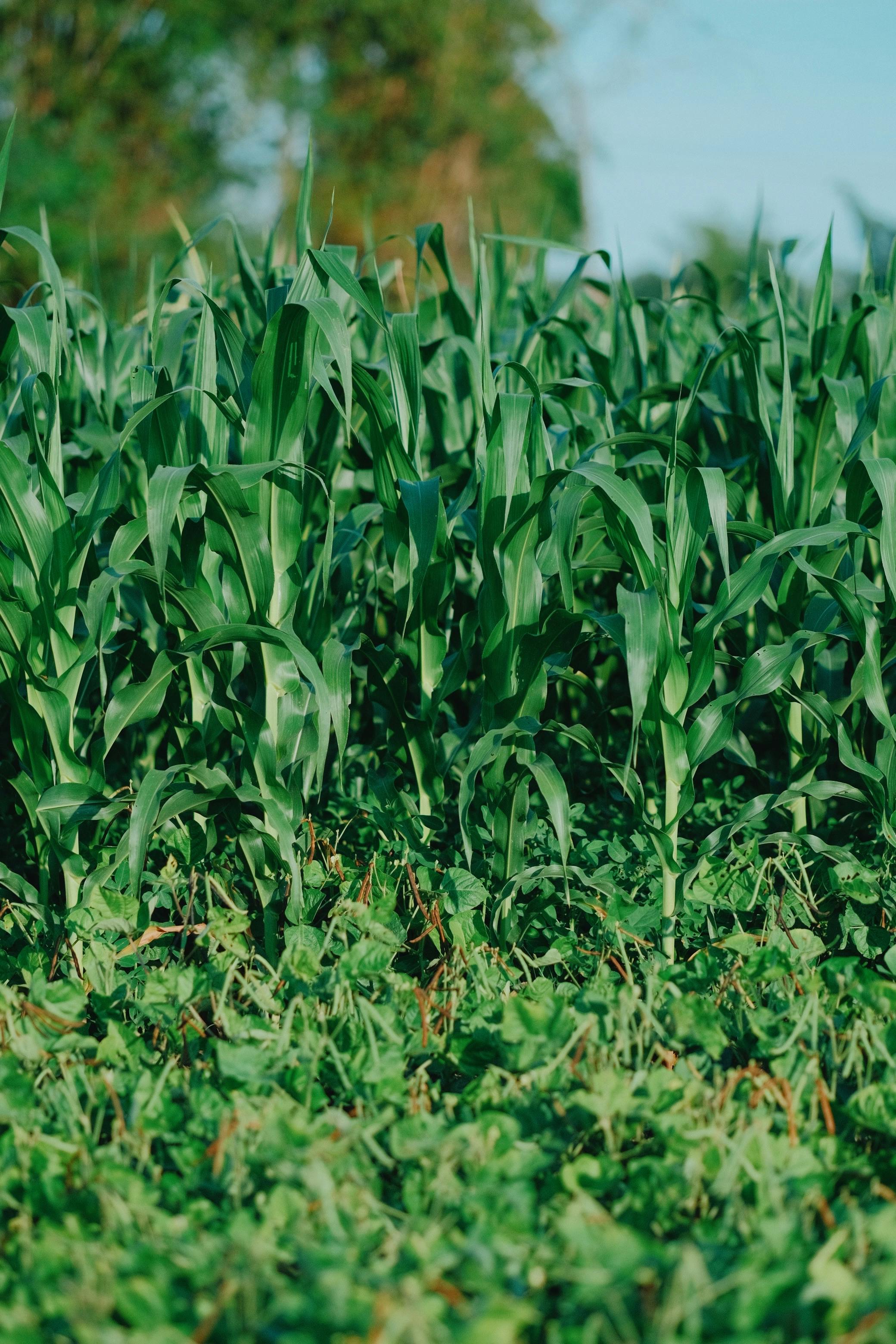
Kenya's agricultural sector, a vital contributor to its GDP, faces complex environmental and economic pressures. Soil degradation, driven by factors such as continuous cultivation, erosion, and overuse of chemical inputs, is a critical concern across many farming regions. This degradation diminishes soil fertility, reduces water retention capacity, and ultimately lowers crop yields, trapping farmers in a cycle of increased input reliance.
However, there's a burgeoning movement towards organic farming and sustainable agriculture. This shift is not just an environmental imperative but an economic necessity. Sustainable agriculture practices, such as the use of organic fertilizers, crop rotation, conservation tillage, and efficient water management, have been shown to increase crop yields by promoting soil health and biodiversity. A growing number of farmers and consumers in Kenya are recognizing the long-term benefits of these practices for both the environment and human health, leading to increased demand for organically produced goods (CSHEP Kenya). This presents a viable opportunity for farmers to adopt more eco-friendly approaches, aligning with national goals for food security and climate resilience. The government's recent shift towards soil-health-centered agricultural transformation aims to move away from costly blanket fertilizer subsidies to targeted, soil-health-driven support systems, further underscoring the importance of these sustainable methods (Smart Farmer Africa).
Key Insights & Strategies for Fertilizer Reduction
Reducing synthetic fertilizer use by 50% while boosting yields requires a multi-faceted approach, rooted in understanding and nurturing your soil. Here are the key strategies:
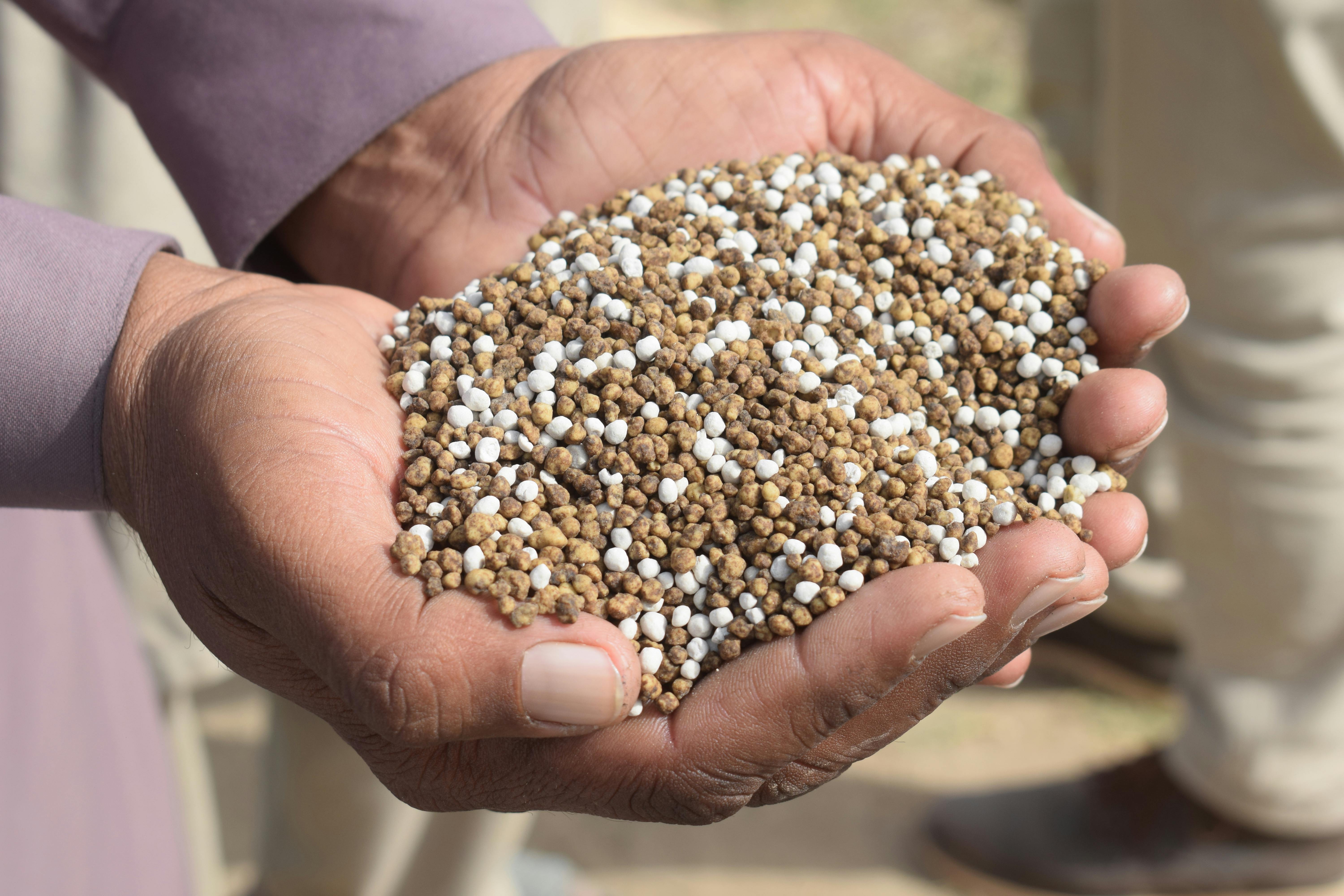
1. Precision Soil Testing for Tailored Nutrient Plans
The first step towards effective fertilizer reduction is understanding what your soil truly needs. Blanket application of fertilizers is often inefficient and wasteful.
For accurate on-farm assessments, consider investing in a reliable tool. The HYROOY Upgraded 2 in 1 Soil & Fertility Analyzer – available on Amazon , can provide quick insights into your soil's health and fertility, helping you make informed decisions.
2. Integrating Leguminous Cover Crops for Natural Nitrogen Fixation
Nature offers powerful solutions for nutrient enrichment. Leguminous cover crops are unsung heroes that can significantly reduce your need for synthetic nitrogen fertilizers.
3. Applying Composted Poultry Manure at Planting
Organic matter is the lifeblood of healthy soil, and composted poultry manure is a goldmine of nutrients and beneficial microbes.
To effectively manage organic waste and produce your own nutrient-rich compost, a robust composting system is invaluable. The Worm Farm Composting Bin, 4 Tray Worm Compost – available on Amazon , offers an efficient way to turn farm waste into valuable compost.
These three key steps are fundamental to achieving both fertilizer cost reduction and increased yields, as demonstrated by the KALRO study where these methods improved maize yields by 18% over conventional practices in semi-arid regions.
Case Studies: Success Stories from Kenyan Farms
Across Kenya, innovative farmers are proving that sustainable agriculture is not just an ideal, but a profitable reality. Their successes offer compelling evidence for reducing synthetic fertilizer dependence.
The Biochar Revolution in Kakamega
In Kakamega County, farmer Peter Wekesa adopted biochar implementation, a carbon-rich material made from biomass. This strategic shift allowed him to reduce his chemical fertilizer use by an astounding 70%. More impressively, he simultaneously doubled his maize yields, establishing a profitable and sustainable farming operation that now serves as a model for the region (Kenya Biochar). Biochar improves soil structure, water retention, and nutrient availability, making fertilizers more efficient and reducing overall input needs.
Conservation Agriculture in Western Kenya
Smallholder farmers in Western Kenya are increasingly embracing conservation agriculture (CA) principles to combat severe land degradation. This involves practices like minimal soil disturbance (zero-tillage), permanent soil cover using crop residues or cover crops (e.g., mucuna beans), and diversified crop rotations. The GIZ-supported Global Programme 'ProSoil' has promoted these agroecological methods, demonstrating their effectiveness in reversing degradation and providing long-term sustainable soil management. CA not only enhances soil health but also improves resilience against climate variability, crucial for regions prone to erratic rainfall (PANORAMA Solutions).
The Power of Organics by KALRO
Research by the Kenya Agricultural & Livestock Research Organization (KALRO) consistently highlights the benefits of organic matter inputs. Studies on maize-bean rotations in Kenya have shown that long-term application of farmyard manure and maize stover significantly enhances soil health, improves soil aggregation, and reduces pressure from soil-borne pathogens. These organic amendments create a healthier soil environment, allowing crops to thrive with reduced reliance on external chemical inputs and leading to superior yields over time. This research underpins the 2026 KALRO study's findings on maize yield improvements with reduced synthetic fertilizer use.
These examples illustrate that by integrating locally appropriate sustainable practices, Kenyan farmers can successfully transition away from high-cost, high-input farming towards more resilient, economically viable, and environmentally friendly systems.
Common Mistakes to Avoid
Even with the best intentions, farmers can sometimes fall into traps that hinder their progress towards sustainable, cost-effective farming. Avoiding these common mistakes is crucial for maximizing your efforts:
1. Neglecting Soil Testing
Applying fertilizers without a recent soil test is like driving blindfolded. Many farmers assume their soil needs a certain nutrient based on conventional wisdom or past practices, leading to over-application of some nutrients and under-application of others.
2. Improper Composting of Manure
Using raw or improperly composted manure can introduce weed seeds, pathogens, and imbalanced nutrients into your field, doing more harm than good. Fresh manure can also burn plants due to high nitrogen content.
3. Ignoring Crop Rotation and Cover Crops
Monocropping (growing the same crop repeatedly) depletes specific nutrients, encourages pest and disease build-up, and fails to capitalize on nature's regenerative powers.
4. Inefficient Water Management
Poor irrigation practices can wash away nutrients, contribute to soil erosion, and waste a precious resource. Over-irrigation can also lead to waterlogging and anaerobic conditions, harming root health.
5. Over-reliance on Chemical Solutions
While synthetic inputs have their place, relying solely on them without addressing underlying soil health issues creates a dependency cycle that is expensive and unsustainable.
Expert Tips & Best Practices for Sustainable Yields
Achieving high yields while reducing costs is a testament to smart farming. Here are expert tips tailored for Kenyan farmers looking to maximize their productivity sustainably:
1. Optimize Biochar Application
If you have access to biochar, integrate it into your soil. Research in Kenya shows that biochar can significantly enhance nutrient retention and soil fertility. Apply it in conjunction with compost or manure for synergistic effects, creating a powerful amendment that reduces the need for synthetic fertilizers by 40-60%.
2. Master Composting Techniques
Composting is an art and a science. Ensure your compost piles maintain the ideal carbon-to-nitrogen ratio (around 30:1), adequate moisture, and regular turning to promote rapid decomposition and heat generation. This ensures a high-quality, nutrient-rich product free of pathogens.
To make your composting process more efficient, especially in active farming, consider using an effective compost starter. The Espoma CS4 4 Lb Organic Compost Starter – available on Amazon , can accelerate the breakdown of organic matter, providing you with ready-to-use compost faster.
3. Harness the Power of Agroforestry
Integrate trees and shrubs into your farm landscape. Leguminous trees like Faiderbia albida or Grevillea robusta can fix nitrogen, provide shade, reduce wind erosion, and offer fodder or fuelwood. Their deep roots access nutrients unavailable to shallow-rooted crops, bringing them to the surface.
4. Invest in Water-Efficient Irrigation
Water scarcity is a growing concern. Drip irrigation systems deliver water directly to the root zone, minimizing waste and ensuring that valuable moisture and dissolved nutrients reach the plant efficiently. This is critical for maximizing the effectiveness of both organic and synthetic inputs.
For small-scale operations or expanding your current system, a practical and efficient solution is key. The Drip Irrigation Kit for Small Farms - Deluxe Kit – available on Amazon , provides a comprehensive setup to optimize water usage and nutrient delivery.
5. Promote Biodiversity on Your Farm
A diverse ecosystem supports natural pest control and pollination. Encourage beneficial insects by planting flowering borders, diverse cover crops, and practicing intercropping. This reduces the need for chemical pesticides, which can harm soil microbial life.
6. Continuous Learning and Adaptation
Agriculture is dynamic. Stay informed about new research, attend local agricultural workshops, and connect with other progressive farmers. What works best for your specific soil type and microclimate might require some experimentation. Biofarm Kenya is a great resource for ongoing learning and support.
Future Trends in Sustainable Kenyan Agriculture
Kenya's agricultural landscape is continuously evolving, with exciting innovations on the horizon that promise to further enhance productivity while upholding sustainability principles. Embracing these future trends will be key for farmers to stay competitive and resilient.
1. Smart Irrigation Systems
Beyond basic drip irrigation, smart systems are emerging that use sensors, weather data, and AI to precisely determine when and how much water crops need. These systems can autonomously adjust irrigation schedules, leading to unparalleled water efficiency and nutrient delivery, especially in water-scarce regions.
2. AI-Driven Crop Monitoring and Precision Farming
Artificial intelligence and machine learning are revolutionizing crop management. Drones equipped with multispectral cameras can monitor crop health, identify nutrient deficiencies, and detect pest outbreaks with incredible accuracy. This allows for hyper-localized interventions, optimizing resource use and reducing waste. Farmers can soon expect personalized recommendations for fertilizer application down to individual plant level.
3. Vertical Farming and Urban Agriculture
With increasing urbanization, vertical farms and controlled-environment agriculture are gaining traction. These systems, often using hydroponics or aeroponics, maximize yield per square meter, use significantly less water, and minimize pest issues, making fresh produce available closer to urban markets and reducing transportation costs. While initially high-cost, advancements are making them more accessible.
4. Enhanced Bio-fertilizers and Bio-pesticides
Research into advanced bio-fertilizers (e.g., microbial inoculants that enhance nutrient uptake) and bio-pesticides (derived from natural materials) continues to grow. These organic alternatives offer targeted solutions for nutrient provision and pest control with minimal environmental impact, aligning perfectly with fertilizer reduction goals.
5. Carbon Farming and Regenerative Agriculture
An emerging trend is 'carbon farming,' where agricultural practices focus on sequestering atmospheric carbon in the soil, improving soil health and mitigating climate change. Regenerative agriculture, which encompasses practices like conservation tillage, cover cropping, and holistic grazing, is at the forefront of this movement, creating farms that are not just sustainable but actively restorative.
These trends point towards a future where Kenyan agriculture is more precise, resilient, and harmoniously integrated with its natural environment, empowering farmers to achieve unprecedented levels of productivity and sustainability.
Conclusion
The journey to cutting fertilizer costs and boosting yields in Kenya is not merely about applying fewer chemicals; it's about fostering a deeper understanding of our soil, embracing ecological principles, and leveraging innovative technologies. By meticulously adopting practices such as precision soil testing, integrating nitrogen-fixing cover crops, and utilizing the rich benefits of composted poultry manure, Kenyan farmers can significantly reduce their reliance on expensive synthetic inputs. The compelling evidence from KALRO’s research, showcasing an 18% increase in maize yields through these methods, underscores the tangible benefits of this sustainable shift.
This holistic approach not only strengthens the financial resilience of farms against volatile market prices but also cultivates healthier, more productive soils for future generations. The transition towards sustainable agriculture is an investment—an investment in your land, your livelihood, and Kenya's food security.
Discover trusted organic farming tools and resources on Amazon and learn more about sustainable solutions with Biofarm Kenya .
Frequently Asked Questions (FAQs)
Q1: How can I accurately test my soil in Kenya?
A1: Farmers in Kenya can access soil testing services through various institutions, including the Kenya Agricultural & Livestock Research Organization (KALRO) centers, university agricultural departments, and private agro-labs. You can also use on-farm kits for quick indicators. For more detailed information on soil testing procedures and where to find services, refer to resources from the KALRO website.
Q2: Which leguminous cover crops are best suited for maize farms in Kenya?
A2: For maize farms in Kenya, excellent choices for leguminous cover crops include cowpeas (Vigna unguiculata), lablab (Lablab purpureus), mucuna (Mucuna pruriens), and various types of beans. These crops effectively fix nitrogen, suppress weeds, and improve soil structure. Consult your local agricultural extension officer or Biofarm Kenya for recommendations specific to your region's climate and soil.
Q3: What is the ideal carbon-to-nitrogen ratio for composting poultry manure?
A3: The ideal carbon-to-nitrogen (C:N) ratio for composting is typically between 25:1 and 30:1. Poultry manure is usually rich in nitrogen, so it needs to be mixed with carbon-rich materials like dry leaves, straw, maize stalks, or wood chips to achieve this balance. An imbalanced C:N ratio can lead to slow decomposition or nutrient loss. For detailed composting guidelines, refer to this composting guide by Kilimohai Organic.
Q4: How does drip irrigation help reduce fertilizer use and boost yields?
A4: Drip irrigation delivers water and dissolved nutrients directly to the plant's root zone, minimizing wastage through evaporation and runoff. This precision ensures that fertilizers are efficiently utilized by the crop, preventing nutrient leaching and allowing for lower application rates while maintaining nutrient availability for optimal growth. This targeted delivery significantly boosts yield potential, especially in water-stressed environments. Learn more about efficient water management from the FAO Kenya resources.
Q5: What is Biochar, and how does it contribute to fertilizer reduction?
A5: Biochar is a charcoal-like substance made from organic material (biomass) through a process called pyrolysis. When added to soil, it improves water retention, enhances nutrient availability, and provides a habitat for beneficial microbes. This dramatically increases the efficiency of both organic and synthetic fertilizers, often allowing for a 40-60% reduction in chemical input while maintaining or increasing yields, as seen in various Kenyan studies. More information can be found on Kenya Biochar initiatives.
Q6: Are there government initiatives in Kenya to support farmers in reducing fertilizer costs?
A6: Yes, the Kenyan government has initiated strategies to address fertilizer costs. These include fertilizer subsidy programs and a broader shift towards soil-health-centered agricultural transformation. The aim is to move from blanket subsidies to targeted support that emphasizes sustainable soil management and efficient nutrient use to reduce long-term dependency on costly chemical inputs. For updates on government policies, refer to the Ministry of Agriculture and Livestock Development website.


0 Comments