

Estimated Reading Time: 15 minutes
TL;DR: Kenyan farmers are increasingly seeking soil preservation techniques amid erratic rainfall. Conservation agriculture offers a powerful solution, focusing on minimal soil disturbance, permanent soil cover, and diversified crop rotations. These practices significantly reduce erosion, retain moisture, and can boost yields by up to 30%, as shown by studies like a 2025 KARI report. Embracing these methods is crucial for food security and farm resilience in Kenya's changing climate, leading to healthier soil and more productive harvests.
Key Takeaways:
Table of Contents
Introduction: Cultivating Resilience in Kenyan Agriculture
Kenya, a nation deeply rooted in agriculture, faces increasing climatic variability, with erratic rainfall patterns becoming the new norm. For generations, farmers have tilled their land, but this traditional practice, while seemingly productive, often leads to soil degradation, erosion, and diminished yields, especially when rains fail. In response to these pressing challenges, Kenyan farmers are increasingly seeking soil preservation techniques amid erratic rainfall. This guide trains farmers in conservation agriculture, focusing on no-till practices to reduce erosion, retain moisture, and boost yields.
Conservation agriculture (CA) is not just a farming method; it's a paradigm shift towards ecological sustainability and economic resilience. It offers a lifeline for smallholder farmers who form the backbone of Kenya's food security. By adopting CA principles, farmers can transform their farms into more productive, resilient, and environmentally friendly enterprises. A 2025 KARI study vividly illustrates the impact, showing that no-till systems increased maize yields by an impressive 30% in drought-prone regions compared to conventional methods, underscoring the tangible benefits awaiting those who embrace this approach.
Background & Context: The Imperative for Change
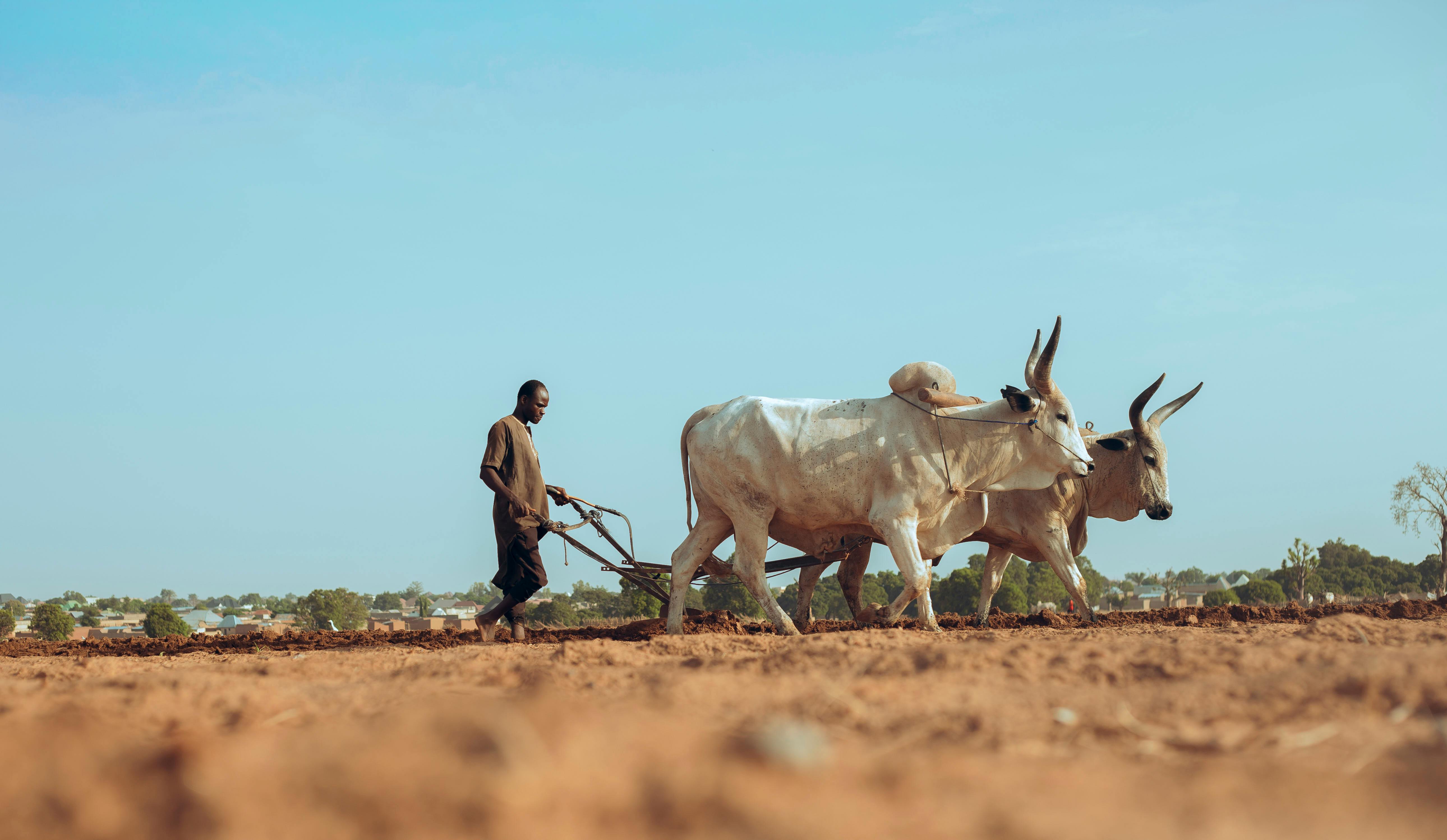
The agricultural landscape in Kenya is at a crossroads. While contributing over 30% to the Gross Domestic Product (GDP) and employing more than 70% of the rural population, the sector is highly vulnerable to climate change. Recurring droughts, unpredictable rainfall, and land degradation threaten livelihoods and national food security. Traditional farming practices, characterized by intensive plowing and monocropping, exacerbate these issues by destroying soil structure, reducing organic matter, and making land more susceptible to erosion and nutrient loss.
The need for sustainable agricultural practices has never been more urgent. The Food and Agriculture Organization (FAO) advocates for conservation agriculture as a proven approach to enhance agricultural productivity and sustainability, particularly in regions prone to environmental stress. In Kenya, organizations like the Kenya Agricultural and Livestock Research Organization (KALRO) and various NGOs have been at the forefront of promoting CA, demonstrating its potential to not only mitigate climate change impacts but also improve farmer incomes through reduced input costs and higher yields. The growth of organic farming and sustainable agribusiness in Kenya reflects a broader understanding of the long-term benefits of ecological stewardship.
Key Insights & Strategies for Conservation Agriculture
Minimal Soil Disturbance: The No-Till Revolution
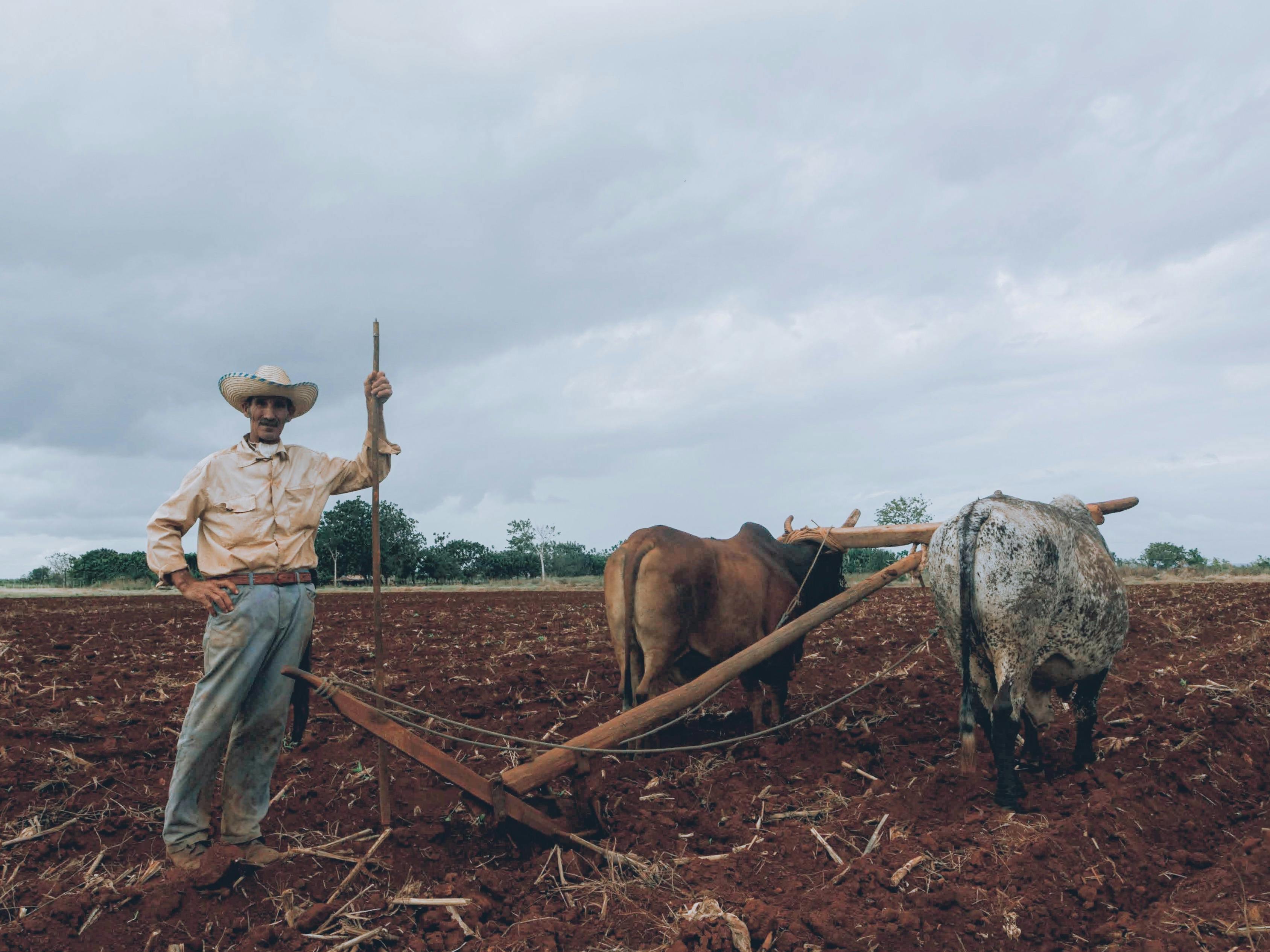
The cornerstone of conservation agriculture is minimal soil disturbance, often referred to as no-till farming. This practice involves planting crops directly into the soil without plowing or tilling. By avoiding deep tillage, farmers preserve the soil's natural structure, protect beneficial microorganisms, and prevent the loss of organic matter. This approach is particularly effective in reducing erosion caused by wind and water, a common challenge in many Kenyan agricultural areas.
For accurate pH and moisture readings, a critical aspect of effective no-till farming, consider theXLUX T10 Soil pH & Moisture Meter – available on Amazon. This tool helps you understand your soil's needs without invasive digging.
Permanent Soil Cover: Nature's Blanket
Maintaining a permanent organic soil cover is the second pillar of conservation agriculture. This can be achieved through crop residue management, where stalks, leaves, and other plant debris are left on the field after harvest, or by planting cover crops. This protective layer shields the soil from the harsh sun and heavy rains, preventing erosion, suppressing weeds, and regulating soil temperature. Over time, the decomposition of this organic matter enriches the soil, improves its water-holding capacity, and enhances nutrient cycling.
To further enhance soil health and nutrient availability, incorporating organic fertilizers is vital. Explore sustainable organic farming solutions with Explore sustainable organic farming solutions with Biofarm Kenya.
Diversified Crop Rotations: Breaking the Cycle
The third principle involves diversifying crop rotations. Instead of planting the same crop repeatedly (monocropping), farmers rotate different types of crops over several seasons. This practice offers numerous benefits: it helps to break pest and disease cycles, improves soil structure, balances nutrient uptake, and enhances biodiversity both above and below ground. Legumes, for instance, can fix nitrogen in the soil, reducing the need for synthetic fertilizers.
For farmers looking to establish robust crop rotations and ensure healthy plant growth, a high-quality organic soil amendment can be a game-changer. Consider theOrganic Worm Castings Soil Builder – available on Amazon for a nutrient-rich boost to your soil.
Case Studies & Success Stories from Kenya
Across Kenya, numerous farmers are demonstrating the tangible benefits of conservation agriculture. In drier regions like Machakos and Kitui, farmers who adopted no-till and residue retention practices have reported significantly higher yields, even during periods of reduced rainfall. For example, a project by the Kenya Agricultural and Livestock Research Organization (KALRO) in collaboration with the International Maize and Wheat Improvement Center (CIMMYT) showcased how smallholder farmers practicing CA in semi-arid areas experienced maize yield increases of 20-50% compared to their conventional farming neighbors.
One notable success story comes from a farmer in Western Kenya who transitioned from conventional plowing to conservation agriculture. By leaving crop residues on his maize fields and diversifying with legumes like beans and groundnuts, he not only reduced his input costs for labor and fertilizer but also saw his soil quality dramatically improve. His farm now serves as a demonstration site, inspiring other local farmers to adopt similar methods. These examples underscore the practical applicability and profound impact of CA on farmer livelihoods and the environment.
The Ministry of Agriculture, Livestock, Fisheries and Co-operatives in Kenya actively promotes these techniques, recognizing their role in achieving food security and sustainable land management. The Ministry's initiatives aim to scale up the adoption of conservation agriculture through training and extension services, building a more resilient agricultural sector across the nation.
Common Mistakes to Avoid
While conservation agriculture offers immense benefits, successful implementation requires careful attention and avoiding common pitfalls:
Correcting these errors involves continuous learning, adaptation, and a commitment to the principles of CA. Seeking advice from extension officers or experienced CA farmers can significantly accelerate the learning curve and prevent common setbacks.
Expert Tips & Best Practices
Embracing conservation agriculture is a journey of continuous improvement. Here are some expert tips to help Kenyan farmers master these practices and boost their yields:
Maintaining healthy soil with the right nutrients is paramount. Consider using aneffective organic fertilizer like the one found on Amazon, specifically formulated to support microbial life and long-term soil fertility in no-till systems.
For farmers seeking a deeper understanding of soil health and organic practices, Explore sustainable organic farming solutions with Biofarm Kenya, where you can find resources and partnerships to support your transition.
Future Trends or Predictions
The future of agriculture in Kenya, particularly within the conservation agriculture framework, is bright with innovation. We can expect to see several key trends shaping sustainable farming practices:
These innovations, coupled with the continued commitment of Kenyan farmers to sustainable practices, will pave the way for a more resilient, productive, and environmentally friendly agricultural sector.
Conclusion: A Sustainable Path Forward for Kenyan Agriculture
The journey towards mastering conservation agriculture offers Kenyan farmers a powerful pathway to increased yields, enhanced soil health, and greater resilience in the face of erratic rainfall. By diligently applying the principles of minimal soil disturbance, permanent soil cover, and diversified crop rotations, farmers can reduce erosion, retain crucial moisture, and significantly boost their productivity, as evidenced by compelling studies and real-world success stories. These methods not only safeguard the land for future generations but also ensure sustainable livelihoods today.
Embracing conservation agriculture is an investment in the future – an investment in healthier soil, more bountiful harvests, and a stronger, more food-secure Kenya. It requires dedication, continuous learning, and a willingness to adapt, but the rewards are profound. Discover trusted organic farming tools onAmazonandlearn more about sustainable solutions with Biofarm Kenya. Take the crucial step today to transform your farm into a model of sustainable productivity.
FAQs on Conservation Agriculture in Kenya
Q1: What are the primary benefits of no-till farming for Kenyan smallholders?
A: No-till farming significantly reduces soil erosion, improves water infiltration and retention, increases soil organic matter, and lowers labor and fuel costs. These benefits collectively lead to more stable and often higher crop yields, especially in drought-prone regions. It also fosters a healthier soil ecosystem by protecting beneficial microorganisms. Learn more from the FAO on Conservation Agriculture.
Q2: How does crop residue management contribute to soil health in Kenya?
A: Leaving crop residues on the soil surface acts as a protective mulch, reducing evaporation, preventing surface runoff, and moderating soil temperature. As residues decompose, they return essential nutrients to the soil, enrich organic matter, and provide food for beneficial soil organisms, leading to improved soil structure and fertility. The Kenya Agricultural and Livestock Research Organization (KALRO) provides extensive resources on residue management.
Q3: What are some suitable cover crops for Kenyan climatic conditions?
A: Depending on the specific agro-ecological zone, suitable cover crops include legumes like mucuna (velvet bean), dolichos lablab, sunn hemp, and various types of vetch, which fix nitrogen and improve soil fertility. Non-leguminous options like specific grasses can also be used for biomass and erosion control. Selection should consider local rainfall patterns and intended benefits. Explore Biofarm Kenya's resources for regional crop suitability.
Q4: How can farmers manage weeds effectively without resorting to extensive tillage?
A: Weed management in no-till systems relies on several strategies: maintaining a thick layer of crop residues or cover crops to suppress weed growth, timely and precise spot weeding (manual or mechanical), judicious use of herbicides when absolutely necessary and environmentally sound, and practicing diverse crop rotations which disrupt weed life cycles. The World Agroforestry Centre (ICRAF) offers research on sustainable weed control.
Q5: What initial investment is required to transition to conservation agriculture?
A: The initial investment can vary. While minimal tillage reduces long-term operational costs, there might be upfront needs for specialized planting equipment (e.g., direct planters), although hand-hoes and lightweight tools are also effective. Investment in quality seeds for cover crops and soil testing kits is also beneficial. Training and knowledge acquisition are crucial, often available through government extension services and NGOs. The Ministry of Agriculture can provide guidance on support programs.
Q6: How long does it take to see noticeable benefits from conservation agriculture?
A: Farmers often observe initial benefits like reduced labor and improved moisture retention within the first few seasons. Significant improvements in soil organic matter, structure, and sustained yield increases typically become more evident after three to five years of consistent application of CA principles. The cumulative benefits continue to grow over time, leading to increasingly resilient and productive farming systems. Connect with Biofarm Kenya for long-term farm planning and support.


0 Comments