


Introduction
Farming in 2026 isn’t just about tractors and seeds—it’s about AI, robots, and soil that heals itself. The agricultural landscape is evolving at an unprecedented pace, driven by climate change, technological advancements, and shifting consumer demands. For farmers, agribusiness owners, and agricultural enthusiasts, staying ahead of these trends isn’t just an option; it’s a necessity for survival and profitability.
In this article, we’ll explore the top 8 farming trends of 2026 that are reshaping agriculture. From regenerative agriculture and precision farming to vertical farming and AI-powered robotics, these innovations are backed by data, expert insights, and real-world case studies. Whether you’re a smallholder farmer, a commercial agribusiness, or an agricultural investor, understanding these trends will help you make informed decisions and future-proof your operations.
Let’s dive into the future of farming and discover how you can leverage these trends to grow smarter, sustainably, and profitably.
Why These Farming Trends Are Exploding in 2026
The Climate Crisis: A Catalyst for Change
Climate change is no longer a distant threat—it’s a reality that farmers face daily. Rising temperatures, prolonged droughts, and extreme weather events are disrupting traditional farming practices. For example, the 2025 California drought and 2026 European heatwaves have forced farmers to rethink their strategies. The need for climate-smart agriculture has never been more urgent, and farmers are turning to innovative solutions to build resilience.
The Tech Revolution: Affordable and Accessible Tools
Technology is no longer reserved for large-scale industrial farms. The cost of IoT sensors, drones, and AI software has dropped by nearly 40% since 2020, making these tools accessible to small and mid-sized farms. This democratization of technology is leveling the playing field, allowing farmers of all sizes to optimize their operations, reduce costs, and improve yields. From autonomous tractors to AI-powered pest detection, tech is transforming agriculture into a data-driven industry.
Consumer Demand: The Rise of Transparent and Sustainable Food
Consumers are increasingly conscious of where their food comes from and how it’s produced. A 2026 Nielsen report found that 68% of shoppers are willing to pay more for sustainably grown food. This shift in consumer preferences is driving farmers to adopt transparent and eco-friendly practices. Whether it’s regenerative agriculture or blockchain-based traceability, farmers are aligning their practices with consumer values to tap into premium markets.
Policy and Investment: The Tailwinds Driving Adoption
Governments and corporations are investing heavily in the future of farming. Programs like the USDA’s Climate-Smart Commodities and Cargill’s regenerative agriculture fund are providing financial incentives for farmers to adopt sustainable practices. These investments are accelerating the adoption of trends like precision agriculture and alternative crops, making them more accessible and profitable for farmers.
The Top 8 Farming Trends of 2026 (And How to Leverage Them)
1. Regenerative Agriculture: Healing the Soil and the Bottom Line
What Is Regenerative Agriculture?
Regenerative agriculture is a holistic approach to farming that focuses on improving soil health, sequestering carbon, and enhancing biodiversity. Key practices include no-till farming, cover cropping, diversified crop rotations, and rotational grazing. Unlike conventional farming, which often depletes soil nutrients, regenerative agriculture aims to restore and rejuvenate the land while boosting productivity.
Why It’s Trending in 2026
Regenerative agriculture is gaining traction for three key reasons:
- Economic ROI: Farmers are reporting higher yields and lower input costs (e.g., 20% reduction in fertilizer use) due to improved soil health.
- Environmental ROI: Practices like cover cropping and no-till farming sequester carbon, improve water retention, and reduce erosion.
- Corporate and Policy Support: Companies like General Mills and Cargill are investing in regenerative agriculture, while governments are offering subsidies and carbon credit programs to incentivize adoption.
Case Study: General Mills’ regenerative oat program has enrolled over 500,000 acres of farmland, demonstrating the scalability and profitability of these practices.
How to Implement It on Your Farm
Transitioning to regenerative agriculture doesn’t have to be overwhelming. Here’s a step-by-step guide to get started:
- Start with Soil Testing: Conduct a soil test to assess nutrient levels and organic matter. This will help you tailor your regenerative practices to your farm’s specific needs.
- Introduce Cover Crops: Plant cover crops like clover, rye, or vetch to prevent erosion, improve soil structure, and fix nitrogen.
- Reduce Tillage: Adopt no-till or reduced-till practices to preserve soil structure and microbial life.
- Rotate Crops and Livestock: Diversify your crop rotations and integrate livestock to enhance soil fertility and break pest cycles.
Farmers looking to implement these practices may benefit from using reliable agricultural resources and guides. For example, the Next Business Model 2026: AGRITECH provides insights into modern farming techniques and business strategies that align with regenerative agriculture.
Challenges and Solutions
While regenerative agriculture offers numerous benefits, it’s not without challenges:
- Upfront Costs: Transitioning to regenerative practices may require initial investments in new equipment, seeds, and training. However, grants and financing options, such as the USDA’s EQIP program, can help offset these costs.
- Knowledge Gap: Many farmers are unfamiliar with regenerative techniques. Online courses, such as those offered by the Regenerative Agriculture Academy, can provide valuable education and support.
Featured Snippet Opportunity
What are the 4 principles of regenerative agriculture?
- Minimize soil disturbance (e.g., no-till farming).
- Keep soil covered (e.g., cover cropping).
- Maximize crop diversity (e.g., diversified rotations).
- Integrate livestock (e.g., rotational grazing).
2. Precision Agriculture and IoT: Farming with Data
What Is Precision Agriculture?
Precision agriculture is the use of IoT, AI, and data analytics to optimize farming operations. By collecting and analyzing data on soil conditions, weather patterns, and crop health, farmers can make informed decisions that improve efficiency, reduce waste, and increase yields.
Why It’s Trending in 2026
Precision agriculture is exploding in popularity due to:
- Labor Shortages: With a 30% decline in farm labor since 2020, farmers are turning to technology to fill the gap.
- Climate Resilience: Real-time monitoring tools help farmers mitigate risks from droughts, pests, and diseases.
- Cost Savings: Precision agriculture can reduce water and fertilizer use by up to 25%, leading to significant cost savings.
Key Technologies
| Technology | Use Case | Example Tools |
|---|---|---|
| Soil Sensors | Real-time nutrient and moisture monitoring | CropX, Arable |
| Drones | Crop health imaging and precision spraying | DJI Agras, PrecisionHawk |
| AI Software | Predictive analytics for planting, irrigation, and harvesting | Climate FieldView, Granular |
| Autonomous Tractors | Driverless operations for planting and harvesting | John Deere 8R, Monarch Tractor |
How to Get Started with Precision Ag
Implementing precision agriculture doesn’t have to be complicated. Here’s how to begin:
- Assess Your Farm’s Needs: Identify areas where data can make the biggest impact, such as irrigation, pest control, or fertilizer management.
- Start with Low-Cost Tools: Begin with soil sensors or farm management software to collect and analyze data.
- Integrate Data into Decision-Making: Use the insights from your tools to optimize planting, irrigation, and harvesting schedules.
- Scale Up with Advanced Tech: Once you’re comfortable with the basics, explore drones, autonomous tractors, or AI-powered analytics.
Several farming products are available that can help improve efficiency and support better farm management. For instance, the New Technology Farming Knowledge 2026 guide offers valuable insights into the latest precision agriculture tools and techniques.

Challenges and Solutions
Despite its benefits, precision agriculture comes with challenges:
- Data Privacy: Farmers often worry about who owns their farm data. Look for tools with transparent data policies or certifications like Ag Data Transparent.
- Cost: While precision agriculture can be expensive, leasing options and pay-as-you-go models make it more accessible.
3. Controlled Environment Agriculture (CEA): Hydroponics and Vertical Farming
What Is CEA?
Controlled Environment Agriculture (CEA) involves growing crops in controlled environments, such as greenhouses, hydroponic systems, or vertical farms. These systems allow farmers to optimize light, temperature, humidity, and nutrients, resulting in higher yields and year-round production.
Why It’s Trending in 2026
CEA is gaining momentum for several reasons:
- Urbanization: With 68% of the global population projected to live in cities by 2050, CEA offers a way to grow food closer to consumers.
- Climate-Proofing: CEA eliminates weather-related risks, making it ideal for regions prone to droughts, floods, or extreme temperatures.
- Investment Boom: Over $5 billion has been invested in CEA startups since 2020, driving innovation and scalability.
Key Innovations
- AI Climate Control: Systems like iGrow adjust temperature, humidity, and CO₂ levels in real time to optimize plant growth.
- LED Lighting: Energy-efficient grow lights from companies like Signify and Osram provide tailored light spectra for different crops.
- Automated Harvesting: Robots like Iron Ox are designed to harvest leafy greens and other crops with precision.
Is CEA Profitable?
While CEA offers numerous benefits, profitability depends on several factors:
- Startup Costs: A mid-sized vertical farm can cost $1 million to $5 million to set up.
- ROI Timeline: Most vertical farms achieve profitability within 3 to 5 years, depending on crop selection and location.
- Case Study: Bowery Farming operates 15 facilities and reports a 300% yield increase compared to traditional farming.
How to Start a Vertical Farm
Starting a vertical farm requires careful planning. Here’s a step-by-step guide:
- Choose a Crop: Leafy greens, herbs, and strawberries are popular choices due to their high demand and fast growth cycles.
- Select a Location: Urban warehouses, repurposed buildings, or shipping containers are ideal for vertical farming.
- Invest in Equipment: Purchase LED lighting, climate control systems, and hydroponic setups tailored to your crop.
- Secure Funding: Explore grants, venture capital, or USDA programs to finance your vertical farm.
4. Small-Scale and Outgrower Farming: The Rise of Agripreneurs
What Is Small-Scale Farming?
Small-scale farming involves operating on less than 50 acres with a focus on direct-to-consumer (DTC) sales, agri-tourism, and value-added products. This trend is empowering a new generation of agripreneurs to build profitable and sustainable businesses.
Why It’s Trending in 2026
Small-scale farming is on the rise due to:
- Tech Democratization: Low-cost tools like mobile apps (e.g., Plantix, FarmRise) and e-commerce platforms (e.g., Ninjacart, DeHaat) are making farming more accessible.
- DTC Sales: Farmers are bypassing traditional supply chains by selling subscription boxes, farm-to-table produce, and artisanal products online.
- Social Media Marketing: Platforms like Instagram, TikTok, and WhatsApp are helping small farmers build brands and connect with consumers.
Key Strategies for Small-Scale Farmers
- Direct-to-Consumer Models:
- Subscription Boxes: Companies like Farm Fresh To You deliver fresh produce directly to consumers.
- Farmers’ Markets and CSAs: Community Supported Agriculture (CSA) programs allow consumers to buy shares of a farm’s harvest.
- Agri-Tourism: Offer farm stays, workshops, or pick-your-own experiences to generate additional revenue.
- Value-Added Products: Transform raw produce into cold-pressed oils, artisanal cheeses, or honey to increase profitability.
Success Stories
- Singing Frogs Farm (California): This small farm generates $100,000 per acre by focusing on regenerative practices and DTC sales.
- Urban Growers Collective (Chicago): This organization operates hydroponic farms in food deserts, providing fresh produce to underserved communities.
5. Water Management: The Crisis-Driven Trend
Why Water Management Is Critical in 2026
Water scarcity is one of the biggest challenges facing farmers today. With 40% of U.S. counties experiencing drought in 2026, efficient water management is no longer optional—it’s essential for survival. Farmers are adopting water-saving technologies to reduce costs, comply with regulations, and ensure long-term sustainability.
Key Technologies
| Technology | Use Case | Example Tools |
|---|---|---|
| Drip Irrigation | Precision water delivery to plant roots | Netafim, Jain Irrigation |
| Soil Moisture Sensors | Real-time monitoring of soil moisture levels | CropX, Arable |
| Rainwater Harvesting | Collecting and storing rainwater for irrigation | Rainwater Harvesting Ltd. |
| AI Irrigation Scheduling | Optimizing water use based on weather and crop needs | CropMetrics |
How to Implement Water-Saving Practices
Here’s a step-by-step guide to improving water efficiency on your farm:
- Audit Your Water Use: Identify areas where water is being wasted, such as leaky irrigation systems or inefficient scheduling.
- Install Drip Irrigation: Replace flood irrigation with drip systems to deliver water directly to plant roots.
- Use Soil Moisture Sensors: Monitor soil moisture levels in real time to avoid overwatering.
- Harvest Rainwater: Install rainwater collection systems to supplement irrigation needs.
6. AI and Robotics: The Future of Farm Labor
Why AI and Robotics Are Taking Over Farms
Labor shortages are a growing challenge in agriculture. With a 20% decline in farm workers since 2020, farmers are turning to AI and robotics to automate labor-intensive tasks. These technologies not only reduce labor costs but also improve precision and efficiency.
Key Innovations
| Robot Type | Use Case | Example Tools |
|---|---|---|
| Autonomous Tractors | Driverless operations for planting and harvesting | John Deere 8R, Monarch Tractor |
| Weeding Robots | Chemical-free weed control | FarmWise, Carbon Robotics |
| Harvesting Robots | Strawberry and apple picking | Octinion, FFRobotics |
How to Adopt Farm Robotics
Integrating robotics into your farm operations requires careful planning. Here’s how to get started:
- Identify Labor-Intensive Tasks: Focus on tasks that are time-consuming or difficult to staff, such as harvesting or weeding.
- Research Robots for Your Crop: Different robots are designed for different crops (e.g., strawberry harvesters vs. apple pickers).
- Calculate ROI: Compare the cost of the robot to the labor savings and increased efficiency.
- Start with a Pilot Program: Test the robot on a small scale before committing to a full rollout.
Challenges and Solutions
- High Upfront Costs: Leasing options and government grants can make robotics more affordable.
- Maintenance: Train staff to perform basic maintenance or outsource repairs to specialized providers.
7. Alternative Crops: Climate-Resilient and High-Value
Why Alternative Crops Are Gaining Traction
Climate change is making traditional crops like corn and wheat increasingly difficult to grow. Farmers are turning to alternative crops that are drought-resistant, fast-growing, or high-value. These crops not only improve resilience but also open up new market opportunities.
Top Alternative Crops in 2026
| Crop | Benefits | Regions Adopting It | Market Demand |
|---|---|---|---|
| Kernza | Perennial wheat, carbon sequestration, low tillage | U.S. Midwest, Europe | High (sustainable grains) |
| Hemp | High-value for CBD, fiber, and grain | U.S., Canada, Europe | High (CBD market) |
| Moringa | Drought-resistant, nutrient-dense | Africa, India, Southeast Asia | Growing (superfood) |
| Quinoa | Gluten-free, high-protein | South America, U.S., Europe | High (health food) |
| Millets | Drought-resistant, low-input | India, Africa, China | Growing (ancient grains) |
How to Choose the Right Alternative Crop
Selecting the right alternative crop depends on your climate, soil, and market demand. Here’s how to make an informed decision:
- Assess Your Climate and Soil: Choose crops that thrive in your region’s temperature, rainfall, and soil conditions.
- Research Market Demand: Identify crops with high demand and premium pricing, such as quinoa or hemp.
- Start with a Small Trial Plot: Test the crop on a small scale to assess its performance and profitability.
- Secure Buyers: Connect with food processors, retailers, or DTC platforms to ensure a market for your crop.
8. Farm Data and Blockchain: Transparency and Trust
Why Farm Data and Blockchain Matter in 2026
Consumers are demanding transparency and traceability in their food supply chains. Blockchain technology allows farmers to track and verify every step of the production process, from seed to shelf. This not only builds consumer trust but also opens up new revenue streams, such as carbon credits.
Key Technologies
| Technology | Use Case | Example Tools |
|---|---|---|
| Blockchain Platforms | Traceability, carbon credits | IBM Food Trust, AgriDigital |
| QR Codes | Consumer transparency | TE-FOOD, Provenance |
| Smart Contracts | Automated payments | Ethereum, Hyperledger |
How to Implement Blockchain on Your Farm
Blockchain may seem complex, but implementing it on your farm is easier than you think. Here’s how to get started:
- Choose a Blockchain Platform: Select a platform like IBM Food Trust or AgriDigital that aligns with your needs.
- Integrate with Farm Management Software: Connect your blockchain platform to your existing farm management tools to streamline data collection.
- Add QR Codes to Packaging: Allow consumers to scan and view the farm-to-fork journey of your products.
- Market Your Transparency: Highlight your blockchain-enabled traceability in marketing campaigns and product labeling.
Trend Comparison: Which Farming Innovation Is Right for You?
Comparison Table: 8 Farming Trends at a Glance
| Trend | Best For | Upfront Cost | ROI Timeline | Key Benefits | Challenges |
|---|---|---|---|---|---|
| Regenerative Agriculture | Large/small farms, soil health | Low-Medium | 2–5 years | Soil health, carbon credits | Knowledge gap, upfront labor |
| Precision Agriculture | Mid/large farms, data-driven | Medium-High | 1–3 years | Cost savings, efficiency | Data privacy, tech learning |
| Vertical Farming | Urban farms, controlled environments | High | 3–5 years | Year-round production, high yields | High startup costs, energy use |
| Small-Scale Farming | Agripreneurs, DTC sales | Low | 1–2 years | Direct consumer sales, branding | Marketing, labor-intensive |
| Water Management | Drought-prone regions | Low-Medium | 1–2 years | Water savings, compliance | Initial setup |
| AI & Robotics | Labor-intensive tasks | High | 2–3 years | Labor savings, precision | High cost, maintenance |
| Alternative Crops | Climate-resilient farming | Low-Medium | 1–3 years | Market demand, sustainability | Market access, crop insurance |
| Blockchain | Transparency, carbon markets | Medium | 1–2 years | Consumer trust, carbon credits | Tech integration |
How to Choose the Right Trend for Your Farm
- Small Farm? Focus on regenerative agriculture, small-scale farming, or alternative crops.
- Large Farm? Invest in precision agriculture, AI robots, or blockchain.
- Urban Farm? Explore vertical farming or hydroponics.
- Drought-Prone? Prioritize water management and drought-resistant crops.
The Future of Farming: What’s Next After 2026?
Emerging Technologies on the Horizon
- Gene Editing (CRISPR): Drought-resistant crops with no GMO labeling.
- Agri-Drones: Swarm robotics for large-scale monitoring.
- Biostimulants: Natural inputs to boost plant resilience.
Policy and Consumer Trends to Watch
- Carbon Taxes: Potential impact on regenerative agriculture.
- Lab-Grown Meat: Competition for traditional livestock farmers.
FAQs: Your Top Farming Trend Questions Answered
Regenerative agriculture is the top trend in 2026 due to its economic and environmental ROI. Farmers are adopting practices like no-till farming, cover cropping, and rotational grazing to improve soil health and sequester carbon.
Small farms can compete by focusing on direct-to-consumer sales, niche crops, and social media marketing. Building a strong brand and connecting with consumers through platforms like Instagram and TikTok can help small farms thrive.
Yes, farming robots are worth the investment for labor-intensive tasks like harvesting and weeding. With an ROI of 2–3 years, robots can significantly reduce labor costs and improve efficiency.
A mid-sized vertical farm can cost $1 million to $5 million to set up, with a ROI timeline of 3–5 years. However, smaller setups like shipping container farms can be more affordable.
The best crops for regenerative agriculture include cover crops like clover and rye, as well as diversified rotations like corn-soy-wheat. These crops improve soil health and reduce the need for synthetic inputs.
You can use blockchain for your farm by implementing platforms like IBM Food Trust or AgriDigital. These tools enable traceability, carbon credit sales, and automated payments through smart contracts.
Precision agriculture focuses on using data and technology to optimize farming operations, while regenerative agriculture focuses on improving soil health and sustainability. Both approaches can complement each other for maximum impact.
You can get funding for sustainable farming practices through USDA grants (e.g., EQIP, Climate-Smart Commodities), corporate programs (e.g., General Mills’ regenerative ag fund), and venture capital.
The most profitable alternative crops in 2026 include hemp (CBD), quinoa, moringa, and kernza. These crops have high market demand and are well-suited to climate-resilient farming.
You can reduce water use on your farm by implementing drip irrigation, soil moisture sensors, and AI-powered irrigation scheduling tools. These technologies help optimize water delivery and reduce waste.
Conclusion: How to Stay Ahead in the 2026 Farming Revolution
The future of farming is here, and it’s being shaped by technology, sustainability, and consumer demand. Whether you’re a smallholder farmer, a commercial agribusiness, or an agricultural investor, staying ahead of these trends is essential for long-term success.
Start small by implementing regenerative practices, precision agriculture tools, or water-saving technologies. Leverage data and automation to improve efficiency, and explore alternative crops or direct-to-consumer sales to tap into new markets. The key to success in 2026 and beyond is adaptability, innovation, and a commitment to sustainability.
For those looking to stay informed about the latest farming trends and innovations, resources like The 2026 Old Farmer's Almanac Trade Edition can provide valuable insights and forecasts to guide your farming journey.
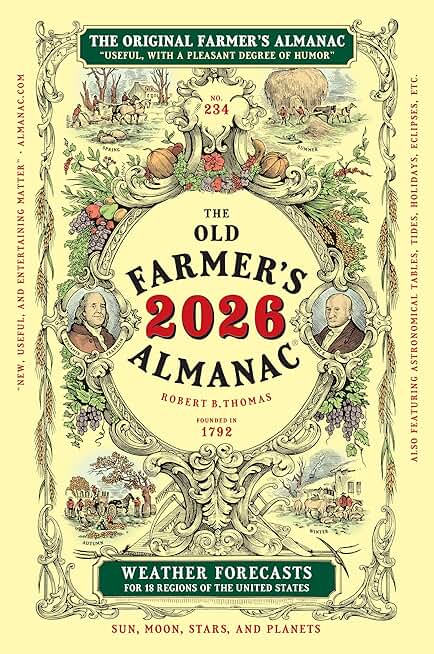
Which trend will you adopt first? The future of farming is in your hands—start shaping it today!


0 Comments