

Estimated Reading Time: 15 minutes
Meta Description: Learn how Kenyan farmers can close the organic yield gap with cost-effective, climate-resilient practices. Actionable steps for higher profits & sustainability.
TL;DR:
- Adopt system diversification to improve soil fertility and break pest cycles.
- Implement integrated soil fertility and nutrient management for reduced erosion.
- Use integrated pest management (IPM) to minimize chemical use while maintaining productivity.
- Maize yields in organic systems can match or exceed conventional yields.
- High-value crops like cabbages and French beans show significant improvements.
Key Takeaways:
- Diversify your crop system to enhance soil health.
- Utilize organic fertilizers and compost to boost yields.
- Employ IPM practices to protect crops naturally.
- Explore drip irrigation systems for water efficiency.
- Leverage local resources and research to stay informed.
Table of Contents:
- Introduction
- Background & Context
- Key Insights or Strategies
- Case Studies, Examples, or Comparisons
- Common Mistakes to Avoid
- Expert Tips or Best Practices
- Future Trends or Predictions
- Conclusion
- FAQs
Introduction
As of August 2026, Kenyan farmers are urgently searching for sustainable, climate-resilient, and cost-effective farming practices amid rising input costs and erratic weather patterns. Organic farming has emerged as a trending, high-impact training need, driven by 15 years of research from the Central Highlands of Kenya proving its agronomic viability.
Background & Context

Organic agriculture in Kenya has seen tremendous growth, with studies highlighting the increased profitability potential for farmers embracing climate-smart practices. The Kenya Organic Agriculture Network reports substantial benefits in environmental sustainability and economic returns for adopters.
Key Insights or Strategies
Adopting System Diversification
System diversification through crop rotation and intercropping can help improve soil fertility and break pest cycles. By rotating crops like legumes and vegetables, farmers can naturally restore soil nutrients and enhance biodiversity.
- Rotate crops to enhance soil nutrients.
- Mix legumes with high-value crops.
- Maintain a diversity of plant species.
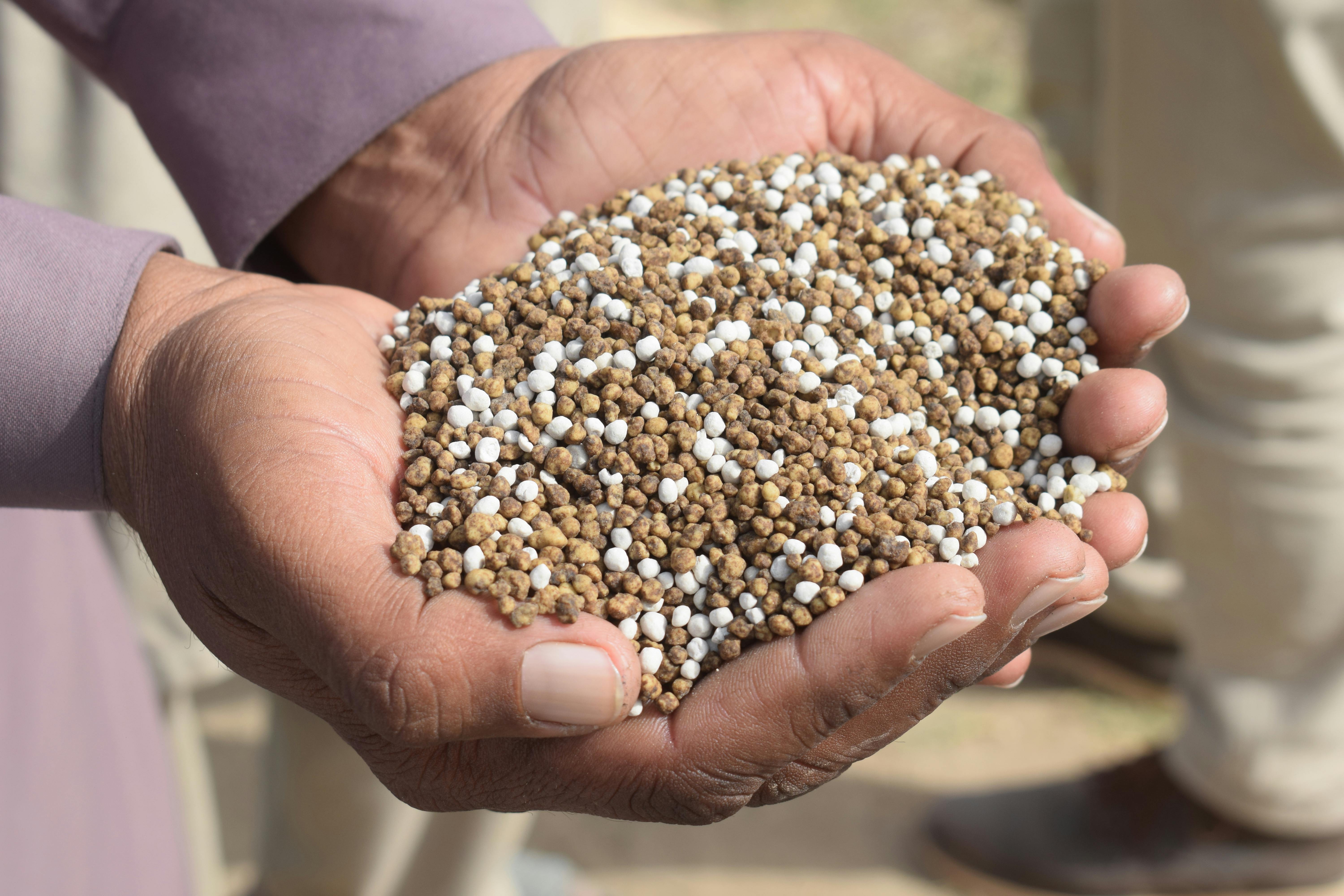
Boost your yields with the AgroThrive Organic Liquid Fertilizer. Its organic composition supports plant growth effectively.
Explore sustainable organic farming solutions with Biofarm Kenya
Implementing Integrated Soil Fertility
Enhancing soil fertility through composting and cover cropping is critical. Integrated soil fertility management, utilizing organic materials, maximizes soil health and water retention.
- Use compost and organic fertilizers.
- Incorporate cover crops for soil protection.
- Regularly test soil health.
Practicing Integrated Pest Management (IPM)
IPM minimizes chemical use while maintaining productivity. By focusing on pest-resistant plant varieties and biological control, farmers can reduce chemical input needs.
- Identify and monitor pest populations.
- Use pest-resistant crop varieties.
- Employ biological pest control agents.
Case Studies, Examples, or Comparisons
Several Kenyan farmers have successfully transitioned to organic farming, seeing increased yields and reduced costs. For instance, a collaboration with the Kenya Institute of Organic Farming showcased how intercropping can double yields without additional inputs.
Common Mistakes to Avoid
- Avoid monocropping to prevent soil depletion.
- Do not over-apply organic fertilizers, as it can harm soil structure.
- Avoid neglecting pest monitoring and bio-control methods.
Expert Tips or Best Practices
Replenish soil nutrients with tools like the HIRALIY Drip Irrigation Kit. Efficient watering systems significantly enhance sustainability.
Maintain healthy soil with CARPATHEN Drip Irrigation System for optimal water usage.
Explore sustainable organic farming solutions with Biofarm Kenya
Future Trends or Predictions
The future of Kenyan agriculture is tilted towards innovative techniques like smart irrigation and AI-driven crop monitoring, providing more precise farming methods.
Conclusion
Adopting organic farming practices allows Kenyan farmers to close the yield gap profitably. Between sustainable fertilizers and advanced irrigation solutions, farmers can look toward more productive futures.
Discover trusted organic farming tools on Amazon andlearn more about sustainable solutions with Biofarm Kenya.
FAQs
What are the key benefits of organic farming in Kenya?
Organic farming enhances soil health and biodiversity, as supported by evidence from the FAO, providing economic and environmental benefits. Learn More
How can farmers transition smoothly to organic practices?
Conduct soil tests and implement gradual changes, as advised by the Kenya Institute of Organic Farming. Learn More
What resources are available for training in organic agriculture?
Resources can be accessed through KEBS and Biofarm Kenya, offering courses and expert guidance. Learn More
How does organic farming affect profitability?
According to KOAN, costs may be reduced over time with enhanced yield stability through consistent soil health management. Learn More
Are there strategies to mitigate risks in organic farming?
Utilize crop diversification and pest-resistant varieties as advised by NEMA to safeguard against uncertainties. Learn More
How does organic farming fit into climate resilience?
Practices aligned with agroecology offer a pathway to increased resilience as promoted by UN agencies. Learn More


0 Comments