

Estimated Reading Time: 12 minutes
TL;DR:
1. Vertical farming revolutionizes crop production with AI-powered hydroponics, maximizing space and boosting yields.
2. Urban and peri-urban Kenyan farmers adopt vertical hydroponics to grow diverse crops sustainably.
3. Smart irrigation, soil testing kits, and organic fertilizers complement vertical farming for optimal results.
4. Avoid common mistakes like over-fertilizing and poor irrigation to maintain soil health.
5. Biofarm Kenya offers sustainable organic farming solutions essential for future-ready agriculture.
Table of Contents
- Introduction
- Background & Context
- Key Insights or Strategies
- Case Studies, Examples, or Comparisons
- Common Mistakes to Avoid
- Expert Tips or Best Practices
- Future Trends or Predictions
- Conclusion
- FAQs
Introduction
As Kenya's population continues to grow, so does the demand for innovative and sustainable agricultural practices that can maximize productivity while preserving natural resources. The vertical farming revolutionizes crop production with AI-powered hydroponics, offering a transformative approach to farming that is reshaping agribusiness and organic farming in Kenya and across East Africa. By integrating cutting-edge technologies and space-efficient methods, vertical farming enables farmers to boost crop yields, reduce water use, and enhance food security, especially in urban and peri-urban areas where land is limited.
Background & Context
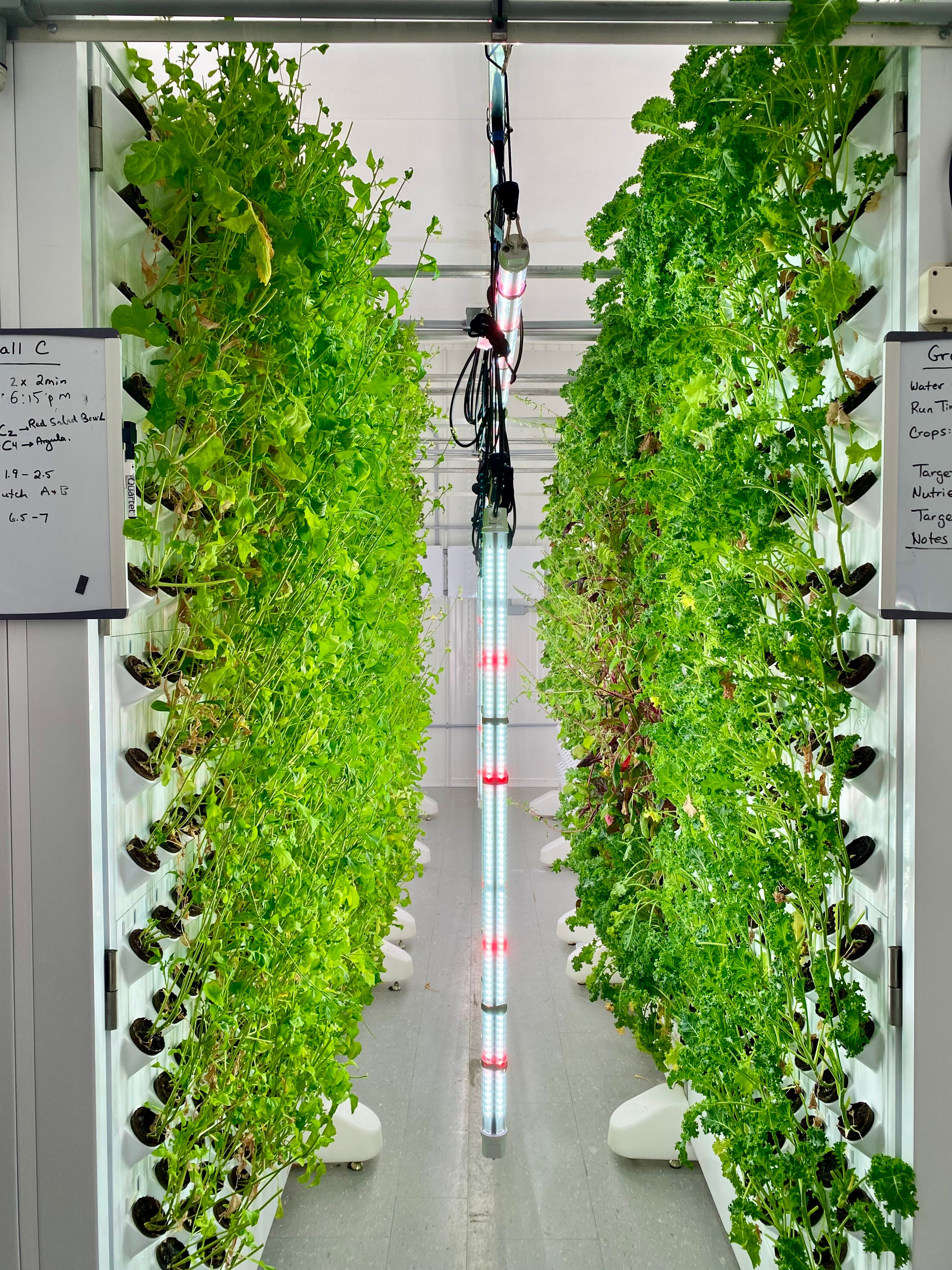
Kenya’s agriculture sector is a cornerstone of its economy, contributing approximately 34% to GDP and employing more than 75% of the rural population. However, challenges like soil degradation, erratic rainfall, and urbanization demand innovative solutions. Organic farming practices have been growing steadily as farmers seek to maintain soil fertility and produce healthier crops free from harmful chemicals.
Recent data from the Ministry of Agriculture indicates a steady increase in agribusiness innovations in Kenya, including hydroponics and other soil-less farming methods. These methods reduce dependency on traditional soil fertility factors and enable farming in new environments.
Hydroponic vertical farming builds on these advantages by stacking crop production vertically, dramatically increasing yield per square meter. This technique, enhanced with AI-driven systems, allows precise nutrient delivery and environmental control, critical for maximizing performance in Kenyan climates.
Key Insights or Strategies
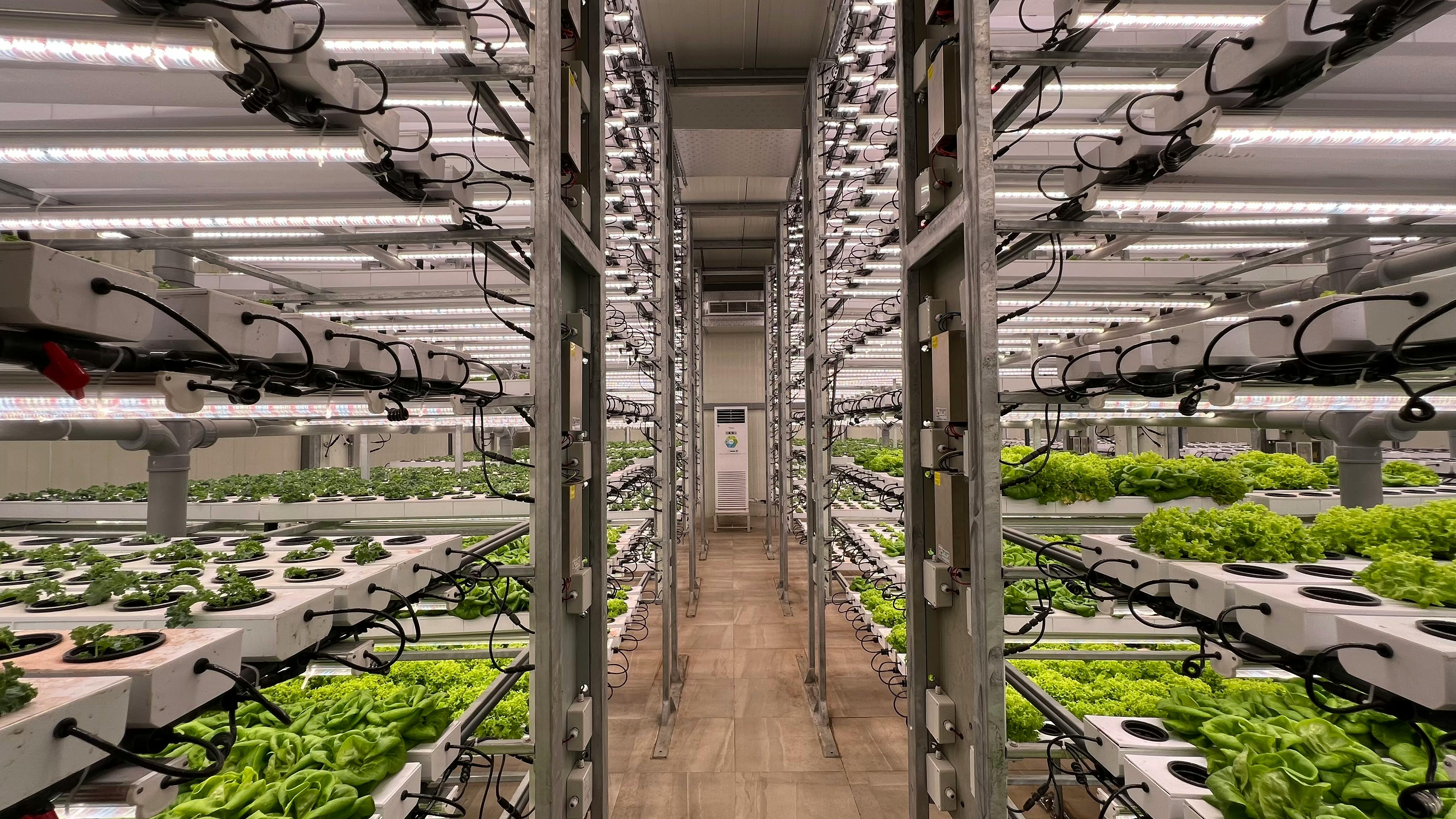
1. Implementing AI-Powered Hydroponic Systems
Leveraging AI to monitor environmental variables such as humidity, temperature, and nutrient flow allows farmers to optimize crop growth conditions continuously. The AI systems analyze data to adjust water and nutrient delivery automatically, preventing resource waste and enhancing yield quality.
- Choose modular vertical hydroponic units to fit your farm space.
- Install sensors for pH, moisture, and nutrient levels integrated with AI control panels.
- Use AI-generated insights for timely interventions in plant care.
- Regularly update AI software for improved recommendations.
Boost your yields with the MySoil Soil Test Kit – available on Amazon, which helps accurately assess nutrient needs in hydroponic nutrient solutions and rooting media.
2. Integrating Efficient Drip Irrigation Systems
Complement hydroponic vertical farming with drip irrigation to deliver precise water amounts directly to plant roots. This reduces water consumption—a critical advantage in water-stressed regions of Kenya.
- Install adjustable drip emitters tailored to crop water requirements.
- Integrate timers or smart controllers for irrigation scheduling.
- Conduct regular system maintenance to prevent clogging and leaks.
- Combine irrigation with rainwater harvesting for sustainability.
Consider the RAINPOINT Drip Irrigation System Kit – available on Amazon for an easy-to-install, customizable solution suitable for greenhouses and urban farms.
3. Applying Organic Fertilizers to Support Soil and Plant Health
For farmers integrating vertical farming with soil-based practices or supplementing hydroponic nutrients, organic fertilizers enhance soil structure and microbial activity. These natural inputs reduce chemical dependency and boost crop resilience.
- Select high-quality organic fertilizers tailored for vegetables and herbs.
- Incorporate fertilizer as per manufacturer’s guidance to avoid nutrient imbalance.
- Combine fertilizer use with compost and mulch for comprehensive soil health.
- Monitor plant growth and adjust organic nutrient applications accordingly.
Maintain healthy crops using the Soil Seed & Water Oasis Blend Organic Fertilizer – available on Amazon, optimized for nutrient retention and water conservation.
Also, Explore sustainable organic farming solutions with Biofarm Kenya for expert guidance and tailored products supporting modern farming practices.
Case Studies, Examples, or Comparisons
Several Kenyan farmers and agribusinesses have successfully adopted vertical hydroponic farming, demonstrating remarkable yield improvements and resource efficiency. For instance, a Nairobi-based urban farm using aeroponic vertical towers has reported a 60% increase in leafy vegetable production per square meter compared to traditional farming methods.
The pilot Tower Farm project in Masai Mara demonstrated that water scarcity challenges could be addressed through hydroponic vertical farming, enhancing local food security despite harsh environmental conditions (Source: Agrotonomy Tower Farms, 2019).
The Food and Agriculture Organization (FAO) of the United Nations highlights that integrating such innovations aligns with Sustainable Development Goal 2: Zero Hunger, emphasizing sustainable food production systems in Kenya and East Africa (FAO SDG 2 Indicator).
Common Mistakes to Avoid
- Over-fertilization: Excess nutrients in hydroponics can harm roots and reduce crop quality; always follow nutrient schedule recommendations.
- Poor water management: Avoid under- or over-watering by calibrating irrigation timings and monitoring moisture levels.
- Ignoring sensor calibration: Inaccurate sensors can mislead AI systems; regular maintenance ensures reliability.
- Lack of biosecurity in urban farms: Prevent pests and diseases by sanitizing equipment and managing plant spacing.
- Neglecting crop variety selection: Choose crops suited to vertical hydroponics and local climate for best results.
Expert Tips or Best Practices
Vertical hydroponic farming requires technical care and local adaptation to thrive. Here are key expert recommendations for Kenyan farmers:
- Start small with modular systems to learn management intricacies before scaling up.
- Maintain consistent nutrient and pH levels using reliable soil and solution testers.
- Regularly clean irrigation and hydroponic tubing to prevent clogging and algae buildup.
- Use organic compost supplements to boost microbial activity when combining soil components.
- Engage with knowledge platforms like Biofarm Kenya for ongoing support and sustainable practices.
Maintain healthy soil and crop vitality with the Organic Compost Starter Mix – available on Amazon, an excellent aid for enhancing nutrient cycling and soil biology.
Explore sustainable organic farming solutions with Biofarm Kenya to integrate modern innovations and expert knowledge for your farm’s success.
Future Trends or Predictions
The future of agriculture in Kenya lies in combining technology and sustainability. Trends poised to shape the sector include:
- AI-driven crop monitoring: Advanced sensors and drones will enable precise plant health diagnostics.
- Expansion of vertical farming: More urban and peri-urban farms will adopt high-density vertical systems for year-round production.
- Smart irrigation solutions: Integration with weather forecasts and soil moisture sensors to optimize water use.
- Biological pest control: Emphasis on natural predators and biopesticides minimizing chemical residues.
- Localized supply chains: Connecting farmers directly with urban markets through digital platforms, reducing waste.
Conclusion
The vertical farming revolutionizes crop production with AI-powered hydroponics to address the unique agricultural challenges facing Kenya today. By adopting smart hydroponic systems, efficient irrigation, and organic fertilization, farmers can significantly boost yields and sustainability. Paired with modern tools such as soil testing kits and practical knowledge from Biofarm Kenya, this approach positions Kenyan agribusinesses at the forefront of innovative and sustainable agriculture.
Discover trusted organic farming tools on Amazon and learn more about sustainable solutions with Biofarm Kenya.
FAQs
1. What is vertical farming and how does it work in Kenya?
Vertical farming is an innovative agricultural technique where crops are grown in vertically stacked layers, often using hydroponic or aeroponic systems to reduce land usage. In Kenya, this method enables urban and peri-urban farmers to efficiently produce a variety of vegetables despite limited space. For more information, see Agricultural Society of Kenya.
2. How does AI improve hydroponic farming?
AI enhances hydroponic farming by continuously monitoring and adjusting key variables such as nutrient concentration, light, temperature, and humidity. This precision helps optimize growth conditions, conserve resources, and predict problems early. Learn more from FAO's agricultural innovation resources.
3. Are vertical farms expensive to set up in Kenya?
Initial investment can be higher due to equipment costs like sensors and AI systems; however, vertical farms save on land, water, and fertilizer. Over time, increased yield and resource efficiency contribute to cost recovery. For guidance, explore resources at Biofarm Kenya.
4. What crops are best suited for vertical hydroponic farming?
Leafy greens like lettuce, spinach, kale, herbs, and certain fruits such as strawberries thrive in hydroponic vertical farms. Crop selection depends on local market demand and system design. See Kenya Ministry of Agriculture guidelines.
5. How can I test soil quality to complement hydroponic systems?
Using soil testing kits like those available on Amazon helps measure pH, moisture, and nutrient levels, which inform fertilizer use and soil amendments. Accurate testing ensures healthy plant growth where soil use integrates with hydroponics. Visit Kenya Bureau of Standards for certified testing methods.
6. What common mistakes should new vertical farmers avoid?
Avoid over-fertilization, neglecting sensor maintenance, poor pest management, and improper crop selection. Consistent monitoring, learning from expert advice, and using reliable tools mitigate these risks. For practical tips, check Biofarm Kenya.
Further authoritative resources and Biofarm Kenya links for your research and practice:


0 Comments