

Estimated Reading Time: 12 minutes
Growing Indoor Farming
Meta Description: Learn about indoor farming's potential $20 billion market.
TL;DR
Revolutionary vertical farming takes center stage in Kenya’s move toward sustainable agriculture. Indoor farming boosts productivity, conserves resources, and offers year-round crop production. Integrating modern soil testing kits and drip irrigation can enhance yields. Adopting greenhouse kits tailored for small farms supports controlled environment agriculture. Biofarm Kenya provides key organic farming solutions to empower Kenyan agribusinesses.
Key Takeaways
Introduction
Kenya stands at the cusp of an agricultural revolution with revolutionary vertical farming takes center stage as a leading approach to meet rising food demands sustainably. The country's growing urban population and limited arable land highlight the urgent need for innovative farming methods such as indoor farming. This practice optimizes space, reduces environmental impact, and improves crop yields. The indoor farming market is poised to reach $20 billion globally, driven by increasing interest in sustainable agribusiness models in East Africa, including Kenya.
This article explores indoor farming's potential, focusing on practical strategies for Kenyan farmers and agribusinesses to capitalize on this trend for enhanced productivity and sustainability.
Background & Context
Kenya's agricultural sector is a crucial pillar of the economy, contributing approximately 33% to GDP and employing over 75% of the rural population. Organic farming practices are gaining traction as farmers seek methods to restore soil fertility and improve food safety. Reports show that soil degradation and fertility loss affect nearly 45% of Kenyan agricultural land, necessitating sustainable interventions.
The adoption of indoor farming and vertical farming techniques offers an opportunity to enhance food security by producing more food per square meter while preserving soil quality. Kenya’s agribusiness sector is experiencing steady growth with increased interest in organic produce, which commands higher market prices locally and internationally.
Key Insights or Strategies
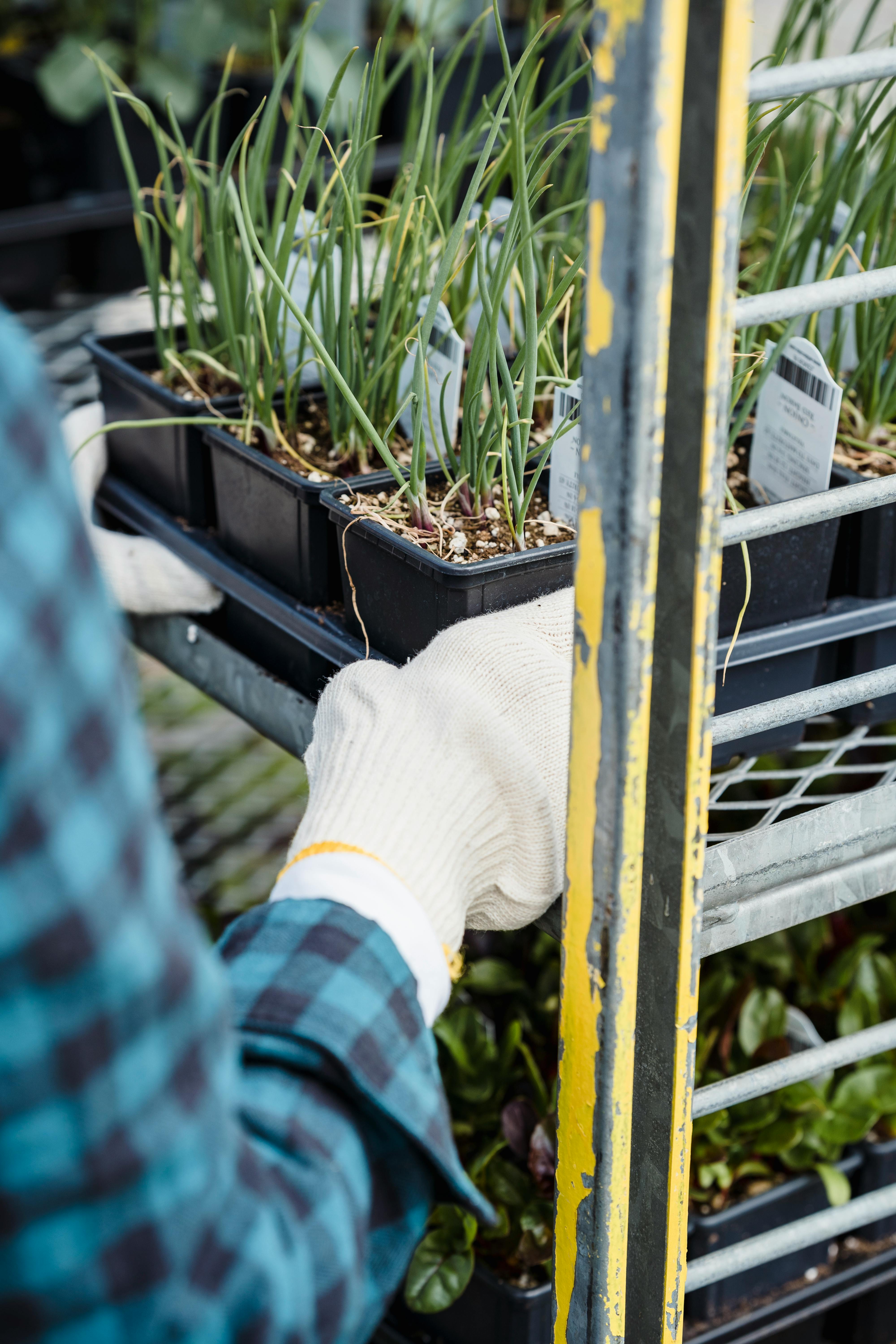
1. Implement Vertical Farming for Space Optimization
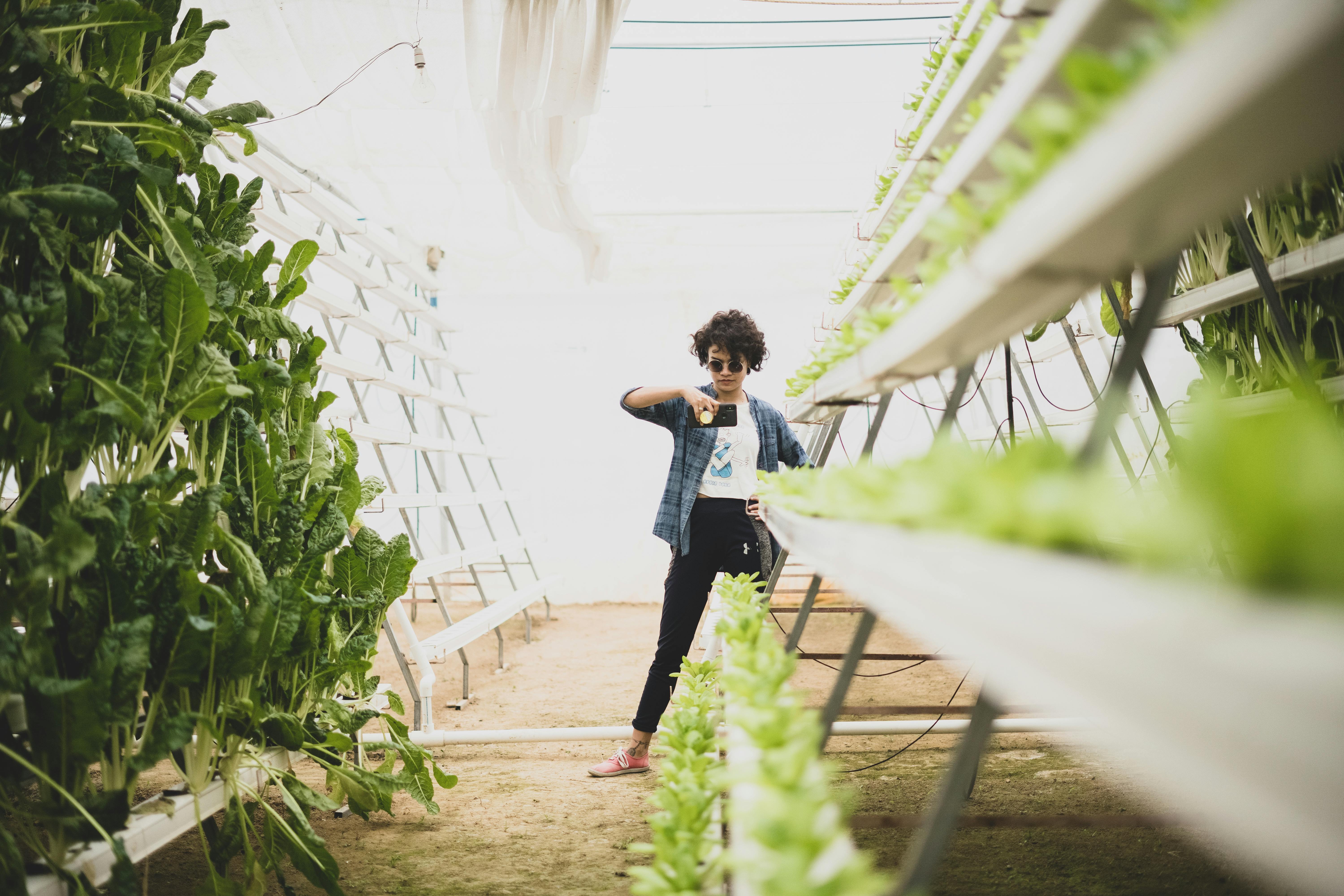
Vertical farming uses vertically stacked layers to grow plants, making efficient use of urban and limited indoor spaces. It relies on controlled environments and LED lighting to maximize photosynthesis throughout the year.
For those interested in setting up efficient irrigation, consider a Drip Irrigation System – available on Amazon. This system conserves water while delivering nutrients directly to plant roots, improving growth conditions indoors.
2. Monitor Soil Health Regularly
Even with indoor farming, soil condition or substrate quality can drastically affect plant health.
The Premium Soil Test Kit – available on Amazon provides comprehensive insights for gardeners and smallholder farms to fine-tune soil conditions.
Explore sustainable organic farming solutions with Biofarm Kenya to access expert advice and quality products suited for Kenyan farmers.
Case Studies, Examples, or Comparisons
Kenyan farmers adopting indoor farming and greenhouse technologies have reported significant yield improvements and income diversification. For instance, greenhouse tomato farmers in Naivasha use vertical racks and drip irrigation to produce year-round, reducing exposure to pests and weather fluctuations.
The Ministry of Agriculture (2023 report) highlights the success of vertical farming pilot projects in Nairobi, which increased leafy vegetable production by 45% using hydroponic vertical systems compared to traditional methods.
Organizations like FAO advocate for controlled environment agriculture as a resilient solution to climate variability affecting East African farming systems (FAO, 2023).
Common Mistakes to Avoid
Correcting these errors ensures optimized growth environments and maximized returns.
Expert Tips or Best Practices
Kenyan indoor and vertical farmers can improve success by following these expert, locally relevant practices:
Explore sustainable organic farming solutions with Biofarm Kenya for personalized assistance and quality agribusiness inputs.
Future Trends or Predictions
Looking ahead, smart irrigation systems powered by IoT and AI will become mainstream in Kenyan indoor farms, optimizing water use and detecting plant stress early. Vertical farming technologies integrating robotics and AI-driven monitoring will help scale operations cost-effectively.
Bio-fortification and integration of aquaponics alongside vertical farming promise to diversify farm outputs and improve nutrition. Government support and private sector investment will drive innovation adoption across Kenyan agribusinesses.
Conclusion
Indoor farming, led by revolutionary vertical farming takes center stage, presents an exciting frontier for Kenyan agribusiness and sustainable agriculture. With the right tools like reliable drip irrigation systems, effective soil testing kits, and versatile greenhouse kits, farmers can maximize yields, conserve resources, and ensure food security.
Discover trusted organic farming tools on Amazon and learn more about sustainable solutions with Biofarm Kenya. Together, these resources empower Kenyan farmers to lead the green revolution.


0 Comments