

Estimated Reading Time: 15 minutes
Table of Contents
- Introduction: The Green Gold Rush – A Bitter Harvest for ManyBackground & Context: Kenya's Avocado Boom and the Hidden StrugglesKey Insights or Strategies: Rebalancing the Scales for Avocado FarmersCase Studies, Examples, or Comparisons: Pathways to Equitable Avocado FarmingCommon Mistakes to Avoid: Pitfalls in the Pursuit of Avocado ProsperityExpert Tips or Best Practices: Cultivating a Fairer Future for FarmersFuture Trends or Predictions: What Lies Ahead for Kenya's Avocado IndustryConclusion: Sowing Seeds of Change for a Sustainable and Equitable FutureFAQs
Introduction: The Green Gold Rush – A Bitter Harvest for Many
Kenya, often celebrated as an agricultural powerhouse, has witnessed an unprecedented boom in its avocado industry. The creamy, nutrient-rich fruit has become a global sensation, driving significant export revenues for the nation. However, beneath the gleaming facade of this 'green gold rush' lies a stark and unsettling truth. As we approach 2026, the question of who truly profits from this burgeoning market becomes increasingly urgent. This article aims to uncover the 2026 reality of Kenya's avocado gold rush. Learn how small farmers are trapped in poverty while middlemen siphon billions, exposing a stark profit imbalance. It’s a narrative of incredible potential overshadowed by systemic inequities, where the very backbone of the industry – the small-scale farmer – is consistently left behind.
While headlines often trumpet the billions earned from avocado exports, the ground reality for the majority of Kenyan avocado farmers tells a different story. These dedicated cultivators, toiling under challenging conditions, find themselves in a precarious position, caught between rising production costs and the predatory practices of opportunistic intermediaries. Eco-Oasis Farm is dedicated to shedding light on these critical issues, advocating for transparency, equity, and sustainable practices that benefit all stakeholders within the agricultural value chain. Understanding this complex dynamic is the first step towards fostering a more just and prosperous future for Kenya's invaluable farming communities.
Background & Context: Kenya's Avocado Boom and the Hidden Struggles
Kenya's journey to becoming a leading avocado exporter is a testament to its fertile lands and resilient farming communities. The country currently ranks as the 6th largest avocado producer globally, with an estimated 70% of its production coming from smallholder farmers. This remarkable agricultural success, however, masks a deeply entrenched issue: the vast majority of these small-scale farmers are effectively locked out of the premium international export markets. This exclusion directly contributes to their economic vulnerability and perpetuates a cycle of poverty, even as the industry thrives around them.
The projected future paints a picture of continued growth, with the Food and Agriculture Organization (FAO) and industry forecasts indicating that Kenya's avocado production is set to increase by 4.8 percent in 2026, reaching approximately 727 thousand metric tons. This growth underscores the immense potential for wealth generation, yet without structural changes, this wealth will continue to bypass those who cultivate the fruit. Research by various agricultural bodies consistently points to weak logistics, significant post-harvest losses, and capital constraints as primary barriers for smallholders trying to access lucrative markets. These systemic challenges create an environment ripe for exploitation by middlemen, who leverage their access to markets and transport to buy avocados at rock-bottom prices from farmers, only to sell them at significant mark-ups to exporters and local markets.
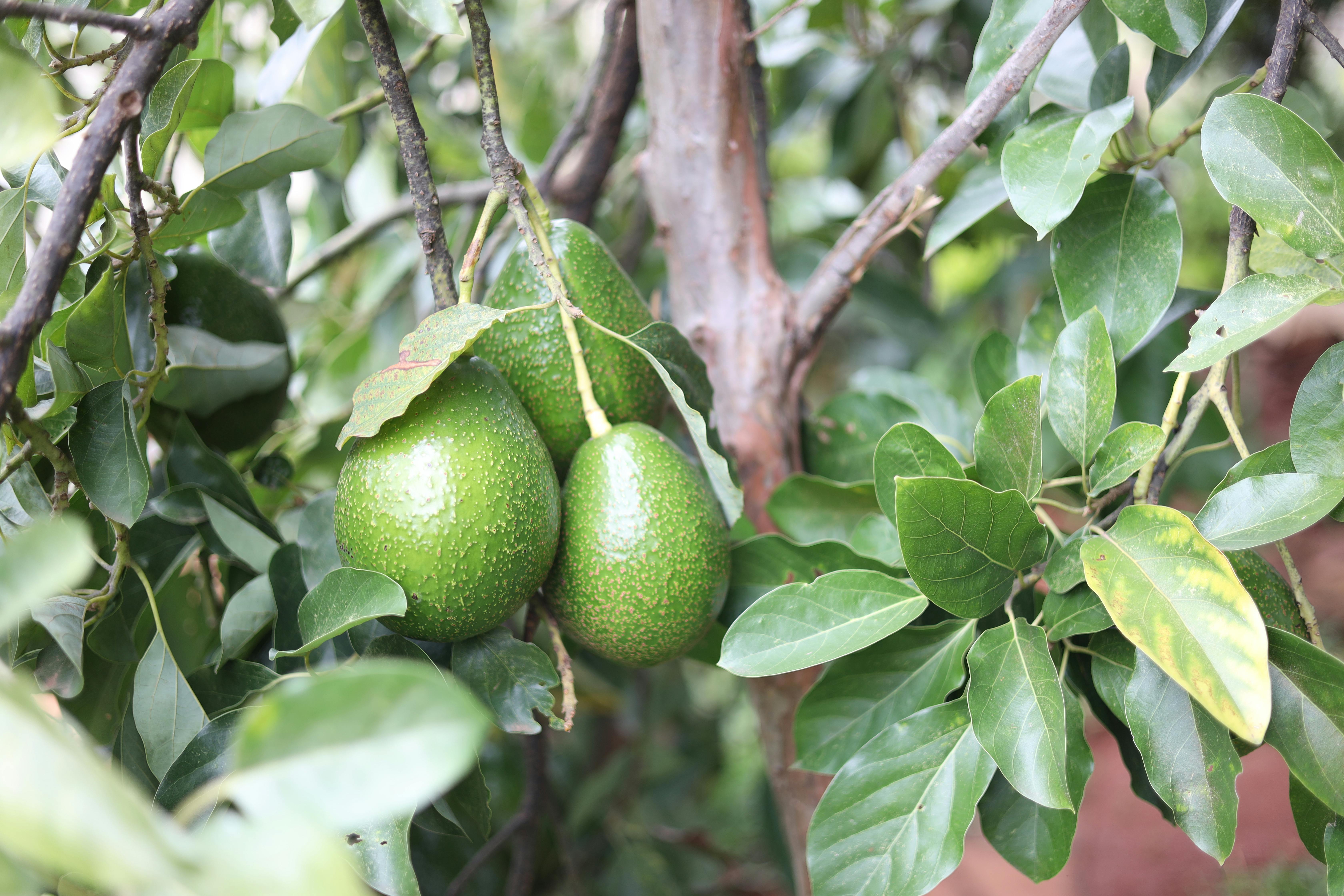
This disparity is not merely anecdotal; it is a well-documented economic reality. A study by the Kenya Agricultural & Livestock Research Organization (KALRO) highlighted that while a kilo of Hass avocado could fetch upwards of KES 100-150 in the export market, farmers often receive as little as KES 5-20 per kilo from local brokers. This enormous margin illustrates the billions of shillings being siphoned off by intermediaries, leaving farmers struggling to cover their basic living expenses and reinvest in their farms. The environmental implications are also considerable; without adequate returns, farmers may be less inclined or able to invest in sustainable farming practices, potentially leading to long-term land degradation and reduced biodiversity.
Key Insights or Strategies: Rebalancing the Scales for Avocado Farmers
Addressing the systemic inequalities in Kenya's avocado value chain requires a multi-faceted approach focused on empowering smallholder farmers and fostering a more transparent and equitable market. By implementing strategic interventions, we can help uncover the 2026 reality of Kenya's avocado gold rush as one where prosperity is shared, not hoarded.
Direct Market Access Initiatives
The most significant hurdle for small-scale farmers is access to direct markets, particularly for export. Establishing farmer cooperatives or grower associations can aggregate produce, allowing farmers to meet export volume and quality requirements collectively. These groups can then negotiate directly with exporters, cutting out the intermediaries and securing fairer prices.
This approach not only increases farmer income but also provides them with greater bargaining power and a collective voice in the industry.
Investing in Post-Harvest Infrastructure
Significant post-harvest losses, sometimes estimated at 20-30% of the harvest, occur due to inadequate storage, poor handling, and slow transportation. Investing in accessible, decentralized cold storage facilities and improved transport logistics at the local level can drastically reduce these losses.
Reducing post-harvest losses directly translates to more marketable produce and, consequently, higher income for farmers.
Promoting Sustainable and Climate-Resilient Practices
Sustainable farming is not just an environmental imperative; it's an economic one. Practices that conserve soil health, manage water efficiently, and enhance biodiversity can lead to higher yields, reduced input costs, and greater resilience to climate change. For example, adopting drip irrigation systems, as explored by researchers, can significantly mitigate drought impacts.

Sustainable farming also opens doors to niche markets that demand environmentally conscious produce, potentially fetching premium prices. To further explore how sustainable practices can transform your farming operations and connect you with resources, Explore sustainable living solutions with Eco-Oasis Firm.
Case Studies, Examples, or Comparisons: Pathways to Equitable Avocado Farming
Examining successful models and real-world initiatives provides a clear roadmap for how Kenya can overcome its avocado profit disparity. These examples demonstrate that with concerted effort, smallholders can indeed thrive and secure their rightful share of the 'green gold.'
One inspiring case study comes from the **Kakuzi Plc model** in Kenya, though primarily a large-scale producer, it has demonstrated the benefits of integrated value chains. While not a smallholder model, its success in managing orchards, processing, and direct export illustrates the efficiency gains when all stages are controlled. This shows the potential for farmer cooperatives to emulate parts of this model by integrating more aspects of the supply chain themselves, from sorting and grading to direct export negotiations. By forming robust cooperatives, smallholders can collectively gain the leverage and capacity that individual farmers lack.
Another powerful example is the rise of **Fairtrade certification** in various agricultural sectors across Africa. While not yet widespread in Kenyan avocados, Fairtrade initiatives in coffee and tea have shown tangible benefits for smallholder farmers, including guaranteed minimum prices, social premiums for community development, and direct relationships with buyers. Implementing similar Fairtrade standards for avocados would significantly impact farmer income and living standards. For instance, Fairtrade-certified coffee farmers often see an increase of 20-30% in their income compared to conventional markets, coupled with investment in community projects like schools and health clinics.
In countries like Peru and Mexico, which are major avocado exporters, farmer associations play a critical role in market access and quality control. The **Michoacán avocado industry in Mexico**, for example, is heavily organized with strict quality controls and collective bargaining, allowing farmers to command better prices. While facing its own challenges, the level of organization provides a valuable lesson. Smallholder farmers there, despite external pressures, have greater agency through their associations, which manage certifications and export logistics collectively. These associations often manage quality standards rigorously, ensuring their produce meets the high demands of international markets.
Furthermore, technological innovations offer new avenues. Platforms connecting farmers directly to buyers, often leveraging mobile technology, are emerging. These platforms aim to increase transparency in pricing and reduce reliance on multiple layers of intermediaries. For example, initiatives like the **'Farm-to-Fork' apps** being piloted in other African countries allow farmers to list their produce, and buyers to place orders directly, streamlining the supply chain and ensuring farmers receive a larger share of the final sale price. This digital integration is projected to reduce transactional costs by up to 15% and increase farmer revenue by 10-25% in its early stages of implementation. Such innovations are crucial for realizing a more equitable 'green gold rush' in Kenya.
Common Mistakes to Avoid
Navigating the complex landscape of the avocado industry requires vigilance. Smallholder farmers and supporting organizations must avoid several common pitfalls that can undermine efforts to achieve greater profitability and sustainability. Understanding these mistakes is crucial for any strategy designed to help uncover the 2026 reality of Kenya's avocado gold rush as a more prosperous one for all.
Expert Tips or Best Practices: Cultivating a Fairer Future for Farmers
For Kenya’s avocado farmers to truly benefit from the industry’s growth, adopting expert-backed strategies and best practices is paramount. These tips are designed to empower smallholders, enhance their profitability, and contribute to a more sustainable agricultural ecosystem.
Future Trends or Predictions: What Lies Ahead for Kenya's Avocado Industry
As we look towards 2026 and beyond, several trends are poised to reshape Kenya's avocado industry. These shifts present both challenges and opportunities, and understanding them is crucial for smallholders aiming to secure their future in this dynamic market. The ability to adapt to these changes will be key to helping uncover the 2026 reality of Kenya's avocado gold rush as a more equitable and sustainable one.
Conclusion: Sowing Seeds of Change for a Sustainable and Equitable Future
The narrative of Kenya's avocado industry in 2026 is at a critical juncture. While the 'green gold rush' promises immense prosperity, the current reality sees billions siphoned off by intermediaries, leaving the very farmers who cultivate this valuable fruit trapped in a cycle of poverty. The projected increase in production to 727 thousand metric tons by 2026 amplifies the urgency of addressing this stark profit imbalance. It is no longer enough to merely celebrate export volumes; we must critically assess who benefits from this growth and actively work towards a more equitable distribution of wealth.
To truly uncover the 2026 reality of Kenya's avocado gold rush as one of shared prosperity, a concerted effort is required from all stakeholders. This includes empowering smallholder farmers through direct market access, investing in robust post-harvest infrastructure, and championing sustainable and climate-resilient farming practices. By fostering strong farmer cooperatives, embracing technological innovations for transparency, and promoting ethical sourcing, Kenya can transform its avocado sector into a beacon of inclusive growth. The future of Kenya's avocado industry hinges on our collective commitment to fairness, sustainability, and the economic empowerment of its most vital asset: its farmers.
We urge consumers, policymakers, and industry players to support initiatives that ensure small-scale farmers receive their rightful share of the avocado wealth. Their livelihoods and the long-term sustainability of this vital agricultural sector depend on it. For more information on how you can contribute to and benefit from sustainable agricultural practices and fair trade principles, Explore sustainable living solutions with Eco-Oasis Firm. Let us cultivate a future where every avocado represents not just profit, but also justice and dignity for all.
FAQs
Q1: Why are small-scale avocado farmers in Kenya struggling despite the industry's growth?
A1: Small-scale farmers struggle primarily due to a lack of direct access to lucrative export markets, poor post-harvest handling infrastructure, and limited financial resources. These factors make them heavily reliant on middlemen who often purchase their produce at significantly low prices, siphoning off the majority of the profits. This disparity is a key factor in why farmers are left behind in Kenya's avocado gold rush. Source: The Standard.
Q2: How do middlemen affect the profitability of avocado farmers in Kenya?
A2: Middlemen act as intermediaries between farmers and exporters or larger markets. They often exploit farmers' lack of market information, limited storage, and urgent need for cash by offering extremely low prices. They then sell the avocados at a much higher price, capturing a disproportionate share of the value chain profits. This systemic issue leads to billions being siphoned away from the producers. Source: Business Daily Africa.
Q3: What is the forecast for Kenya's avocado production in 2026?
A3: According to industry forecasts, Kenya's avocado production is projected to rise by 4.8 percent in 2026, reaching approximately 727 thousand metric tons. This growth signifies the increasing importance of Kenya in the global avocado market, but also highlights the critical need to ensure this growth benefits smallholder farmers more equitably. Source: USDA Foreign Agricultural Service.
Q4: What steps can small-scale farmers take to improve their profits?
A4: Small-scale farmers can improve their profits by forming or joining cooperatives to collectively access better markets and negotiate prices. Investing in improved post-harvest handling, adopting sustainable farming practices, and utilizing technology for market information can also significantly enhance their income and reduce losses. Direct contracts with exporters can also bypass middlemen. Source: FAO Kenya.
Q5: What role does sustainability play in Kenya's avocado industry?
A5: Sustainability is increasingly vital. Adopting practices like efficient water management (e.g., drip irrigation), soil conservation, and biodiversity preservation can lead to higher yields, reduced input costs, and resilience to climate change. Sustainable practices also open doors to premium export markets that prioritize environmentally and ethically produced goods, enhancing farmer profitability in the long run. Source: CIAT (International Center for Tropical Agriculture).
Q6: Are there initiatives in Kenya to help small-scale avocado farmers?
A6: Yes, various government, NGO, and private sector initiatives aim to support small-scale avocado farmers. These include training programs on good agricultural practices, facilitating access to credit, promoting farmer cooperatives, and developing better market linkages. Such efforts are crucial for addressing the existing profit imbalance and ensuring farmers can participate fully in the avocado boom. Source: USAID Kenya.
Internal Link Suggestions (for your website):


0 Comments