Estimated Reading Time: 10 minutes
TL;DR:Kenya's pork market is experiencing a significant demand surge, outpacing supply and creating substantial profit opportunities for farmers.Modern pig farming techniques, including improved breeds (Landrace, Large White, Duroc, Camborough), efficient housing, and advanced feed management, are crucial for maximizing profitability and sustainability.High feed costs remain a primary challenge, but innovative solutions like utilizing food waste and optimizing feed conversion ratios can mitigate this.Sustainable practices, such as zero-waste systems and manure-to-fertilizer conversion, enhance environmental stewardship and farm efficiency.With strategic planning, biosecurity, and a focus on market needs, Kenyan pig farmers can achieve millionaire status by tapping into this lucrative agricultural goldmine.
Key Takeaways:Invest in Quality Breeds: Opt for high-yielding, disease-resistant breeds like Camborough or Landrace to ensure faster growth and better meat quality.Optimize Feed Management: Implement balanced feed formulations and explore alternative, sustainable feed sources to drastically reduce operational costs.Embrace Modern Housing: Design pig houses that ensure proper ventilation, hygiene, and space for optimal animal welfare and disease prevention.Prioritize Biosecurity: Establish strict biosecurity protocols to prevent disease outbreaks, which can lead to significant financial losses.Explore Value Addition: Consider processing pork products or integrating with local markets to capture higher profit margins and meet diverse consumer demands.
Introduction: Unearthing Kenya's Agricultural Goldmine
In the vibrant landscape of Kenyan agriculture, a quiet revolution is underway, transforming the fortunes of shrewd farmers who have recognized an untapped potential. This agricultural revelation lies not in traditional cash crops, but in the booming demand for pork, positioning pig farming as the next significant frontier for prosperity. For those with an entrepreneurial spirit and a willingness to adopt modern, efficient practices, pig farming in Kenya is swiftly becoming the millionaire farmers' secret. It's an exciting time to explore Kenya's next agricultural goldmine. High domestic demand for pork offers farmers impressive profits with modern pig raising techniques and strategies, promising substantial returns for those who innovate and invest wisely.
Kenya's growing population and evolving dietary preferences have created a robust market for pork products, a demand that currently outstrips local supply. This imbalance presents a golden opportunity for farmers to step in and fill the void, turning humble pigsties into significant revenue streams. By integrating scientific approaches, sustainable methods, and astute business acumen, farmers are discovering that pig farming is not just a livelihood, but a pathway to significant wealth and economic stability.
Background & Context: The Rise of Pork in Kenya
The agricultural sector in Kenya has long been the backbone of its economy, providing livelihoods for a majority of its population. While traditional livestock such as cattle and goats have historically dominated, the pig industry has quietly surged, driven by urbanization, increased disposable income, and changing food consumption patterns. The demand for pork in Kenya has experienced a notable acceleration, with the market growing faster than the current supply, creating a compelling investment climate for aspiring farmers (Farmers Trend Limited, LinkedIn).
This escalating demand is not just anecdotal; statistics underscore its significance. In 2023, Kenya's livestock production, including pigs, contributed approximately KES 190.5 billion to the national economy, highlighting the sector's immense economic importance (Kenya News Agency). This robust contribution signals a mature yet expanding market ripe for efficient and scalable pig farming operations. The average price for a 90-kilogram pig can range from KES 28,000 to KES 32,000, illustrating the significant per-animal profit potential (Farmers Trend Limited, LinkedIn).
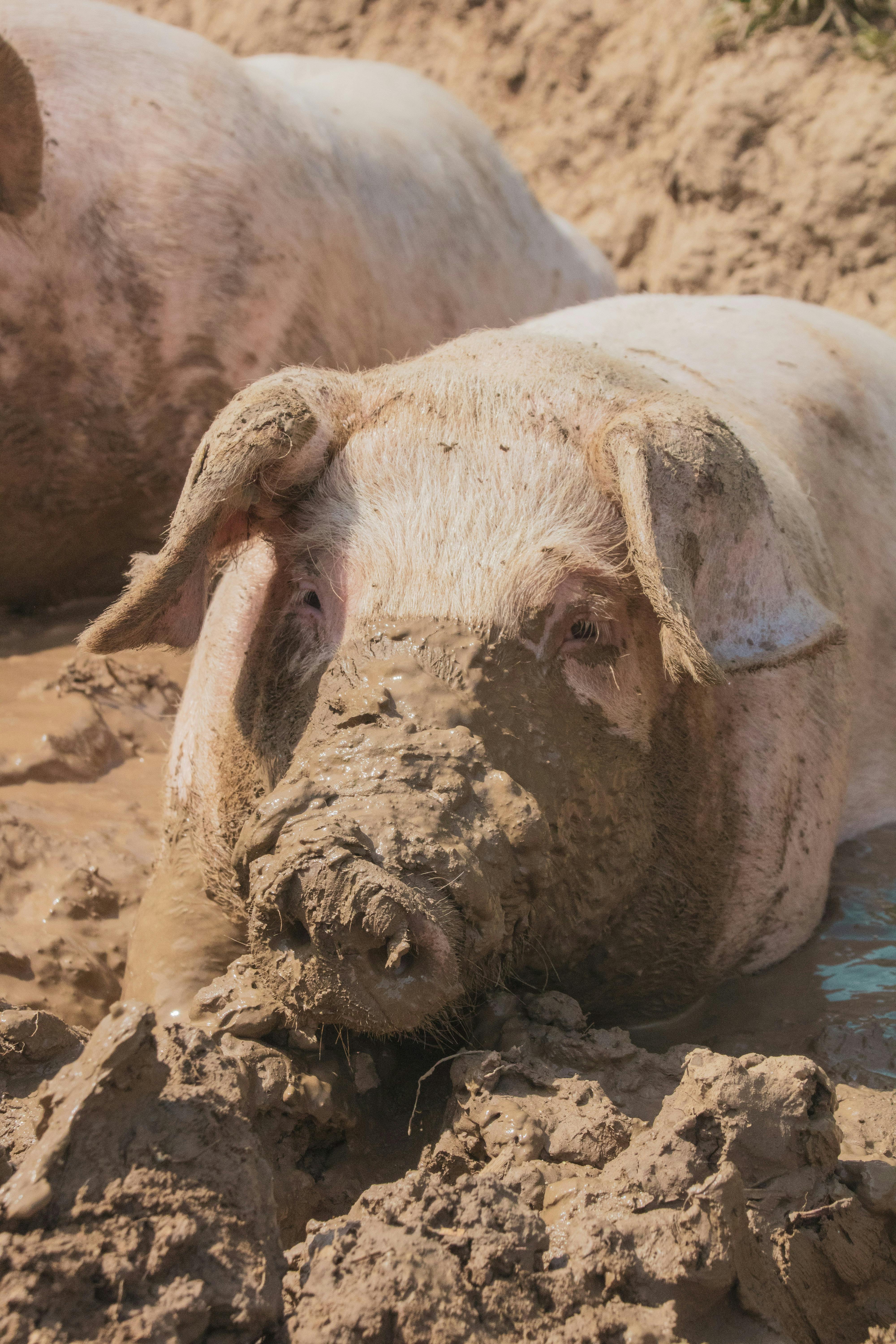
Key Insights & Strategies for Millionaire Farmers
To truly unlock the millionaire potential of pig farming in Kenya, farmers must move beyond traditional methods and adopt a strategic, modern approach. This involves a careful selection of breeds, optimized feed management, and the implementation of advanced housing and health protocols. These insights are designed to help you navigate the lucrative journey of pig farming with efficiency and sustainability.
Selecting Superior Pig Breeds for Profitability
The foundation of a successful pig farm begins with choosing the right genetics. Kenyan farmers have access to several high-performing breeds known for their rapid growth rates, feed conversion efficiency, and carcass quality. These breeds are essential for a farm to efficiently explore Kenya's next agricultural goldmine. High domestic demand for pork offers farmers impressive profits with modern pig raising techniques and strategies.
Camborough: Known for its exceptional mothering abilities, large litter sizes, and lean meat production, Camborough is a top choice for commercial operations (Crazy Kanairo Farming).Landrace: This breed is celebrated for its long body, excellent prolificacy, and high milk production, making it ideal for breeding programs.Large White: Renowned for its rapid growth, good meat quality, and adaptability, the Large White is a versatile breed suitable for various farming systems.Duroc: Valued for its robust nature, lean muscle growth, and flavorful pork, Duroc genetics can enhance the quality of your final product.Optimizing Feed Management for Maximum Returns
Feed constitutes the largest operating cost in pig farming, often accounting for 60-80% of total expenses. Efficient feed management is therefore paramount for profitability.
Balanced Formulations: Work with animal nutritionists to develop balanced diets tailored to the pigs' age, weight, and physiological stage (e.g., growers, finishers, sows).Sourcing Quality Ingredients: Secure reliable sources for high-quality protein (soybean meal, fish meal), energy (maize, barley), vitamins, and minerals.Reducing Waste: Invest in feeders that minimize spillage. Implement a feeding schedule that prevents overfeeding and ensures fresh feed is always available.Exploring Alternative Feeds: Consider incorporating locally available, cost-effective alternatives like food waste (properly processed to ensure safety) or agricultural by-products, which can significantly lower feed costs (NCBI, The Piggy Solution).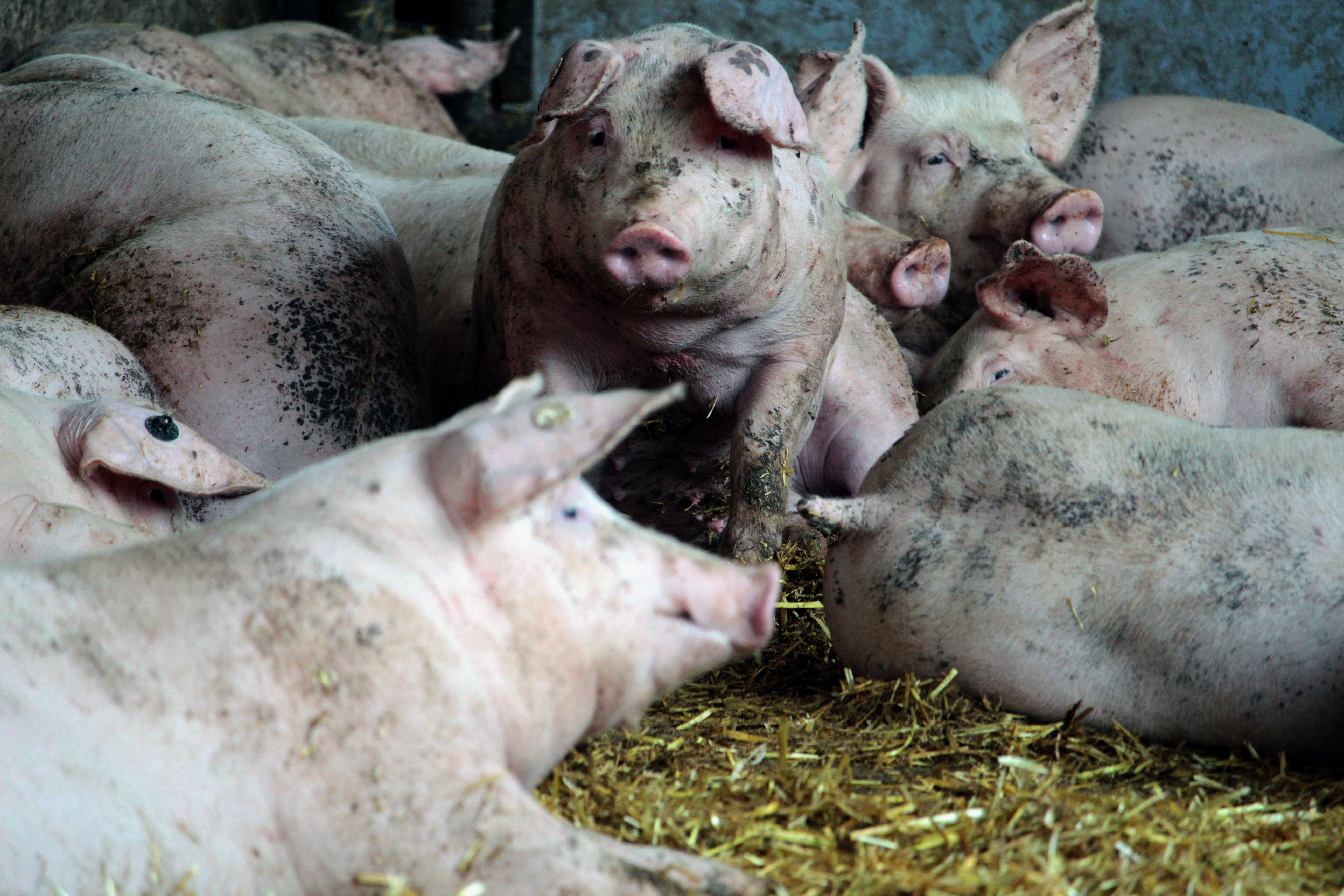
Implementing Modern Housing & Biosecurity
Proper housing and stringent biosecurity measures are critical for preventing diseases, promoting animal welfare, and enhancing productivity.
Ventilation and Temperature Control: Design houses with adequate ventilation to prevent respiratory issues and maintain optimal temperatures, especially for young piglets.Hygiene and Sanitation: Regular cleaning and disinfection of pens are non-negotiable. Implement a 'all-in, all-out' system where possible, to break disease cycles.Biosecurity Protocols: Establish strict entry and exit procedures for personnel and vehicles, quarantine new animals, and control pests and rodents to safeguard your herd from diseases.Waste Management: Implement sustainable waste management systems, such as converting pig manure into organic fertilizer or biogas, reducing environmental impact and generating additional revenue streams (Jawamu Farm, Facebook).By integrating these sophisticated strategies, pig farmers in Kenya can elevate their operations from subsistence to substantial profitability, aligning with global best practices in sustainable livestock production. To delve deeper into creating an eco-conscious and highly efficient farm, you may wish to Explore sustainable living solutions with Eco-Oasis Firm.
Case Studies, Examples, or Comparisons
The success stories of pig farmers in Kenya are testament to the industry's potential. Across various regions, innovative farmers are demonstrating how modern techniques and strategic planning can lead to remarkable profits and sustainable operations. These examples serve as powerful inspiration for anyone looking to explore Kenya's next agricultural goldmine. High domestic demand for pork offers farmers impressive profits with modern pig raising techniques and strategies.
One notable example is the growing trend of integrated farming systems, often seen in Western Kenya. Farmers here are increasingly adopting practices that link pig production with crop cultivation. Manure from pig farms is processed and used as organic fertilizer, enriching soil health and reducing the need for chemical inputs for crops like maize and vegetables. This not only cuts down on waste but also creates a circular economy on the farm, boosting overall profitability (Mutua et al., 2020, ResearchGate). Such integration showcases how small-scale pig farmers, often owning 10-100 pigs, can achieve significant returns by diversifying their farm activities and embracing ecological efficiencies.
Another compelling case involves farms that have invested in modern piggery designs, focusing on improved ventilation, automated feeding systems, and disease control. Farms that have embraced breeds like the Camborough or Landrace, known for their superior genetic traits, report significantly faster growth rates and better feed conversion ratios. This directly translates to earlier market readiness and higher per-animal profits. For instance, reports indicate that farms adopting these modern approaches can see returns of up to 40% per production cycle, provided strict biosecurity and feed management are maintained (Crazy Kanairo Farming).
Furthermore, some pioneering farms are exploring advanced waste-to-energy solutions. By installing biogas digesters, they convert pig manure into methane gas, which is then used for cooking, lighting, or even generating electricity. This not only addresses environmental concerns related to waste disposal but also reduces energy costs, adding another layer of profitability and self-sufficiency to the farm's operations. These real-world applications underscore the transformative power of innovation in Kenya's pig farming sector.
Common Mistakes to Avoid
While the prospect of high returns in pig farming is appealing, many aspiring and even experienced farmers fall prey to common pitfalls that can undermine their profitability and sustainability. Avoiding these mistakes is crucial for anyone aiming to explore Kenya's next agricultural goldmine. High domestic demand for pork offers farmers impressive profits with modern pig raising techniques and strategies successfully.
Inadequate Research and Planning: Jumping into pig farming without a comprehensive business plan and market analysis is a recipe for disaster. Many farmers fail due to a lack of understanding of feed costs, market dynamics, and potential challenges (Facebook, Challenges and best practices of pig farming in Kenya).Poor Feed Management: High feed costs are the biggest challenge for Kenyan pig farmers. Inefficient feeding, using low-quality feeds, or neglecting to formulate balanced diets leads to slow growth rates and wasted resources, significantly eroding profit margins.Neglecting Biosecurity: Overlooking strict biosecurity measures is a common and costly mistake. Disease outbreaks can wipe out an entire herd, leading to immense financial losses and operational setbacks. Proper vaccination, quarantine for new animals, and stringent hygiene are non-negotiable.Substandard Housing: Cramped, poorly ventilated, or unsanitary housing conditions stress pigs, make them more susceptible to diseases, and hinder growth. Investing in appropriate housing is vital for animal welfare and productivity.Lack of Market Linkages: Producing pigs without established market channels can lead to difficulties in selling at good prices. Many farmers struggle to sell their pigs effectively, highlighting the need for strong connections with butchers, hotels, and processors.Ignoring Waste Management: Failing to manage pig waste properly not only creates environmental hazards but also misses an opportunity for additional income through organic fertilizer or biogas production. This oversight can also lead to regulatory issues.
Expert Tips & Best Practices
For those committed to thriving in Kenya's burgeoning pork industry, embracing expert advice and best practices is indispensable. These tips go beyond basic farming, offering insights into achieving higher efficiency, greater sustainability, and ultimately, millionaire status by effectively managing your venture to explore Kenya's next agricultural goldmine. High domestic demand for pork offers farmers impressive profits with modern pig raising techniques and strategies.
Continuous Learning and Training: Stay updated on the latest pig farming techniques, disease management, and market trends. Attend workshops, seminars, and connect with agricultural extension services like KALRO for invaluable knowledge.Precision Feeding: Implement a data-driven approach to feeding. Monitor feed intake, weight gain, and feed conversion ratios closely. Adjust diets based on performance and economic factors. Consider automated feeders for consistent delivery and reduced waste.Proactive Health Management: Work closely with a veterinary doctor to develop a comprehensive health plan. This includes a vaccination schedule, regular deworming, and prompt treatment of any ailments. Prevention is always more cost-effective than cure.Environmental Stewardship: Beyond waste-to-fertilizer, explore water-saving techniques in your piggery. Collect rainwater, reuse treated water for irrigation, and minimize water wastage in cleaning. This reduces operational costs and enhances your farm's eco-friendly profile. Try exploring Explore sustainable living solutions with Eco-Oasis Firm for resources on water conservation and sustainable farm designs.Value Addition: Don't just sell live pigs. Explore opportunities for value addition such as processing pork into sausages, bacon, ham, or cuts for local eateries. This allows you to capture a larger share of the market value.Record Keeping: Maintain meticulous records of breeding cycles, feed consumption, growth rates, health treatments, and financial transactions. This data is critical for informed decision-making, identifying areas for improvement, and demonstrating profitability.Market Diversification: Don't rely on a single buyer. Cultivate relationships with various buyers, including local butchers, restaurants, hotels, and even individual consumers to ensure consistent sales and better pricing.
Future Trends & Predictions
The pig farming sector in Kenya is dynamic, influenced by both local and global trends in agriculture, technology, and consumer preferences. Anticipating these shifts is key for farmers who wish to maintain their competitive edge and continue to explore Kenya's next agricultural goldmine. High domestic demand for pork offers farmers impressive profits with modern pig raising techniques and strategies well into the future.
Increased Adoption of Technology: We anticipate a significant rise in the use of smart farming technologies. This includes automated feeding systems, environmental monitoring sensors (for temperature, humidity, and ammonia levels), and even AI-powered disease detection systems. These technologies will improve efficiency, reduce labor costs, and enhance animal welfare.Focus on Sustainable & Ethical Practices: Consumer awareness regarding animal welfare and environmental impact is growing globally, and Kenya is no exception. Future trends will lean heavily towards sustainable pig farming, emphasizing ethical treatment, reduced carbon footprint, and waste recycling. Farms adopting 'zero-waste' models, where manure is converted into energy or fertilizer, will gain a significant market advantage.Rise of Organic & Free-Range Pork: A niche market for organic and free-range pork is expected to expand, driven by health-conscious consumers willing to pay a premium. Farmers who can meet stringent certification standards for these products will tap into a lucrative segment.Stronger Value Chain Integration: The industry will likely see greater vertical integration, with more farmers engaging directly in processing, packaging, and branding their own pork products. This will minimize reliance on middlemen, increase profit margins, and ensure quality control from farm to fork.Climate Change Adaptation: As climate patterns become more unpredictable, pig farmers will need to invest in climate-resilient housing and management strategies. This includes designs that can withstand extreme temperatures and efficient water management systems to cope with potential droughts. Research into heat-tolerant pig breeds may also become more prominent.Enhanced Biosecurity Regulations: In response to global animal disease threats, expect more rigorous biosecurity regulations and standards to be enforced by agricultural authorities. Compliance will be crucial for market access and consumer confidence.
Conclusion: Seizing the Pork Profit Opportunity
Kenya's pig farming sector stands at the precipice of a transformative era, offering unparalleled opportunities for financial growth and agricultural innovation. The burgeoning domestic demand for pork, coupled with the potential for impressive profits, positions this industry as a true agricultural goldmine. By embracing modern techniques, investing in superior breeds, and meticulously managing feed and biosecurity, farmers can navigate challenges and cultivate highly successful, sustainable enterprises. The journey to becoming a millionaire farmer in Kenya's pork industry is within reach, requiring strategic planning, continuous learning, and a commitment to best practices.
The path forward is clear: innovation, sustainability, and market responsiveness are the pillars upon which future success will be built. As the nation's palate continues to evolve, those who are agile and adaptable in adopting advanced pig-raising techniques and strategies will reap the most significant rewards. Seize this moment to contribute to Kenya's food security, economic growth, and your own prosperity. Start planning your modern pig farming venture today and Explore sustainable living solutions with Eco-Oasis Firm to ensure your farm is not just profitable, but also environmentally responsible.
FAQs: Your Questions Answered on Pig Farming in Kenya
Q1: Is pig farming profitable in Kenya?
A: Yes, pig farming in Kenya is highly profitable, especially given the strong and growing domestic demand for pork which often outstrips supply. A well-managed farm, focusing on efficient feed conversion, good breeds, and strict biosecurity, can yield returns of up to 40% per cycle. Factors like strategic market linkages and value addition further enhance profitability. For detailed insights into market demand and profitability, refer to reports from
Farmers Trend Limited on LinkedIn.Q2: What are the best pig breeds for commercial farming in Kenya?
A: For commercial success in Kenya, several breeds stand out due to their rapid growth, large litter sizes, and good meat quality. These include the
Camborough (known for prolificacy and lean meat),
Landrace (excellent mothers, long bodies),
Large White (fast growth, adaptable), and
Duroc (robust, flavorful meat). The choice often depends on specific farm goals and market preferences.
Crazy Kanairo Farming provides a good overview of top-performing breeds.Q3: What is the estimated cost of starting a pig farm in Kenya?
A: The initial cost of starting a pig farm in Kenya varies widely based on scale, housing type, and initial stock. A small-scale operation could begin with as little as KES 50,000-100,000 for basic housing and a few piglets, while a commercial venture might require several hundred thousand to millions of shillings for modern infrastructure, quality breeds, and substantial feed stocks. Key cost components include housing construction, purchasing piglets, feed, veterinary care, and labor. Effective budgeting and planning are crucial to manage these costs.
YouTube tutorials on starting a profitable pig farm in Kenya can offer initial guidance.Q4: How can I reduce feed costs in pig farming in Kenya?
A: Reducing feed costs is critical for profitability, as feed is the largest expense. Strategies include formulating balanced diets with local, cost-effective ingredients, minimizing feed wastage through efficient feeders, and exploring alternative feed sources. Utilizing processed food waste (ensuring safety and proper treatment) and agricultural by-products can significantly cut down expenses. Establishing good feed conversion ratios through genetic selection and optimal environmental conditions also contributes to lower costs. Information on leveraging food waste for sustainable hog farming can be found on
NCBI.Q5: What are common diseases in pigs and their prevention in Kenya?
A: Common pig diseases in Kenya include African Swine Fever (ASF), Swine Flu, Pneumonia, scours (diarrhea), and various parasitic infections. Prevention is paramount and involves strict biosecurity measures (quarantine, disinfection, restricted access), a robust vaccination program, regular deworming, maintaining excellent hygiene in housing, and providing good nutrition. Early detection and prompt veterinary intervention are also crucial for managing outbreaks. Comprehensive resources on pig health and biosecurity are often provided by agricultural institutes like
KALRO (Kenya Agricultural and Livestock Research Organization).Q6: What are sustainable practices in pig farming?
A: Sustainable pig farming focuses on minimizing environmental impact, ensuring animal welfare, and optimizing resource use. Key practices include efficient waste management (e.g., converting manure into organic fertilizer or biogas), reducing feed waste, utilizing alternative feed sources like processed food waste, and conserving water. Promoting animal health through preventative care reduces the need for antibiotics. Integrated farming systems, where pig waste supports crop production, are also excellent examples of sustainable approaches. The concept of 'zero-waste' pig farming is gaining traction, with examples like
Jawamu farm's system showcasing its potential.
Internal Link Suggestions for Eco-Oasis Farm:
Sustainable Agriculture Techniques for Kenyan FarmersBenefits of Organic Farming in East AfricaWater Conservation Strategies for Modern FarmsRenewable Energy Solutions in AgricultureImproving Soil Health Through Natural FertilizersEthical Livestock Welfare Practices


0 Comments