

Estimated Reading Time: 11 minutes
TL;DR:
- Vertical farming is emerging as one of the most profitable farming ideas in Kenya in 2026, increasing income potential by up to 30% through space-efficient crop production.
- Integrating organic and sustainable agriculture practices supports soil health, environmental balance, and market demand in Kenya and East Africa.
- Modern farming solutions like drip irrigation, soil testing kits, and greenhouse kits amplify productivity and resource efficiency on small and urban farms.
- Biofarm Kenya offers sustainable organic farming solutions that empower farmers with expert support and tools tailored to local climate and market needs.
- Farmers must avoid common mistakes like poor soil management, improper irrigation, and fertilizer misuse for sustainable profitability.
Key Takeaways:
- Leverage vertical farming and hydroponics to optimize limited space and boost yields for urban and peri-urban farms.
- Use organic fertilizers and soil testing kits to maintain soil fertility and ensure healthy crop growth.
- Employ drip irrigation systems to conserve water and reduce waste while improving crop hydration.
- Adopt small greenhouse kits to extend growing seasons and protect high-value crops from harsh weather.
- Explore sustainable organic farming solutions with Biofarm Kenya for resources and partnerships to enhance farm profitability.
Profitable Vertical Farming Ideas: Most Profitable Farming Ideas 2026
In Kenya's dynamic agribusiness landscape, maximizing returns on limited land resources has never been more critical. Among the most profitable farming ideas in 2026, vertical farming stands out as a transformative approach that can increase income by up to 30% by efficiently using space to grow high-value crops. Combining vertical farming with sustainable, organic practices supports Kenya's food security goals while promoting environmental resilience. This article explores proven vertical farming strategies, insights from successful farmers, and innovative tools to help you thrive in the evolving agricultural sector.
Background & Context
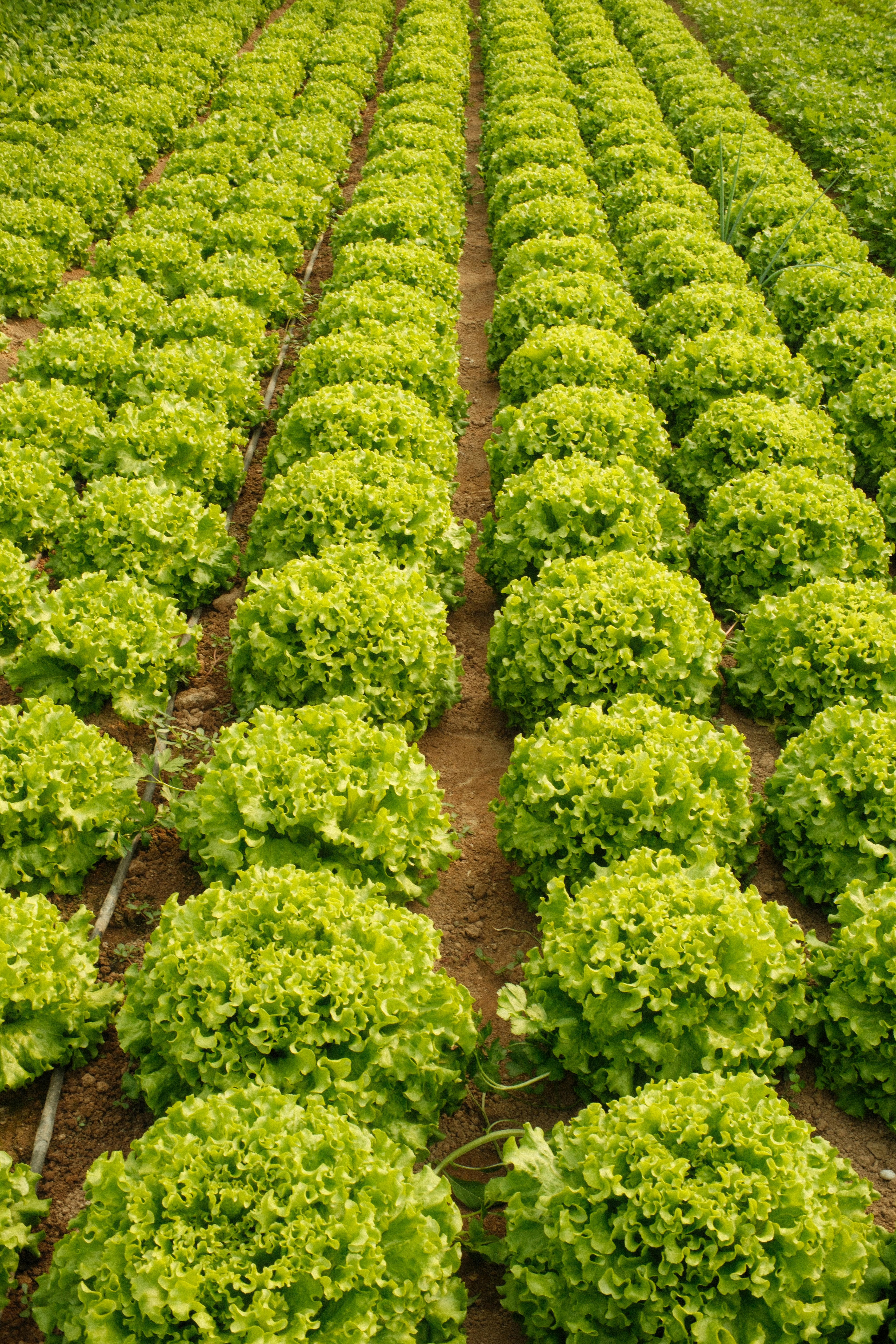
Organic farming and sustainable agriculture are gaining significant momentum in Kenya and East Africa. According to the Food and Agriculture Organization (FAO), regenerative and organic farming methods improve soil fertility, increase biodiversity, and bolster climate resilience. In Kenya, smallholder farmers adopting these methods have seen yield improvements of 20-40% while reducing chemical input costs.
Kenya's agribusiness sector contributes about 34% of GDP and employs over 70% of the rural population. The demand for organic products is rising domestically and in export markets, creating profitable niches for farmers embracing organic and sustainable technologies. Innovations like vertical farming, hydroponics, and smart irrigation systems complement these efforts by maximizing land utility and resource efficiency.
Key Insights or Strategies

1. Optimize Space and Production through Vertical Farming
Vertical farming uses stacked layers to grow vegetables, herbs, and leafy greens, ideal for urban or peri-urban areas with limited land.
- Set up vertical racks or towers with proper lighting and ventilation.
- Use hydroponic or aeroponic systems to reduce soil dependency and water usage.
- Select high-value crops such as lettuce, kale, spinach, and herbs for quick turnover.
- Integrate smart monitoring for nutrient levels and plant health.
Boost your yields with the MIXC 230FT Quick-Connect Drip Irrigation System Kit – available on Amazon, perfect for controlled water delivery on vertical farms.
2. Maintain Soil Health with Organic Fertilizers and Testing
Healthy soil is the foundation of sustainable farming. Use organic fertilizers and monitor soil nutrient levels regularly.
- Incorporate compost, manure, or mineral amendments to enrich soil organic matter.
- Test soil using kits to identify pH and nutrient deficiencies for targeted interventions.
- Rotate crops and use cover crops to prevent degradation.
For precision soil care, consider the Rapitest Soil Test Kit for Gardens and Lawns – available on Amazon.
Explore sustainable organic farming solutions with Biofarm Kenya to access expert advice and locally adapted inputs.
3. Conserve Water Using Drip Irrigation Systems
Drip irrigation delivers water directly to plant roots, reducing waste and improving water use efficiency – essential in Kenya's variable climate.
- Install drip lines or emitters tailored to crop water needs.
- Automate watering schedules with timers for consistency.
- Maintain tubing and filters to prevent clogging.
Consider the RAINPOINT 50FT Drip Irrigation System Kit – available on Amazon for small to medium farms.
Case Studies, Examples, or Comparisons
Several Kenyan farmers have pioneered vertical farming and organic practices with outstanding results. For example, in Nairobi’s peri-urban areas, farmers using hydroponic vertical farming techniques reported a 30% income increase within the first year due to higher yields and market demand for fresh greens. The Ministry of Agriculture has recognized these innovations as key drivers of urban food security.
Organizations like Farm Africa and AGRA have documented the success of regenerative agriculture in Eastern Kenya counties such as Embu and Tharaka Nithi, where 76% of farmers have adopted sustainable methods increasing soil health and resilience to climate shocks.
For formal insights, see the FAO’s reports on sustainable agriculture in Kenya: FAO Kenya.
Common Mistakes to Avoid
- Poor Soil Management: Neglecting soil testing leads to nutrient imbalances, reducing crop productivity. Regular testing and organic matter addition is crucial.
- Improper Fertilizer Use: Over-reliance on synthetic fertilizers damages soil biology. Shift toward organic alternatives to maintain ecosystem balance.
- Inefficient Irrigation: Flood or overhead irrigation wastes water and can increase disease risk. Drip irrigation is a water-saving alternative.
- Ignoring Crop Rotation: Growing the same crop repeatedly can deplete nutrients and increase pests. Rotate crops and include legumes to restore soil nitrogen.
- Inadequate Pest Management: Overuse of chemicals can harm beneficial insects. Integrated pest management (IPM) using organic solutions is recommended.
Expert Tips or Best Practices
Experts emphasize a balanced approach to vertical and organic farming:
- Start Small and Scale: Pilot vertical systems taking note of crop selection and market preferences before expanding.
- Leverage Technology: Use soil testing kits like Rapitest Soil Test Kit to monitor soil health consistently.
- Optimize Water Use: Deploy drip irrigation kits such as MIXC Drip Irrigation System to reduce labor and water waste.
- Incorporate Organic Compost: Maintain soil fertility with compost starters like Organic Compost Starter Mix to improve nutrient cycling.
- Connect with local partners for ongoing training, seed supply, and market access. Explore sustainable organic farming solutions with Biofarm Kenya for expert guidance.
Future Trends or Predictions
The future of profitable farming in Kenya leverages technology and sustainability hand in hand. Key trends include:
- Expansion of Smart Irrigation: Sensors and AI-driven systems will optimize water delivery reducing waste further.
- Growth of Urban Vertical Farms: Urban consumers will drive demand for fresh, locally grown produce via vertical farms.
- AI in Crop Monitoring: Drones and imaging technology will help early detection of diseases and nutrient deficiencies.
- Integration of Renewable Energy: Solar-powered systems will reduce operational costs of controlled environment farms.
Staying ahead with these technologies is key to sustaining profitability and environmental stewardship in Kenya's evolving agribusiness landscape.
Conclusion
Vertical farming and sustainable organic agriculture represent some of the most profitable farming ideas in 2026 for Kenyan farmers aiming to increase income while preserving natural resources. By leveraging modern tools such as drip irrigation systems, soil testing kits, and greenhouse kits, farmers can maximize productivity in limited spaces.
Discover trusted organic farming tools on Amazon and learn more about sustainable solutions with Biofarm Kenya.
FAQs
1. What is vertical farming and why is it profitable in Kenya?
Vertical farming involves growing crops in stacked layers, often using hydroponics or aeroponics, to maximize space use especially in urban areas. It's profitable as it boosts yields per square meter and allows year-round crop production. For detailed insights, see FAO Kenya.
2. How can organic fertilizers benefit Kenyan farmers?
Organic fertilizers improve soil structure, increase microbial activity, and reduce chemical dependency. Kenyan smallholders find organic amendments help restore degraded soils sustainably. Refer to Kenya Bureau of Standards (KEBS) for certified organic inputs KEBS.
3. What are the best irrigation methods for water conservation?
Drip irrigation is considered the most water-efficient method as it delivers water directly to plant roots, reducing evaporation. The National Environment Management Authority (NEMA) promotes such sustainable water use practices in agriculture NEMA Kenya.
4. How does soil testing improve crop production?
Soil testing identifies nutrient deficiencies and pH imbalances, enabling accurate fertilization and improved yields. The Ministry of Agriculture provides guidelines on soil testing services in Kenya Kenya Ministry of Agriculture.
5. Are greenhouse kits affordable for smallholder farmers?
Yes, various affordable small greenhouse kits are available that enhance crop protection and season extension. These kits can significantly improve productivity, especially in harsh climates. Biofarm Kenya offers support in sourcing adaptable greenhouse solutions Biofarm Kenya.
6. What are common challenges in adopting vertical farming?
Challenges include initial capital investment, knowledge on hydroponic systems, and market access. Farmer training and partnerships with organizations like Biofarm Kenya can mitigate these barriers learn more.
External Authoritative Links:
- FAO Kenya
- Kenya Bureau of Standards (KEBS)
- NEMA Kenya
- Kenya Ministry of Agriculture
- Alliance for a Green Revolution in Africa (AGRA)
- Farm Africa
Internal Biofarm Kenya Links:


0 Comments