

Estimated Reading Time: 12 minutes
TL;DR:
Vertical farming is one of the most profitable farming ideas in 2026, with a projected market value of $33.8 billion by 2026.
Kenya's agriculture sector can greatly benefit from sustainable practices like vertical farming, improving yields and profitability.
Key strategies include using hydroponic systems, precision soil testing, and greenhouses suited to local conditions.
Avoid common mistakes such as improper soil management and over-reliance on chemical fertilizers.
Explore future farming innovations like smart irrigation and AI crop monitoring to stay ahead in agribusiness.
Key Takeaways:
1. Implement vertical farming and hydroponics for higher yields in small spaces.
2. Use soil testing kits to monitor and manage soil fertility effectively.
3. Invest in small-scale greenhouse kits to extend growing seasons and protect crops.
4. Avoid fertilizer misuse and poor irrigation management to increase sustainability.
5. Leverage advanced technology and partner with Biofarm Kenya for sustainable organic farming solutions.
Table of Contents
Introduction Background & Context Key Insights or Strategies Case Studies, Examples, or Comparisons Common Mistakes to Avoid Expert Tips or Best Practices Future Trends or Predictions Conclusion FAQsIntroduction
As Kenya advances in agricultural innovation, sustainable agriculture stands at the forefront of economic growth and food security. Among the most profitable farming ideas in 2026 is vertical farming, an innovative approach that uses vertically stacked layers to grow crops in controlled environments. This method maximizes productivity on limited land, a critical advantage in Kenya’s urbanizing regions. With increasing demand for fresh, organic produce, vertical farming offers a lucrative opportunity by reducing resource use and increasing crop yields sustainably. This article explores the profitability, strategies, and future of vertical farming in Kenya, highlighting actionable insights and real-world examples to help farmers and agribusinesses succeed.
Background & Context
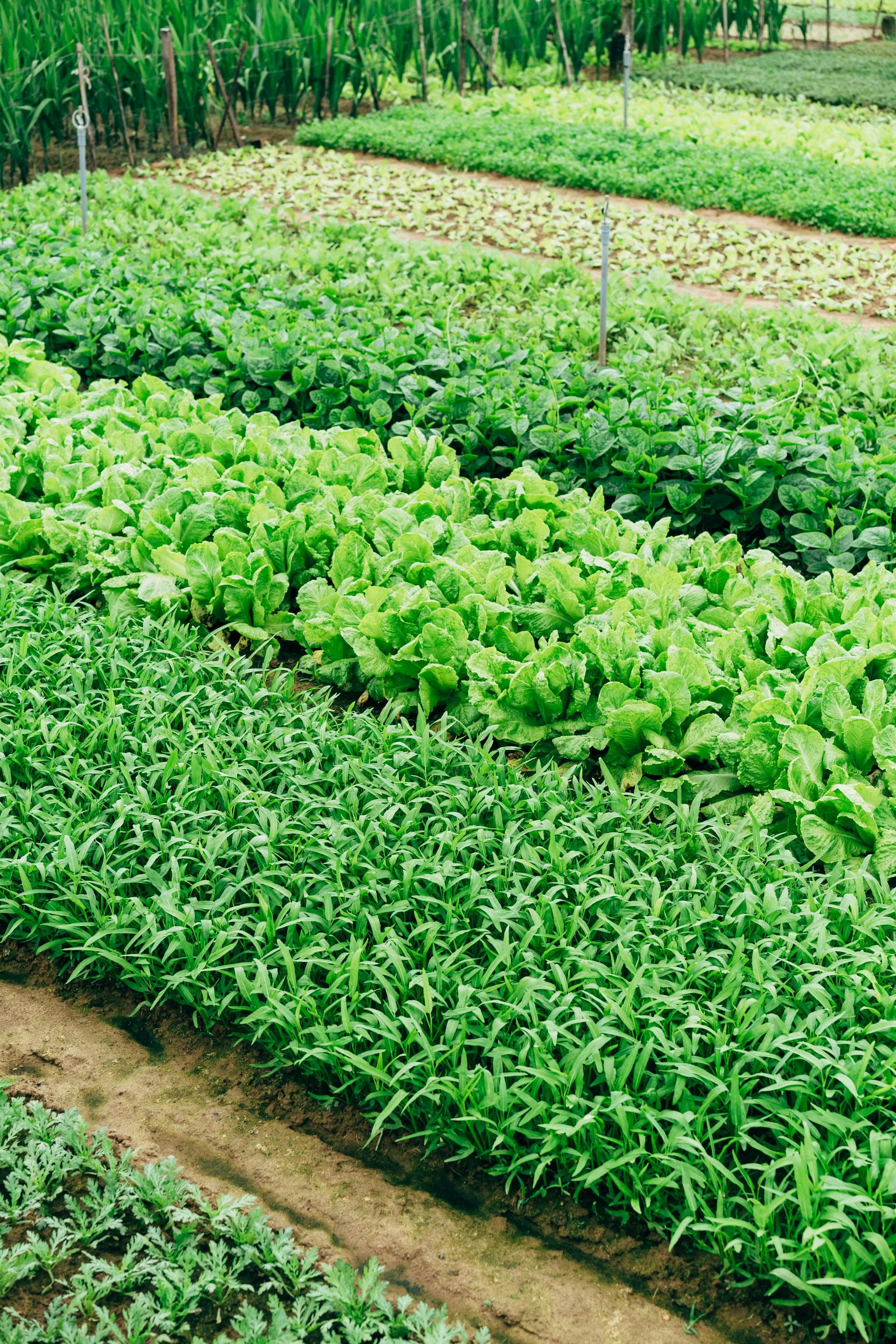
Kenya’s agriculture sector contributes about 33% to the country’s GDP and supports over 70% of the rural population. The shift towards sustainable agriculture and organic farming is driven by concerns about soil degradation, climate variability, and the health impacts of chemical inputs. Organic farming in Kenya has grown steadily — supported by both government initiatives and farmer cooperatives focusing on improving soil fertility through natural compost and manure. The global market for vertical farming is expected to reach an impressive $33.8 billion by 2026, reflecting its viability and scalability. This presents unique opportunities for Kenya’s agribusiness sector, especially in high-demand urban centers like Nairobi and Mombasa.
Improved soil fertility, water use efficiency, and reduced post-harvest losses are essential for Kenya’s agricultural growth. Vertical farming systems blend these needs with modern technology, reducing climate risk exposure and enabling year-round production regardless of external weather conditions.
Key Insights or Strategies

1. Adopt Hydroponic Vertical Farming Systems
Hydroponics is a soil-less farming technique that allows plants to grow using nutrient-rich water. When integrated vertically, it optimizes space and resource use, making it ideal for Kenya’s urban agricultural ventures.
- Choose hydroponic or aeroponic systems suited for climate and crop type.
- Set up vertical towers or racks in controlled environments like greenhouses or indoors.
- Monitor nutrient solutions regularly to maximize growth and minimize waste.
- Invest in automated pumps and timers for consistent water delivery.
Boost your yields with the Hydroponics Tower Growing System – available on Amazon, ideal for herbs and vegetables.
2. Utilize Soil Testing Kits for Better Fertility Management
Understanding soil chemistry is crucial for improving nutrient management, especially when combining traditional farming with vertical methods that may use soil substrates.
- Regularly test your soil or growing media pH and nutrient levels.
- Use results to apply organic fertilizers or amend soil deficiencies.
- Avoid over-application of synthetic fertilizers to enhance sustainability.
For accurate monitoring, consider the Soil pH & Moisture Tester Kit – available on Amazon, which supports timely interventions and healthier crops.
Explore sustainable organic farming solutions with Biofarm Kenya to integrate tested soil health products and organic inputs suited for Kenyan soils.
3. Invest in Small-Scale Greenhouse Kits
Greenhouses protect crops from erratic weather patterns while extending growing seasons. Small greenhouses paired with vertical farming technology enhance production efficiency.
- Choose environment-friendly materials like polycarbonate or thick PE covers.
- Ensure adequate ventilation to prevent humidity buildup and disease.
- Use modular greenhouse kits that allow easy expansion and mobility.
A great option is the Mini Greenhouse Kit – available on Amazon, perfect for urban farms and kitchen gardens.
Case Studies, Examples, or Comparisons
Successful Kenyan farmers adopting vertical farming technology illustrate significant returns on investment. For example, in Nairobi’s peri-urban areas, hydroponic vertical farms have reduced water consumption by over 70% while tripling crop yields compared to traditional farms. Organizations like the Ministry of Agriculture and FAO Kenya support these innovations through funding and training programs.
One notable case is a smallholder greenhouse project in Kiambu County funded by NEMA and local agribusinesses, which integrates organic farming methods with vertical hydroponics, achieving year-round supply of leafy greens to Nairobi markets.
These models demonstrate growing demand for climate-resilient farming systems in Kenya’s urban and peri-urban agriculture and reflect a nationwide push for improved food security.
Common Mistakes to Avoid
While vertical and sustainable farming are promising, several pitfalls can reduce profitability and sustainability:
- Poor Soil and Nutrient Management: Neglecting soil testing can lead to nutrient imbalances, stunting crops or causing excessive fertilizer costs.
- Overuse of Chemical Fertilizers: This damages soil health long-term and can contaminate produce, reducing market value.
- Inadequate Irrigation Practices: Overwatering or poorly timed watering wastes water and reduces crop quality.
- Ignoring Climate Control: Failure to manage temperature and humidity in greenhouses or indoor vertical farms invites pests and diseases.
- Improper System Maintenance: Hydroponic pumps, lights, and other tech require regular checks to avoid system failures.
Correcting these issues involves adopting soil testing kits and precision agriculture tools as described in previous sections.
Expert Tips or Best Practices
Implementing best practices is key to maximizing returns from vertical farming in Kenya:
- Rotate crops regularly to prevent nutrient depletion and pest buildup.
- Use organic compost and biofertilizers to boost soil microbial life and fertility.
- Choose crops with high market demand and short growth cycles such as leafy greens, herbs, and strawberries.
- Incorporate soil testing kits like the Organic Compost Starter Mix – available on Amazon to prepare nutrient-rich soils and substrates.
- Partner with credible organizations like Biofarm Kenya for tailored advice and quality organic inputs.
Explore sustainable organic farming solutions with Biofarm Kenya to access expert guidance and farm support services for optimized production.
Future Trends or Predictions
Kenya’s agricultural sector is poised to benefit from emerging technologies:
- Smart Irrigation Systems: Adoption of IoT-enabled irrigation reduces water waste and enhances precision watering.
- AI-Driven Crop Monitoring: Use of drones and sensors to track plant health, predict disease outbreaks, and optimize inputs.
- Expansion of Vertical Farming: Increasing urban population densities will drive demand for high-efficiency systems integrating renewable energy and automation.
- Integration with Organic and Regenerative Practices: Combining modern tech with indigenous knowledge for long-term agroecosystem health.
These trends highlight the importance of adapting and investing in technology combined with sustainable farming knowledge.
Conclusion
Vertical farming represents a transformative opportunity as one of the most profitable farming ideas in 2026 in Kenya and East Africa. By embracing hydroponic systems, soil testing, and greenhouse technologies, Kenyan farmers can achieve higher yields, better resource efficiency, and improved market access. Avoiding common mistakes in soil and water management will safeguard long-term farm viability. Looking forward, innovations such as smart irrigation and AI monitoring will further boost agricultural productivity and sustainability.
Discover trusted organic farming tools on Amazon and learn more about sustainable solutions with Biofarm Kenya to take your agribusiness to the next level.
FAQs
1. What is vertical farming and how profitable is it in Kenya?
Vertical farming is a method of growing crops in vertically stacked layers, often indoors or in controlled environments. In Kenya, it’s becoming increasingly profitable due to limited land availability, water conservation benefits, and growing urban demand for fresh vegetables. According to the FAO Kenya office, vertical farming can increase yields by 3-10 times compared to traditional farming.
2. How can farmers test their soil fertility effectively?
Farmers can use reliable soil testing kits that measure pH, nitrogen, phosphorus, potassium, and moisture levels. These kits provide quick results to guide nutrient management decisions. The Kenya Bureau of Standards (KEBS) recommends certified soil testing methods for accurate farm analysis.
3. What are the advantages of using greenhouse kits in Kenya?
Greenhouses protect crops from pests and erratic weather, extend growing seasons, and improve yield quality. Small-scale greenhouse kits let farmers run controlled environments even with minimal space. The National Environment Management Authority (NEMA) supports eco-friendly greenhouse initiatives that reduce environmental impact.
4. What are common mistakes to avoid in sustainable farming?
Common errors include overuse of chemical fertilizers, poor irrigation, neglecting soil health, and ignoring climate control in protected farming. Biofarm Kenya's expert guides (Biofarm Kenya) emphasize integrated practices like organic composting and precision agriculture to avoid these pitfalls.
5. How is technology shaping the future of agriculture in Kenya?
Technologies such as AI crop monitoring, IoT smart irrigation, and data-driven farm management are enhancing efficiency and sustainability. These tools help reduce input costs, increase uptime, and improve decision-making. The Biofarm Kenya network is beginning to incorporate these innovations for farmers.
6. Where can Kenyan farmers find resources for sustainable farming?
Farmers can access information, training, and inputs via platforms like Biofarm Kenya, which connects local farmers with organic farming solutions and market opportunities. Additionally, government agencies, NGOs, and international organizations such as FAO Kenya offer valuable resources.
References & Resources:
- Food and Agriculture Organization - Kenya Office (FAO Kenya)
- National Environment Management Authority (NEMA) Kenya
- Kenya Bureau of Standards (KEBS)
- Biofarm Kenya Sustainable Farming Partners
- Kenya Ministry of Agriculture
- United Nations Environment Programme (UNEP)
Internal Biofarm Kenya Links:


0 Comments