

Estimated Reading Time: 12 minutes
TL;DR:
- Vertical farming is among the most profitable farming ideas in 2026, especially in Kenya where urban farming meets sustainability.
- Sustainable organic practices and controlled environment farming boost yields, resource efficiency, and profitability.
- Investing in modern tools like drip irrigation, soil testing kits, and greenhouse setups improves productivity and crop quality.
- Successful Kenyan case studies show how innovation and local adaptation drive agribusiness growth.
- Biofarm Kenya partners offer proven organic solutions to empower farmers toward sustainable and profitable farming ventures.
Key Takeaways:
- Incorporate vertical farming as a profitable method to maximize land use, especially for urban and peri-urban farmers in Kenya.
- Utilize soil testing and organic fertilizers to enhance soil health and crop nutrition sustainably.
- Adopt efficient irrigation systems such as drip irrigation to conserve water and improve crop yields.
- Learn from local success stories to understand challenges and best practices in vertical and sustainable farming.
- Engage Biofarm Kenya for organic farming solutions tailored to Kenyan contexts and market demands.
Introduction
Sustainable agriculture continues to be a cornerstone for food security, economic growth, and environmental conservation in Kenya. Among emerging methods, vertical farming stands out as a revolutionary approach to urban and peri-urban cultivation, promising to transform agribusiness landscapes in East Africa. As farmers and agripreneurs look toward the most profitable farming ideas in 2026, vertical farming offers a compelling opportunity to grow more on less land while conserving resources and enhancing product quality.
This article dives deep into how vertical farming and sustainable organic practices are reshaping Kenyan agribusiness, providing actionable strategies, success stories, and expert advice for long-term profitability. Join us as we explore insights beneficial for farmers, agribusiness investors, and enthusiasts eager to contribute to Kenya’s green and prosperous agricultural future.
Background & Context
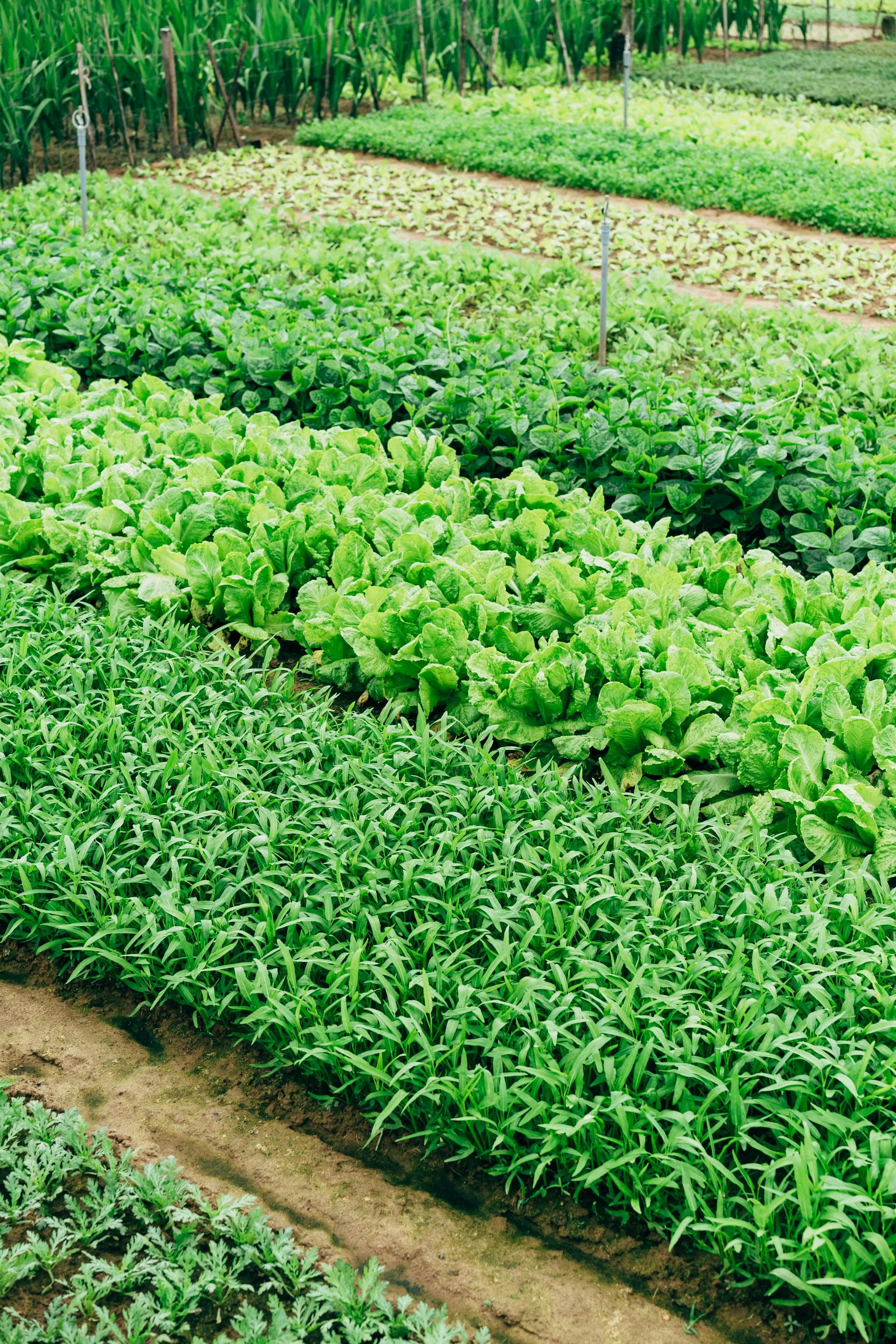
Kenya’s agricultural sector remains vital, contributing approximately 33% to the national GDP and employing over 75% of the rural population. The increasing challenges of land scarcity, climate change, and soil degradation push innovation toward more efficient and sustainable farming solutions.
Organic farming is gaining momentum, with demand for chemical-free produce rising both locally and internationally. According to the Kenya Organic Agriculture Network (KOAN), organic agriculture in Kenya has grown by over 15% annually in the last five years. However, challenges such as nutrient-poor soils and unreliable rainfall hamper productivity.
Vertical farming, combined with practices like hydroponics, drip irrigation, and integrated pest management, offers a solution by enabling year-round production, boosting soil fertility management indoors, and reducing water footprint substantially.
Key Insights or Strategies
 1. Optimize Space Utilization with Vertical Farming Structures
 Making use of vertical spaces in urban settings or limited land allows farmers to increase yields per square meter and diversify production.
Understanding and improving soil quality is crucial for maximizing crop output, even in confined vertical setups. Regular testing and organic amendments help maintain optimal fertility.
Boost your soil management efforts with the MySoil Soil Test Kit — a fast, accurate kit that unlocks your farm’s nutrient potential.3. Implement Efficient Watering Systems
Water conservation is both a financial and environmental priority in Kenyan farming. Drip irrigation delivers water directly to plant roots, minimizing loss and ensuring effective moisture levels.
Consider the CARPATHEN Drip Irrigation System Kit, a premium garden watering solution ideal for raised beds and greenhouses.
Explore sustainable organic farming solutions with Biofarm Kenya to find more resources, expert advice, and products tailored for East African farmers.
Case Studies, Examples, or Comparisons
Several Kenyan farmers and agribusinesses exemplify success in vertical and sustainable farming:
FAO Kenya highlights the adoption of integrated vertical farming techniques as a strategy to combat food insecurity and boost urban employment (FAO Nairobi, 2023).
Common Mistakes to Avoid
Expert Tips or Best Practices
Optimizing vertical farming systems in Kenya requires attention to detail and local adaptability:
Explore sustainable organic farming solutions with Biofarm Kenya.
Future Trends or Predictions
Looking ahead to 2026 and beyond, vertical farming in Kenya is likely to evolve with innovations such as:
Conclusion
Vertical farming represents a transformative opportunity for Kenyan and East African agriculture by maximizing land efficiency, promoting sustainable organic practices, and enhancing profitability. Farmers who adopt optimized structures, leverage soil testing, and implement efficient irrigation stand to gain the most.
Discover trusted organic farming tools on Amazon and learn more about sustainable solutions with Biofarm Kenya.


0 Comments