

Estimated Reading Time: 11 minutes
Vertical Farming Investment Soars: The Vertical Farming Revolutionizes Agriculture with 30% Higher Yields
The agricultural landscape in Kenya is undergoing a remarkable transformation as innovative farming methods reshape traditional practices. One standout development is the Vertical Farming Revolutionizes Agriculture with 30% Higher Yields, a trend that not only addresses food security but also introduces sustainable, resource-efficient farming solutions. As vertical farming investments soar in Kenya and East Africa, farmers and agribusinesses are unlocking new potentials for organic farming, soil fertility improvement, and agribusiness growth.
TL;DR:
- Vertical farming in Kenya is growing rapidly, offering up to 30% higher yields than traditional farming methods.
- Innovations like aeroponic and hydroponic towers enable efficient water and nutrient use on limited land.
- Drip irrigation and soil testing kits boost farm productivity and sustainability.
- Successful Kenyan case studies highlight economic and environmental benefits of vertical farming.
- Biofarm Kenya partners with farmers to promote sustainable organic farming solutions.
Key Takeaways:
- Investing in vertical farming systems can improve crop yields and reduce resource consumption significantly.
- Utilize modern tools such as soil testing kits and drip irrigation systems to optimize growing conditions.
- Avoid common mistakes in soil and water management to maximize farm productivity.
- Adopting greenhouse and smart farming technologies facilitates year-round production and climate resilience.
- Collaborate with organizations like Biofarm Kenya to access sustainable farming resources and expertise.
Table of Contents
Background & Context
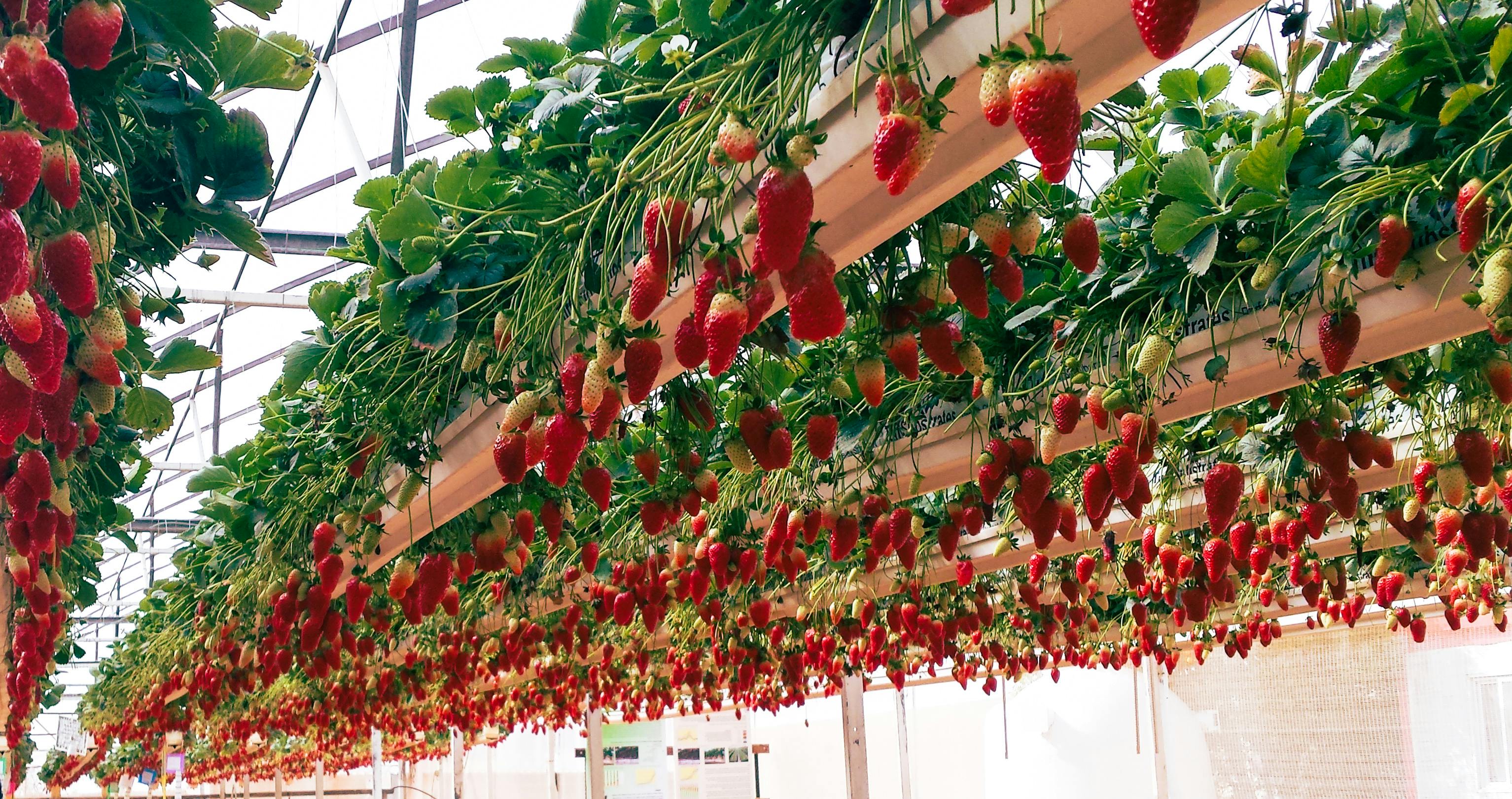
Kenya’s agricultural sector remains a vital pillar of the economy, employing over 70% of the population and contributing approximately 33% of GDP. However, challenges such as land degradation, unpredictable rainfall, and increasing population pressure necessitate new farming approaches. Organic and sustainable farming methods have gained prominence due to their ability to improve soil fertility and reduce environmental impact. According to the Kenya National Bureau of Statistics, agribusiness in Kenya has experienced consistent growth, further catalyzed by advances in vertical farming technologies.
Vertical farming—growing crops in vertically stacked layers via controlled-environment agriculture—is revolutionizing agriculture by producing up to 30% higher yields than conventional farming. This method uses aeroponics, hydroponics, and other soil-free systems to optimize resource use and space efficiency. As a result, vertical farming is becoming a key player in Kenya's journey toward food security and sustainable agribusiness.
Key Insights or Strategies

1. Embrace Vertical Farming Systems like Aeroponics and Hydroponics
Vertical farming employs aeroponic and hydroponic tower systems that grow plants without soil, using nutrient-rich water solutions. These systems are water-efficient, reduce pesticide use, and can be implemented on small urban plots.
- Assess your farm's available space and resources to choose the appropriate vertical farming system.
- Install aeroponic towers or hydroponic trays designed for scalable production.
- Regularly monitor nutrient and water levels to maintain optimal plant health.
For farmers seeking precision in nutrient management, consider the Rapitest Soil Test Kit – available on Amazon. This helps analyze soil pH and nutrient levels efficiently.
Explore sustainable organic farming solutions with Biofarm Kenya
2. Optimize Water Efficiency with Drip Irrigation
Water scarcity challenges in Kenya necessitate efficient watering techniques like drip irrigation, which delivers water directly to plant roots, minimizing waste.
- Install a drip irrigation system compatible with your vertical or traditional farm layout.
- Schedule irrigation based on crop water needs and weather conditions.
- Maintain irrigation components to prevent clogging and leaks.
Boost your yields with the MIXC 230FT Quick-Connect Drip Irrigation System Kit – available on Amazon, a reliable system for gardens and farms.
Explore sustainable organic farming solutions with Biofarm Kenya
3. Use Greenhouses to Extend Growing Seasons
Greenhouses protect crops from pests and climatic fluctuations, enabling year-round cultivation. Integrating greenhouses with vertical farming enhances productivity.
- Select a greenhouse kit that suits your farm size and crop needs.
- Implement ventilation and temperature controls to create ideal growing environments.
- Combine vertical farming towers inside greenhouse structures for optimized use of space.
Consider the 4 Tier Mini Portable Greenhouse Kit – available on Amazon for a compact climate-controlled growing space.
Explore sustainable organic farming solutions with Biofarm Kenya
Case Studies, Examples, or Comparisons
Kenyan farmers adopting vertical farming systems have reported impressive yields and economic benefits. For example, FarmBright Africa implemented aeroponic tower farms across Nairobi and Kisumu, increasing yield by approximately 30% while reducing water use by 70%. This aligns with Kenya's Ministry of Agriculture’s push for innovative greenhouse farming to maximize limited land resources.
Another notable effort is the vertical tower farms developed by local startups, inspired by global trends yet adapted for Kenyan climatic conditions. According to the Food and Agriculture Organization (FAO), controlled-environment agriculture such as vertical farming can significantly improve food supply resilience in arid regions like parts of Kenya.
Common Mistakes to Avoid
- Ignoring soil and water testing: Applying fertilizers or irrigation without testing can degrade soil health or waste resources. Use soil testing kits regularly.
- Over-irrigation: Excess water can cause root diseases and nutrient leaching; drip irrigation helps regulate water delivery accurately.
- Poor nutrient management: In vertical and organic farming, precise nutrient balance is critical—monitor and adjust accordingly.
- Neglecting pest control: Integrated pest management combined with organic options maintains healthy crops.
- Skipping proper greenhouse maintenance: Failing to control temperature, humidity, or ventilation reduces crop productivity.
Expert Tips or Best Practices
Kenyan farmers are encouraged to:
- Invest in reliable MySoil Soil Test Kit – available on Amazon for comprehensive soil nutrient analysis and recommendations.
- Combine vertical farming with locally available organic fertilizers to maintain soil and plant health.
- Regularly clean and maintain irrigation systems to ensure uniform water distribution and avoid blockages.
- Partner with local organizations like Biofarm Kenya for guidance on sustainable farming inputs and training.
Future Trends or Predictions
Advancements in smart farming, including AI-driven crop monitoring, sensor-based irrigation, and integrated data management, will further enhance vertical farming’s benefits. Precision agriculture tools will optimize resource use, reducing costs and environmental impacts.
In Kenya and East Africa, vertical farming combined with renewable energy-powered systems promises a scalable, climate-resilient agricultural future. Efforts to develop affordable vertical farming kits for smallholder farmers are underway, increasingly supported by government and private sector initiatives.
Conclusion
The Vertical Farming Revolutionizes Agriculture with 30% Higher Yields is not just a trend but a sustainable evolution that addresses Kenya’s food security challenges. By adopting aeroponics, drip irrigation, greenhouse farming, and precision soil testing, farmers can substantially increase productivity while conserving resources.
Discover trusted organic farming tools on Amazon and learn more about sustainable solutions with Biofarm Kenya.
FAQs
1. What is vertical farming and how does it improve yields?
Vertical farming involves growing crops in stacked layers with controlled environments, using aeroponics or hydroponics. This method allows up to 30% higher yields by optimizing space, water, and nutrients. More details at FAO Vertical Farming Report.
2. How can smallholder farmers in Kenya start vertical farming?
Farmers can begin by assessing available space and investing in affordable vertical towers or hydroponic kits. Joining networks like Biofarm Kenya is helpful for training and resources.
3. What are the benefits of drip irrigation in vertical farming?
Drip irrigation conserves water by delivering it directly to plant roots, reduces disease risk, and complements vertical systems well. Learn best practices from Kenya’s Ministry of Agriculture Water Management Guide.
4. How often should soil testing be done for optimal crop health?
Soil testing is recommended at least once every growing season to track nutrient levels and pH. Utilizing kits from trusted suppliers like those found on Amazon or through Biofarm Kenya supports productive farming.
5. What common mistakes should be avoided in vertical farming?
Avoid neglecting irrigation maintenance, improper nutrient balancing, and bypassing pest management. The National Environment Management Authority (NEMA) offers guidance on sustainable agricultural practices NEMA Agro-Environmental Guidelines.
6. Are there government incentives for sustainable farming in Kenya?
Yes, the Kenyan government offers programs promoting sustainable and climate-smart agriculture. Visit the Ministry of Agriculture for current incentives and support schemes.


0 Comments