

Estimated Reading Time: 11 minutes
TL;DR: Kenya's booming avocado export industry, while a significant source of foreign exchange, is creating a precarious balance by diverting vital resources from staple food crops. This shift, largely driven by smallholder farmers seeking higher profits, subtly undermines local food security. The lack of proactive government intervention and comprehensive strategies to ensure food self-sufficiency amidst this 'avocado gold rush' is increasingly masking and exacerbating a looming food crisis for many Kenyan communities.
Key Takeaways:
Table of Contents
Introduction: The Green Gold Rush vs. The Empty Plate
In the vibrant agricultural landscapes of Kenya, a silent revolution is underway, painting vast swathes of land with the verdant hues of avocado orchards. This phenomenon, affectionately termed the 'avocado gold rush,' has propelled Kenya into the ranks of the world's leading avocado exporters. The allure of substantial export profits is undeniable, promising economic prosperity and improved livelihoods for countless smallholder farmers. However, as the nation revels in this green bounty, a critical question emerges: are these export gains inadvertently masking a looming food crisis? This article aims to uncover Kenya's avocado gold rush, shedding light on how export profits overshadow a potential food crisis and scrutinizing why the government appears to remain silent on critical food security issues.
Background & Context: Kenya's Agricultural Landscape Transformed

Kenya's economy is predominantly agrarian, with agriculture contributing significantly to its Gross Domestic Product and employing a large portion of its population. Historically, the country has relied on a diverse range of crops, including maize, beans, and millet, as staples for domestic consumption. However, the global surge in demand for avocados, often lauded for their health benefits, has dramatically reshaped this traditional agricultural landscape. Farmers, particularly smallholders, are increasingly shifting from cultivating staple food crops to investing in avocado trees, enticed by the promise of higher and more stable incomes from the export market.
This pivot is not without its merits; avocado exports generated an estimated KES 14.4 billion (approximately USD 120 million) in 2022, marking a significant increase from previous years and positioning Kenya as Africa's top avocado exporter and among the top global players (Business Daily Africa). Yet, this economic success story has a hidden cost. A study by the Food and Agriculture Organization (FAO) indicates that while cash crops offer economic gains, an overemphasis can lead to reduced land availability for food crops, potentially exacerbating food insecurity in vulnerable regions (FAO Report on Food Security).
Key Insights: The Dual Edges of Avocado Prosperity
The Allure of the Green Gold: Economic Uplift for Farmers
For many Kenyan farmers, avocados represent a tangible path out of poverty. The crop offers higher returns per acre compared to traditional staples like maize or beans. Farmers can earn significantly more from a well-managed avocado orchard, providing resources for education, healthcare, and improving living standards. This financial incentive is a powerful driver for the rapid expansion of avocado cultivation across regions like Central, Rift Valley, and Eastern Kenya.
The Erosion of Food Security: A Growing Concern
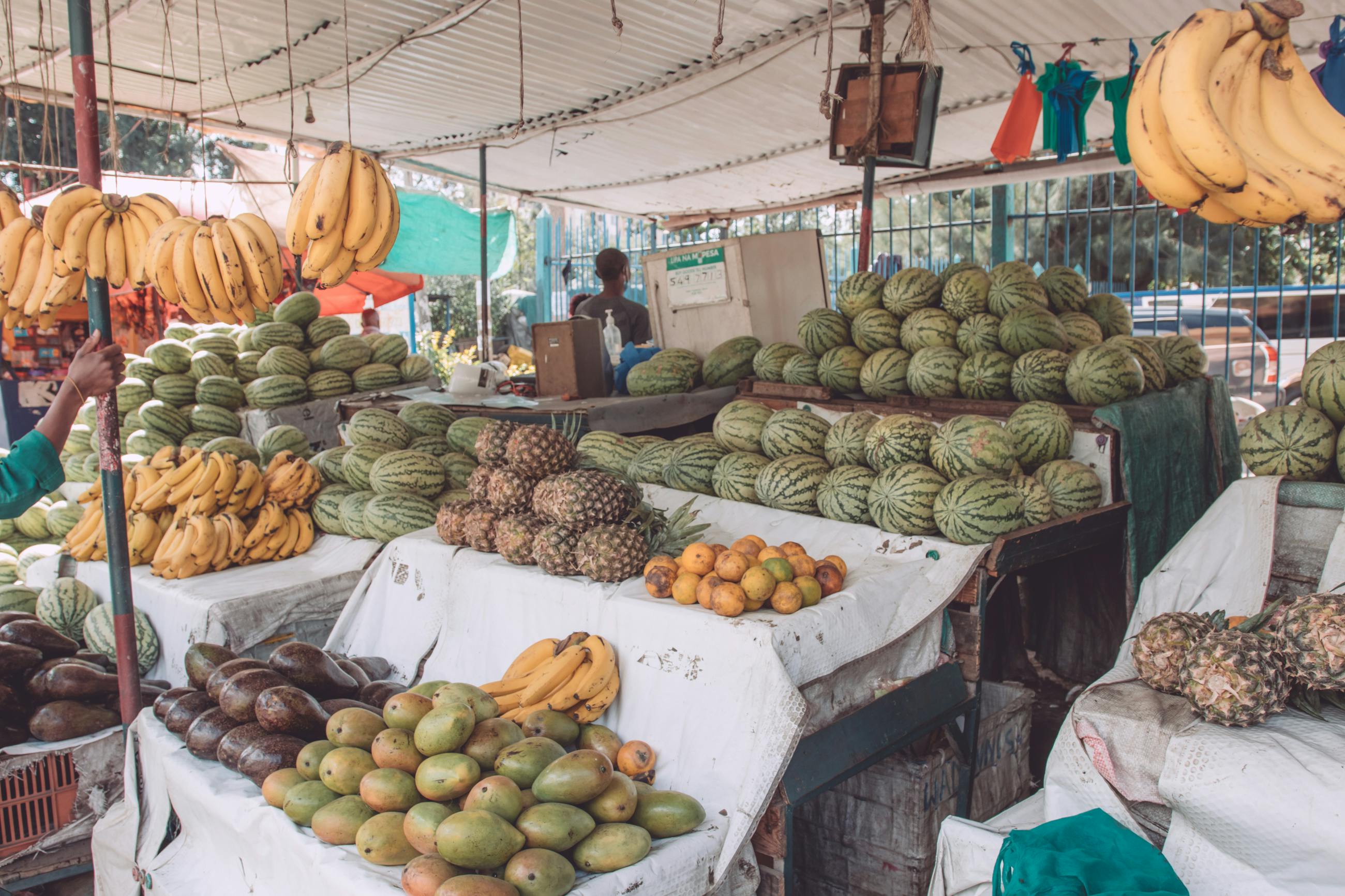
Despite the undeniable economic benefits, the rapid expansion of avocado farming poses a significant threat to Kenya's food security. As more land is converted to avocado orchards, less is available for growing staple foods. This shift is particularly problematic for smallholder farmers who previously relied on their plots to produce enough food for their families, with surplus for sale. Now, they might have more cash but face higher prices for basic foodstuffs, or even shortages in local markets.
The imperative to balance economic growth with sustainable food systems is paramount. Understanding these intricate dynamics is the first step towards creating robust solutions for the future. For those seeking comprehensive strategies to integrate sustainable practices into their agricultural ventures and everyday lives, consider exploring resources dedicated to ecological balance.
Explore sustainable living solutions with Eco-Oasis Firm
Case Studies: Local Impacts and Global Demands
The consequences of Kenya's avocado boom are evident in various communities. In Murang'a County, a region renowned for its avocado production, anecdotal evidence suggests a noticeable decrease in maize and bean cultivation. Farmers report that while their cash incomes have risen, the cost of purchasing staple foods has also increased, sometimes negating the financial gains. This forces families to make difficult choices, often impacting dietary quality and quantity.
A recent study on the food and nutrition security impacts of export-oriented agriculture in Kenya highlighted that while it brings income, it can negatively impact crop diversity and the quantity of food available for household consumption on farms that embrace export crops (Utrecht University Student Theses). This demonstrates a clear trade-off between cash crop cultivation and direct food availability.
Globally, the demand for avocados continues to soar, driven by health trends and increasing consumer awareness. This consistent demand provides a strong incentive for Kenyan farmers to ramp up production. However, examples from other avocado-producing nations, such as Mexico, illustrate the potential for environmental degradation, water scarcity, and social inequality when export agriculture is not carefully managed (The Guardian). Kenya has an opportunity to learn from these experiences and implement more sustainable models.
Common Mistakes to Avoid
Navigating the complex interplay between export agriculture and food security requires careful planning and foresight. Several common pitfalls can undermine efforts to achieve sustainable development:
Expert Tips: Cultivating a Balanced Future
Achieving a harmonious balance between the economic benefits of avocado exports and the imperative of food security requires a multi-faceted approach. Here are some expert tips for farmers, policymakers, and consumers:
Explore sustainable living solutions with Eco-Oasis Firm
Future Trends: Navigating the Green Wave
The global demand for avocados is projected to continue its upward trajectory, fueled by health consciousness and expanding markets. For Kenya, this presents both an opportunity and a challenge. Future trends suggest a greater emphasis on certified sustainable avocados, driven by discerning consumers and stricter import regulations in key markets like the EU and China. This will necessitate improved agricultural practices, traceability, and environmental stewardship from Kenyan producers.
Domestically, there's a growing recognition of the need to strengthen local food systems. Expect to see increased investment in climate-resilient staple crops, enhanced extension services for diversified farming, and potential government subsidies to encourage balanced agricultural portfolios. Innovation in post-harvest handling and value addition for both avocados and traditional foods will also be crucial to maximizing benefits and minimizing waste. The balance will lie in leveraging the avocado boom to invest in and fortify a resilient and self-sufficient national food system, ensuring that economic gains translate into improved, equitable food security for all Kenyans.
Conclusion: Sowing Seeds for a Secure Tomorrow
The 'avocado gold rush' in Kenya is a double-edged sword, offering significant economic benefits while simultaneously posing a tangible threat to the nation's food security. While export profits provide a vital boost to the economy and farmer livelihoods, the redirection of resources from staple food crops demands immediate attention. The observed silence from the government on developing robust strategies to counteract this looming crisis is a concern that needs to be addressed with urgency and transparency.
For Kenya to truly thrive, it must move beyond simply celebrating export success. A proactive, integrated approach is essential – one that champions diversified farming, invests in sustainable practices, and establishes clear policies to protect and enhance domestic food production. It's about cultivating a future where economic prosperity and food security are not mutually exclusive but rather intertwined elements of a resilient and thriving nation. Every farmer's decision, every policy enacted, and every consumer's choice contributes to shaping this future.
Explore sustainable living solutions with Eco-Oasis Firm
FAQs
1. How has Kenya become a major avocado exporter?
Kenya's rise as a major avocado exporter is primarily due to its favorable climatic conditions, which allow for year-round production, and the increasing global demand for the fruit. Smallholder farmers, attracted by lucrative export prices, have significantly expanded cultivation, especially of the Hass variety. Strategic market access to the European Union and more recently, China, has further solidified Kenya's position (Hortfresh Journal).
2. What are the economic benefits of avocado farming for Kenyan farmers?
Avocado farming provides substantial economic benefits, including higher incomes compared to traditional crops, improved livelihoods, and access to international markets. Farmers can earn significantly more per acre, enabling them to invest in education, healthcare, and better housing. It also contributes valuable foreign exchange to the national economy (Royal Seedlings).
3. How does avocado farming contribute to food insecurity in Kenya?
While economically beneficial, the intense focus on avocado exports can contribute to food insecurity by diverting land, water, and labor from staple food crops. Farmers, enticed by higher profits, reduce planting maize, beans, and other essential foods. This can lead to increased reliance on purchased food, higher local food prices, and reduced dietary diversity for households, particularly those with limited purchasing power (Utrecht University Student Theses).
4. What role do smallholder farmers play in Kenya's avocado industry and food security?
Smallholder farmers are the backbone of Kenya's avocado industry, contributing the majority of the nation's production. Their decisions to shift towards avocados significantly impact both export volumes and local food availability. While avocado cultivation offers them economic uplift, it also places them at the forefront of the food security challenge, as their land often needs to produce both cash crops and sustenance (Sustainable Agriculture Foundation - Africa).
5. What measures can Kenya take to balance avocado exports with domestic food security?
Kenya can balance exports and food security by promoting intercropping of avocados with staple foods, investing in water-efficient irrigation, and providing training on diversified, sustainable farming practices. Policies encouraging strategic food reserves, monitoring food prices, and offering incentives for domestic food production are also crucial. Encouraging local food markets and consumer awareness can further support this balance (FAO Report on Food Security).
6. Why is the Kenyan government's stance on this issue critical?
The Kenyan government's stance is critical because it holds the power to shape agricultural policies, provide necessary infrastructure, and implement regulatory frameworks. Its active involvement is essential to prevent an over-reliance on export crops from undermining national food security. Proactive policies can ensure that the economic gains from avocados are leveraged to strengthen, rather than jeopardize, the country's overall food system and the well-being of its citizens (FAO Kenya).
Internal Link Suggestions:
Estimated Reading Time: 11 minutes
TL;DR: Kenya's booming avocado export industry, while a significant source of foreign exchange, is creating a precarious balance by diverting vital resources from staple food crops. This shift, largely driven by smallholder farmers seeking higher profits, subtly undermines local food security. The lack of proactive government intervention and comprehensive strategies to ensure food self-sufficiency amidst this 'avocado gold rush' is increasingly masking and exacerbating a looming food crisis for many Kenyan communities.
Key Takeaways:
Table of Contents
Introduction: The Green Gold Rush vs. The Empty Plate
In the vibrant agricultural landscapes of Kenya, a silent revolution is underway, painting vast swathes of land with the verdant hues of avocado orchards. This phenomenon, affectionately termed the 'avocado gold rush,' has propelled Kenya into the ranks of the world's leading avocado exporters. The allure of substantial export profits is undeniable, promising economic prosperity and improved livelihoods for countless smallholder farmers. However, as the nation revels in this green bounty, a critical question emerges: are these export gains inadvertently masking a looming food crisis? This article aims to uncover Kenya's avocado gold rush, shedding light on how export profits overshadow a potential food crisis and scrutinizing why the government appears to remain silent on critical food security issues.
Background & Context: Kenya's Agricultural Landscape Transformed
Kenya's economy is predominantly agrarian, with agriculture contributing significantly to its Gross Domestic Product and employing a large portion of its population. Historically, the country has relied on a diverse range of crops, including maize, beans, and millet, as staples for domestic consumption. However, the global surge in demand for avocados, often lauded for their health benefits, has dramatically reshaped this traditional agricultural landscape. Farmers, particularly smallholders, are increasingly shifting from cultivating staple food crops to investing in avocado trees, enticed by the promise of higher and more stable incomes from the export market.
This pivot is not without its merits; avocado exports generated an estimated KES 14.4 billion (approximately USD 120 million) in 2022, marking a significant increase from previous years and positioning Kenya as Africa's top avocado exporter and among the top global players (Business Daily Africa). Yet, this economic success story has a hidden cost. A study by the Food and Agriculture Organization (FAO) indicates that while cash crops offer economic gains, an overemphasis can lead to reduced land availability for food crops, potentially exacerbating food insecurity in vulnerable regions (FAO Report on Food Security).
Key Insights: The Dual Edges of Avocado Prosperity
The Allure of the Green Gold: Economic Uplift for Farmers
For many Kenyan farmers, avocados represent a tangible path out of poverty. The crop offers higher returns per acre compared to traditional staples like maize or beans. Farmers can earn significantly more from a well-managed avocado orchard, providing resources for education, healthcare, and improving living standards. This financial incentive is a powerful driver for the rapid expansion of avocado cultivation across regions like Central, Rift Valley, and Eastern Kenya.
The Erosion of Food Security: A Growing Concern
Despite the undeniable economic benefits, the rapid expansion of avocado farming poses a significant threat to Kenya's food security. As more land is converted to avocado orchards, less is available for growing staple foods. This shift is particularly problematic for smallholder farmers who previously relied on their plots to produce enough food for their families, with surplus for sale. Now, they might have more cash but face higher prices for basic foodstuffs, or even shortages in local markets.
The imperative to balance economic growth with sustainable food systems is paramount. Understanding these intricate dynamics is the first step towards creating robust solutions for the future. For those seeking comprehensive strategies to integrate sustainable practices into their agricultural ventures and everyday lives, consider exploring resources dedicated to ecological balance.
Explore sustainable living solutions with Eco-Oasis Firm
Case Studies: Local Impacts and Global Demands
The consequences of Kenya's avocado boom are evident in various communities. In Murang'a County, a region renowned for its avocado production, anecdotal evidence suggests a noticeable decrease in maize and bean cultivation. Farmers report that while their cash incomes have risen, the cost of purchasing staple foods has also increased, sometimes negating the financial gains. This forces families to make difficult choices, often impacting dietary quality and quantity.
A recent study on the food and nutrition security impacts of export-oriented agriculture in Kenya highlighted that while it brings income, it can negatively impact crop diversity and the quantity of food available for household consumption on farms that embrace export crops (Utrecht University Student Theses). This demonstrates a clear trade-off between cash crop cultivation and direct food availability.
Globally, the demand for avocados continues to soar, driven by health trends and increasing consumer awareness. This consistent demand provides a strong incentive for Kenyan farmers to ramp up production. However, examples from other avocado-producing nations, such as Mexico, illustrate the potential for environmental degradation, water scarcity, and social inequality when export agriculture is not carefully managed (The Guardian). Kenya has an opportunity to learn from these experiences and implement more sustainable models.
Common Mistakes to Avoid
Navigating the complex interplay between export agriculture and food security requires careful planning and foresight. Several common pitfalls can undermine efforts to achieve sustainable development:
Expert Tips: Cultivating a Balanced Future
Achieving a harmonious balance between the economic benefits of avocado exports and the imperative of food security requires a multi-faceted approach. Here are some expert tips for farmers, policymakers, and consumers:
Explore sustainable living solutions with Eco-Oasis Firm
Future Trends: Navigating the Green Wave
The global demand for avocados is projected to continue its upward trajectory, fueled by health consciousness and expanding markets. For Kenya, this presents both an opportunity and a challenge. Future trends suggest a greater emphasis on certified sustainable avocados, driven by discerning consumers and stricter import regulations in key markets like the EU and China. This will necessitate improved agricultural practices, traceability, and environmental stewardship from Kenyan producers.
Domestically, there's a growing recognition of the need to strengthen local food systems. Expect to see increased investment in climate-resilient staple crops, enhanced extension services for diversified farming, and potential government subsidies to encourage balanced agricultural portfolios. Innovation in post-harvest handling and value addition for both avocados and traditional foods will also be crucial to maximizing benefits and minimizing waste. The balance will lie in leveraging the avocado boom to invest in and fortify a resilient and self-sufficient national food system, ensuring that economic gains translate into improved, equitable food security for all Kenyans.
Conclusion: Sowing Seeds for a Secure Tomorrow
The 'avocado gold rush' in Kenya is a double-edged sword, offering significant economic benefits while simultaneously posing a tangible threat to the nation's food security. While export profits provide a vital boost to the economy and farmer livelihoods, the redirection of resources from staple food crops demands immediate attention. The observed silence from the government on developing robust strategies to counteract this looming crisis is a concern that needs to be addressed with urgency and transparency.
For Kenya to truly thrive, it must move beyond simply celebrating export success. A proactive, integrated approach is essential – one that champions diversified farming, invests in sustainable practices, and establishes clear policies to protect and enhance domestic food production. It's about cultivating a future where economic prosperity and food security are not mutually exclusive but rather intertwined elements of a resilient and thriving nation. Every farmer's decision, every policy enacted, and every consumer's choice contributes to shaping this future.
Explore sustainable living solutions with Eco-Oasis Firm
FAQs
1. How has Kenya become a major avocado exporter?
Kenya's rise as a major avocado exporter is primarily due to its favorable climatic conditions, which allow for year-round production, and the increasing global demand for the fruit. Smallholder farmers, attracted by lucrative export prices, have significantly expanded cultivation, especially of the Hass variety. Strategic market access to the European Union and more recently, China, has further solidified Kenya's position (Hortfresh Journal).
2. What are the economic benefits of avocado farming for Kenyan farmers?
Avocado farming provides substantial economic benefits, including higher incomes compared to traditional crops, improved livelihoods, and access to international markets. Farmers can earn significantly more per acre, enabling them to invest in education, healthcare, and better housing. It also contributes valuable foreign exchange to the national economy (Royal Seedlings).
3. How does avocado farming contribute to food insecurity in Kenya?
While economically beneficial, the intense focus on avocado exports can contribute to food insecurity by diverting land, water, and labor from staple food crops. Farmers, enticed by higher profits, reduce planting maize, beans, and other essential foods. This can lead to increased reliance on purchased food, higher local food prices, and reduced dietary diversity for households, particularly those with limited purchasing power (Utrecht University Student Theses).
4. What role do smallholder farmers play in Kenya's avocado industry and food security?
Smallholder farmers are the backbone of Kenya's avocado industry, contributing the majority of the nation's production. Their decisions to shift towards avocados significantly impact both export volumes and local food availability. While avocado cultivation offers them economic uplift, it also places them at the forefront of the food security challenge, as their land often needs to produce both cash crops and sustenance (Sustainable Agriculture Foundation - Africa).
5. What measures can Kenya take to balance avocado exports with domestic food security?
Kenya can balance exports and food security by promoting intercropping of avocados with staple foods, investing in water-efficient irrigation, and providing training on diversified, sustainable farming practices. Policies encouraging strategic food reserves, monitoring food prices, and offering incentives for domestic food production are also crucial. Encouraging local food markets and consumer awareness can further support this balance (FAO Report on Food Security).
6. Why is the Kenyan government's stance on this issue critical?
The Kenyan government's stance is critical because it holds the power to shape agricultural policies, provide necessary infrastructure, and implement regulatory frameworks. Its active involvement is essential to prevent an over-reliance on export crops from undermining national food security. Proactive policies can ensure that the economic gains from avocados are leveraged to strengthen, rather than jeopardize, the country's overall food system and the well-being of its citizens (FAO Kenya).
Internal Link Suggestions:






0 Comments