

Estimated Reading Time: 11 minutes
TL;DR: 3–5 Concise Takeaways
- Kenyan farmers can boost yields by transitioning to organic soil amendments.
- Simple field tests can help diagnose soil nutrient imbalances.
- Low-cost composting with crop residues and manure enhances soil fertility.
Key Takeaways: 3–5 Actionable Points
- Learn sustainable farming with Biofarm Kenya's solutions.
- Adopt composting and crop rotation techniques for natural nitrogen restoration.
- Utilize available Amazon tools for farming efficiency.
Table of Contents
- Introduction
- Background & Context
- Key Insights or Strategies
- Case Studies, Examples, or Comparisons
- Common Mistakes to Avoid
- Expert Tips or Best Practices
- Future Trends or Predictions
- Conclusion
- FAQs
Introduction
Kenyans increasingly embrace sustainable agriculture as a solution to rising fertilizer costs. By employing organic soil amendments, composting, and crop rotation, farmers can achieve remarkable results. Recent studies indicate that farms adopting these practices have seen a 30% yield increase over two years without synthetic inputs. With growing challenges such as soil degradation, **Kenyan farmers are increasingly seeking alternatives to inorganic fertilizers**.
Background & Context
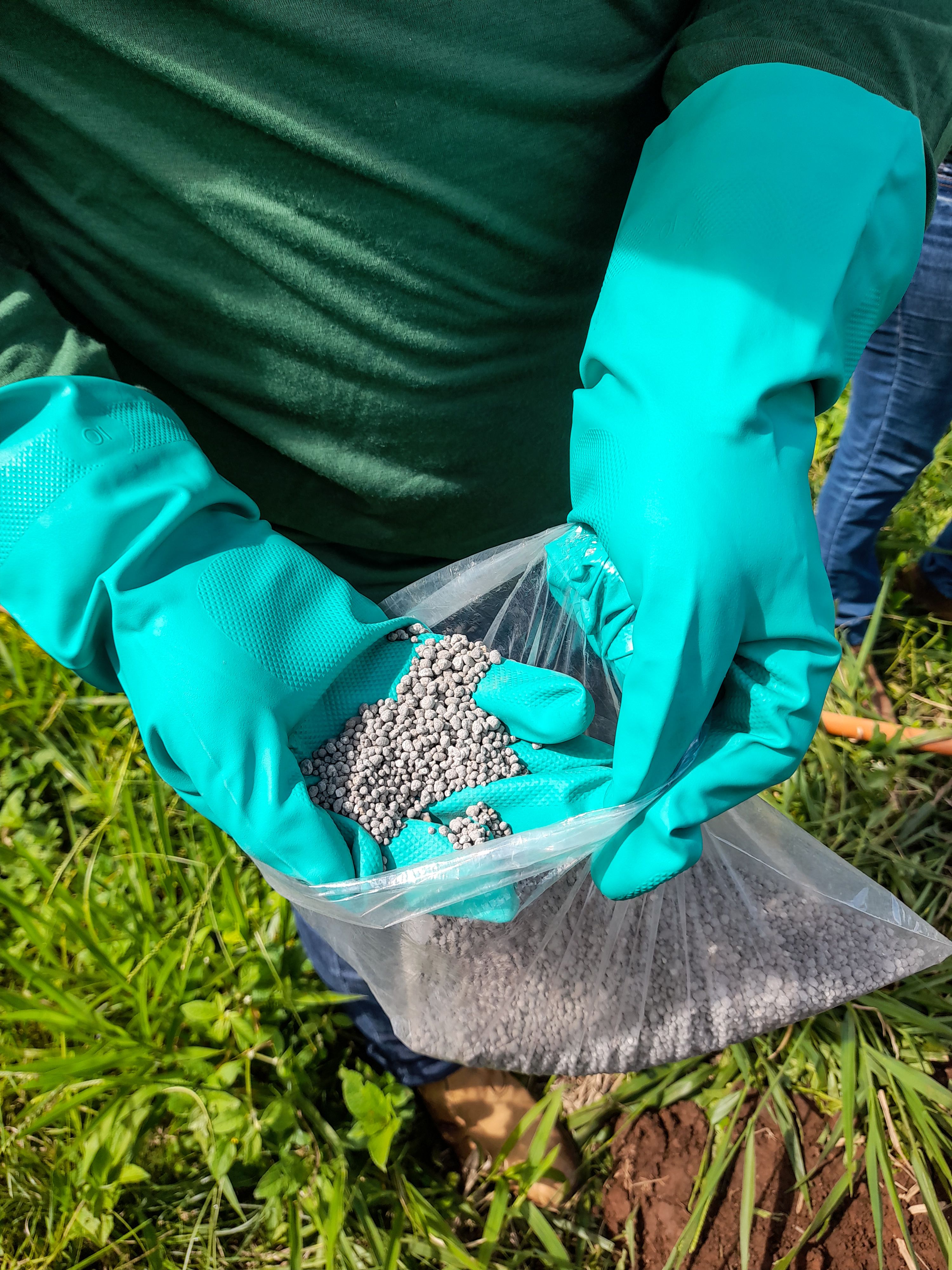
Organic farming in Kenya has rapidly expanded, becoming a profitable alternative for many farmers. Supported by government initiatives and NGOs, sustainable agriculture is seeing a renaissance. The diverse ecological zones offer ideal conditions for a wide variety of organic crops. For detailed insights, visit Hyper Kenya Ltd.
Key Insights or Strategies
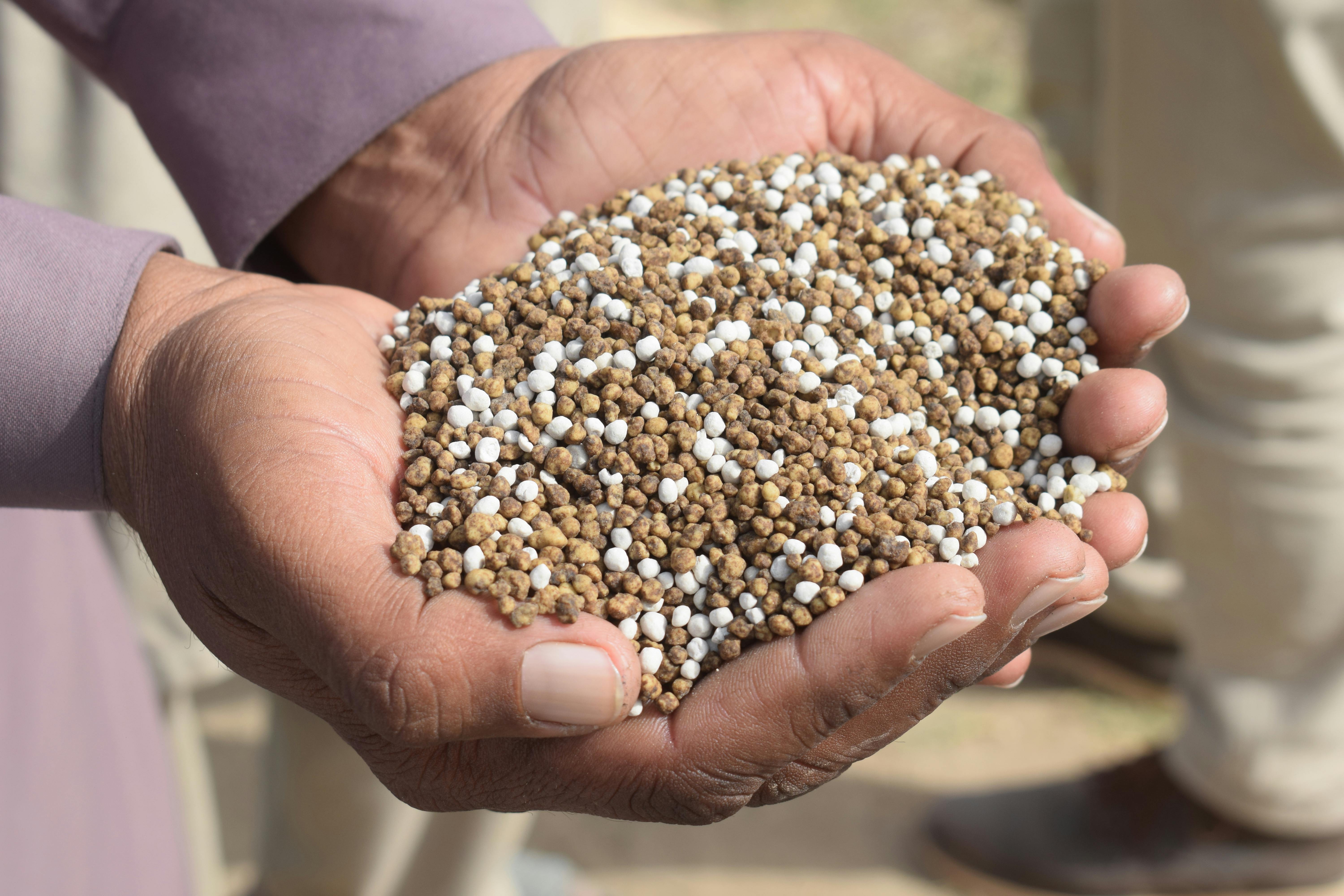
Insight 1: Diagnosing Soil Nutrient Imbalances
- Conduct field soil tests to determine nutrient deficiencies.
- Utilize tools like the MySoil Soil Test Kit – available on Amazon.
Insight 2: Composting Techniques
- Collect crop residues and manure to develop compost piles.
- Regularly turn and maintain your pile for optimal breakdown.
Insight 3: Implementing Crop Rotation
- Plan a cycle of crops that naturally restore soil nitrogen.
- Rotate legumes with other crops to ensure balanced soil health.
Case Studies, Examples, or Comparisons
Farmers in Kwale, using organic farming methods, have improved soil fertility and crop yields, enhancing local economic resilience. The FAO supports such initiatives by providing guidelines to prove their efficacy. To know more, check FAO.
Common Mistakes to Avoid
- Avoid overreliance on a single crop; diversify your crops to maintain soil health.
- Ensure proper irrigation systems like using RAINPOINT Drip Irrigation System.
Expert Tips or Best Practices
- Regularly test soil and adjust amendments accordingly.
- Maintain healthy soil with Drammatic® Organic™ Original Fertilizer – available on Amazon.
Future Trends or Predictions
Sustainable agriculture is poised to integrate technology with AI-driven crop monitoring and smart irrigation becoming crucial. Investments are likely to increase in vertical farming systems and tailored organic blends.
Conclusion
Embrace organic farming to boost productivity sustainably. Discover tools on Amazon and learn more about sustainable solutions with Biofarm Kenya.
FAQs
What is the primary benefit of organic farming?
Organic farming enhances soil structure and boosts biodiversity. For an in-depth view, visit MSU.
How do organic fertilizers differ from inorganic ones?
Organic fertilizers are non-toxic and eco-friendly, providing nutrients through natural processes. Learn more at ScienceDirect.
What are the trends in sustainable agriculture in East Africa?
There’s growing adoption of sustainability standards to improve the sector’s resilience. Check IISD for more.
Why is crop rotation essential in agroecology?
It helps maintain soil fertility by alternating nutrient-depleting and enriching crops. FaO's guide on crop rotation.
How can smallholder farmers improve agricultural yields?
Through low-cost inputs like composting and soil testing kits. More at Royal Brinkman.
How is government supporting sustainable agriculture?
The Kenyan government supports initiatives with incentives and policy frameworks. Refer to Kenya's Agricultural Statistics Unit.



0 Comments