

Estimated Reading Time: 12 minutes
Switch to Organic Farming for Higher Profits
TL;DR: Organic farming enhances soil fertility and moisture retention, reduces pests, and cuts costs for Kenyan farmers. Learn to compost, blend nutrients, and time strategies for maximum yield.
Meta Description: Learn how Kenyan farmers cut costs and boost yields with organic fertilizers. Step-by-step guide on composting, biochar, and soil health for sustainable farming.Key Takeaways:- Organic farming improves soil moisture by up to 25%.
- Composting and biochar enhance soil fertility.
- Leguminous cover crops reduce pest outbreaks naturally.
- Localized nutrient blending and timing strategies maximize yields.
Background & Context
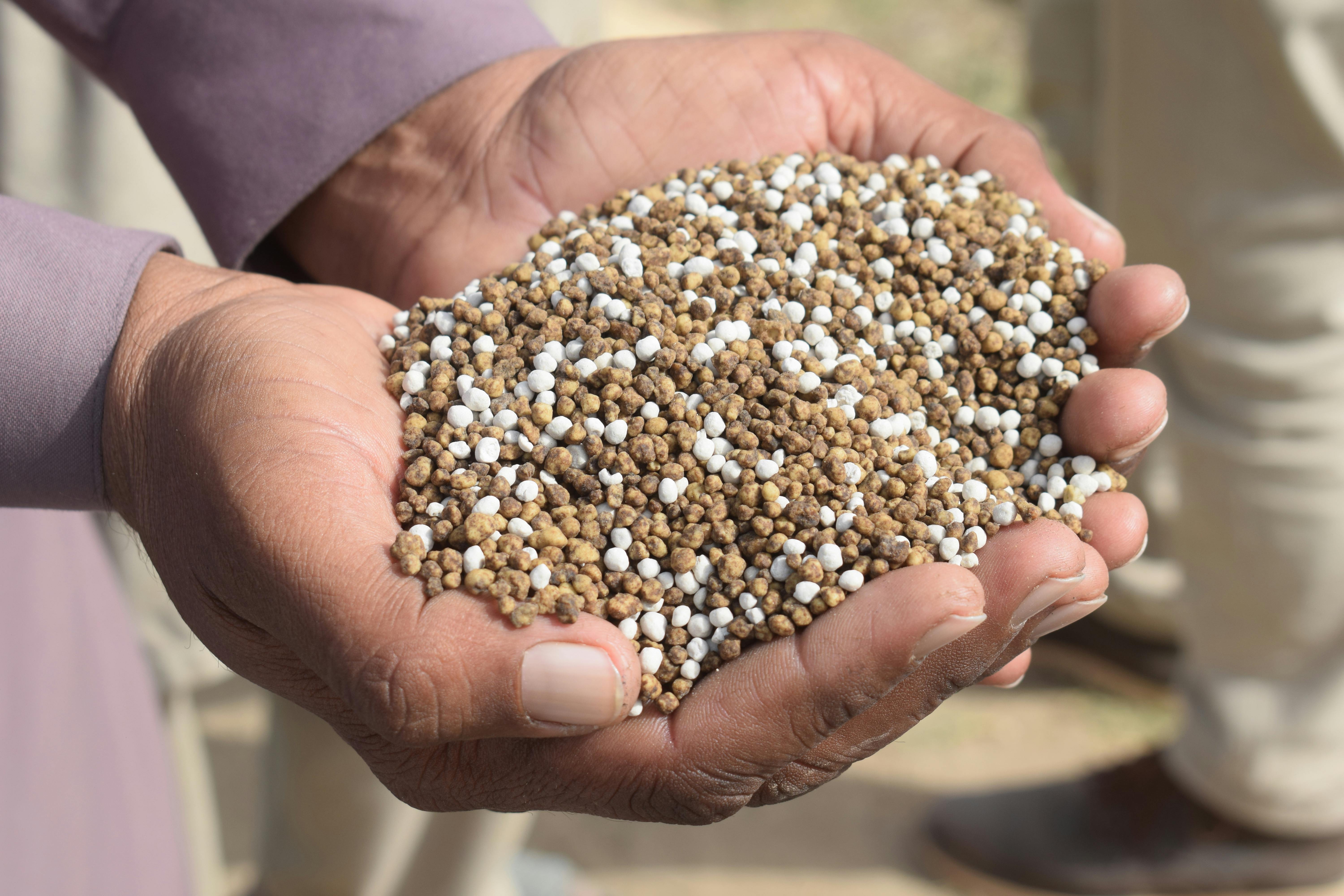
With rising costs and soil degradation from chemical fertilizers, Kenyan farmers are exploring organic alternatives. Sustainable practices, like those championed by the Africa Sustainable Commodities Initiative and others, focus on organic farming to improve both the environment and profitability for farmers.
Key Insights or Strategies

Precise Composting Techniques
- Select local organic waste for composting.
- Layer green and brown materials in a 2:1 ratio.
- Aerate weekly to speed up decomposition.
Boost your yields with the Soil pH & Moisture Tester Kit – available on Amazon.
Explore sustainable organic farming solutions with Biofarm KenyaBiochar for Soil Enhancement
- Obtain biochar from sustainable sources.
- Mix biochar into soil to improve moisture retention.
Case Studies, Examples, or Comparisons
In regions like Central Kenya, farmers using biochar have reported a 25% increase in soil moisture retention. The Kenya Agricultural & Livestock Research Organization (KALRO) supports these findings, emphasizing organic inputs.
Common Mistakes to Avoid
- Over-application of compost, which can lead to nutrient imbalance.
- Ignoring soil pH levels before planting.
- Neglecting crop rotation practices.
Expert Tips or Best Practices
For optimal soil health, integrate Organic Compost Starter Mix. This enhances soil structure, reducing erosion.
Explore sustainable organic farming solutions with Biofarm KenyaFuture Trends or Predictions
Smart irrigation and AI-driven crop monitoring are set to transform Kenyan agriculture, increasing efficiency and sustainability across farming practices.
Conclusion
Organic farming offers a sustainable and profitable path for Kenyan farmers. Discover trusted organic farming tools on Amazon and learn more about sustainable solutions with Biofarm Kenya.
FAQs
- What is the best way to test soil pH for organic farming? Use a soil testing kit for precise results. Learn more at the FAO website.
- How does composting benefit Kenyan soils? Composting enhances microbial activity and increases nutrient content. Explore details at KALRO.
- What organic fertilizers are recommended in Kenya? Products like Drammatic Organic Fertilizer are preferred. Visit KEBS for certification standards.
- How can farmers control pests organically? Implement leguminous cover crops for natural pest suppression. Insights from NEMA.
- What are the benefits of using a drip irrigation system? Drip irrigation conserves water and reduces soil erosion. More at Agribusiness Global.
- Where can I find reliable organic farming resources? Biofarm Kenya offers comprehensive insights. Check Biofarm Kenya Partners.


0 Comments