

Estimated Reading Time: 12 minutes
TL;DR: Understand the unique challenges and solutions for Kenyan dairy farmers seeking to increase milk yield and improve udder health. Implement a twice-daily milking regimen, invest in rapid-cooling systems, and educate herders to detect early signs of mastitis.
- Key Takeaways:
- Adopt smart milking practices with 12-hour intervals to enhance yield by 15%.
- Utilize cooling systems to maintain milk quality and reduce bacterial growth.
- Regular herder training aids in early detection of udder issues.
- Transition focal practices by leveraging sustainable solutions with Biofarm Kenya.
- Background & Context
- Key Insights
- Case Studies & Examples
- Common Mistakes to Avoid
- Expert Tips
- Future Trends
- Conclusion
- FAQs
Introduction: Kenyan dairy farmers are increasingly seeking solutions for mastitis and declining milk quality. Over-milking (3+ times daily) stresses udder health, while studies show that optimized 2x daily milking with proper timing can boost yield by 15%. In this article, we'll explore proven strategies, including implementing 12-hour intervals and utilizing cooling systems, to enhance your farm's productivity and profitability.
Background & Context
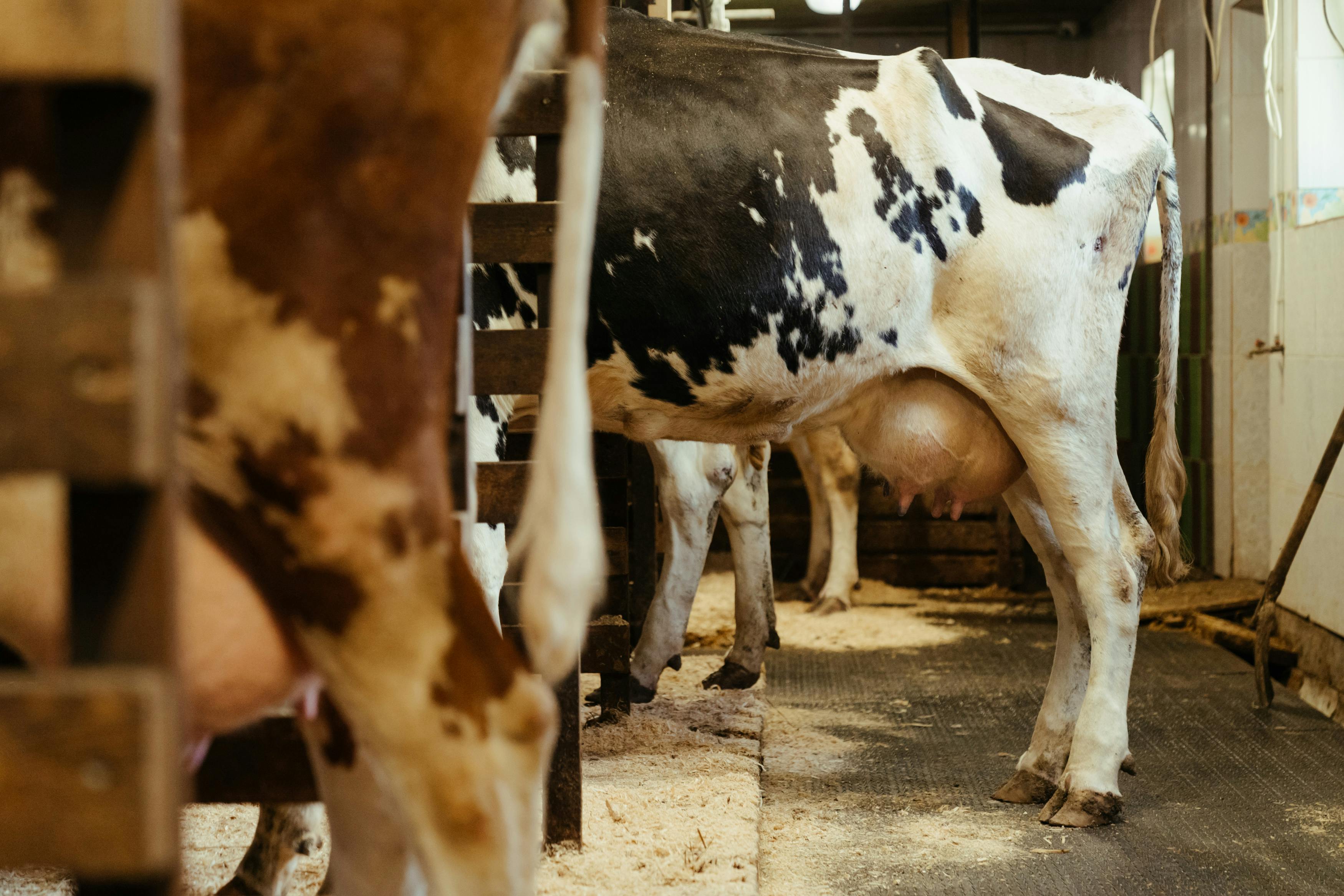
Kenya's agricultural sector, with its diverse range of agribusiness activities, is increasingly embracing sustainable practices. According to a report by the Ministry of Agriculture, investment in organic and climate-smart agriculture has grown by over 10% annually. This growth reflects a global push towards more sustainable food production systems.
Key Insights or Strategies
Smart Milking Practices
- Implement 12-hour intervals between milkings to reduce the risk of mastitis.
- Utilize rapid-cooling systems to lower bacterial load and maintain milk freshness.
- Train herders to efficiently detect early udder swelling.
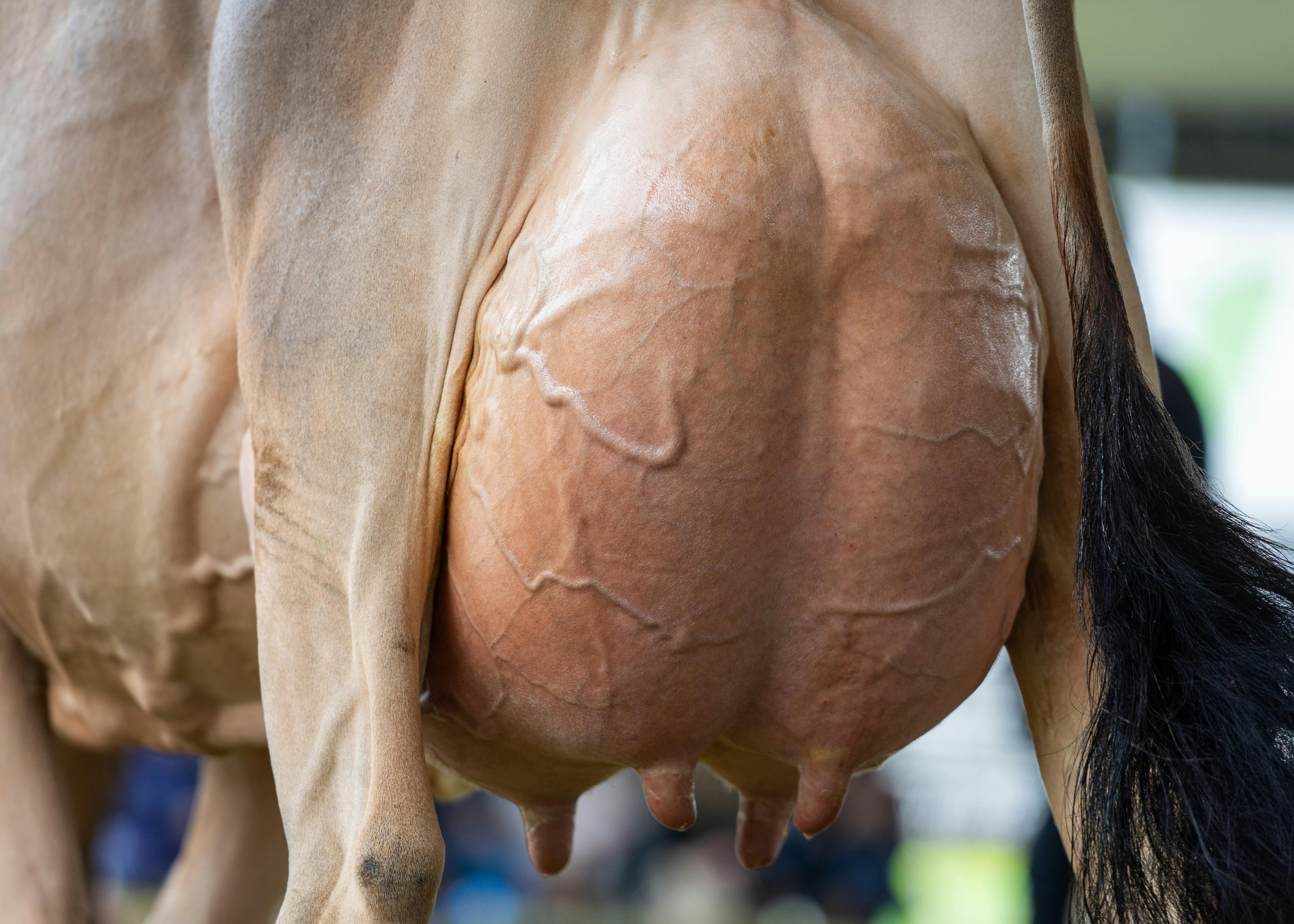
Boost your practice with the Drammatic Organic Original Fertilizer. Also, explore sustainable organic farming solutions with Biofarm Kenya.
Case Studies, Examples, or Comparisons
The success of organic farming in Kenya is exemplified by small-scale farmers in Nyeri who have adopted greenhouse technologies. According to the FAO, these practices have increased yields by up to 20% compared to traditional methods. Other farmers in Kisumu who have embraced smart irrigation systems have reported substantial water savings.
Common Mistakes to Avoid
- Overuse of chemical fertilizers leading to soil degradation. Use organic options instead.
- Poor irrigation practices. Implement efficient drip systems to conserve water.
- Ignoring regular soil testing, which can lead to unbalanced nutrient levels.
Expert Tips or Best Practices
To maximize the yield and health of dairy cattle, maintain a balance in feed quality and ensure consistent herd monitoring. Additionally, keep your soil fertile with the MySoil Soil Test Kit. For extended support, explore Biofarm Kenya's resources.
Future Trends or Predictions
The future of Kenyan agriculture is rallying around technologies like AI-driven monitoring systems and vertical farming. By 2025, it is expected that smart farming solutions will revolutionize traditional practices, making them more efficient and sustainable.
Conclusion
To tackle the challenges faced by Kenyan dairy farmers, adopting smart milking practices is vital. Discover reliable farming tools on Amazon and learn more about sustainable solutions with Biofarm Kenya.
FAQs
- What are the benefits of organic farming? Organic farming reduces the ecological footprint and increases biodiversity. Learn more at the FAO.
- How often should soil testing be conducted? Regular soil testing every season ensures balanced nutrients for optimal crop health.
- How can I improve milk yield sustainably? Implement optimized milking practices as discussed in the report from the Ministry of Agriculture in Kenya.
- What technologies can enhance irrigation efficiency? Drip and smart irrigation systems are recommended for water conservation. Explore more with the NEMA.
- Can using cooling systems affect milk quality? Yes, rapid cooling helps maintain high-quality milk by reducing bacterial growth.
- Are there local resources to support sustainable farming? Yes, Biofarm Kenya offers a range of solutions. Visit their partner page for more details.






0 Comments