

Estimated Reading Time: 10 minutes
TL;DR: Discover how Kenyan farmers can benefit from drought-resistant sorghum farming using intercropping techniques. Learn strategic insights and best practices to boost yields and profits while maintaining sustainable agriculture methods.
Key Takeaways:
- Understand the benefits of sorghum-legume intercropping.
- Explore sustainable farming methods that combat climate challenges.
- Discover effective soil management techniques to improve yields.
- Gain insights into upcoming trends in agriculture.
- Access essential resources and tools to support your farming endeavors.
Table of Contents:
- Background & Context
- Key Insights or Strategies
- Case Studies, Examples, or Comparisons
- Common Mistakes to Avoid
- Expert Tips or Best Practices
- Future Trends or Predictions
- Conclusion
- FAQs
Background & Context
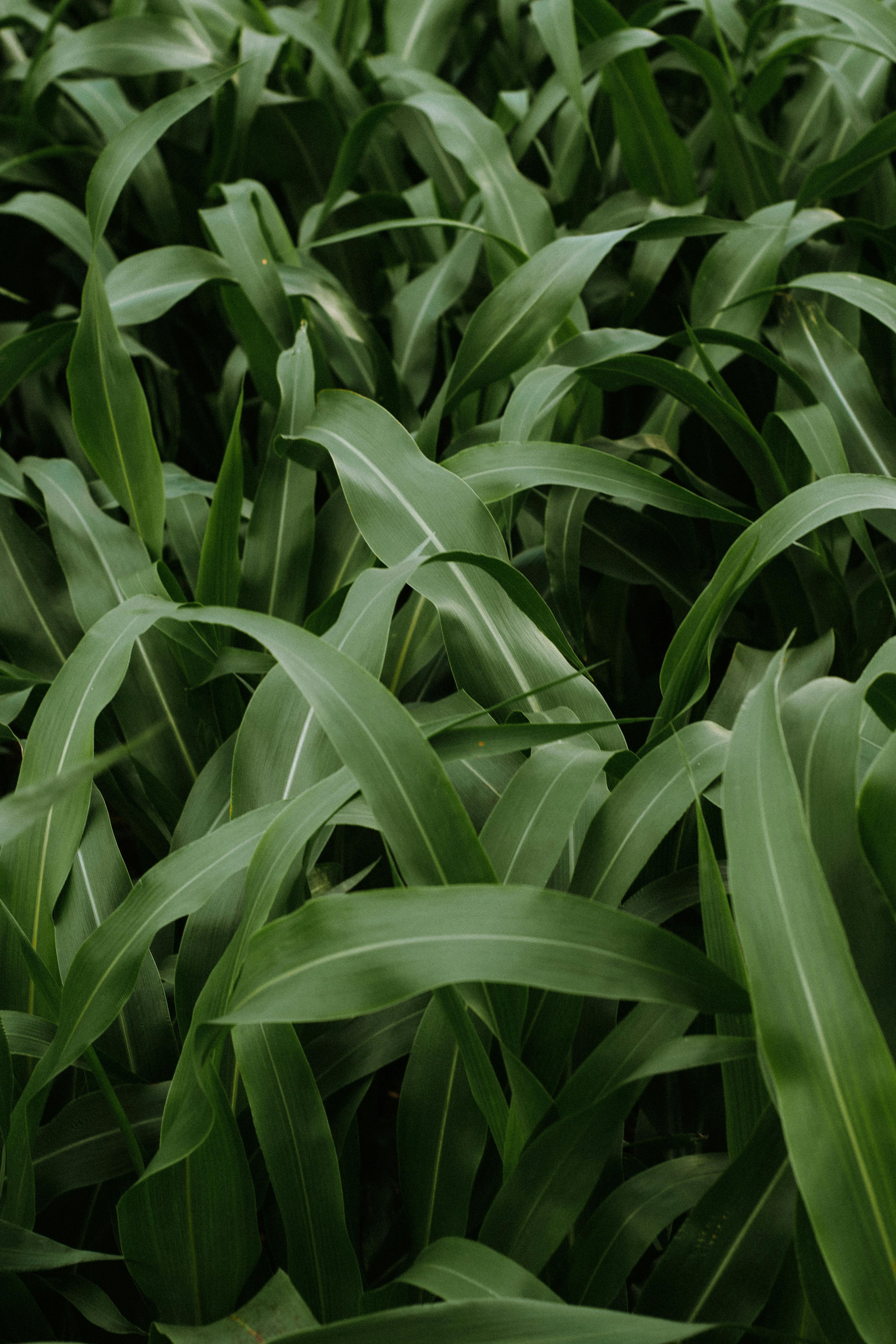
Kenyan farmers increasingly seek drought-resilient practices amid erratic rainfall. Training on sorghum-legume intercropping addresses this need by combining climate-smart agriculture with profit maximization. According to the Kenya Agricultural & Livestock Research Organization (KALRO, 2024), pairing sorghum with nitrogen-fixing legumes like cowpeas enhances soil fertility, reducing pest outbreaks by 40%.
Key Insights or Strategies
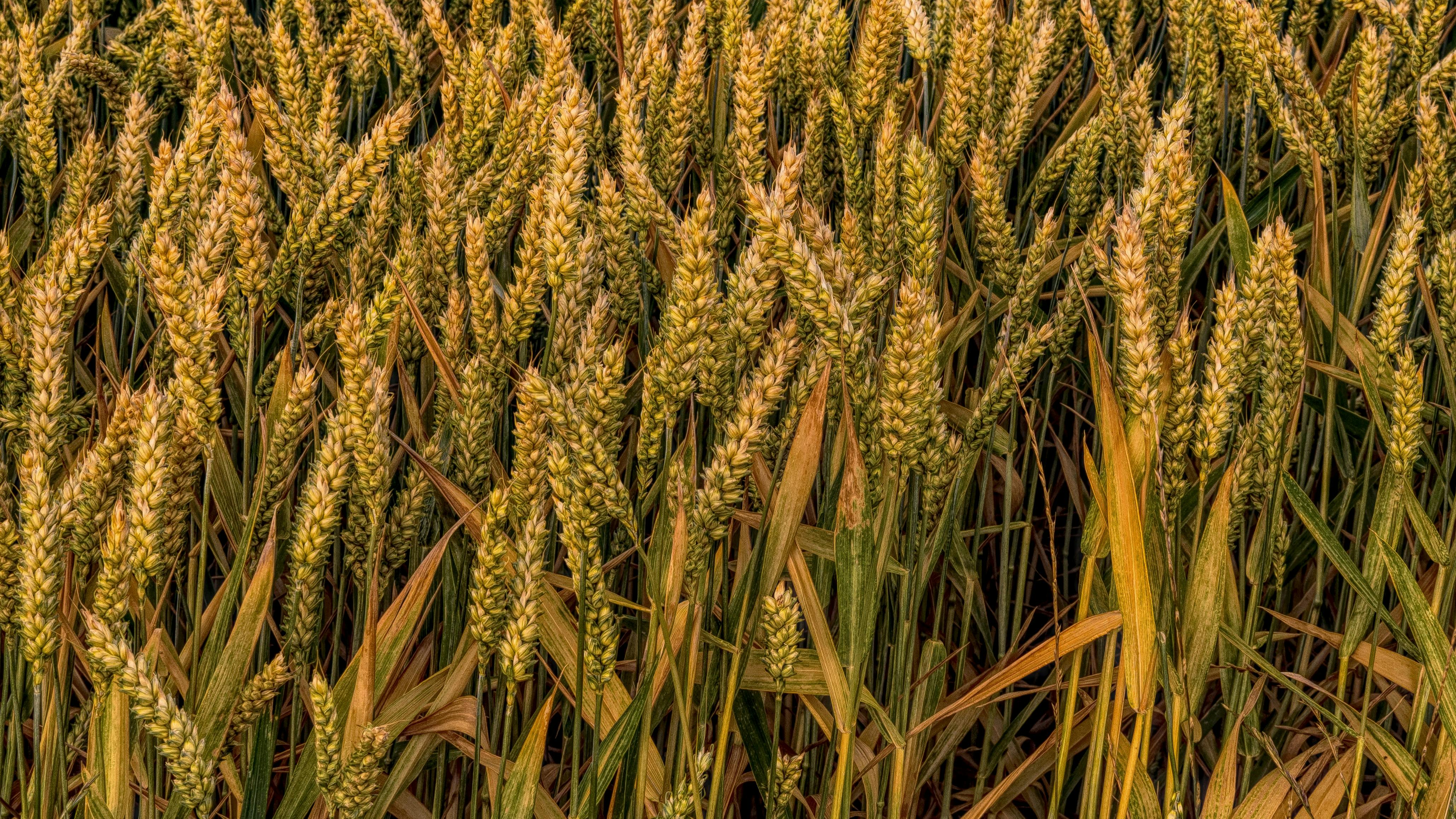
Insight 1: Pairing Sorghum with Legumes
Pairing sorghum with nitrogen-fixing legumes, such as cowpeas, is a critical strategy. This intercropping method enhances soil nitrogen levels and reduces pest outbreaks by 40%, according to research from ICRISAT (2025).
- Plant sorghum alongside cowpeas.
- Ensure optimal spacing to maximize light and water efficiency.
- Regularly monitor for pests and implement organic pest control methods.
Consider the Wallace Organic Wonder, Soluble Humic & Fulvic Acid Powder to enhance soil quality.
Insight 2: Optimizing Spacing and Water Efficiency
Proper plant spacing maximizes light use, crucial for growth and yield. Monitor water usage to enhance drought resistance.
Boost your yields with the CARPATHEN Drip Irrigation System Kit designed for efficient water use.
Explore sustainable organic farming solutions with Biofarm Kenya
Case Studies, Examples, or Comparisons
In Kakamega County, farmers using the sorghum-legume intercropping method increased yields by 25–30% over monoculture farming, illustrating the method's efficacy (source: Ministry of Agriculture).
Common Mistakes to Avoid
- Overuse of chemical fertilizers—opt for organic alternatives.
- Neglecting proper plant spacing, which can reduce yield efficiency.
- Ignoring regular soil quality assessments.
Expert Tips or Best Practices
Maintain healthy soil by using minimal chemical inputs and opting for natural alternatives. Regular soil testing can guide you in applying the right amount and type of fertilizers.
For precise soil assessment, consider the MySoil Soil Test Kit to tailor your nutrient management practices.
Explore innovative solutions with Biofarm Kenya
Future Trends or Predictions
Upcoming trends include smart irrigation techniques and AI-driven crop monitoring systems. These innovations promise to enhance resource efficiency and boost productivity in the face of climate change.
Conclusion
Intercropping drought-resistant sorghum with legumes offers a viable solution for enhancing yield and sustainability. Implement these strategies to cut costs by up to 40% and improve productivity.
Discover trusted organic farming tools on Amazon and learn more about sustainable solutions with Biofarm Kenya.
FAQs
1. What is sorghum-legume intercropping?
An agricultural technique pairing sorghum with legumes like cowpeas, improving soil and yields. Learn more at FAO.
2. How does intercropping combat pests?
The legumes enhance soil nitrogen levels, naturally reducing pest outbreaks. See ICRISAT studies.
3. Why is optimizing spacing crucial?
Proper spacing maximizes light and water use, crucial for plant growth. Ministry of Agriculture.
4. What are effective organic fertilizers?
Humic and fulvic acid-based fertilizers can improve soil quality. Biofarm Kenya Resources.
5. How to maintain soil health sustainably?
Minimal chemical inputs and regular soil testing ensure long-term soil health. NEMA Guidelines.
6. Upcoming agricultural innovations?
Smart irrigation and AI monitoring are vital for the future of farming. Explore CGIAR insights.






0 Comments