### Boost Profits with Drought-Resistant Pigeon Peas
Estimated Reading Time: 12 minutes
**TL;DR:** Drought-resistant pigeon peas provide a sustainable crop option for Kenyan farmers, reducing water dependency and increasing income. Key practices include smart soil preparation, intercropping, and accessing new markets. Learn about products to boost your farming success.**Key Takeaways:** - Pigeon peas require 30% less water than maize and perform well in arid conditions. - Prepare soil with a pH of 5.5–6.5 for optimal legume growth. - Consider intercropping with nitrogen-fixing plants. - Ensure market access for non-traditional crops to maximize profits. - Training and innovation in farming methods ensure sustainability and profitability.**Table of Contents:** 1. [Introduction](#h-introduction) 2. [Background & Context](#h-background) 3. [Key Insights or Strategies](#h-insights) 4. [Case Studies, Examples, or Comparisons](#h-examples) 5. [Common Mistakes to Avoid](#h-mistakes) 6. [Expert Tips or Best Practices](#h-tips) 7. [Future Trends or Predictions](#h-trends) 8. [Conclusion](#h-conclusion) 9. [FAQs](#h-faqs)
Introduction
As climate patterns destabilize globally, Kenyan farmers are increasingly seeking drought-resistant crops. Pigeon peas outperform maize in arid conditions, requiring 30% less water and maintaining yields during dry spells. This shift in cultivation practices not only addresses water scarcity but also boosts profits by opening doors to emerging markets for non-traditional legumes.
Background & Context
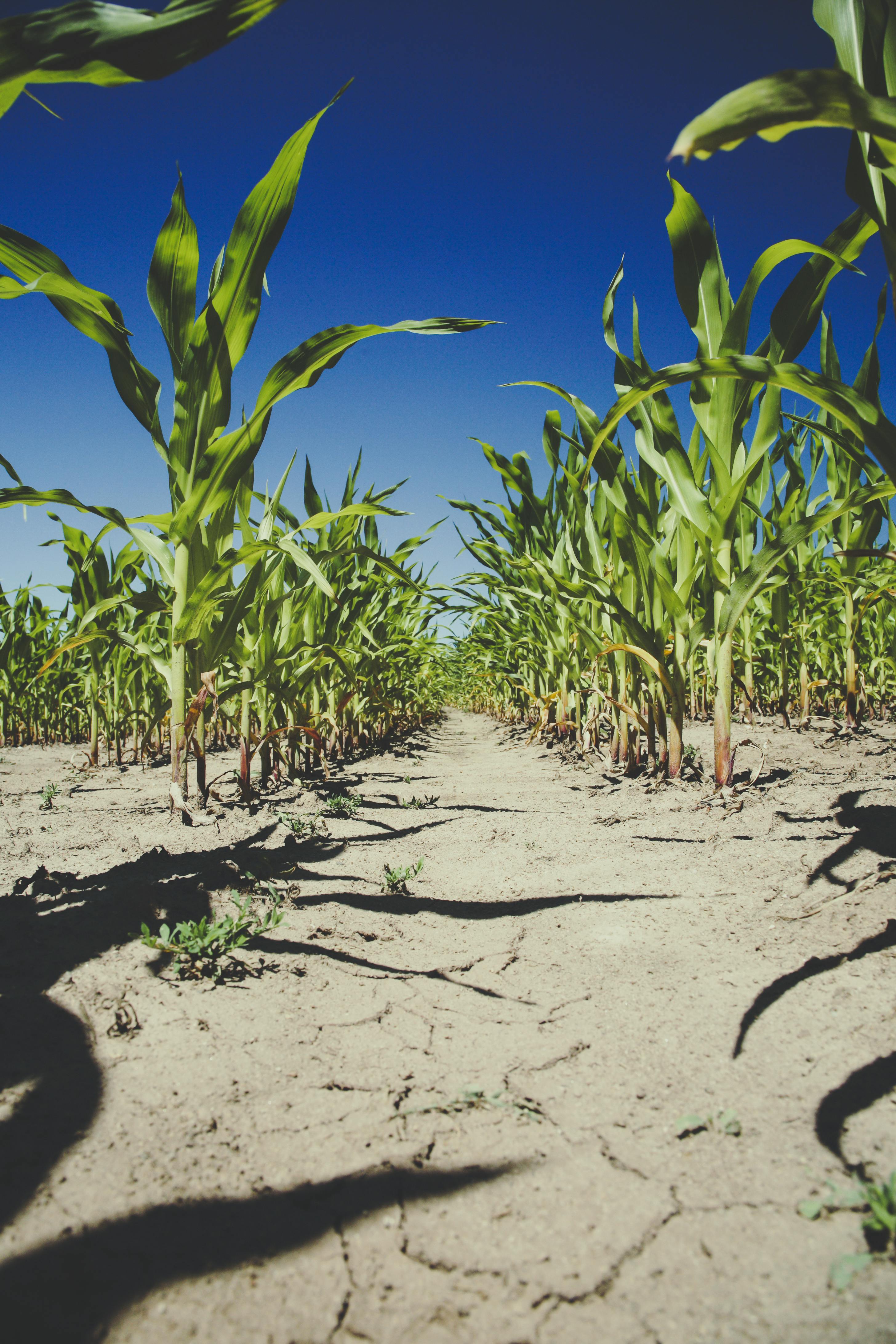
Kenya's agricultural sector is experiencing a transformative shift towards sustainable practices. With a demand surge in organic farming, sustainable methods are becoming essential. According to Hyper Kenya Ltd, organic farming is one of the fastest-growing sectors due to high-value crops and market access opportunities. This trend offers Kenyan farmers a chance to pivot towards more resilient and profitable agricultural practices.
Key Insights or Strategies

1. Optimize Soil Preparation
2. Intercropping for Success
3. Market Access and Training
- Create connections with local cooperatives and markets.
- Utilize training programs provided by agricultural bodies to enhance farming techniques.
Explore sustainable organic farming solutions with Biofarm KenyaCase Studies, Examples, or Comparisons
A 2025 study by Jomo Kenyatta University highlighted pigeon pea farms in Kitui County achieving 40% higher income than maize farms during droughts. With farmers harnessing eco-friendly practices, the Food and Agriculture Organization (FAO) reports significant income growth, underlining the economic and environmental benefits of pigeon pea cultivation.
Common Mistakes to Avoid
1. **Improper Soil Management** - Avoid overuse of chemical fertilizers which harm soil health. Opt for organic solutions instead.2. **Inefficient Water Use** - Drip irrigation is more water-efficient than traditional systems. Consider utilizing precise systems for effective water use.3. **Neglecting Market Connections** - Farmers should actively seek cooperative engagements and market opportunities to sell non-traditional legumes.
Expert Tips or Best Practices
- **Improve Soil Health** Maintain vibrant soil with the
Drammatic® Organic™ Original Fertilizer.- **Smart Irrigation** Opt for innovative drip systems that ensure adequate water distribution.- **Continuous Learning and Adaptation** Stay informed about sustainable farming techniques to stay ahead in the industry.
Explore sustainable organic farming solutions with Biofarm KenyaFuture Trends or Predictions
The future of agriculture in Kenya will witness more innovations, such as:- **Smart Irrigation Systems** – Sensors and automation will optimize water use.- **Vertical Farming** – Utilizing minimal space for maximum yield.- **AI-Driven Crop Monitoring** – Precision farming powered by real-time data.
Conclusion
Pigeon peas represent a resilient and profitable crop option for Kenyan farmers, fitting well within sustainable agricultural practices. Leveraging the right tools is crucial – check out trusted organic farming tools on
Amazon and learn more about sustainable solutions with
Biofarm Kenya.
FAQs
1. **What are pigeon peas and why are they ideal for drought conditions?** Pigeon peas are leguminous crops that require less water, making them ideal for drought conditions (Source: [FAO](http://www.fao.org)).2. **How can soil tests enhance legume farming?** Soil tests assess nutrient requirements, ensuring optimal growth conditions [(KEBS)](https://www.kebs.org/).3. **What is the best way to use drip irrigation in arid regions?** Drip irrigation targets roots efficiently, providing water directly to plants (Source: [NEMA](https://www.nema.go.ke)).4. **How to ensure market access for non-traditional crops?** Engage with cooperatives and stay updated with market trends for better outreach [(Ministry of Agriculture, Kenya)](https://www.kilimo.go.ke).5. **What can Biofarm Kenya offer to organic farmers?** Biofarm Kenya provides resources and training for sustainable farming [(Biofarm Kenya)](https://biofarmkenya.link/partners).6. **Why is intercropping beneficial for legume farming?** Intercropping improves soil fertility and yields through biodiversity (Source: [FAO](http://www.fao.org)). ### Style:


0 Comments