

Estimated Reading Time: 10 minutes
TL;DR:Kenya's agricultural export sector, often dubbed the 'green gold rush,' contributes significantly to the national economy, yet this prosperity often bypasses smallholder farmers. These farmers, crucial to national food security, grapple with immense debt, limited access to resources, and volatile market prices. The shift to high-value cash crops for export, while promising profits, leaves many vulnerable to environmental degradation and economic instability. Sustainable practices, innovative financial models like 'green loans,' and digital market access are emerging as vital solutions to empower these struggling farmers and ensure a more equitable and resilient agricultural future.Key Takeaways:Introduction: The Unseen Costs of Kenya’s 'Green Gold Rush'
Kenya, a vibrant agricultural powerhouse, proudly stands as a leading exporter of high-value crops like tea, coffee, and horticulture. This lucrative sector, often celebrated as a 'green gold rush,' injects billions into the national economy, painting a picture of prosperity and growth. However, beneath this shimmering facade lies a stark and often heartbreaking reality for the backbone of Kenya's food system: its smallholder farmers. While Kenya's export farms earn billions, small farmers struggle with debt & ruin. This article aims to explore the hidden cost of the 'green gold rush,' delving into the systemic challenges that leave countless families trapped in cycles of poverty and environmental degradation. Learn the real impact of a system that prioritizes export profits over the well-being of its most vulnerable producers, and discover how a shift towards truly sustainable and equitable practices can pave the way for a more resilient future.Background & Context: The Dual Realities of Kenyan Agriculture
Kenya's agricultural landscape is a study in contrasts. On one hand, large-scale commercial farms, often backed by significant investment, leverage modern techniques and direct access to international markets to generate substantial export revenues. The allure of high-value cash crops has, in many cases, driven smallholder farmers to abandon traditional food crops, hoping to tap into the same prosperity. Yet, this shift often comes with a heavy price. Smallholder farmers in Kenya face a myriad of challenges, including prolonged droughts and rising global temperatures, which exacerbate food insecurity across the nation, as highlighted by The Borgen Project. A critical barrier for these farmers is the pervasive lack of access to essential resources—be it affordable credit, modern farming techniques, or fertile land, which is increasingly subject to land grabbing by larger entities. Furthermore, many smallholders are exploited by multinational corporations due to a lack of access to fair markets, leading to low prices for their produce and deepening debt traps, as observed by endPoverty. The high cost of production, without adequate subsidies for farm inputs, further squeezes already thin margins, leaving families struggling to meet basic needs even as the export sector flourishes. This precarious situation underscores the urgent need to address the systemic inequalities that define Kenya's 'green gold rush.'
Key Insights & Sustainable Strategies for Resilient Farming
Empowering Kenyan smallholder farmers requires a multi-faceted approach, integrating sustainable practices with improved market access and financial inclusion. The following insights and strategies offer a roadmap towards a more resilient and equitable agricultural future.Adopting Climate-Smart Agricultural Practices
Climate change is a formidable adversary for Kenyan farmers. Embracing climate-smart techniques is not just an option but a necessity.Enhancing Market Access Through Digital Platforms
One of the most significant challenges for small farmers is reaching fair markets. Digital platforms are bridging this gap.Innovative Financial Solutions and Support Systems
Access to capital is a persistent hurdle. Creative financial solutions are essential for empowering farmers to invest in sustainable practices.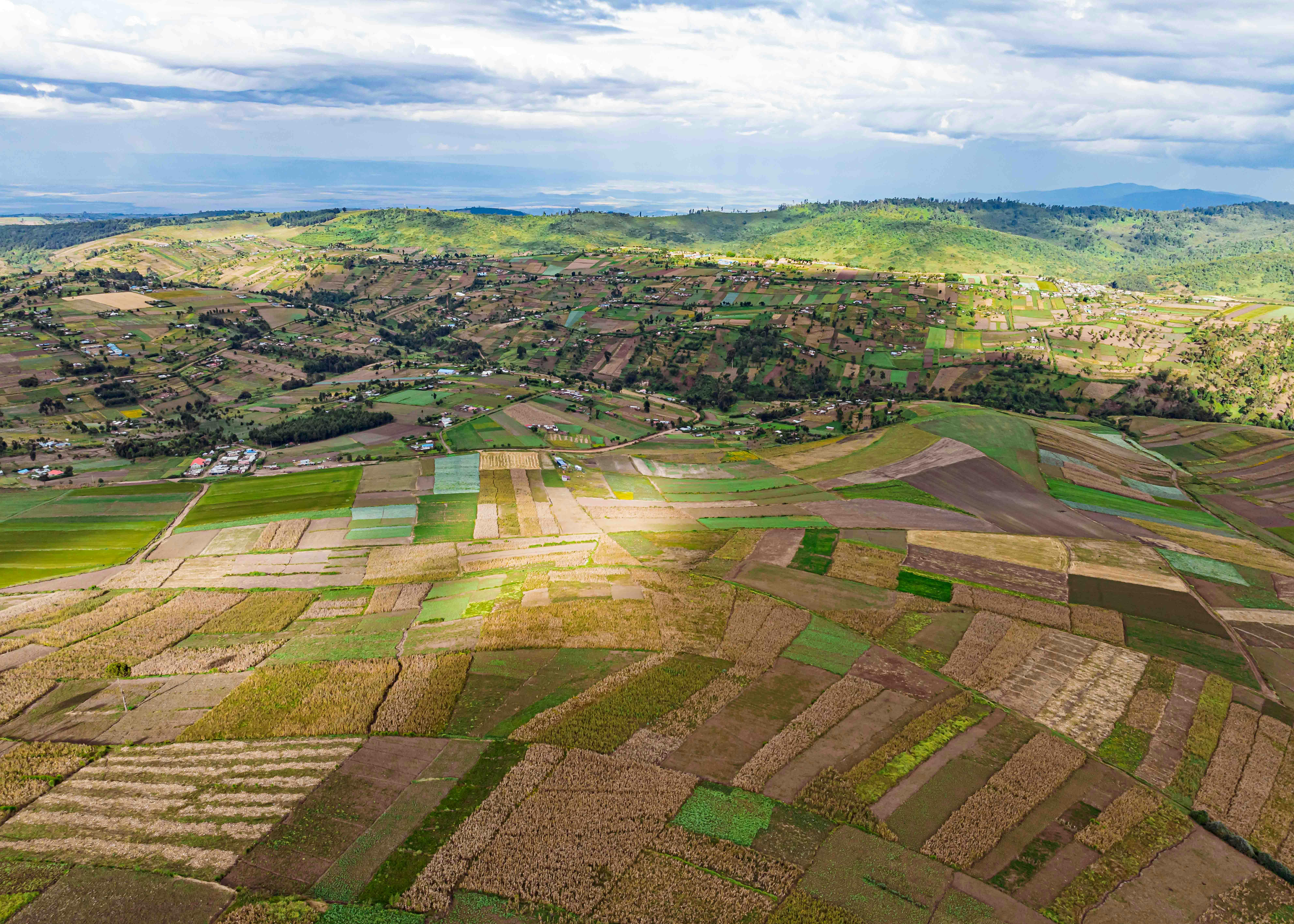 By integrating these key insights, Kenya can foster an agricultural sector where prosperity is shared, and environmental stewardship is prioritized. Explore sustainable living solutions with Eco-Oasis Firm to learn how these practices can be integrated into your community.
Case Studies: Pathways to Prosperity in Kenyan Smallholder Farming
Real-world examples demonstrate the tangible benefits of transitioning towards sustainable practices and equitable market access. These success stories offer valuable lessons for scaling positive change across Kenya.One compelling example comes from Farm Africa's work in Kenya, where they partner with small-scale farmers to adopt sustainable agriculture practices, including regenerative agriculture and fish farming. For instance, Lilian Wolayo, a beneficiary of their Growing Futures project, has transformed her farm in Saboti County by tending to vegetables using sustainable methods, significantly increasing her productivity and income. This demonstrates how targeted support and education can lead to substantial improvements in livelihoods.Another notable initiative is the Sustainable Agricultural Value Chain Enterprises in Central Kenya (SAVES) project, which is creating sustainable and inclusive agricultural systems. With funding from AGRA, this project focuses on increasing food security, incomes, and climate resilience for smallholder farmers and broader rural communities. By focusing on the entire value chain, from production to market, such initiatives ensure that farmers are not only producing sustainably but also receiving fair compensation for their efforts.Furthermore, the integration of technology through platforms like Tawi Fresh, mentioned earlier, is a game-changer. By connecting farmers directly with buyers, Tawi Fresh minimizes post-harvest losses and ensures better prices. This market linkage has been crucial in empowering farmers, reducing their vulnerability to exploitative intermediaries, and fostering economic growth within their communities. These examples collectively illustrate that while Kenya's export farms earn billions, the implementation of strategic support systems and sustainable practices can empower small farmers to overcome debt & ruin and carve out their own path to prosperity within the 'green gold rush.'Common Mistakes to Avoid in the Pursuit of Agricultural Prosperity
While the 'green gold rush' promises prosperity, smallholder farmers often encounter pitfalls that can deepen their struggles. Recognizing and avoiding these common mistakes is crucial for sustainable success.Firstly, over-reliance on a single cash crop is a significant risk. While a specific crop might offer high returns in the short term, price volatility, pests, and climate shocks can decimate an entire season's income, leading to severe financial instability. Diversifying crops, including food crops for household consumption and local markets, provides a crucial safety net.Secondly, ignoring soil health and environmental stewardship for short-term gains is a long-term detriment. Intensive farming practices without proper crop rotation, organic matter replenishment, or water conservation can lead to soil degradation, reduced yields, and increased input costs over time. This approach undermines the very foundation of sustainable farming.A third common mistake is entering into exploitative contracts without full understanding. Many small farmers, eager for market access, sign agreements with large corporations that offer unfair prices or unfavorable terms, trapping them in debt. It is vital to seek legal counsel or engage with trusted cooperatives to understand contract implications fully.Finally, neglecting investment in knowledge and modern techniques can stifle progress. Relying solely on traditional methods, while valuable, may not be sufficient to combat new pests, diseases, or the effects of climate change. Accessing agricultural extension services, farmer-to-farmer learning networks, and appropriate technologies is essential for adapting and thriving.Expert Tips & Best Practices for Sustainable Smallholder Success
For Kenyan smallholder farmers navigating the complex landscape of the 'green gold rush,' adopting expert-backed strategies can make a profound difference. These tips focus on building resilience, enhancing productivity, and ensuring long-term profitability.Firstly, prioritize soil health as your farm's foundation. Implementing practices like composting, cover cropping, and minimal tillage significantly improves soil fertility, water retention, and microbial activity. Healthy soil is more resistant to drought and requires fewer synthetic inputs, saving costs and enhancing environmental sustainability.Secondly, embrace crop diversification and integrated farming systems. Beyond traditional cash crops, integrate indigenous food crops, livestock, and agroforestry elements. This strategy not only provides food security for your family but also diversifies income streams, reduces pest and disease pressure, and builds ecological resilience. For example, consider integrating nitrogen-fixing trees into your farm design.Thirdly, invest in continuous learning and technology adoption. Attend farmer field schools, join agricultural cooperatives, and utilize mobile agricultural apps for real-time weather information, market prices, and expert advice. Technologies like simple drip irrigation systems or improved seed varieties can drastically boost yields and efficiency. Try switching to Explore sustainable living solutions with Eco-Oasis Firm for access to innovative sustainable farming tools and resources.Lastly, strategically access financial resources and markets. Seek out 'green loans' or microfinance options designed to support sustainable agriculture. Furthermore, explore opportunities to directly link with buyers through digital platforms or farmer collectives to secure fairer prices and reduce reliance on exploitative middlemen. Understanding market demand before planting can help avoid gluts and ensure profitability.Future Trends: Cultivating a Greener, More Equitable Future
The future of agriculture in Kenya, particularly for its smallholder farmers, is poised at a critical juncture. Emerging trends, driven by environmental data and expert insights, point towards a necessary evolution in farming practices and economic structures.One dominant trend is the escalating impact of climate change, which will necessitate even greater adoption of climate-resilient agriculture. According to research from the Kenya Institute for Public Policy Research and Analysis (KIPPRA), climate change significantly impacts crop revenue in Kenya, highlighting the urgency of adaptation measures. This includes expanding drought-resistant crop varieties, precision agriculture, and enhanced water harvesting techniques on a wider scale.Another significant prediction is the increasing role of digital transformation. The proliferation of mobile technology will continue to empower farmers with real-time information on weather patterns, market prices, and best practices. Furthermore, blockchain technology may emerge to enhance supply chain transparency, ensuring that small farmers receive fair compensation and consumers can trace the ethical origins of their produce.There will also be a growing emphasis on agroecology and biodiversity conservation. The negative impact of intensive cash crop farming on biodiversity, particularly through land-use change, is a concern highlighted by BIODEV2030. Future trends will prioritize farming systems that restore ecological balance, enhance soil health naturally, and protect local ecosystems, moving away from monoculture reliance. This shift is vital for long-term food security and environmental health.Finally, a push for more equitable value chains is expected. As awareness grows about the struggles faced by small farmers caught in the 'green gold rush,' consumer demand for ethically sourced products and policy interventions to protect vulnerable producers are likely to increase. This could lead to fairer trade practices, better financial support, and stronger collective bargaining power for smallholder communities, ensuring that while Kenya's export farms earn billions, small farmers no longer struggle with debt & ruin but rather thrive.Conclusion: Sowing Seeds of Hope for Kenya’s Farmers
The narrative of Kenya's 'green gold rush' is undeniably complex, revealing a prosperity that has largely eluded the very hands that cultivate it. While Kenya's export farms earn billions, small farmers struggle with debt & ruin, bearing the brunt of a system designed for large-scale profit rather than widespread well-being. The urgent need to address the systemic challenges—from climate vulnerability and lack of resources to market exploitation—is paramount.However, the path forward is illuminated by promising solutions. By embracing sustainable agricultural practices, leveraging innovative digital platforms for market access, and championing equitable financial models like 'green loans,' Kenya can transform its agricultural sector. Empowering smallholder farmers with knowledge, resources, and fair opportunities is not merely an act of charity; it is an investment in national food security, environmental resilience, and shared prosperity. The journey to a truly sustainable and equitable 'green gold rush' requires collective action, informed policy, and a commitment to ensuring that every farmer reaps the true value of their labor. Let us work towards a future where the green gold of Kenya benefits all its people, fostering thriving communities and a healthy planet.Explore sustainable living solutions with Eco-Oasis Firm and join us in supporting a more just and sustainable agricultural landscape.FAQs: Addressing Key Questions for Kenyan Farmers
What are the main challenges faced by smallholder farmers in Kenya?
Smallholder farmers in Kenya contend with numerous obstacles, including climate change impacts like prolonged droughts and unpredictable rainfall, limited access to affordable credit and modern farming technologies, and insufficient market access that often leads to exploitation by intermediaries. Additionally, land grabbing by larger entities reduces available fertile land, and high production costs without adequate subsidies further strain their finances. The Borgen Project details these struggles, emphasizing the interconnected nature of these challenges.
How does climate change specifically affect Kenyan small farmers?
Climate change profoundly impacts Kenyan small farmers through erratic weather patterns, increased frequency and intensity of droughts, and rising temperatures. These changes directly lead to reduced crop yields, increased water scarcity, and a higher incidence of pests and diseases, all of which threaten food security and farmer livelihoods. Research from the Kenya Institute for Public Policy Research and Analysis (KIPPRA) indicates a significant negative impact on crop revenue due to these climatic shifts.
What sustainable farming practices can help Kenyan smallholder farmers?
Several sustainable practices can empower Kenyan smallholder farmers. These include conservation tillage, which minimizes soil disturbance to improve moisture retention and soil health; agroforestry, integrating trees into farmlands for ecological and economic benefits; organic farming to reduce chemical reliance; crop rotation to maintain soil fertility; and efficient water management techniques like drip irrigation and rainwater harvesting. GreenLife advocates for these methods to build resilience and enhance productivity.
How do export cash crops impact the livelihood of small farmers in Kenya?
While export cash crops generate billions for Kenya's economy, their impact on small farmers is often detrimental. The pressure to grow high-value crops can lead to monoculture, increasing vulnerability to market fluctuations and environmental shocks. Small farmers often receive meager payments, struggle with debt to finance inputs, and lack the bargaining power to negotiate fair prices, leading to a cycle of poverty despite contributing to a lucrative industry. This disparity is a core issue of the 'green gold rush.' Many tea farmers, for example, report that monthly payments are 'crumbs' and bonuses disappear into unexplained deductions, shattering families, as noted in various community discussions.
Are there financial solutions for debt-ridden Kenyan farmers?
Yes, innovative financial solutions are emerging to support debt-ridden Kenyan farmers. 'Green loans' are one such initiative, offering capital specifically for adopting conservation measures and sustainable practices with more favorable borrowing terms. Microfinance institutions and farmer cooperatives also play a crucial role in providing accessible credit and financial literacy training, helping farmers invest in resilient practices and manage their finances more effectively. VOA News highlighted the positive impact of green loans.
What role do digital platforms play in supporting Kenyan small farmers?
Digital platforms are increasingly vital in empowering Kenyan small farmers. They provide direct market access by connecting farmers with buyers, reducing the need for intermediaries and ensuring fairer prices (e.g., Tawi Fresh). These platforms also disseminate crucial information like real-time weather forecasts, pest alerts, and best agricultural practices, often through user-friendly mobile applications. A Citizen Science pilot project demonstrated the effectiveness of co-designed mobile apps for knowledge sharing and data collection among farmers, significantly improving their decision-making and resilience.
Internal Link Suggestions for Eco-Oasis Farm:






0 Comments