

Estimated Reading Time: 12 minutes
TL;DR:- Optimize maize spacing to save costs without reducing yield.- Use soil moisture strategies and integrated pest management for denser planting.- Discover trusted products to enhance your farming techniques.Key Takeaways:1. Implement closer maize spacing to achieve up to 25% cost savings.2. Adopt soil moisture retention strategies to benefit from dense plantings.3. Use integrated pest management tailored for close spacing of crops.Background & Context
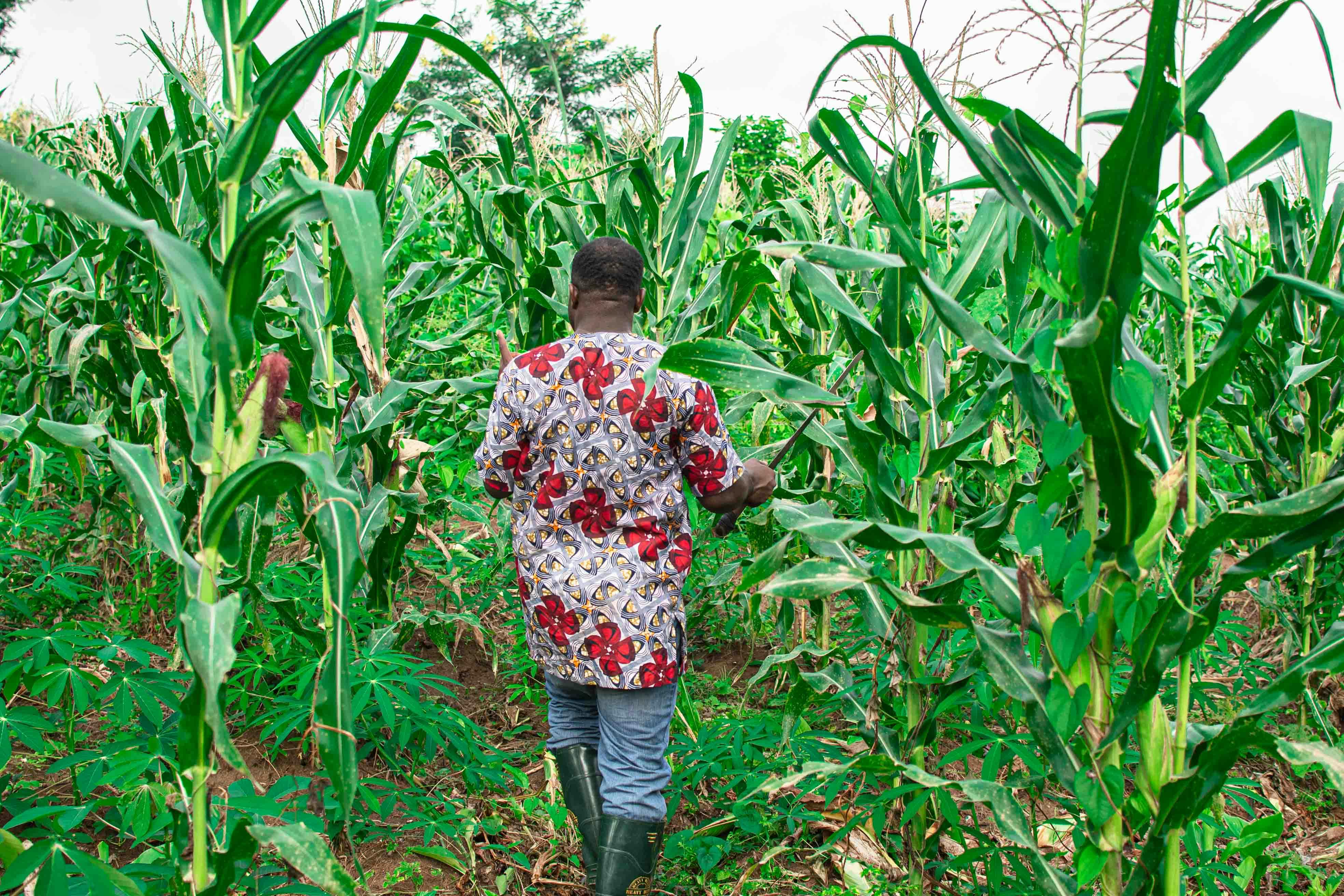
Kenya's agricultural landscape is transforming rapidly with innovations in sustainable farming practices. A significant focus is now on optimizing maize planting techniques to maximize yield while controlling costs. According to KALRO's 2025-2026 trials, implementing 30cm row spacing can result in a 25% cost reduction while maintaining yield, challenging previous agricultural norms.
Key Insights or Strategies

1. Optimize Maize Spacing
Adopting tighter maize spacing can significantly lower costs and maintain yields. Implement this strategy using the following steps:
- Use certified seeds to ensure optimal growth.
- Plant maize at a 30cm row spacing during the recommended planting season.
- Monitor and adjust spacing based on specific field conditions.
Explore sustainable organic farming solutions with Biofarm Kenya
Case Studies, Examples, or Comparisons
Successful implementation of these strategies can be observed in farms across Kenya where farmers have adopted such methods leading to increased profitability. The Food and Agriculture Organization (FAO) also supports practices that enhance soil fertility and improve water usage.
Common Mistakes to Avoid
- Over-fertilizing, which can lead to nutrient runoff and soil damage.
- Ignoring pest pressures in close plant settings.
- Insufficient water management in dense crop scenarios.
Expert Tips or Best Practices
Locally relevant tips can significantly enhance yield and cost-effectiveness:
- Regularly test soil pH to maintain optimal conditions, using tools like theMySoil Soil Test Kit – available on Amazon.
- Incorporate drip irrigation to improve water efficiency in closer plant spacings. ConsiderAutomatic Drip Irrigation Kits from Amazon.
- Explore Biofarm Kenya’s recommended organic strategies and products.
Future Trends or Predictions
Future innovations in agriculture will likely include smart irrigation systems, AI-assisted crop monitoring, and further advancements in genetically modified crops tailored for local climates.
Conclusion
By adopting these optimized strategies, Kenyan farmers can expect improved sustainability and profitability in maize farming. Discover trusted organic farming tools on Amazon and learn more about sustainable solutions with Biofarm Kenya.
FAQs
- What is the ideal planting season for maize in Kenya?
The ideal planting time varies by region but generally aligns with the start of the rainy season. For more details, visit KALRO.
- How does one improve soil fertility organically?
Incorporating compost and using organic fertilizers can enhance soil fertility. The National Environment Management Authority provides guidelines on sustainable practices.
- What are some effective pest management strategies?
Use of biopesticides and crop rotation can help manage pests effectively. For more on this, refer to FAO resources.
- How can farmers implement efficient water management?
Drip irrigation is one of the most efficient methods. The Kenya Bureau of Standards (KEBS) provides certification for quality systems.
- Are there financial incentives for sustainable farming practices?
Yes, various government and international programs offer financial support for sustainable farming. Explore options through the Ministry of Agriculture.
- What trends should farmers in Kenya look out for?
Advances in smart farming technologies are worth exploring. Keep abreast of developments through resources like Biofarm Kenya.






0 Comments