

Estimated Reading Time: 12 minutes
TL;DR: Intercropping is gaining traction among Kenyan farmers for its economic and ecological benefits. Key pairings like maize and beans can boost yields by 30%, as highlighted in a KALRO study. Recognize the importance of precise crop spacing and seed selection. Explore advanced agribusiness strategies, such as smart irrigation and soil health monitoring.Key Takeaways:- Intercropping improves yields by enhancing biodiversity and pest control.
- Strategic crop pairings can increase productivity and profits.
- Accurate spacing and modern irrigation systems are pivotal.
- Stay informed on emerging agricultural innovations and tools.
- Background & Context
- Key Insights or Strategies
- Case Studies, Examples, or Comparisons
- Common Mistakes to Avoid
- Expert Tips or Best Practices
- Future Trends or Predictions
- Conclusion
- FAQs
Background & Context
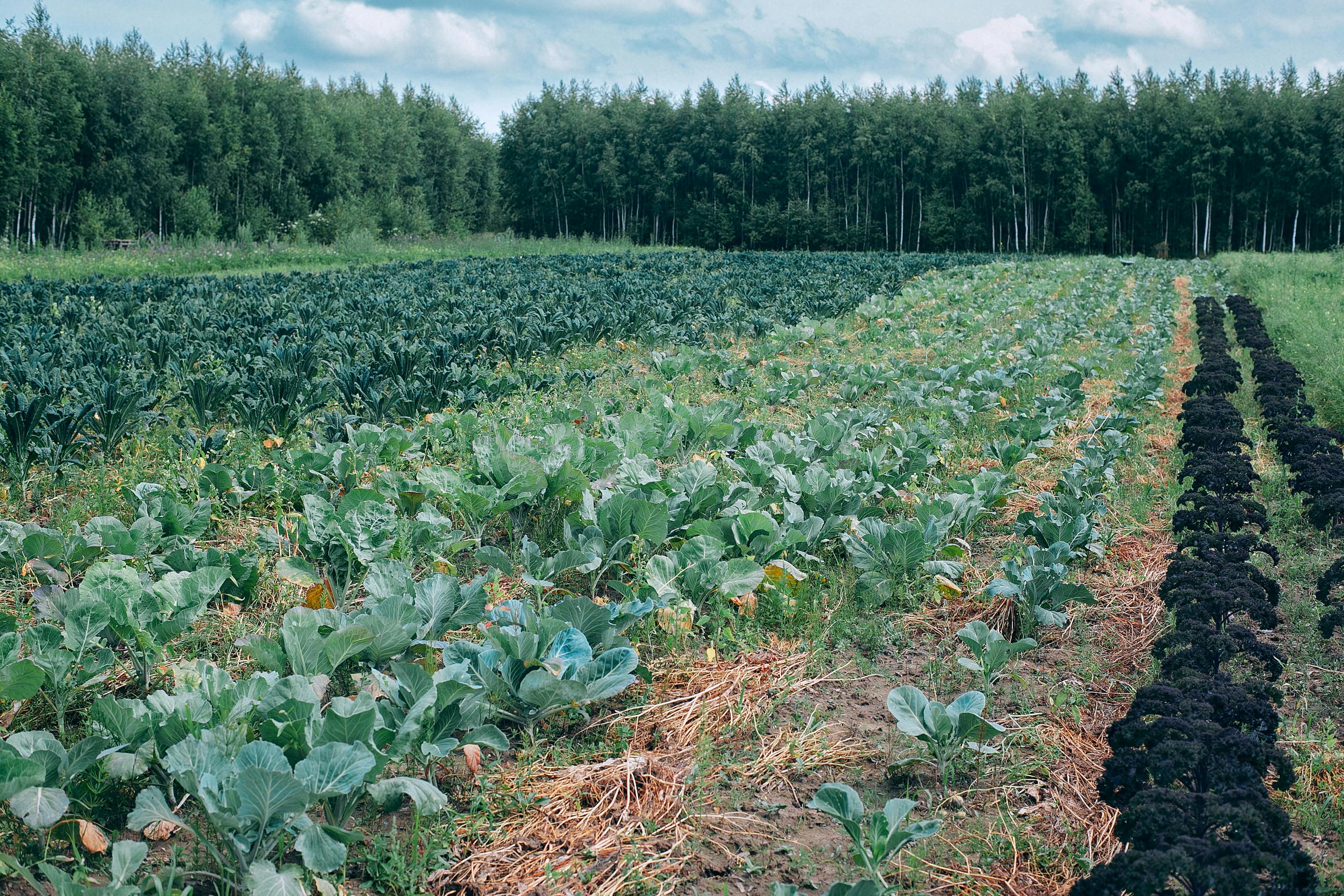
 Kenyan farmers are increasingly questioning monoculture practices as intercropping gains traction for higher profitability and soil health. Intercropping is an agricultural practice where two or more crops are grown together, aiding mutual benefits and maximizing space utilization. According to recent studies, around 70% of farmers are exploring low-risk crop combinations, such as maize combined with beans or cowpeas paired with sorghum.
Key Insights or Strategies
Optimal Crop Pairings
- Understand the importance of choosing compatible crops like maize and beans to enhance yield and soil fertility.
- Implement biodiversity strategies to naturally reduce pest outbreaks.
Spacing Techniques
- Ensure adequate spacing between crops to prevent competition for resources.
- Use efficient irrigation systems to provide proper hydration without wastage.
Case Studies, Examples, or Comparisons
Successful examples of intercropping include the usage of maize and beans which resulted in a 30% yield increase according to research by KALRO. Another practice showing great promise is the use of camphor basil shrubs intercropped with food crops to boost ecosystem services.Cited Source:Push-pull technology scientific study.Common Mistakes to Avoid
- Over-fertilization: Avoid using too much fertilizer, which can harm plant growth and soil health. Refer to local guidelines for optimal fertilizer application.
- Poor irrigation practices: Relying on outdated techniques can lead to water wastage.
Consider upgrading with the CARPATHEN Drip Irrigation System – available on Amazon. - Neglecting pest management: Use organic methods to control pests sustainably.
Expert Tips or Best Practices
Enhancing soil health can significantly boost crop productivity. Use soil testing kits like the MySoil Soil Test Kit to understand nutrient needs.Include locally relevant practices by exploring partnerships with Biofarm Kenya.Future Trends or Predictions
The future of agribusiness in Kenya is set to be shaped by:- Smart irrigation systems: Offering precision water management using IoT.
- Vertical farming techniques: Increasing efficiency and yield per square foot.
- AI-driven crop monitoring: Automating precise data collection for better crop management.
Conclusion
In conclusion, intercropping offers substantial benefits in both yield and ecological management for Kenyan farmers. By adopting proven practices and leveraging new technologies, farmers can secure viable futures. Discover trusted organic farming tools on Amazon and learn more about sustainable solutions with Biofarm Kenya.FAQs
- Q1: What are the benefits of intercropping in Kenya?
Intercropping in Kenya boosts biodiversity, improving yields and pest control naturally. Learn more from FAO.Q2: How does intercropping reduce pest outbreaks?
By increasing biodiversity, intercropping disrupts pest habits and can reduce their numbers naturally. Read about biodiversity and pest control.Q3: What are some successful crop pairings in East Africa?
Common pairings include maize with beans and cowpeas with sorghum; they maximize nutritional benefits. Explore studies by KALRO.Q4: How does spacing affect crop yields in intercropping?
Proper spacing reduces competition for resources and maximizes growth potential. Check guidelines from the Ministry of Agriculture.Q5: What tools should farmers use to manage soil nutrients?
Utilizing soil testing kits can help farmers tailor their nutrient management practices. Learn more from KEBS.Q6: What future trends should Kenyan farmers watch for in agriculture?
Innovations like smart irrigation and AI crop monitoring will shape the future of agriculture. Explore more with Biofarm Kenya.


0 Comments