

Estimated Reading Time: 12 minutes
TL;DR: Agroforestry can boost Kenyan farmer yields by 30% through introducing complementary trees like Grevillea and Acacia for better soil health, spacing for sunlight optimization, and creating revenue streams from timber and fruits. Integrated with KALRO research insights.Key Takeaways:- Integrate drought-resistant tree species for improved soil health.
- Use strategic spacing techniques to benefit both trees and crops.
- Diversify income with timber, fruit, and firewood.
- Avoid common pitfalls in root competition management.
- Leverage KALRO's latest research to optimize strategies.
- Background & Context
- Key Insights or Strategies
- Case Studies, Examples, or Comparisons
- Common Mistakes to Avoid
- Expert Tips or Best Practices
- Future Trends or Predictions
- Conclusion
- FAQs
Background & Context
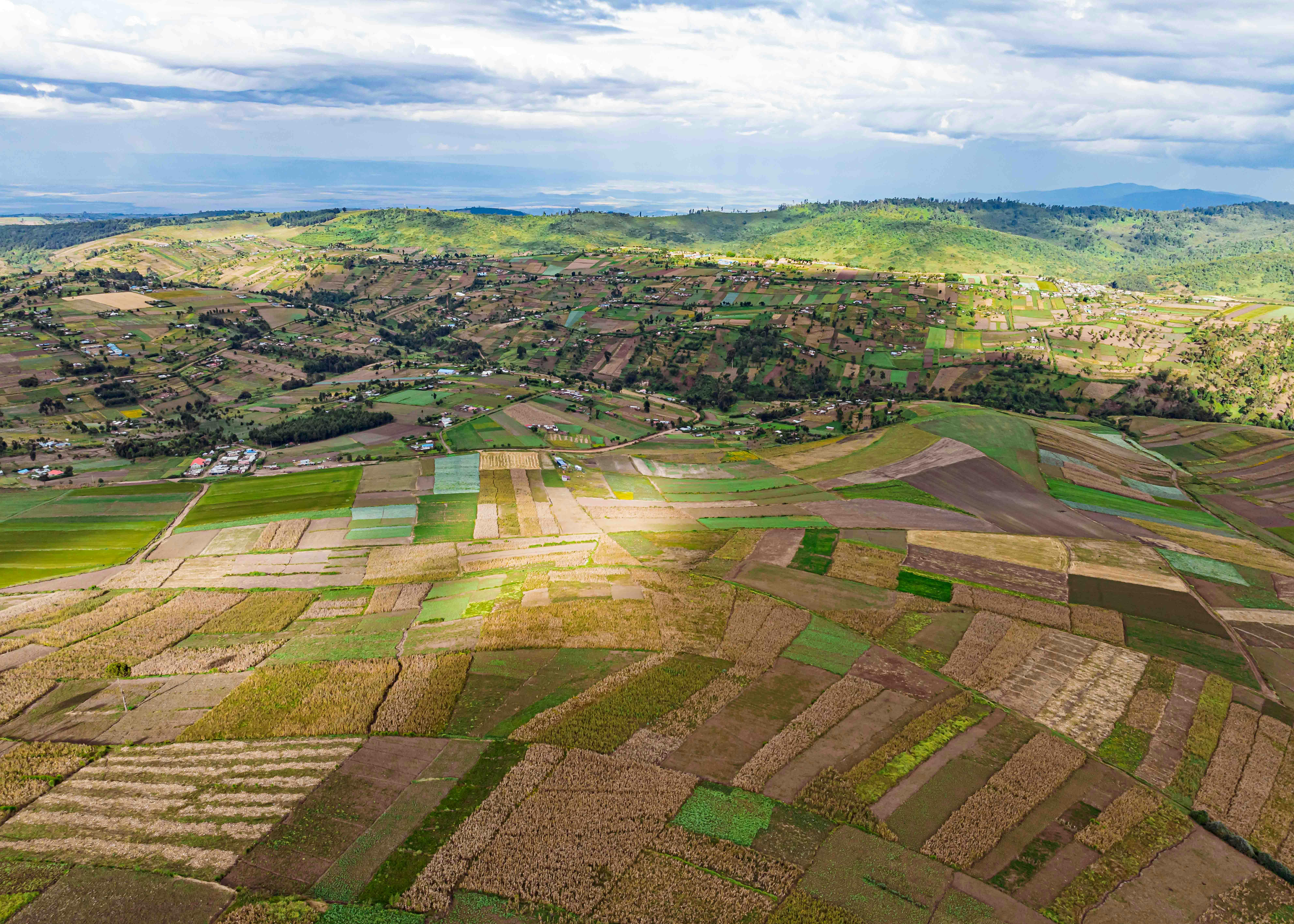
Kenyan farmers are increasingly adopting agroforestry to combat soil degradation and diversify income. The practice involves integrating trees with crops, enhancing soil fertility, and mitigating climate change effects. A 2025 study by the Kenya Agricultural & Livestock Research Organization (KALRO) revealed a 30% increase in yields from agroforestry, making it a promising avenue for sustainable agriculture in Kenya and East Africa. This guide will equip growers with the knowledge to maximize benefits through strategic species selection, optimal spacing, and effective harvesting techniques.
Key Insights or Strategies
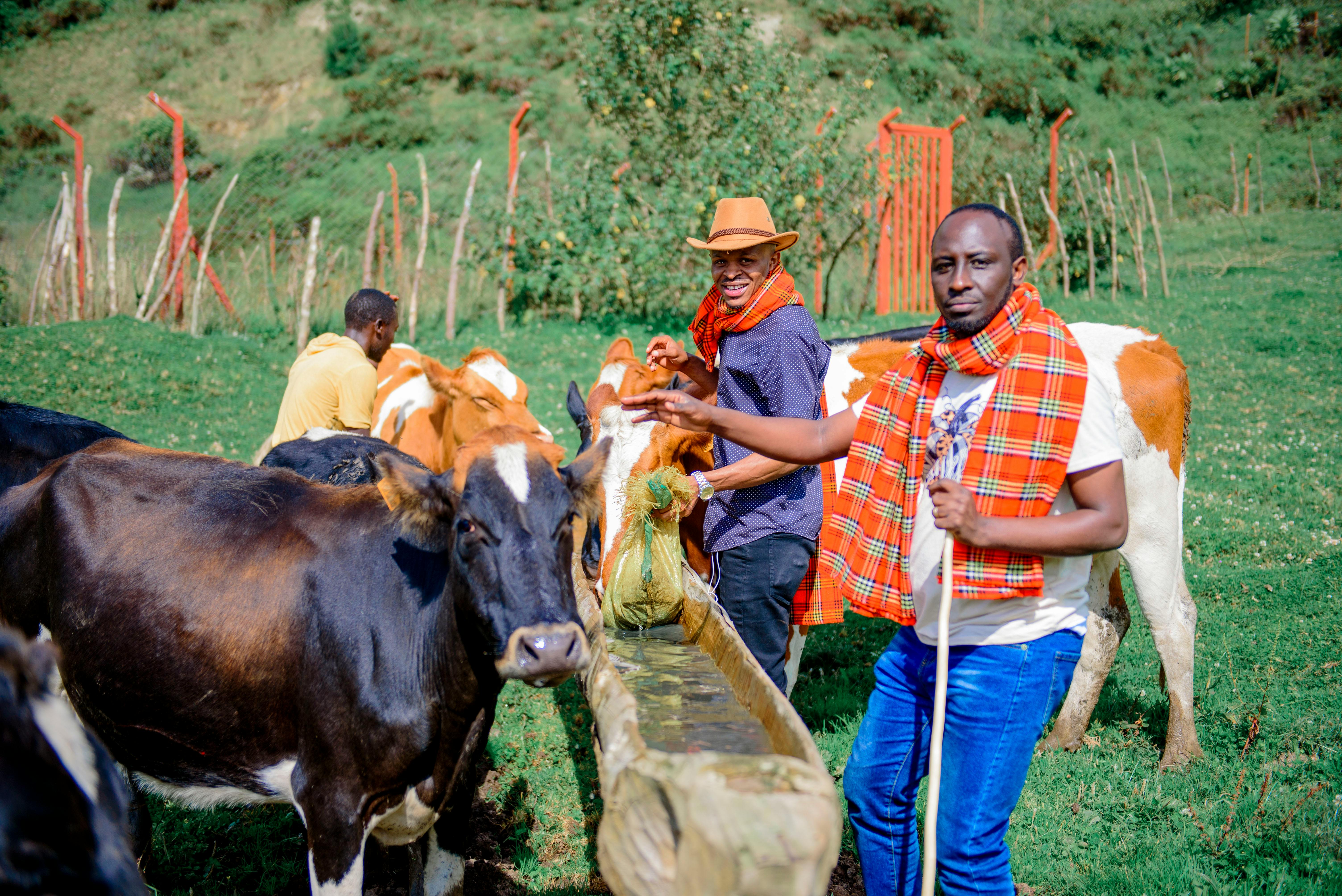
1. Selecting Drought-Resistant Trees
Successful agroforestry involves selecting tree species that are compatible with local conditions. Drought-resistant species such as Grevillea and Acacia are beneficial. These trees not only survive arid climates but also fix nitrogen in the soil and provide a defense against erosion.
Actions:- Research local climate conditions and select suitable tree species.
- Consult with local agricultural extension services for advice on tree species compatibility with existing crops.
- Plant trees at the end of the rainy season to minimize water stress.
To ensure optimal soil conditions for tree growth, consider products like the Purple Cow Organics IndiCanja – available on Amazon.
Explore sustainable organic farming solutions with Biofarm Kenya
2. Spacing Techniques to Optimize Growth
Proper spacing is crucial to optimize sunlight availability for both trees and co-planted crops like maize or beans. This ensures that neither species overshadows the other and maximizes the productivity of the land.
Actions:- Maintain at least 3-5 meters spacing between trees to ensure adequate sunlight penetration.
- Use zigzag planting patterns to maximize land coverage.
- Regularly prune trees to prevent excessive shade.
3. Harvesting for Diverse Revenue Streams
Incorporating trees that provide marketable products such as timber, fruits, or firewood can significantly increase a farm's income. It is essential to balance short-term and long-term gains by planning harvests strategically.
Actions:- Plant fast-growing species for early timber or firewood yields.
- Incorporate fruit trees to enhance food security and generate additional income.
- Develop partnerships with local markets for sustainable supply chains.
A smart irrigation system can support diverse plant needs. Explore the CARPATHEN Drip Irrigation System – available on Amazon.
Case Studies, Examples, or Comparisons
In Nakuru County, farmers deploying agroforestry techniques have seen an increase in yields and income, backed by strategic partnerships with agricultural cooperatives. The Food and Agriculture Organization of the United Nations (FAO) reports such collaborations enhance knowledge sharing and resource pooling, leading to sustainable land management and community empowerment. For instance, the collaboration between local cooperatives and FAO has facilitated access to global markets for eco-certified products, increasing revenue by 20%.
Common Mistakes to Avoid
- Insufficient Spacing: Overcrowding trees can hamper crop growth and increase competition for resources. Always adhere to recommended spacing guidelines.
- Lack of Diversity: Planting a single tree species can lead to biodiversity loss. Mix species to ensure ecological balance.
- Poor Irrigation Management: Inadequate watering can stress plants. Implement efficient systems like the CARPATHEN Drip Irrigation System .
Expert Tips or Best Practices
Kenyan experts recommend periodic soil testing to tailor fertilization and ensure optimal crop growth. Regular monitoring aids in maintaining a balance between tree-crop competition and soil health.
Ensure comprehensive soil analysis with the MySoil Soil Test Kit – available on Amazon.
For further guidance, explore sustainable organic farming solutions with Biofarm Kenya.
Future Trends or Predictions
Emerging technologies like smart irrigation systems and AI-driven crop management tools hold promise for future agroforestry. These innovations could revolutionize land use, making it more efficient and productive. Vertical farming and integration of low-impact technology present additional growth avenues for Kenyan farmers.
Conclusion
Agroforestry presents a viable pathway to sustainable farming in Kenya, offering enhanced yields and diverse income streams. By incorporating drought-resistant trees, proper spacing, and strategic harvesting, farmers can leverage the power of agroforestry for long-term benefits.
Enhance your farming practices with trusted tools on Amazon and learn more about sustainable solutions with Biofarm Kenya.
FAQs
- What trees are best for agroforestry in Kenya? Drought-resistant species like Grevillea and Acacia are recommended. These trees help fix nitrogen and prevent soil erosion. [FAO]
- How does agroforestry benefit soil health? It enhances fertility by improving nutrient cycling and reducing erosion, leading to higher crop yields. [KALRO]
- What spacing is required between trees and crops? At least 3-5 meters is advised to ensure adequate light and reduce competition. [Biofarm Kenya]
- How can I measure soil health? Use testing kits like the MySoil Soil Test Kit, which provide accurate nutrient and pH analysis. [Amazon]
- What are the risks of agroforestry? Root competition and water scarcity are primary risks; proper management and irrigation can mitigate these issues. [NEMA]
- Can agroforestry support food security? Yes, by diversifying crops and income sources, it enhances resilience and food availability. [KEBS]



0 Comments