

Estimated Reading Time: 12 minutes
TL;DR:
- Profitable farming ideas in 2026 in Kenya increasingly focus on sustainable organic practices such as vertical farming, organic fertilizers, and water-efficient irrigation.
- Adopting regenerative agriculture methods improves soil health, enhances yield, and boosts profitability while conserving the environment.
- Incorporation of technology like drip irrigation systems and greenhouse kits helps small-scale farmers optimize production and reduce resource wastage.
- Common mistakes in soil and water management can be avoided by following expert guidelines and using reliable soil testing kits and organic composts.
- Biofarm Kenya is an essential partner for sustainable farming solutions, providing organic inputs and expert guidance to farmers aiming for long-term success.
Key Takeaways:
- Explore and implement vertical farming and regenerative agriculture techniques to maximize profits in 2026.
- Utilize organic fertilizers like crushed oyster shell compost and soil testing kits to maintain soil fertility and crop health.
- Invest in drip irrigation systems to conserve water and improve irrigation efficiency, crucial in Kenya's varying climate.
- Avoid common agribusiness errors by regularly monitoring soil nutrient status and using sustainable pest management.
- Explore sustainable organic farming solutions with Biofarm Kenya to access expert knowledge and quality inputs.
Table of Contents:
- Introduction
- Background & Context
- Key Insights or Strategies
- Case Studies, Examples, or Comparisons
- Common Mistakes to Avoid
- Expert Tips or Best Practices
- Future Trends or Predictions
- Conclusion
- FAQs
Introduction
In Kenya, the agricultural sector is experiencing a transformation with growing momentum towards sustainable and profitable farming methods. As we approach 2026, profitable farming ideas in 2026 are increasingly centered on innovative practices such as vertical farming, organic and regenerative agriculture, and water-efficient technologies that suit the local climatic and economic conditions. This shift not only promises enhanced farm yields and income but also addresses critical challenges such as soil degradation, water scarcity, and market demands for organic produce.
Background & Context
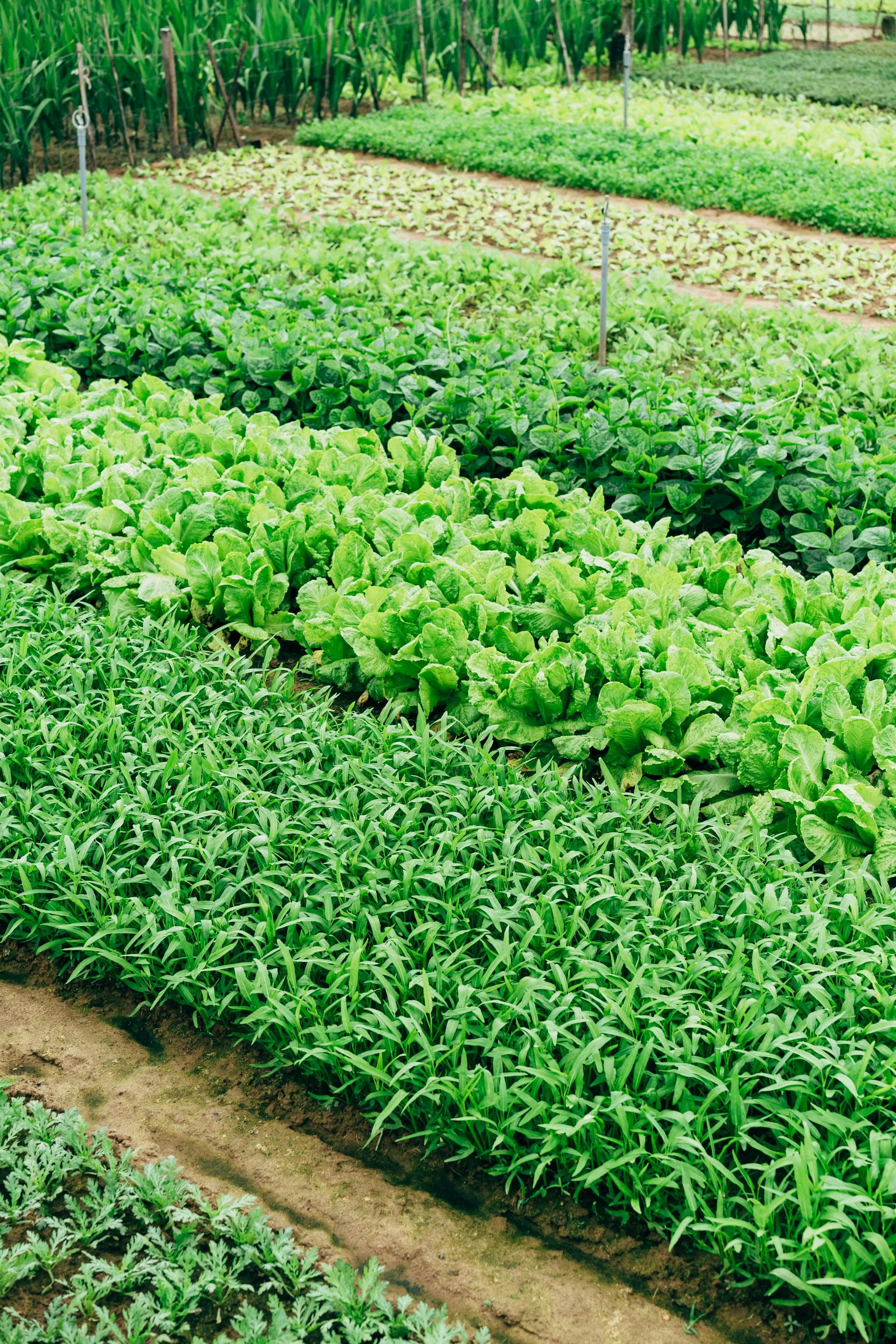
Kenya’s agricultural landscape is notable for its diversity and potential. The government and various organizations emphasize sustainable agriculture to combat environmental degradation and improve food security. According to the Kenya Agricultural and Livestock Research Organization (KALRO), the incorporation of organic farming practices has seen a rise of over 30% in adoption rates among smallholder farmers since 2020.
Soil fertility across many parts of Kenya has been declining due to continuous mono-cropping and chemical overuse, urging a transition to organic and regenerative agriculture. Regenerative techniques like crop rotation, cover cropping, and agroforestry promote soil health restoration, which is essential for long-term productivity.
Additionally, the agribusiness sector in Kenya is projected to grow at an annual rate of 5.4%, driven by an increasing domestic and export demand for organic and sustainably grown produce. Farmers adopting modern but sustainable farming approaches stand to benefit greatly in this evolving market.
Key Insights or Strategies

1. Embrace Vertical Farming for Space Efficiency and Year-Round Production
Vertical farming is an innovative approach suitable for Kenya’s urban and peri-urban farming contexts. By stacking layers of crops vertically, farmers can maximize limited space and produce multiple crops throughout the year under controlled conditions.
- Identify suitable crops such as leafy greens, herbs, and strawberries that thrive in vertical systems.
- Set up vertical racks with lighting and irrigation systems tailored for the crops.
- Monitor and adjust environmental conditions (temperature, humidity) to optimize growth.
- Use organic substrates and fertilizers to maintain soil health and nutrient balance.
- Market produce as fresh, locally-grown, and pesticide-free to command premium prices.
2. Use Organic Fertilizers and Soil Amendments for Sustainable Soil Health
Maintaining soil fertility is essential for profitable and environmentally responsible farming. Organic fertilizers improve soil structure, microbial activity, and nutrient availability without harmful residues.
Consider using products like AchmadAnam - Crushed Oyster Shell Organic Fertilizer Soil Mineral Compost Nutrient 20 LB FINE – available on Amazon, which provide essential minerals and improve soil mineral balance.
- Conduct regular soil testing to determine nutrient needs and deficiencies.
- Apply organic amendments such as compost, manure, or mineral-rich organic fertilizers.
- Implement crop rotation and cover cropping to naturally replenish soil nutrients.
- Remove or reduce reliance on synthetic fertilizers to prevent soil acidification.
3. Adopt Efficient Irrigation via Drip Systems to Conserve Water
Water scarcity is a significant challenge for Kenyan farmers. Drip irrigation systems deliver water directly to the plant roots, reducing wastage and improving crop water use efficiency.
Products like the CARPATHEN Drip Irrigation System Kit offer affordable, DIY-installation solutions suitable for smallholder farms and greenhouses.
- Assess water availability and install drip lines in key plantation zones.
- Adjust emitters to provide appropriate water volume per crop type.
- Combine drip irrigation with rainwater harvesting to optimize usage.
- Regularly inspect and maintain irrigation equipment to avoid blockages and leaks.
Case Studies, Examples, or Comparisons
Several Kenyan farmers have successfully implemented these profitable farming ideas. For instance, Mrs. Wanjiku in Kiambu County adopted vertical farming techniques producing organic kale and herbs, achieving a 40% yield increase while reducing water usage by half. Her produce is now sold to local supermarkets as premium organic vegetables.
In Nakuru County, a greenhouse-enabled organic vegetable farm reported a 30% increase in income after switching to drip irrigation and organic soil amendments supported by Biofarm Kenya's advisory services. The Food and Agriculture Organization (FAO) recognizes these methods as key to improving food security and sustainability in East Africa (source: FAO Kenya Sustainable Agriculture).
Common Mistakes to Avoid
- Overusing synthetic fertilizers: Leads to soil acidification and reduced fertility. Switch to balanced organic fertilizers.
- Irrigating inefficiently: Flood irrigation wastes water and encourages disease. Use drip systems and schedule watering.
- Ignoring soil testing: Without testing, nutrient application is guesswork that can harm crops and soil health.
- Monocropping: Continuous planting of one crop depletes soil nutrients and invites pests; adopt rotation and diversification.
- Neglecting pest management: Avoid blanket pesticide use; prefer integrated pest management with organic controls.
Expert Tips or Best Practices
Kenyan farmers looking to boost their farm’s profitability and sustainability should consider these expert recommendations:
- Regularly test your soil using a reliable kit like the MySoil Soil Test Kit to tailor nutrient applications efficiently.
- Start composting farm waste using organic compost starter mixes to enrich soil naturally and reduce input costs.
- Incorporate biofertilizers and natural pest repellents to build ecosystem resilience.
- Leverage greenhouse kits and controlled environment technologies to grow high-value crops year-round. Explore options such as greenhouse kits on Amazon.
- Use drip irrigation to save water and improve crop health, especially in semi-arid and drought-prone regions.
Partnering with Biofarm Kenya connects you to quality organic inputs, training, and community support—crucial for sustained farm success.
Future Trends or Predictions
Looking ahead, Kenyan agriculture is poised for significant innovation breakthroughs. Smart irrigation systems equipped with sensors will optimize water and nutrient delivery based on real-time crop needs, reducing resource use and boosting yields.
Vertical farming and controlled environment agriculture will expand beyond urban niches into commercial-scale operations supported by AI-driven crop monitoring and data analytics. These technologies enable precise farming with reduced environmental footprints.
Regenerative agriculture principles will become mainstream, driven by consumer demand for organic produce and government policies promoting sustainability. This shift will create new lucrative markets for farmers who adopt eco-friendly practices now.
Conclusion
Profitable farming ideas in 2026 must balance economic gain and environmental stewardship. Vertical farming, organic fertilizers, and efficient irrigation are cornerstone strategies proving effective in Kenya’s evolving agribusiness landscape. Avoiding common mistakes and adopting expert best practices will enhance farm resilience and productivity.
Farmers seeking trusted organic farming tools can find solutions on Amazon and learn more about sustainable solutions with Biofarm Kenya. Together, these resources empower Kenyan farmers to grow profitably and sustainably in 2026 and beyond.
FAQs
1. What are the best organic fertilizers available for Kenyan farmers?
Organic fertilizers such as manure composts, vermicompost, and mineral-based amendments like crushed oyster shells are highly effective. These improve soil health without chemical residues. For purchase options, consider AchmadAnam Crushed Oyster Shell Fertilizer. For detailed guidelines, visit the Ministry of Agriculture Kenya website.
2. How can I implement vertical farming at a small scale?
Start by selecting suitable crops that thrive indoors or in stacked layers such as leafy greens. Use affordable vertical racks and ensure proper lighting and irrigation. Biofarm Kenya provides resources on vertical farming tailored to Kenya’s conditions at their partner portal.
3. Why is drip irrigation recommended for Kenyan farms?
Drip irrigation saves water by delivering it directly to plant roots, making it efficient in Kenya’s often water-scarce regions. It also reduces weed growth and disease risks. Recommended products include the CARPATHEN Drip Irrigation System Kit.
4. How important is soil testing for profitable farming?
Soil testing is critical to know your soil’s nutrient status and pH levels. It guides appropriate fertilizer application, preventing waste and crop damage. Use kits like the MySoil Soil Test Kit. Additional resources can be found through the Kenya Bureau of Standards (KEBS).
5. What common mistakes should Kenyan farmers avoid in sustainable agribusiness?
Common errors include excessive synthetic fertilizer use, inefficient irrigation, neglecting soil testing, and monocropping. Farmers should adopt crop rotation, use organic inputs, and implement integrated pest management to avoid these pitfalls. Guidance is available from NEMA and Biofarm Kenya.
6. Where can I find support and organic inputs for sustainable farming in Kenya?
Biofarm Kenya is a leading partner providing quality organic inputs, training, and advisory services to farmers committed to sustainable agriculture. They help farmers access best practices and market opportunities.


0 Comments