


In 2026, vertical farms are reporting 300% higher profits—here’s how AI and aquaponics are making it possible. As global food demand surges and climate change disrupts traditional agriculture, farmers, investors, and agribusiness owners are turning to AI-powered vertical farming with aquaponics as the most sustainable and profitable solution. This guide dives deep into the technology, economics, and practical steps behind this farming revolution, backed by data from the USDA, FAO, and McKinsey.
By the end of this article, you’ll understand why vertical farming with AI and aquaponics is the future of agriculture, how to start your own farm, and the key trends shaping the industry in 2026 and beyond.
Why Vertical Farming Profits Are Soaring (The 300% Surge Explained)
The profitability of vertical farming has skyrocketed in recent years, with reports indicating a 300% increase in profits for early adopters. This surge is driven by five key factors: AI and automation, aquaponics integration, climate resilience, urban demand, and government subsidies. Let’s break down how each of these contributes to the bottom line.
1. AI and Automation: The Backbone of Profitability
AI-driven systems are transforming vertical farming by optimizing every aspect of crop production. From climate control to predictive analytics, AI reduces operational costs by 40-60% while maximizing yields. For example, companies like Plenty and Bowery Farming use AI to automate lighting, irrigation, and harvesting, significantly cutting labor expenses.
Here’s how AI is revolutionizing vertical farming:
- Climate Control: AI adjusts temperature, humidity, and CO₂ levels in real-time to create the ideal growing environment.
- Predictive Analytics: Machine learning models predict crop health issues before they arise, reducing waste and improving yields.
- Automated Harvesting: Robotics handle planting and harvesting, reducing labor costs by up to 60%.
Case Study: Plenty’s AI system has reduced energy use by 30% while increasing crop yields by 25%.
| AI Application | Cost Savings | Yield Improvement | Example Company |
|---|---|---|---|
| Smart LED lighting | 25% | 15% | Bowery Farming |
| Predictive analytics | 20% | 20% | AeroFarms |
| Autonomous harvesting | 60% | 10% | Iron Ox |
Farmers looking to implement these practices may benefit from using reliable resources to understand the fundamentals of vertical farming. One such resource is:
2. Aquaponics: The Closed-Loop Profit Multiplier
Aquaponics is a game-changer for vertical farming, combining fish farming with hydroponics to create a closed-loop system that recycles nutrients and water. This method uses 90% less water than traditional soil farming and eliminates the need for synthetic fertilizers, as fish waste provides natural nutrients for plants.
Why aquaponics is a profitability booster:
- Dual Revenue Streams: Farmers earn from both fish and crops, diversifying income sources.
- Sustainability: Aquaponics systems are zero-waste, making them ideal for eco-conscious consumers.
- Cost Savings: No need for expensive fertilizers, as fish waste provides all necessary nutrients.
Case Study: Gotham Greens uses aquaponics to boost profits by 35% while reducing water usage by 90%.
| Metric | Aquaponics | Hydroponics | Soil Farming |
|---|---|---|---|
| Water usage | 90% less | 70% less | Baseline |
| Fertilizer cost | $0 (fish waste) | High | High |
| Profit margin | 30-40% | 20-25% | 10-15% |
| Sustainability | Highest | Medium | Low |
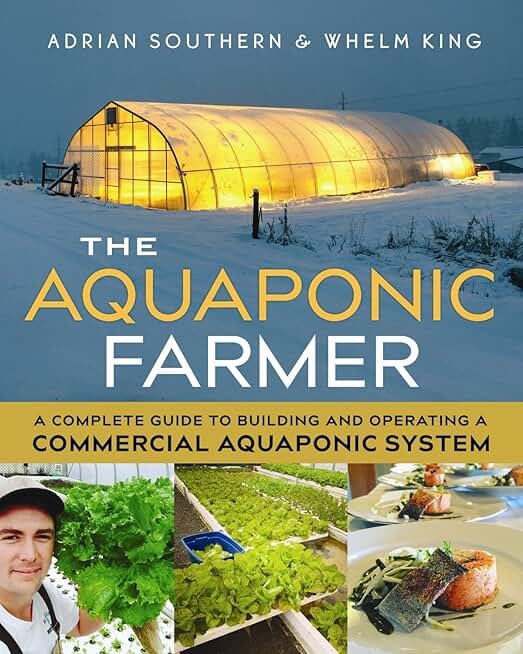
For those interested in exploring aquaponics further, understanding the various techniques and systems is essential. A comprehensive guide can provide valuable insights into setting up and managing an aquaponics system effectively.
3. Climate Resilience: The Unseen Profit Driver
Traditional farming is increasingly vulnerable to climate change, with droughts, floods, and extreme weather causing significant crop losses. Vertical farming, however, operates in controlled indoor environments, eliminating weather-related risks and ensuring year-round production.
Key benefits of climate resilience:
- Zero Crop Loss: Vertical farms report 0% crop loss due to weather, compared to 12-20% for traditional farms.
- Year-Round Production: No seasonal limitations mean higher revenue and consistent supply for markets.
- Urban Adaptability: Vertical farms can be set up in warehouses, rooftops, or shipping containers, making them ideal for urban areas.
Case Study: Singapore’s "30x30" plan aims to produce 30% of its food locally by 2030, relying heavily on vertical farming to achieve this goal.
4. Urban Demand: The $25B Market Opportunity
By 2050, 70% of the world’s population will live in cities, creating a massive demand for locally grown, sustainable produce. Vertical farming meets this demand by supplying hyper-local, pesticide-free crops with minimal transportation costs.
Why urban demand is a profitability driver:
- Hyper-Local Produce: Reduces transport costs by 50-70%, increasing profit margins.
- Consumer Preferences: Gen Z and Millennials are willing to pay 20-40% premiums for sustainably grown, local produce.
- Retail Partnerships: Major retailers like Walmart, Whole Foods, and Amazon are expanding their vertical farming partnerships.
Case Study: IKEA has integrated vertical farms into its stores to supply fresh herbs, reducing its carbon footprint and appealing to eco-conscious consumers.
5. Government Subsidies: The Hidden Profit Booster
Governments worldwide are recognizing the potential of vertical farming and offering subsidies, grants, and tax incentives to support its growth. These financial incentives can significantly reduce startup costs and improve profitability.
Global funding opportunities:
- United States: The Inflation Reduction Act offers 30-50% tax credits for vertical farming projects.
- European Union: The "Farm to Fork" strategy provides €2B in funding for sustainable farming technologies.
- China: Mandates that 10% of urban food must come from vertical farms by 2027.
Farmers and entrepreneurs interested in vertical farming should explore these funding opportunities to offset initial costs and accelerate their path to profitability.
The Science Behind AI-Powered Vertical Farming with Aquaponics
To fully grasp the potential of AI-powered vertical farming with aquaponics, it’s essential to understand the science and technology driving this innovation. This section explores how AI optimizes crop growth, the advantages of aquaponics, and the energy efficiency of vertical farming systems.
How AI Optimizes Crop Growth (The Tech Deep Dive)
AI is the backbone of modern vertical farming, enabling precision agriculture at scale. By leveraging computer vision, machine learning, and IoT sensors, AI systems monitor and optimize every aspect of crop production.
Key AI applications in vertical farming:
- Computer Vision: AI-powered cameras detect pests, diseases, and nutrient deficiencies before they impact yields.
- Machine Learning: Predictive models analyze data to determine the optimal harvest time, improving crop quality and yield.
- IoT Sensors: Real-time monitoring of nutrient levels, pH, and oxygen ensures plants receive the ideal growing conditions.
Case Study: AeroFarms’ AI system has increased basil yield by 25% by optimizing lighting and nutrient delivery.
The Aquaponics Advantage: Nutrient Recycling Explained
Aquaponics is a symbiotic system where fish and plants grow together, creating a closed-loop ecosystem. Fish waste provides natural nutrients for plants, while plants filter and clean the water for the fish. This system is highly efficient and sustainable, making it ideal for vertical farming.
How aquaponics works:
- The Nitrogen Cycle: Fish waste produces ammonia, which is converted into nitrates by beneficial bacteria. These nitrates serve as nutrients for plants.
- Best Fish for Aquaponics: Tilapia, trout, and catfish are popular choices due to their hardiness and rapid growth.
- Best Crops for Aquaponics: Lettuce, basil, strawberries, and microgreens thrive in aquaponics systems due to their low nutrient requirements.
Data: Aquaponics systems can double protein output compared to hydroponics, as farmers harvest both fish and crops (FAO).
| Fish Species | Best For | Water Temp | Harvest Time |
|---|---|---|---|
| Tilapia | Warm climates | 28-30°C | 6-8 months |
| Trout | Cold climates | 10-16°C | 9-12 months |
| Catfish | High-density systems | 26-30°C | 5-7 months |
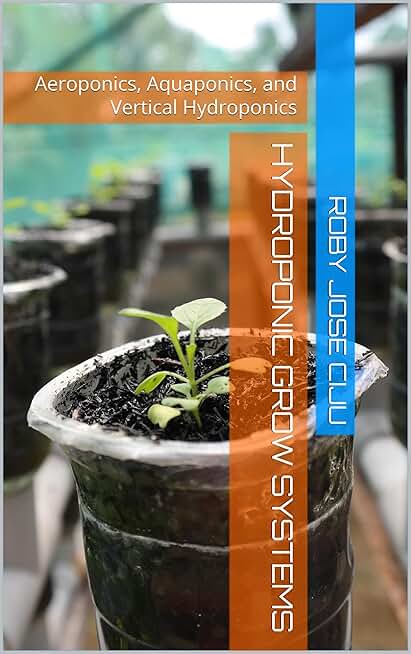
For those looking to dive deeper into hydroponic and aquaponic systems, a detailed guide can provide step-by-step instructions and expert insights. Such resources are invaluable for both beginners and experienced farmers.
Energy Efficiency: Can Vertical Farms Be Truly Sustainable?
One of the biggest challenges facing vertical farming is energy consumption, particularly from LED lighting and climate control systems. However, advancements in renewable energy and AI-driven optimization are making vertical farms more sustainable than ever.
Strategies for improving energy efficiency:
- Solar and Wind Power: Integrating renewable energy sources can reduce reliance on the grid and lower operational costs.
- AI-Driven Energy Optimization: AI systems adjust lighting and climate control in real-time to minimize energy use.
- LED Technology: Modern LEDs are 40% more efficient than traditional lighting systems.
Case Study: Plenty’s solar-powered vertical farms have reduced energy costs by 40%, making them a model for sustainable agriculture.
Vertical Farming Profitability: By the Numbers (2026 Data)
Vertical farming is not just a sustainable solution—it’s a highly profitable one. This section breaks down the costs, revenue streams, and ROI of vertical farming compared to traditional agriculture.
Cost Breakdown: Vertical Farming vs. Traditional Farming
While vertical farming requires a higher upfront investment, its operational costs are significantly lower, leading to higher profit margins over time.
| Metric | Vertical Farming | Traditional Farming |
|---|---|---|
| Startup cost (per acre) | $1M–$2M | $5K–$50K |
| Water use (per lb crop) | 1 gallon | 30 gallons |
| Labor cost | 60% lower | Baseline |
| Crop loss to weather | 0% | 12-20% |
| Profit margin | 30-40% | 10-15% |
ROI and Payback Period: When Will You Profit?
Vertical farming offers a faster return on investment (ROI) compared to traditional farming. While commercial vertical farms typically achieve profitability in 2-3 years, small-scale farms can see returns in as little as 1-2 years.
Case Study: Bowery Farming achieved an 18-month ROI after integrating AI and automation into its operations.
Top Crops for Maximum Profitability
Not all crops are equally profitable in vertical farming. Leafy greens and herbs tend to perform best due to their low energy requirements and high market demand.
Most profitable crops for vertical farms:
- Lettuce: High demand and fast growth cycle.
- Basil: Premium pricing and strong market demand.
- Strawberries: High value and year-round production potential.
- Microgreens: Fast growth and high nutritional value.
- Herbs (Mint, Cilantro, Parsley): High demand in restaurants and grocery stores.
Data: Basil and lettuce have the highest profit margins in vertical farming, according to MarketsandMarkets.
Risks and Challenges: What Could Go Wrong?
While vertical farming offers numerous benefits, it’s not without its challenges. This section explores the potential risks and how to mitigate them.
1. High Upfront Costs: The Biggest Barrier
The initial investment for a commercial vertical farm can range from $1M to $2M, making it a significant barrier for many farmers. However, government grants and modular scaling can help offset these costs.
Solutions to high upfront costs:
- Government Grants: Apply for subsidies and tax credits to reduce startup costs.
- Modular Scaling: Start small and expand as revenue grows.
- Partnerships: Collaborate with investors or agribusinesses to share costs.
2. Energy Consumption: The Sustainability Paradox
Vertical farms rely heavily on LED lighting and climate control, which can drive up energy costs. However, integrating renewable energy sources like solar and wind can mitigate this issue.
Solutions to energy consumption:
- Solar/Wind Power: Use renewable energy to reduce reliance on the grid.
- AI Optimization: AI systems can adjust energy use in real-time to minimize waste.
- Energy-Efficient LEDs: Upgrade to modern, efficient lighting systems.
3. Job Displacement: The Automation Dilemma
Automation in vertical farming reduces the need for manual labor, which can lead to job displacement in rural communities. However, reskilling programs can help workers transition into tech-driven roles.
Solutions to job displacement:
- Reskilling Programs: Train workers for roles in AI maintenance, robotics, and farm management.
- New Job Opportunities: Vertical farming creates jobs in tech, logistics, and marketing.
4. Regulatory Hurdles: Navigating the Legal Landscape
Vertical farming is a relatively new industry, and regulations are still evolving. Farmers must navigate food safety standards, zoning laws, and certification requirements to ensure compliance.
Solutions to regulatory hurdles:
- Work with Local Ag Extensions: Seek guidance from agricultural experts to ensure compliance.
- Stay Updated on Laws: Monitor changes in food safety and zoning regulations.
How to Start Your Own AI-Powered Vertical Farm (Step-by-Step Guide)
Ready to launch your own vertical farm? This step-by-step guide covers everything from planning and funding to setting up your AI and aquaponics systems.
1. Planning Your Vertical Farm: Key Decisions
Before diving into vertical farming, it’s essential to make key decisions about location, scale, and technology.
Key considerations:
- Location: Urban warehouses, rural greenhouses, or shipping containers.
- Scale: Small-scale (DIY) or commercial (large-scale).
- Tech Stack: AI software, IoT sensors, and aquaponics systems.
2. Funding Your Farm: Grants, Loans, and Investors
Securing funding is one of the biggest challenges for new vertical farmers. Fortunately, there are multiple avenues to explore.
Funding options:
- Government Grants: USDA, EU Horizon Europe, and other programs offer subsidies for vertical farming.
- Venture Capital: Agritech investors like AgFunder and S2G Ventures fund innovative vertical farming startups.
- Crowdfunding: Platforms like Kickstarter can help small-scale farmers raise capital.
3. Setting Up Your AI and Aquaponics System
Once funding is secured, the next step is setting up your vertical farm. This involves installing AI software, IoT sensors, and aquaponics systems.
Step-by-step setup guide:
- Choose a Modular System: Select a vertical farming system like ZipGrow or Freight Farms.
- Install AI Software: Implement AI-driven platforms like Agrilyst or Artemis for real-time monitoring.
- Set Up Aquaponics Tanks: Install fish tanks and grow beds for nutrient recycling.
- Test and Optimize: Monitor nutrient cycles and adjust AI settings for optimal growth.
4. Marketing Your Produce: How to Sell to Cities
With your vertical farm up and running, the final step is marketing your produce to urban consumers. This involves building relationships with retailers, restaurants, and direct-to-consumer platforms.
Marketing strategies:
- Direct-to-Consumer: Sell at farmers markets, through subscription boxes, or via e-commerce platforms.
- B2B Sales: Partner with restaurants, grocery stores, and meal kit companies.
- E-Commerce: List products on Amazon Fresh, Instacart, or local delivery services.
The Future of Vertical Farming: 2026–2035 Predictions
Vertical farming is poised for exponential growth in the coming decade. This section explores the trends, technologies, and policy shifts that will shape the industry.
1. Mainstream Adoption: Will Vertical Farms Replace Traditional Farms?
While vertical farming won’t replace traditional agriculture entirely, it will play a critical role in urban food production. By 2035, experts predict that 50% of leafy greens in US and EU cities will come from vertical farms.
2. Tech Advancements: What’s Next for AI and Aquaponics?
The next decade will bring groundbreaking advancements in AI, robotics, and energy efficiency.
Future technologies:
- Robotics: Autonomous harvesting robots will further reduce labor costs.
- AI 2.0: Self-learning AI systems will predict and prevent crop diseases.
- Energy Innovations: Fusion-powered vertical farms could become a reality.
3. Policy Shifts: How Governments Will Shape the Industry
Governments are beginning to recognize the importance of vertical farming for food security and sustainability. Expect more subsidies, mandates, and regulations in the coming years.
Key policy shifts:
- EU Pesticide Bans: By 2028, the EU will ban pesticides for leafy greens, driving demand for vertical farming.
- US/China Mandates: Both countries are expected to introduce vertical farming quotas for government food programs.
4. Consumer Trends: What Will People Eat in 2035?
Consumer preferences are evolving, with a growing demand for sustainable, locally grown, and nutrient-dense foods. Vertical farming is perfectly positioned to meet these demands.
Future consumer trends:
- Vertical-Farmed Snacks: Companies like PepsiCo are exploring vertical-farmed ingredients for their products.
- Subscription Models: Weekly veggie boxes from vertical farms will become more popular.
FAQs: Your Top Questions About AI Vertical Farming with Aquaponics
General Questions
1. What is vertical farming with AI and aquaponics?
Vertical farming with AI and aquaponics combines automated climate control, predictive analytics, and closed-loop nutrient systems to grow crops indoors with 90% less water and 300% higher profitability than traditional farming.
2. How profitable is vertical farming in 2026?
Vertical farming is 300% more profitable than traditional farming due to AI automation, aquaponics, and urban demand. Profit margins range from 30-40%, compared to 10-15% for soil farming.
3. Is vertical farming sustainable?
Yes, vertical farming uses 90% less water, 70% less land, and zero pesticides, making it one of the most sustainable farming methods available.
Tech and Setup Questions
4. How does AI improve vertical farming?
AI optimizes vertical farming by predicting crop health, automating harvesting, and adjusting climate conditions in real-time. For example, AeroFarms’ AI system increases basil yield by 25%.
5. What’s the difference between aquaponics and hydroponics?
Aquaponics uses fish waste as natural fertilizer, while hydroponics relies on synthetic nutrients. Aquaponics is more sustainable and cost-effective, as it eliminates the need for fertilizers.
6. How much does it cost to start a vertical farm?
Startup costs range from $50K for small-scale DIY setups to $2M for commercial farms. Key expenses include AI software, LED lighting, and aquaponics systems.
Profitability and ROI Questions
7. How long does it take to make a profit with vertical farming?
Commercial vertical farms typically achieve profitability in 2-3 years, while small-scale farms can see returns in 1-2 years. Bowery Farming achieved an 18-month ROI after integrating AI.
8. What are the most profitable crops for vertical farms?
The most profitable crops for vertical farms are lettuce, basil, strawberries, microgreens, and herbs. Basil and lettuce have the highest profit margins.
9. Are there government grants for vertical farming?
Yes, governments worldwide offer grants and subsidies for vertical farming. In the US, the Inflation Reduction Act provides 30-50% tax credits, while the EU’s "Farm to Fork" strategy offers €2B in funding.
Challenges and Risks
10. What are the biggest challenges in vertical farming?
The biggest challenges include high upfront costs, energy consumption, job displacement, and regulatory hurdles. Solutions include government grants, renewable energy, and reskilling programs.
11. Can vertical farming replace traditional agriculture?
No, vertical farming is best suited for leafy greens and herbs, while traditional farming remains essential for grains and livestock. The two methods are complementary.
12. How do vertical farms handle energy costs?
Vertical farms reduce energy costs by using solar/wind power and AI-driven optimization. For example, Plenty’s solar-powered farms cut energy costs by 40%.
Conclusion: Is AI-Powered Vertical Farming with Aquaponics Right for You?
The Pros and Cons Summary
| Pros | Cons |
|---|---|
| 300% higher profitability | High upfront costs |
| 90% less water | Energy consumption |
| Climate-resilient | Job displacement |
| Urban demand | Regulatory hurdles |
| Government subsidies | Limited to certain crops |
Who Should Start a Vertical Farm?
Vertical farming is ideal for:
- Entrepreneurs looking for high-margin agribusiness opportunities.
- Urban farmers wanting to supply local markets with sustainable produce.
- Investors seeking sustainable tech opportunities.
- Traditional farmers diversifying into climate-resilient methods.
Final Thoughts: The Future Is Vertical
AI-powered vertical farming with aquaponics is the most profitable and sustainable farming method in 2026. With 300% higher profits, 90% less water, and climate resilience, it’s a game-changer for modern agriculture.
Next Steps:
- Beginners: Start with a small DIY aquaponics system to learn the basics.
- Investors: Explore agritech startups like Plenty, Bowery Farming, and AeroFarms.
- Farmers: Apply for government grants to offset startup costs.
Download our free Vertical Farming Profitability Calculator to estimate your potential ROI, or book a consultation with our agritech experts to get started today.


0 Comments