

Estimated Reading Time: 12 minutes
TL;DR:
- Learn how Kenyan smallholder farmers are adopting Integrated Pest Management (IPM) to reduce pesticide use and boost yields.
- IPM techniques involve pest monitoring, biological controls, and crop rotation.
- Discover products and resources from Amazon and Biofarm Kenya to implement IPM effectively.
- Adopting IPM can cut pesticide use by 60%.
- Farm outputs can increase by up to 15%.
- Implementing IPM is both cost-effective and environmentally friendly.
- Utilize innovative solutions like drip irrigation and organic fertilizers for sustainable growth.
- Biofarm Kenya offers support and resources for sustainable farming.
- Introduction
- Background & Context
- Key Insights or Strategies
- Case Studies, Examples, or Comparisons
- Common Mistakes to Avoid
- Expert Tips or Best Practices
- Future Trends or Predictions
- Conclusion
- FAQs
- Identifying pest species and populations using traps.
- Establishing thresholds for pest control measures.
- Regular field scouting to detect early infestation.
- Identifying natural pest predators suitable for local ecosystems.
- Integrating these biological controls to maintain ecological balance.
- Ensuring regular monitoring and evaluation of effectiveness.
- Over-reliance on pesticides: Regularly assess pest thresholds to prevent unnecessary applications.
- Poor soil management: Regular soil testing can prevent depletion of essential nutrients.
- Incorrect irrigation techniques: Implementing efficient systems like drip irrigation can significantly reduce water waste.
- Conduct frequent soil tests using a reliable kit, like the MySoil Soil Test Kit – available on Amazon.
- Utilize a Mini Greenhouse Tunnel Greenhouses for Outdoors for controlled environments.
- What is Integrated Pest Management (IPM)? IPM is a sustainable approach focusing on pest control through monitoring, biological interventions, and reduced chemical applications. Source: FAO
- How can I reduce pesticide use on my farm? Adopting IPM practices, such as pest monitoring and biological controls, can significantly reduce pesticide use. Source: NEMA
- Why is soil testing important in agriculture? Regular soil testing helps manage nutrient levels and optimize crop yields. Source: KEBS
- What are biological controls in pest management? Biological controls involve using natural predators to manage pest populations. Source: Biofarm Kenya
- Can drip irrigation save water in agriculture? Drip irrigation is efficient and conserves water by directing it precisely to the plant roots. Source: Ministry of Agriculture
- How do I start with organic farming? Begin with soil testing, select organic fertilizers, and implement sustainable practices. Source: Good Partners
Key Takeaways:
Table of Contents:
Introduction
In Kenya, where agriculture is the backbone of the economy, sustainable practices like Integrated Pest Management (IPM) are transforming how smallholder farmers manage pests and boost yields. Kenyan smallholder farmers are increasingly prioritizing integrated pest management (IPM) to mitigate the adverse effects of chemical pesticides. Using techniques such as pest monitoring, biological controls, and crop rotation, farmers can reduce pesticide use by 60% while increasing yields by 15%, according to KALRO 2025 trials.
Background & Context
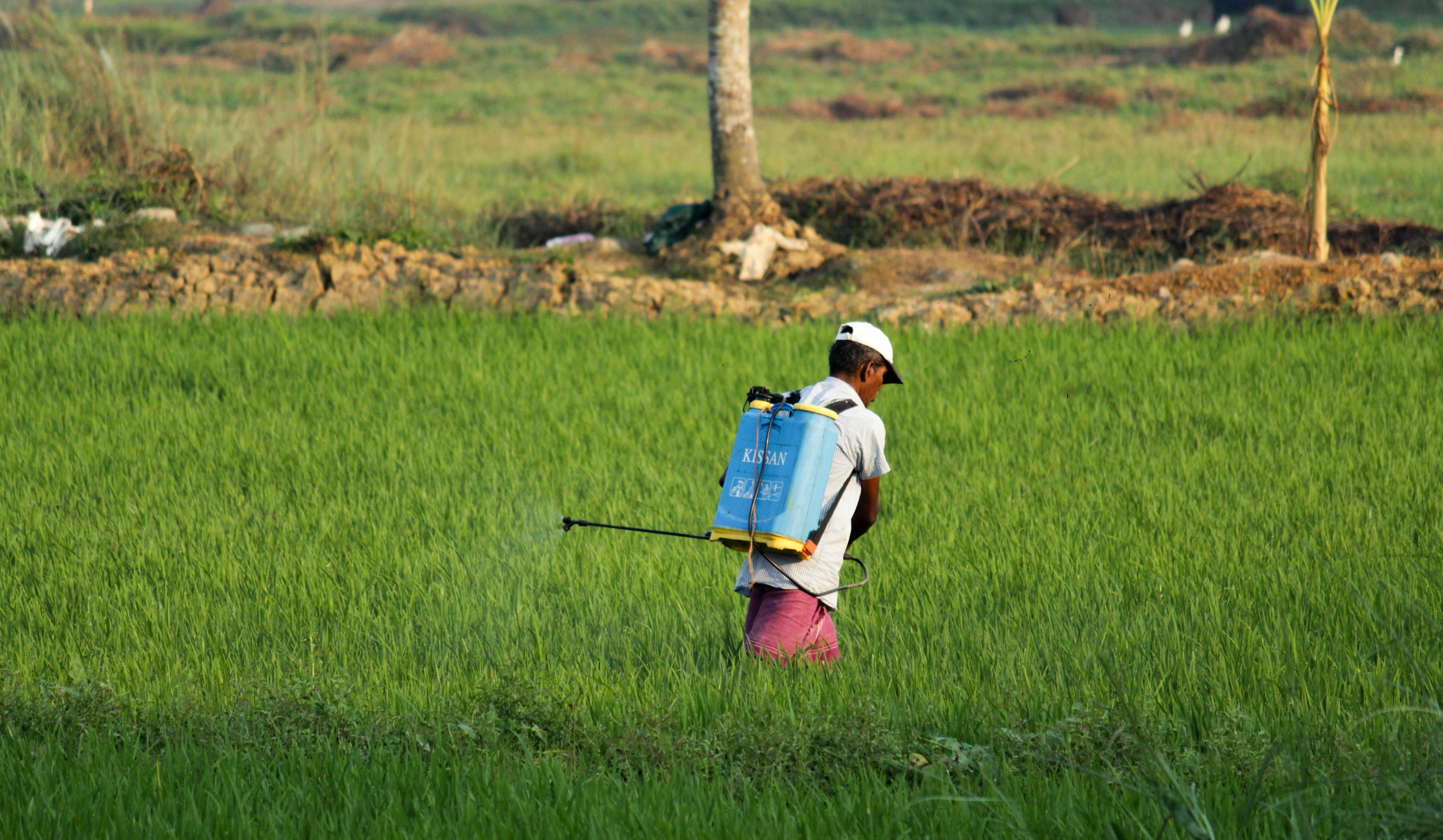
The demand for organic and sustainable agriculture practices in Kenya has been driven by the adverse effects of agricultural chemicals on both the environment and human health. As global trends shift toward sustainability, Kenyan farmers are embracing these practices. Initiatives by local organizations, such as KALRO and Farm Africa, emphasize the benefits of these methods. In 2026, it's estimated that organic farming in Kenya will grow by 8%, supporting soil fertility and agribusiness opportunities.
Key Insights or Strategies
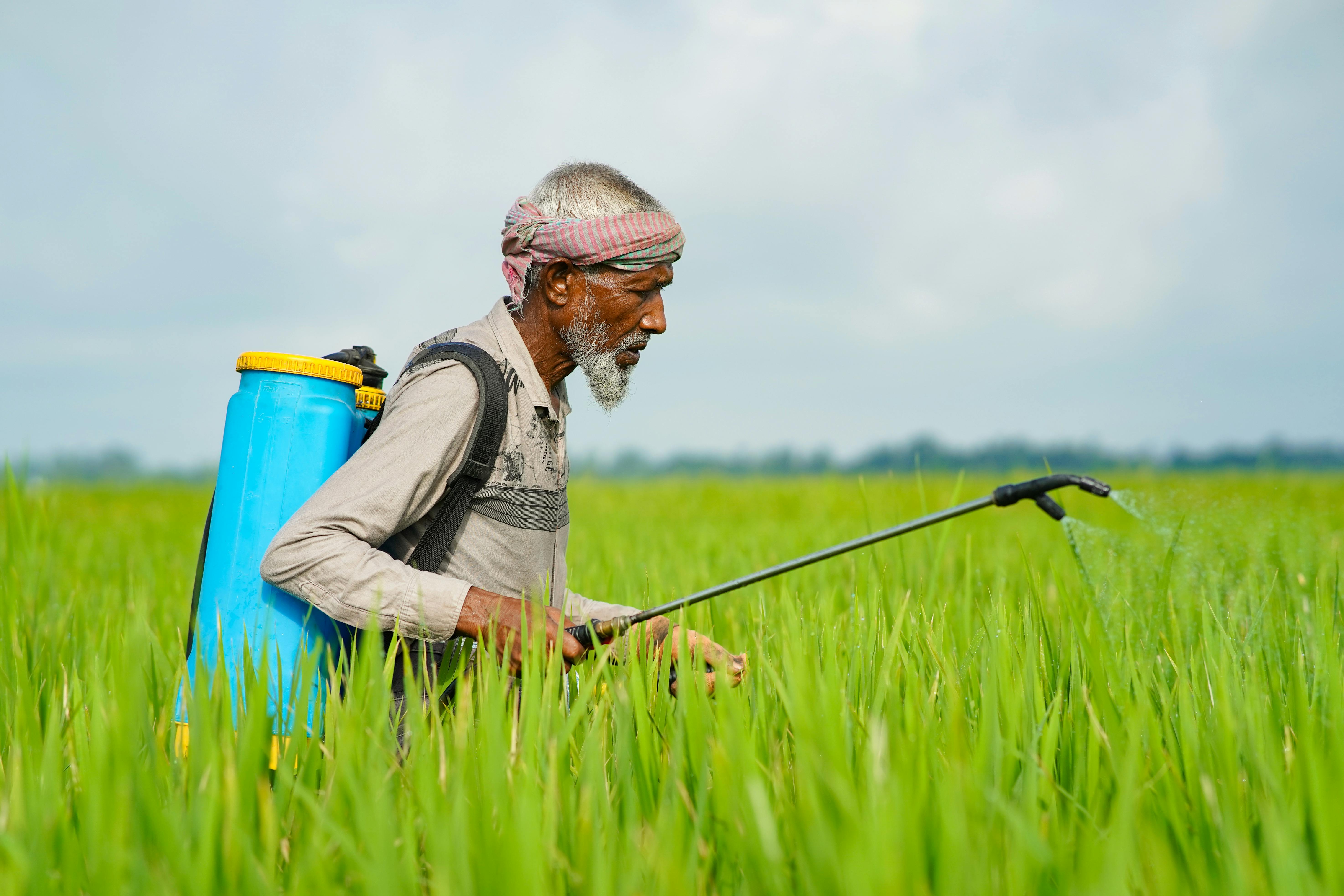
1. Pest Monitoring Techniques
Monitoring pest populations is crucial in minimizing unnecessary pesticide sprays. This involves:
Boost your yields with the CARPATHEN Drip Irrigation System Kit – available on Amazon.
2. Biological Control Deployment
To enhance pest control naturally, biological interventions such as predatory insects can be introduced. This method involves:
Explore sustainable organic farming solutions with Biofarm Kenya
Case Studies, Examples, or Comparisons
In Embu County, regenerative agriculture projects have demonstrated the impact of sustainable practices. Through these initiatives, farmers have witnessed increased resilience and productivity, showcasing the potential benefits of IPM adoption.
Common Mistakes to Avoid
A few common pitfalls in adopting IPM include:
Expert Tips or Best Practices
For effective implementation of IPM:
For more expert insights, explore sustainable solutions with Biofarm Kenya.
Future Trends or Predictions
The future of agriculture in Kenya is heading toward innovations such as smart irrigation systems, vertical farming, and AI-driven monitoring. These advancements will further bolster the efficiency and sustainability of farming practices across the region.
Conclusion
Implementing IPM provides both economic and environmental benefits. For trusted tools to support these practices, explore products on Amazon and learn more about sustainable solutions with Biofarm Kenya.


0 Comments