

Estimated Reading Time: 18 minutes
TL;DR: Agroforestry integration is crucial for Kenya’s 2026 agriculture strategy, improving resilience to droughts and enhancing yields by up to 40%. Key strategies include selecting drought-resistant tree species, optimizing planting patterns to minimize crop competition, and effective pest management. Recent studies by KARI highlight significant water-use reductions compared to traditional monoculture systems.
Key Takeaways:
- Agroforestry promotes biodiversity and improves soil quality.
- Selecting the right tree species is critical for successful integration.
- Optimized spacing and pest management are essential for maximizing yields.
- Training in agroforestry can significantly enhance farm sustainability in Kenya.
- Biofarm Kenya offers essential support for sustainable agriculture practices.
Table of Contents:
- Background & Context
- Key Insights or Strategies
- Case Studies, Examples, or Comparisons
- Common Mistakes to Avoid
- Expert Tips or Best Practices
- Future Trends or Predictions
- Conclusion
- FAQs
Introduction:
In the face of increasing climate challenges, sustainable agriculture has emerged as a vital strategy for improving the resilience of Kenya's farming systems. Agroforestry, the harmonious integration of trees and shrubs into agricultural landscapes, is rapidly gaining recognition as a practical solution. According to recent KARI trials, this approach boosts yields by 40% while significantly cutting water usage. This transformative shift is shaping Kenya’s agricultural future, making agroforestry integration the top emerging training need to address the drought challenges anticipated in 2026.
Background & Context
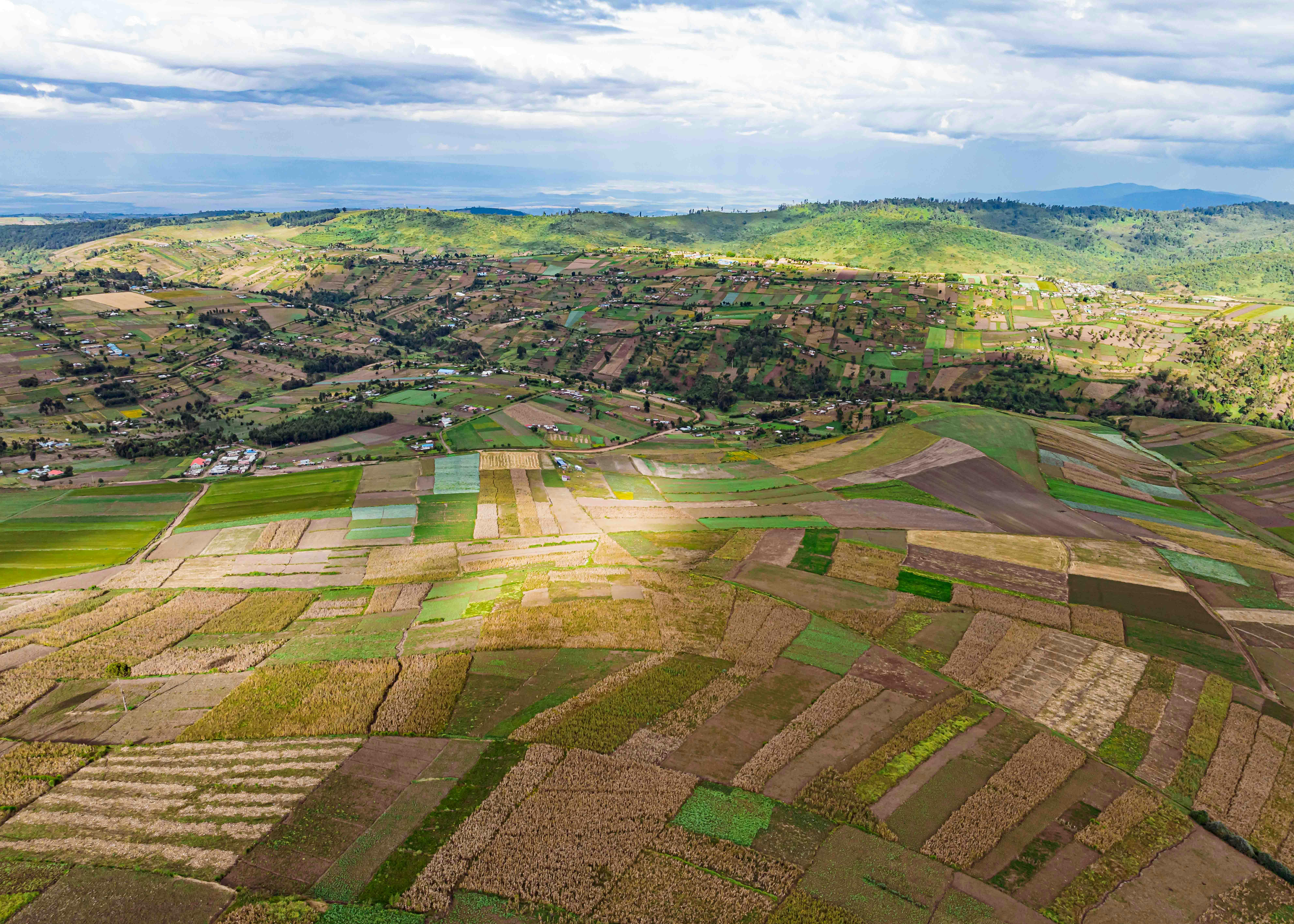
Over recent years, agribusiness in Kenya has seen substantial growth, with the sector contributing over 30% to the nation's GDP. However, challenges like soil degradation and recurring droughts threaten these gains. The move towards sustainable practices such as agroforestry is part of the broader vision outlined by initiatives like the East Africa Vision 2050 and the Africa Sustainable Commodities Initiative, which emphasize conservation agriculture and organic farming.
Key Insights or Strategies
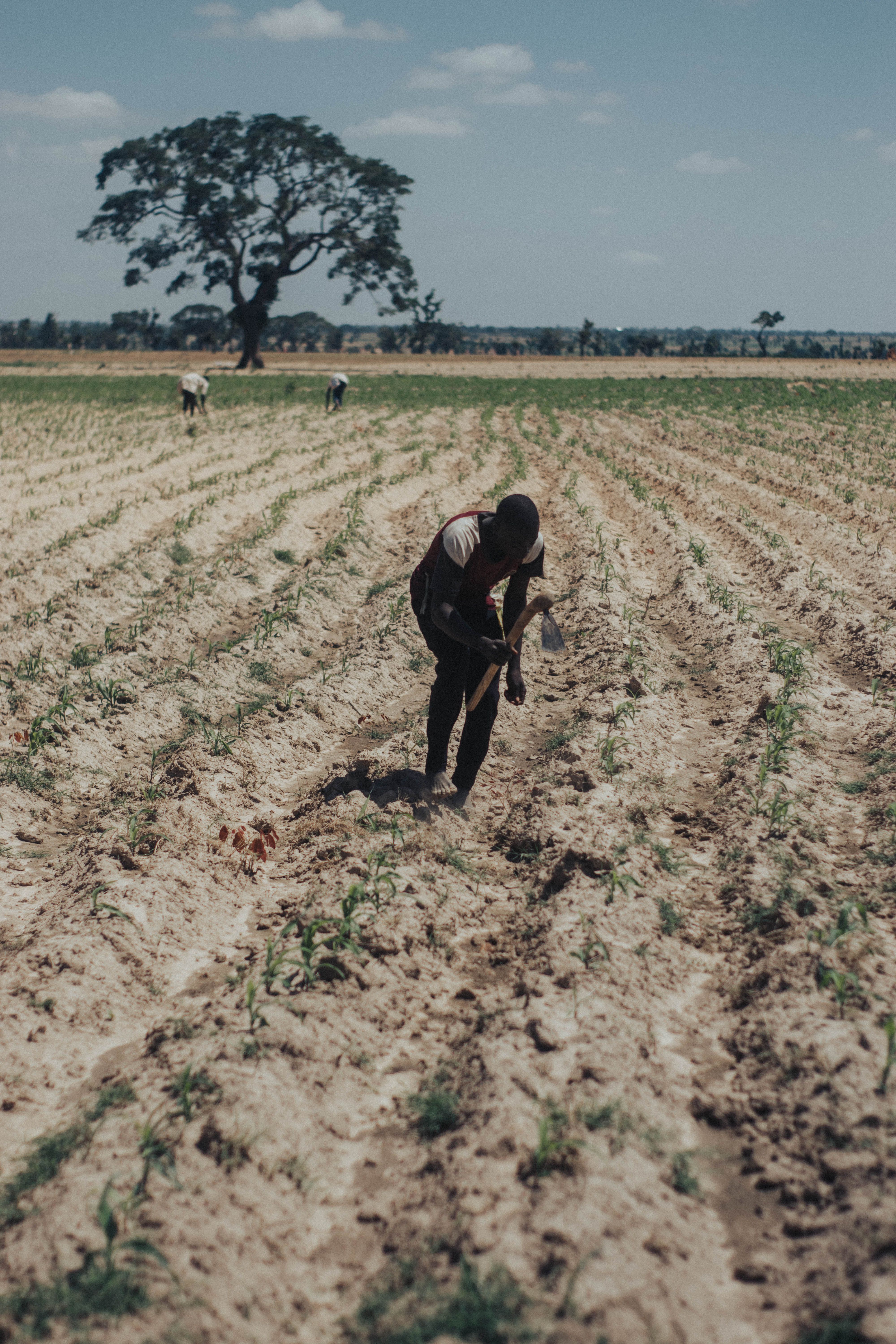
Selection of Drought-Resistant Tree Species
Choosing the right trees, such as Acacia senegal, is fundamental for successful agroforestry. These species not only survive tough climatic conditions but also enhance soil fertility, crucial for sustaining agricultural productivity.
Enhance your agroforestry efforts with the Dr. Earth 749688750646 Exotic Blend Fertilizer available on Amazon.
Optimized Spacing Techniques
Proper spacing between trees and crops ensures reduced competition for resources, enhancing the overall productivity. Implementing these techniques can lead to higher yields and better water management.
Explore sustainable organic farming solutions with Biofarm Kenya.
Integrated Pest Management
- Monitor and identify pest species in early stages.
- Use biological control agents to reduce chemical usage.
- Regularly rotate crops to disrupt pest life cycles.
Complement your pest management strategy with the CARPATHEN Drip Irrigation System for enhanced watering efficiency.
Case Studies, Examples, or Comparisons
A shining example of successful agroforestry is the story of a farmer in Kitale. By integrating leguminous trees with maize, this farmer experienced a 35% increase in yield. Supported by the Ministry of Agriculture and advised by the FAO's agroforestry programs, this practice not only improved productivity but also boosted soil health and reduced pest incidence.
Common Mistakes to Avoid
Avoid common pitfalls like improper tree positioning, which can lead to excessive shading and reduced crop growth. Additionally, over-application of fertilizers poses a risk of soil acidification. Ensuring soil health requires careful management and periodic soil testing.
Expert Tips or Best Practices
Adopt technology such as MySoil Soil Test Kit to monitor soil health regularly. This helps in making informed decisions regarding nutrient management, leading to better crop yields.
For maintaining soil health over time, consider the sustainable farming techniques from Biofarm Kenya.
Future Trends or Predictions
Kenya's agricultural landscape is poised for significant advancements with the introduction of smart irrigation systems, AI-driven crop monitoring, and the expansion of vertical farming. These technologies promise even greater sustainability and productivity.
Conclusion
Agroforestry presents a promising pathway to overcome the agricultural challenges faced by Kenyan farmers. Through deliberate tree selection, strategic planting, and guided pest management, this practice enhances resilience and productivity. As we move towards 2026, agroforestry is a pivotal component of sustainable agriculture. Discover trusted organic farming tools on Amazon and explore sustainable solutions with Biofarm Kenya.
FAQs
- What is agroforestry and why is it important for Kenya?Agroforestry integrates trees within farming systems, boosting resilience to climate impacts and enhancing soil health. Learn more from the FAO.
- How do I select the best tree species for my farm?Consider drought-resistant species that support soil fertility, like Acacia senegal. The KARI trials provide detailed guidance.
- What are the benefits of optimized planting distances?By reducing resource competition, optimal spacing enhances water efficiency and crop yields. Refer to the NEMA guidelines for more insights.
- What role does pest management play in agroforestry?Integrated pest management reduces reliance on chemicals, supporting ecosystem health. Biofarm Kenya resources can provide tailored strategies.
- Are there training programs available in Kenya for agroforestry?Yes, many institutions, including the Ministry of Agriculture, offer training programs. For more, visit the KEBS website.
- What future trends should I be prepared for in sustainable agriculture?Innovations such as AI in agriculture and vertical farming are on the rise. Stay informed via the Kenya ICT Authority.


0 Comments