

Estimated Reading Time: 12 minutes
TL;DR:Kenyan farmers are adopting organic manure to cut fertilizer costs by 30%. Key methods include optimizing compost application rates and timing. Learn from KALRO's 2025 trial and successful case studies.Key Takeaways:
1. Transition to organic manure saves up to 30% on fertilizer costs.
2. Optimal application rates: 10-20 t/ha for maize.
3. Synchronize manure applications with planting cycles.
4. Organic methods improve soil structure and yield comparability.
5. Discover sustainable solutions with Biofarm Kenya.Table of Contents:
Background & Context
Key Insights or Strategies
Case Studies, Examples, or Comparisons
Common Mistakes to Avoid
Expert Tips or Best Practices
Future Trends or Predictions
Conclusion
FAQs
Background & Context
 Kenyan farmers are increasingly seeking affordable alternatives to chemical fertilizers as input costs rise. With sustainable agriculture gaining traction, integrating organic matter such as composted livestock manure and green manure crops enhances soil fertility and health. According to a 2025 study by KALRO, using organic manure methods can lead to significant input cost reductions and improved soil structure.
Key Insights or Strategies
1. Optimal Application Rates
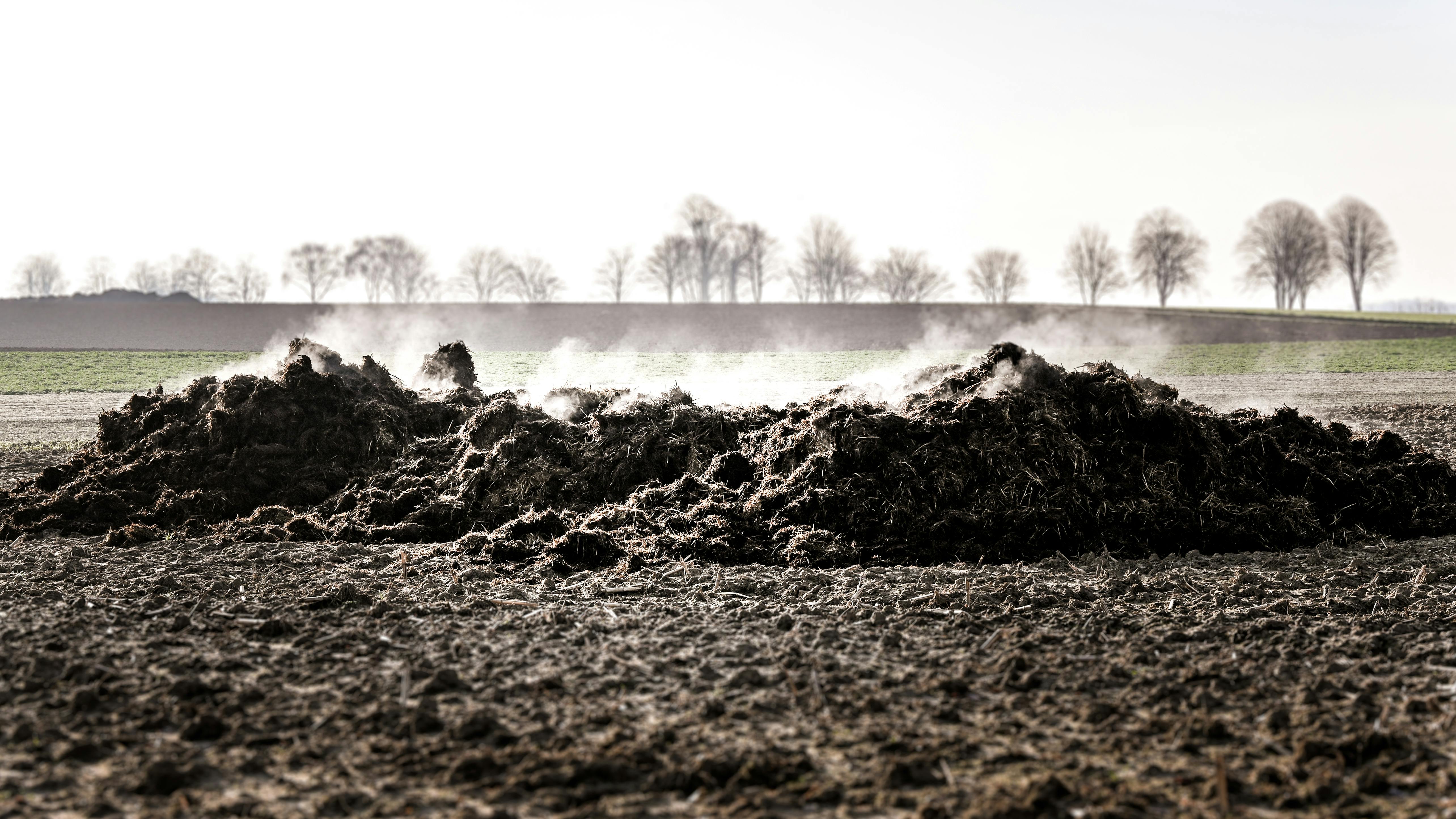
To achieve optimal results, apply 10-20 t/ha of compost for maize fields.2. Timing with Planting
Synchronize manure applications with planting cycles to maximize nutrient uptake.3. Cost-Benefit Analysis
Financial assessments reveal a 30% savings in using organic manure over synthetic fertilizers.4. Product Recommendations
Boost your yields with the MySoil Soil Test Kit – available on Amazon.Explore sustainable organic farming solutions with Biofarm KenyaCase Studies, Examples, or Comparisons
In 2025, KALRO conducted trials demonstrating that organic manure methods provided yields comparable to chemical fertilizers while significantly enhancing soil structure. Cite: FAO Report on Agribusiness Strategies 2025.Common Mistakes to Avoid
1. Over-application of manure leading to nutrient runoff.2. Ignoring soil testing before application.
3. Incorrect timing of manure application.
Correct these with proper planning and advisory services.
Expert Tips or Best Practices
Maintain healthy soil with Wallace Organic Wonder Soluble Humic & Fulvic Acid Powder.For efficient irrigation, consider theHEKIWAY Drip Irrigation System.Discover more best practices with Biofarm KenyaFuture Trends or Predictions
Emerging technologies like AI-driven crop monitoring and vertical farming are set to revolutionize agriculture, making farming more sustainable and productive.Conclusion
Transitioning to organic manure methods is not only eco-friendly but also economically beneficial. Discover trusted organic farming tools on Amazonand learn more about sustainable solutions with Biofarm Kenya.FAQs
1. How do organic manures compare with chemical fertilizers?Organic manures improve soil health, provide long-term nutrient release, and are more cost-effective. For more, visit FAO.2. What is the optimal time for applying manure?
Most effective when applied just before planting to align nutrient availability with plant needs. Explore this further on KALRO.3. Are there specific crops that benefit more from organic manure?
Crops like maize benefit significantly due to their nutrient demands. More insights can be found at Maize Trust.4. Can manure cause pollution?
Improper application leads to runoff but can be mitigated with best practices. Learn more at NEMA.5. How does biochar complement organic manure?
Biochar enhances nutrient retention, working synergistically with manure. See Biochar International.6. What resources support sustainable farming in Kenya?
Kenya's Ministry of Agriculture offers extensive resources and support for sustainable techniques. Visit Ministry of Agriculture.Make sure to customize the reading time, check the links, and verify product availability on Amazon.


0 Comments