

Estimated Reading Time: 15 minutes
TL;DR:Kenya's small farmers, despite producing a significant portion of the nation's agricultural output, face substantial barriers to accessing lucrative export markets due to the increasing demand for eco-certification. While certifications promise higher prices, the associated costs, complex application processes, and stringent standards often exclude smaller operations. This creates a 'Green Gold' illusion, where the benefits disproportionately favor larger, well-resourced farms, widening the economic gap. Addressing this requires targeted support, financial assistance, and simplified certification pathways to ensure inclusive sustainable development.
Key Takeaways:Eco-certification, while beneficial for market access and premiums, often presents insurmountable financial and logistical hurdles for Kenya's small farmers.The 'Green Gold' narrative, highlighting higher export prices, frequently overlooks the exclusion of smallholders, creating an inequitable distribution of sustainability benefits.Policy interventions, financial aid, and capacity building are crucial to empower small farmers to adopt sustainable practices and meet global certification standards.Collaborative models, such as farmer cooperatives and group certifications, can significantly reduce the burden and cost for individual small-scale producers.Supporting local markets and promoting domestic sustainable consumption are essential complementary strategies to reduce reliance on challenging export pathways.
Table of Contents
Introduction: The Lure of Green Gold
In the vibrant agricultural landscapes of Kenya, a silent struggle is unfolding, one that pits the promise of prosperity against the harsh realities of global trade. The international market increasingly demands eco-certified produce, branding it as 'Green Gold' for its lucrative potential. Yet, for many of the nation's small farmers, this shimmering promise remains just out of reach. Kenya's small farmers face exclusion from lucrative export markets due to eco-certification. Discover the harsh truth behind the 'Green Gold' illusion and who profits. This article delves into the complexities of eco-certification, uncovering how it inadvertently creates barriers for the very people who form the backbone of Kenya's agricultural economy. We explore the mechanisms of this exclusion, the profound impact on livelihoods, and crucially, what can be done to forge a more equitable path towards sustainable agriculture and market access for all.Background & Context: The Certification Conundrum
Kenya's agricultural sector is a cornerstone of its economy, contributing significantly to the GDP and employing a large percentage of the population, predominantly smallholder farmers. These farmers cultivate a diverse range of crops, from tea and coffee to fruits and vegetables, many of which are destined for international markets. However, the global landscape for agricultural exports has shifted dramatically, with a growing emphasis on sustainability and ethical production. Consumers in developed nations are increasingly willing to pay a premium for products that are environmentally friendly, socially responsible, and produced without harmful chemicals. This demand has led to a proliferation of eco-certification schemes, such as Fairtrade, Rainforest Alliance, Organic, and GlobalG.A.P.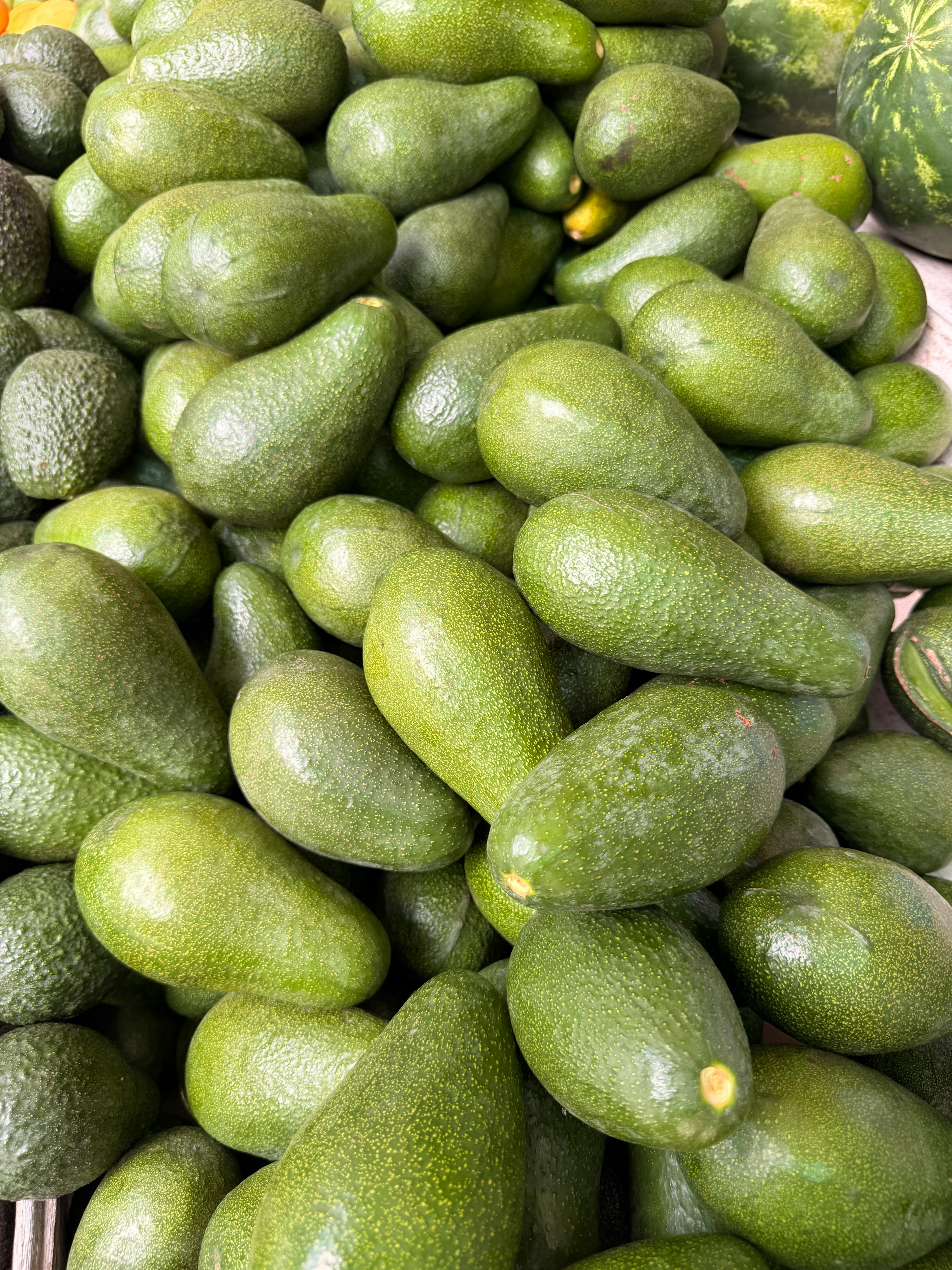 While these certifications are designed to promote sustainable practices and ensure fair prices, their implementation often poses significant challenges for small farmers in Kenya. The stringent requirements, high application costs, and the need for continuous audits create formidable barriers. For instance, studies indicate that while certified farmers may receive 20-30% higher prices for their produce, these benefits often accrue more significantly to larger farms that can more easily absorb the initial investment and administrative burden of certification. According to a report by the Food and Agriculture Organization (FAO), smallholder farmers, despite producing 70-80% of the world’s food, often struggle to access these premium markets due to lack of resources and technical knowledge for compliance (FAO, Sustainable Development Goals). Furthermore, only a fraction of Kenya's agricultural land, approximately 0.69% or 182,000 hectares, is under organic management, highlighting the limited penetration of these high-standard certifications among the broader farming community (FAO, Organic Agriculture). This stark reality underscores how Kenya's small farmers face exclusion from lucrative export markets due to eco-certification, trapping them in a cycle of subsistence while the 'Green Gold' flows past.
Key Insights & Strategies: Bridging the Certification Gap
The disparity between the promise of 'Green Gold' and the reality for small Kenyan farmers necessitates a strategic approach. Understanding the core challenges allows us to develop targeted interventions that foster inclusive sustainability.The Cost Barrier: A Heavy Investment for Small Pockets
The financial outlay for eco-certification is a major deterrent. Fees for audits, inspectors, and even the necessary infrastructure upgrades (like improved sanitation facilities or organic pest control methods) can be prohibitive for farmers earning meager incomes.Knowledge & Capacity Gaps: Navigating Complex Standards
The technical requirements of eco-standards are often complex, requiring detailed record-keeping, specific agricultural practices, and understanding of environmental regulations. Many small farmers lack access to this crucial information or the training to implement it.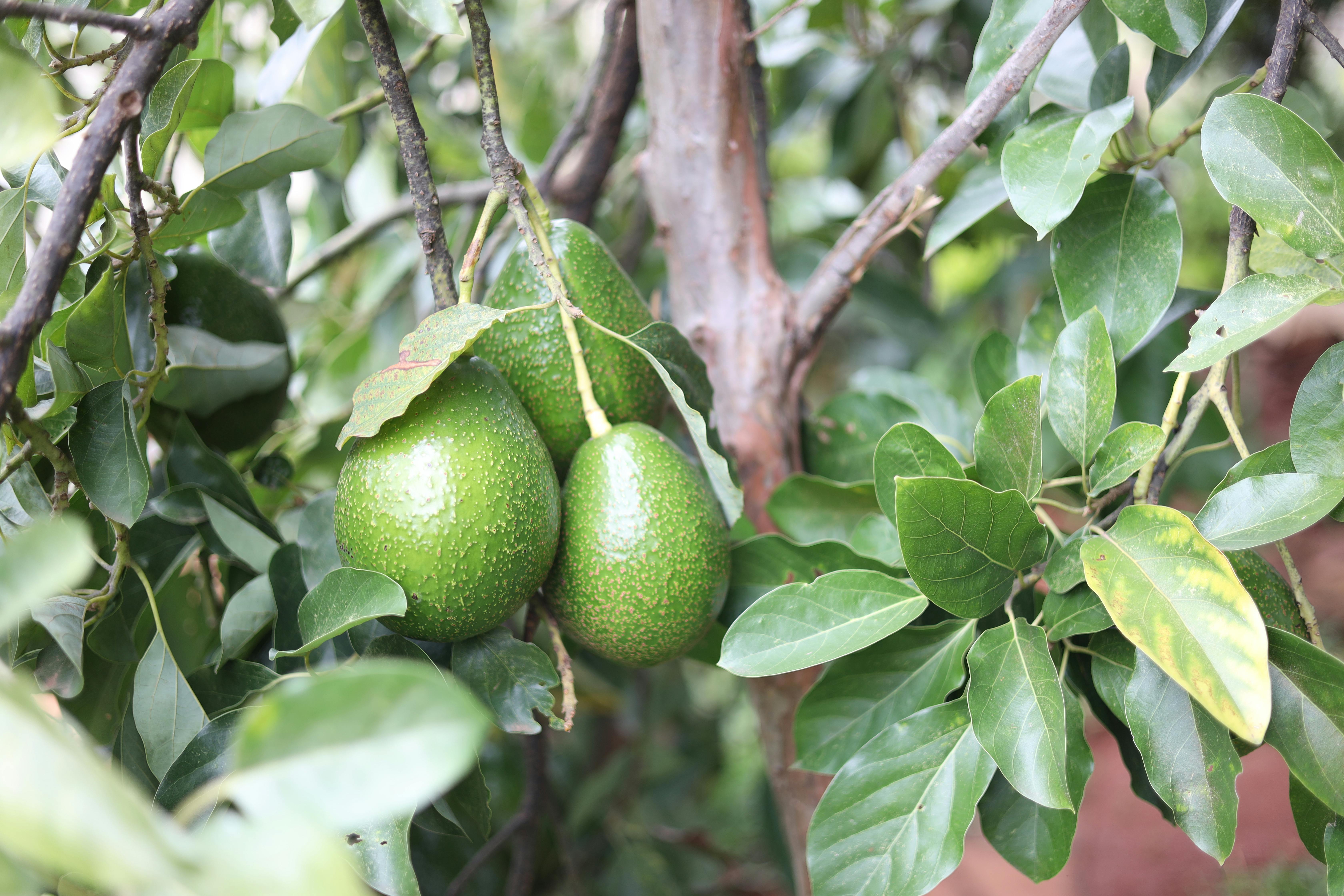
Collective Action: The Power of Cooperatives
Individual certification is often too burdensome. Group certifications through cooperatives or producer organizations can significantly reduce costs and simplify the process.Case Studies, Examples, or Comparisons: Pathways to Sustainable Inclusion
While Kenya's small farmers face exclusion from lucrative export markets due to eco-certification, there are inspiring examples and successful initiatives demonstrating how these barriers can be overcome. These cases offer valuable lessons for fostering more inclusive sustainable agricultural practices.The Fairtrade Model in Kenyan Coffee
Fairtrade certification has been instrumental in providing better market access and fairer prices for small-scale coffee farmers in Kenya. By organizing into cooperatives, thousands of smallholder coffee growers have collectively met Fairtrade standards, which include environmental protection, safe working conditions, and a minimum price guarantee. For instance, the Othaya Farmers' Co-operative Society in Nyeri, Kenya, a Fairtrade-certified group, has significantly improved its members' livelihoods. Members receive a Fairtrade premium on top of the selling price, which is then invested in community projects like education, healthcare, and infrastructure, as decided by the farmers themselves. This model demonstrates that collective bargaining power and direct market linkages can empower small farmers to not only gain market access but also drive community development (Fairtrade International).Horticultural Export from Smallholder Groups
In the horticultural sector, achieving GlobalG.A.P. certification—a standard for safe and sustainable agriculture—is often a prerequisite for exporting to European markets. Individually, meeting this standard is challenging for small vegetable farmers. However, organizations like the Kenya Organic Agriculture Network (KOAN) and various grower schemes have facilitated group certifications. These schemes pool resources, provide training on Good Agricultural Practices (G.A.P.), and manage the certification process on behalf of their members. One such initiative, supported by development partners, helped a group of small avocado farmers in Murang'a achieve GlobalG.A.P. certification, enabling them to export directly to Europe. This led to a 40% increase in their average income compared to selling to local middlemen (GlobalG.A.P.). This success highlights the crucial role of external support and collective effort in overcoming the individual burden of certification.Organic Certification Challenges and Opportunities
While organic farming offers higher premiums, its adoption among smallholders remains low, with only about 30,000 farms in Kenya being organically certified (IFOAM Organics International). The transition period, during which farmers cannot sell produce as 'organic' while incurring organic-specific costs, is a significant financial hurdle. However, models that integrate organic farming with permaculture principles, combined with domestic market development, are showing promise. Farmers' markets and direct-to-consumer models for locally certified organic produce can provide alternative, less stringent pathways to sustainable earnings, demonstrating that not all 'Green Gold' needs to come from overseas exports. These comparisons illustrate that while the export trap is real, tailored support and collective action can transform challenges into opportunities for Kenya's small farmers.Common Mistakes to Avoid
Navigating the world of eco-certification can be fraught with pitfalls for small farmers. Understanding these common mistakes is crucial for developing successful, sustainable strategies and preventing further exclusion from the benefits of 'Green Gold'.1. Neglecting Proper Record-Keeping
Many certification schemes demand meticulous records of inputs, practices, and outputs. A common mistake is failing to maintain accurate and consistent records, which can lead to audit failures or prolonged certification processes. Without proper documentation, proving adherence to standards becomes impossible.2. Rushing into Certification Without Readiness
Attempting to achieve certification before a farm is truly ready for the requirements can lead to wasted resources and demotivation. Farmers might invest in initial fees only to discover they cannot meet the operational changes needed, resulting in financial loss and abandonment of the process.3. Underestimating the Ongoing Costs
Certification is not a one-time event. It requires annual audits, continuous compliance, and often ongoing investments in sustainable practices. A mistake is to only factor in initial certification costs without accounting for the sustained financial and labor commitment required for renewal.4. Ignoring Market Demand for Specific Certifications
Not all certifications hold the same weight in every market. Some farmers might pursue a generic eco-label that doesn't resonate with their target export market's specific demands or consumer preferences. This can lead to certification without the expected market premium or access.5. Lack of Collective Bargaining or Group Support
Small farmers often attempt to undergo the certification process individually. This is a significant mistake, as group certifications through cooperatives can drastically reduce costs, share knowledge, and offer collective support, making the process more manageable and economically viable.6. Focusing Solely on Export without Domestic Market Strategy
While the allure of export markets is strong, neglecting the development of strong local and domestic markets for sustainably produced goods is a missed opportunity. Relying entirely on exports can make farmers vulnerable to international market fluctuations and stringent demands, whereas local markets can provide a stable alternative or complementary revenue stream.Expert Tips & Best Practices
Empowering Kenya's small farmers to overcome the eco-certification trap requires practical, actionable strategies. Here are expert tips and best practices to help them navigate the complexities and unlock the 'Green Gold' potential.1. Start Small and Build Capacity Gradually
Instead of aiming for the most complex certifications immediately, focus on adopting foundational Good Agricultural Practices (G.A.P.) first. These practices, such as proper waste management, water conservation, and responsible pesticide use, are often prerequisites for higher certifications and improve overall farm efficiency. Building capacity incrementally makes the transition less daunting and more sustainable.2. Leverage Existing Farmer Organizations and Cooperatives
Joining or forming farmer cooperatives is paramount. These organizations can facilitate group certifications, significantly reducing individual costs and administrative burdens. They also serve as platforms for knowledge sharing, collective marketing, and advocacy. For example, cooperatives can collectively hire an agronomist specializing in sustainable practices to guide members through compliance.3. Seek Out Technical Assistance and Training
Actively search for programs offering technical assistance on sustainable farming and certification requirements. Many NGOs, government extension services, and international development agencies provide free or subsidized training. These programs can demystify complex standards and equip farmers with the practical skills needed for compliance.4. Explore Blended Finance and Tailored Funding Options
Traditional loans are often unsuitable for smallholders. Look for blended finance solutions that combine grants with concessional loans, or microfinance products specifically designed for agricultural investments and certification costs. Consider initiatives that link financing to proven sustainable practices or climate-smart agriculture. Try switching to Explore sustainable living solutions with Eco-Oasis Firm for resources on innovative financing for sustainable projects.5. Diversify Crops and Markets
Reduce reliance on a single crop or export market by diversifying. Growing a variety of crops can enhance resilience against market fluctuations and pests. Furthermore, explore hybrid market strategies: maintain local market sales for stability while pursuing certified export opportunities for premium produce. This reduces the risk associated with stringent export demands.6. Embrace Digital Tools for Farm Management
Simple mobile applications can assist with record-keeping, weather tracking, and market information. These tools can streamline the documentation required for audits and help farmers make more informed decisions, improving efficiency and compliance. Even basic SMS services can provide crucial updates on market prices and best practices.Future Trends & Predictions: A Greener, More Equitable Future?
The challenges faced by Kenya's small farmers today are symptoms of broader global trends. Understanding these future directions is vital for predicting how the 'Green Gold' narrative might evolve and how exclusion can be mitigated, ensuring Kenya's small farmers face exclusion from lucrative export markets due to eco-certification becomes a problem of the past.1. Increased Demand for Traceability and Transparency
Consumers are increasingly demanding to know the exact origin and journey of their food. Blockchain technology and advanced digital platforms are set to become standard for supply chain transparency. This will place greater pressure on farmers to meticulously document their processes, but also offer opportunities for smallholders to tell their unique stories and build direct trust with consumers, potentially bypassing some intermediary costs if platforms become more accessible.2. Localization of Certification Standards
There's a growing recognition that global certification standards, while well-intentioned, don't always fit local contexts perfectly. Future trends may see the rise of more localized, context-specific eco-certification schemes developed with input from local farming communities. These 'glocal' standards could be more attainable for small farmers while still assuring sustainability.3. Climate-Smart Agriculture (CSA) Integration
Climate change impacts are accelerating in Kenya, making climate-smart agriculture (CSA) practices indispensable. Future certifications will likely integrate CSA metrics more explicitly, focusing on resilience, emission reduction, and carbon sequestration. This presents both a challenge and an opportunity: farmers adopting CSA can tap into new 'green finance' mechanisms and premium markets that prioritize climate action.4. Growth of Domestic Sustainable Markets
While export remains crucial, there will likely be a stronger emphasis on developing robust domestic markets for sustainably produced goods. Urban populations in Kenya are becoming more environmentally conscious. Supporting local organic markets, fair trade initiatives within the country, and direct-to-consumer models can create alternative, less demanding pathways for small farmers to earn premiums for their sustainable produce.5. Blended Finance and Impact Investment Expansion
The financial gap for smallholders will increasingly be addressed by blended finance models that combine grants, concessional loans, and private investment. Impact investors are looking for projects that deliver both financial returns and positive social/environmental impact. This trend could channel significant capital into supporting small farmers in meeting certification standards and adopting sustainable technologies.6. Technological Leapfrogging in Agriculture
Drones for precision farming, IoT sensors for soil health, and AI-powered advice are becoming more accessible. While large-scale farms currently benefit most, future trends suggest these technologies will become democratized, offering small farmers tools to optimize practices, reduce waste, and demonstrate compliance more easily, helping to bridge the digital divide in agriculture.Conclusion: Cultivating a Sustainable and Inclusive Future
The 'Green Gold' of eco-certified export markets holds immense promise, yet it has inadvertently created a challenging trap for Kenya's small farmers. The harsh truth is that while the demand for sustainable produce is laudable, the current mechanisms of eco-certification often exclude the very backbone of agricultural production. Kenya's small farmers face exclusion from lucrative export markets due to eco-certification, leading to missed opportunities for economic advancement and hindering inclusive sustainable development.However, the future is not without hope. By understanding the core barriers—cost, complexity, and lack of support—and implementing targeted strategies, we can transform this exclusionary system into one of opportunity. Investing in accessible training, fostering robust farmer cooperatives, exploring innovative financial models, and adapting certification standards to local realities are all critical steps. It is imperative that we move beyond merely identifying the problem to actively building solutions that empower every farmer, regardless of their scale, to participate in and benefit from the green economy. Only then can we truly realize a future where sustainability is synonymous with equity, and the 'Green Gold' genuinely enriches all who toil the land. We urge you to consider the broader impact of your choices and to support initiatives that champion equitable sustainability. To delve deeper into actionable steps and partner with organizations committed to a greener future, Explore sustainable living solutions with Eco-Oasis Firm.FAQs
Q1: What is eco-certification, and why is it important for Kenyan farmers?A1: Eco-certification refers to a voluntary process where a third-party organization verifies that a farm or product meets specific environmental, social, and economic sustainability standards. Examples include Fairtrade, Rainforest Alliance, and Organic certifications. For Kenyan farmers, it's crucial because it often serves as a gateway to lucrative export markets, particularly in Europe and North America, where consumers demand sustainable produce. It can lead to higher prices and better market access, but also poses significant challenges for smallholders due to compliance costs and complexity. (Source: GlobalG.A.P.)
Q2: What are the main barriers preventing small Kenyan farmers from achieving eco-certification?A2: The primary barriers include the high costs associated with audits, inspection fees, and necessary farm upgrades (e.g., water systems, waste management). Additionally, the technical complexity of meeting stringent standards, the need for extensive record-keeping, and a lack of access to relevant training and extension services are significant hurdles. Many small farmers also struggle with the initial investment required for the transition period, especially for organic certification. (Source: FAO)
Q3: How do group certifications or cooperatives help small farmers with eco-certification?A3: Group certifications, typically managed through farmer cooperatives or producer organizations, significantly alleviate the burden on individual small farmers. By pooling resources, they can collectively afford certification fees, share the cost of necessary infrastructure, and access training more easily. The cooperative acts as a single entity to meet standards and undergo audits, making the process more efficient and economically viable for its members. This collective approach helps overcome the financial and logistical challenges faced by individual smallholders. (Source: Fairtrade International)
Q4: Are there specific crops in Kenya most affected by these eco-certification challenges?A4: Crops primarily destined for high-value export markets, such as certain varieties of fresh fruits (e.g., avocados, mangoes), vegetables, cut flowers, and high-quality coffee and tea, are most affected. These are the sectors where international buyers most frequently demand eco-certifications like GlobalG.A.P., Rainforest Alliance, or Fairtrade. Small farmers engaged in these cash crops, particularly those lacking organized collective structures, often find themselves trapped by these increasing requirements. (Source: GlobalG.A.P.)
Q5: What role can the Kenyan government and NGOs play in supporting small farmers?A5: The Kenyan government can implement policies that offer subsidies for certification costs, provide accessible training programs through agricultural extension services, and streamline regulatory processes. NGOs can play a crucial role by providing direct technical assistance, facilitating capacity building, connecting farmers with funding opportunities, and supporting the formation and strengthening of farmer cooperatives. Collaborative efforts between government, NGOs, and private sector partners are essential for creating an enabling environment for small farmers to thrive. (Source: USAID Kenya)
Q6: Beyond export, are there alternative markets for sustainably produced goods by Kenyan small farmers?A6: Absolutely. Developing strong domestic and regional markets for sustainably produced goods is a vital alternative. This includes fostering local farmers' markets, promoting direct-to-consumer sales, and establishing partnerships with local hotels, restaurants, and supermarkets that prioritize sourcing sustainable produce. There's a growing urban middle class in Kenya and neighboring East African countries that is increasingly willing to pay a premium for organic or sustainably grown food, offering a less stringent pathway to 'Green Gold' than international exports. (Source: IFOAM Organics International)
Internal Link Suggestions:
Estimated Reading Time: 15 minutes
TL;DR:Kenya's small farmers, despite producing a significant portion of the nation's agricultural output, face substantial barriers to accessing lucrative export markets due to the increasing demand for eco-certification. While certifications promise higher prices, the associated costs, complex application processes, and stringent standards often exclude smaller operations. This creates a 'Green Gold' illusion, where the benefits disproportionately favor larger, well-resourced farms, widening the economic gap. Addressing this requires targeted support, financial assistance, and simplified certification pathways to ensure inclusive sustainable development.
Key Takeaways:Eco-certification, while beneficial for market access and premiums, often presents insurmountable financial and logistical hurdles for Kenya's small farmers.The 'Green Gold' narrative, highlighting higher export prices, frequently overlooks the exclusion of smallholders, creating an inequitable distribution of sustainability benefits.Policy interventions, financial aid, and capacity building are crucial to empower small farmers to adopt sustainable practices and meet global certification standards.Collaborative models, such as farmer cooperatives and group certifications, can significantly reduce the burden and cost for individual small-scale producers.Supporting local markets and promoting domestic sustainable consumption are essential complementary strategies to reduce reliance on challenging export pathways.
Table of Contents
Introduction: The Lure of Green Gold
In the vibrant agricultural landscapes of Kenya, a silent struggle is unfolding, one that pits the promise of prosperity against the harsh realities of global trade. The international market increasingly demands eco-certified produce, branding it as 'Green Gold' for its lucrative potential. Yet, for many of the nation's small farmers, this shimmering promise remains just out of reach. Kenya's small farmers face exclusion from lucrative export markets due to eco-certification. Discover the harsh truth behind the 'Green Gold' illusion and who profits. This article delves into the complexities of eco-certification, uncovering how it inadvertently creates barriers for the very people who form the backbone of Kenya's agricultural economy. We explore the mechanisms of this exclusion, the profound impact on livelihoods, and crucially, what can be done to forge a more equitable path towards sustainable agriculture and market access for all.Background & Context: The Certification Conundrum
Kenya's agricultural sector is a cornerstone of its economy, contributing significantly to the GDP and employing a large percentage of the population, predominantly smallholder farmers. These farmers cultivate a diverse range of crops, from tea and coffee to fruits and vegetables, many of which are destined for international markets. However, the global landscape for agricultural exports has shifted dramatically, with a growing emphasis on sustainability and ethical production. Consumers in developed nations are increasingly willing to pay a premium for products that are environmentally friendly, socially responsible, and produced without harmful chemicals. This demand has led to a proliferation of eco-certification schemes, such as Fairtrade, Rainforest Alliance, Organic, and GlobalG.A.P.While these certifications are designed to promote sustainable practices and ensure fair prices, their implementation often poses significant challenges for small farmers in Kenya. The stringent requirements, high application costs, and the need for continuous audits create formidable barriers. For instance, studies indicate that while certified farmers may receive 20-30% higher prices for their produce, these benefits often accrue more significantly to larger farms that can more easily absorb the initial investment and administrative burden of certification. According to a report by the Food and Agriculture Organization (FAO), smallholder farmers, despite producing 70-80% of the world’s food, often struggle to access these premium markets due to lack of resources and technical knowledge for compliance (FAO, Sustainable Development Goals). Furthermore, only a fraction of Kenya's agricultural land, approximately 0.69% or 182,000 hectares, is under organic management, highlighting the limited penetration of these high-standard certifications among the broader farming community (FAO, Organic Agriculture). This stark reality underscores how Kenya's small farmers face exclusion from lucrative export markets due to eco-certification, trapping them in a cycle of subsistence while the 'Green Gold' flows past.Key Insights & Strategies: Bridging the Certification Gap
The disparity between the promise of 'Green Gold' and the reality for small Kenyan farmers necessitates a strategic approach. Understanding the core challenges allows us to develop targeted interventions that foster inclusive sustainability.The Cost Barrier: A Heavy Investment for Small Pockets
The financial outlay for eco-certification is a major deterrent. Fees for audits, inspectors, and even the necessary infrastructure upgrades (like improved sanitation facilities or organic pest control methods) can be prohibitive for farmers earning meager incomes.Knowledge & Capacity Gaps: Navigating Complex Standards
The technical requirements of eco-standards are often complex, requiring detailed record-keeping, specific agricultural practices, and understanding of environmental regulations. Many small farmers lack access to this crucial information or the training to implement it.Collective Action: The Power of Cooperatives
Individual certification is often too burdensome. Group certifications through cooperatives or producer organizations can significantly reduce costs and simplify the process.Case Studies, Examples, or Comparisons: Pathways to Sustainable Inclusion
While Kenya's small farmers face exclusion from lucrative export markets due to eco-certification, there are inspiring examples and successful initiatives demonstrating how these barriers can be overcome. These cases offer valuable lessons for fostering more inclusive sustainable agricultural practices.The Fairtrade Model in Kenyan Coffee
Fairtrade certification has been instrumental in providing better market access and fairer prices for small-scale coffee farmers in Kenya. By organizing into cooperatives, thousands of smallholder coffee growers have collectively met Fairtrade standards, which include environmental protection, safe working conditions, and a minimum price guarantee. For instance, the Othaya Farmers' Co-operative Society in Nyeri, Kenya, a Fairtrade-certified group, has significantly improved its members' livelihoods. Members receive a Fairtrade premium on top of the selling price, which is then invested in community projects like education, healthcare, and infrastructure, as decided by the farmers themselves. This model demonstrates that collective bargaining power and direct market linkages can empower small farmers to not only gain market access but also drive community development (Fairtrade International).Horticultural Export from Smallholder Groups
In the horticultural sector, achieving GlobalG.A.P. certification—a standard for safe and sustainable agriculture—is often a prerequisite for exporting to European markets. Individually, meeting this standard is challenging for small vegetable farmers. However, organizations like the Kenya Organic Agriculture Network (KOAN) and various grower schemes have facilitated group certifications. These schemes pool resources, provide training on Good Agricultural Practices (G.A.P.), and manage the certification process on behalf of their members. One such initiative, supported by development partners, helped a group of small avocado farmers in Murang'a achieve GlobalG.A.P. certification, enabling them to export directly to Europe. This led to a 40% increase in their average income compared to selling to local middlemen (GlobalG.A.P.). This success highlights the crucial role of external support and collective effort in overcoming the individual burden of certification.Organic Certification Challenges and Opportunities
While organic farming offers higher premiums, its adoption among smallholders remains low, with only about 30,000 farms in Kenya being organically certified (IFOAM Organics International). The transition period, during which farmers cannot sell produce as 'organic' while incurring organic-specific costs, is a significant financial hurdle. However, models that integrate organic farming with permaculture principles, combined with domestic market development, are showing promise. Farmers' markets and direct-to-consumer models for locally certified organic produce can provide alternative, less stringent pathways to sustainable earnings, demonstrating that not all 'Green Gold' needs to come from overseas exports. These comparisons illustrate that while the export trap is real, tailored support and collective action can transform challenges into opportunities for Kenya's small farmers.Common Mistakes to Avoid
Navigating the world of eco-certification can be fraught with pitfalls for small farmers. Understanding these common mistakes is crucial for developing successful, sustainable strategies and preventing further exclusion from the benefits of 'Green Gold'.1. Neglecting Proper Record-Keeping
Many certification schemes demand meticulous records of inputs, practices, and outputs. A common mistake is failing to maintain accurate and consistent records, which can lead to audit failures or prolonged certification processes. Without proper documentation, proving adherence to standards becomes impossible.2. Rushing into Certification Without Readiness
Attempting to achieve certification before a farm is truly ready for the requirements can lead to wasted resources and demotivation. Farmers might invest in initial fees only to discover they cannot meet the operational changes needed, resulting in financial loss and abandonment of the process.3. Underestimating the Ongoing Costs
Certification is not a one-time event. It requires annual audits, continuous compliance, and often ongoing investments in sustainable practices. A mistake is to only factor in initial certification costs without accounting for the sustained financial and labor commitment required for renewal.4. Ignoring Market Demand for Specific Certifications
Not all certifications hold the same weight in every market. Some farmers might pursue a generic eco-label that doesn't resonate with their target export market's specific demands or consumer preferences. This can lead to certification without the expected market premium or access.5. Lack of Collective Bargaining or Group Support
Small farmers often attempt to undergo the certification process individually. This is a significant mistake, as group certifications through cooperatives can drastically reduce costs, share knowledge, and offer collective support, making the process more manageable and economically viable.6. Focusing Solely on Export without Domestic Market Strategy
While the allure of export markets is strong, neglecting the development of strong local and domestic markets for sustainably produced goods is a missed opportunity. Relying entirely on exports can make farmers vulnerable to international market fluctuations and stringent demands, whereas local markets can provide a stable alternative or complementary revenue stream.Expert Tips & Best Practices
Empowering Kenya's small farmers to overcome the eco-certification trap requires practical, actionable strategies. Here are expert tips and best practices to help them navigate the complexities and unlock the 'Green Gold' potential.1. Start Small and Build Capacity Gradually
Instead of aiming for the most complex certifications immediately, focus on adopting foundational Good Agricultural Practices (G.A.P.) first. These practices, such as proper waste management, water conservation, and responsible pesticide use, are often prerequisites for higher certifications and improve overall farm efficiency. Building capacity incrementally makes the transition less daunting and more sustainable.2. Leverage Existing Farmer Organizations and Cooperatives
Joining or forming farmer cooperatives is paramount. These organizations can facilitate group certifications, significantly reducing individual costs and administrative burdens. They also serve as platforms for knowledge sharing, collective marketing, and advocacy. For example, cooperatives can collectively hire an agronomist specializing in sustainable practices to guide members through compliance.3. Seek Out Technical Assistance and Training
Actively search for programs offering technical assistance on sustainable farming and certification requirements. Many NGOs, government extension services, and international development agencies provide free or subsidized training. These programs can demystify complex standards and equip farmers with the practical skills needed for compliance.4. Explore Blended Finance and Tailored Funding Options
Traditional loans are often unsuitable for smallholders. Look for blended finance solutions that combine grants with concessional loans, or microfinance products specifically designed for agricultural investments and certification costs. Consider initiatives that link financing to proven sustainable practices or climate-smart agriculture. Try switching to Explore sustainable living solutions with Eco-Oasis Firm for resources on innovative financing for sustainable projects.5. Diversify Crops and Markets
Reduce reliance on a single crop or export market by diversifying. Growing a variety of crops can enhance resilience against market fluctuations and pests. Furthermore, explore hybrid market strategies: maintain local market sales for stability while pursuing certified export opportunities for premium produce. This reduces the risk associated with stringent export demands.6. Embrace Digital Tools for Farm Management
Simple mobile applications can assist with record-keeping, weather tracking, and market information. These tools can streamline the documentation required for audits and help farmers make more informed decisions, improving efficiency and compliance. Even basic SMS services can provide crucial updates on market prices and best practices.Future Trends & Predictions: A Greener, More Equitable Future?
The challenges faced by Kenya's small farmers today are symptoms of broader global trends. Understanding these future directions is vital for predicting how the 'Green Gold' narrative might evolve and how exclusion can be mitigated, ensuring Kenya's small farmers face exclusion from lucrative export markets due to eco-certification becomes a problem of the past.1. Increased Demand for Traceability and Transparency
Consumers are increasingly demanding to know the exact origin and journey of their food. Blockchain technology and advanced digital platforms are set to become standard for supply chain transparency. This will place greater pressure on farmers to meticulously document their processes, but also offer opportunities for smallholders to tell their unique stories and build direct trust with consumers, potentially bypassing some intermediary costs if platforms become more accessible.2. Localization of Certification Standards
There's a growing recognition that global certification standards, while well-intentioned, don't always fit local contexts perfectly. Future trends may see the rise of more localized, context-specific eco-certification schemes developed with input from local farming communities. These 'glocal' standards could be more attainable for small farmers while still assuring sustainability.3. Climate-Smart Agriculture (CSA) Integration
Climate change impacts are accelerating in Kenya, making climate-smart agriculture (CSA) practices indispensable. Future certifications will likely integrate CSA metrics more explicitly, focusing on resilience, emission reduction, and carbon sequestration. This presents both a challenge and an opportunity: farmers adopting CSA can tap into new 'green finance' mechanisms and premium markets that prioritize climate action.4. Growth of Domestic Sustainable Markets
While export remains crucial, there will likely be a stronger emphasis on developing robust domestic markets for sustainably produced goods. Urban populations in Kenya are becoming more environmentally conscious. Supporting local organic markets, fair trade initiatives within the country, and direct-to-consumer models can create alternative, less demanding pathways for small farmers to earn premiums for their sustainable produce.5. Blended Finance and Impact Investment Expansion
The financial gap for smallholders will increasingly be addressed by blended finance models that combine grants, concessional loans, and private investment. Impact investors are looking for projects that deliver both financial returns and positive social/environmental impact. This trend could channel significant capital into supporting small farmers in meeting certification standards and adopting sustainable technologies.6. Technological Leapfrogging in Agriculture
Drones for precision farming, IoT sensors for soil health, and AI-powered advice are becoming more accessible. While large-scale farms currently benefit most, future trends suggest these technologies will become democratized, offering small farmers tools to optimize practices, reduce waste, and demonstrate compliance more easily, helping to bridge the digital divide in agriculture.Conclusion: Cultivating a Sustainable and Inclusive Future
The 'Green Gold' of eco-certified export markets holds immense promise, yet it has inadvertently created a challenging trap for Kenya's small farmers. The harsh truth is that while the demand for sustainable produce is laudable, the current mechanisms of eco-certification often exclude the very backbone of agricultural production. Kenya's small farmers face exclusion from lucrative export markets due to eco-certification, leading to missed opportunities for economic advancement and hindering inclusive sustainable development.However, the future is not without hope. By understanding the core barriers—cost, complexity, and lack of support—and implementing targeted strategies, we can transform this exclusionary system into one of opportunity. Investing in accessible training, fostering robust farmer cooperatives, exploring innovative financial models, and adapting certification standards to local realities are all critical steps. It is imperative that we move beyond merely identifying the problem to actively building solutions that empower every farmer, regardless of their scale, to participate in and benefit from the green economy. Only then can we truly realize a future where sustainability is synonymous with equity, and the 'Green Gold' genuinely enriches all who toil the land. We urge you to consider the broader impact of your choices and to support initiatives that champion equitable sustainability. To delve deeper into actionable steps and partner with organizations committed to a greener future, Explore sustainable living solutions with Eco-Oasis Firm.FAQs
Q1: What is eco-certification, and why is it important for Kenyan farmers?A1: Eco-certification refers to a voluntary process where a third-party organization verifies that a farm or product meets specific environmental, social, and economic sustainability standards. Examples include Fairtrade, Rainforest Alliance, and Organic certifications. For Kenyan farmers, it's crucial because it often serves as a gateway to lucrative export markets, particularly in Europe and North America, where consumers demand sustainable produce. It can lead to higher prices and better market access, but also poses significant challenges for smallholders due to compliance costs and complexity. (Source: GlobalG.A.P.)
Q2: What are the main barriers preventing small Kenyan farmers from achieving eco-certification?A2: The primary barriers include the high costs associated with audits, inspection fees, and necessary farm upgrades (e.g., water systems, waste management). Additionally, the technical complexity of meeting stringent standards, the need for extensive record-keeping, and a lack of access to relevant training and extension services are significant hurdles. Many small farmers also struggle with the initial investment required for the transition period, especially for organic certification. (Source: FAO)
Q3: How do group certifications or cooperatives help small farmers with eco-certification?A3: Group certifications, typically managed through farmer cooperatives or producer organizations, significantly alleviate the burden on individual small farmers. By pooling resources, they can collectively afford certification fees, share the cost of necessary infrastructure, and access training more easily. The cooperative acts as a single entity to meet standards and undergo audits, making the process more efficient and economically viable for its members. This collective approach helps overcome the financial and logistical challenges faced by individual smallholders. (Source: Fairtrade International)
Q4: Are there specific crops in Kenya most affected by these eco-certification challenges?A4: Crops primarily destined for high-value export markets, such as certain varieties of fresh fruits (e.g., avocados, mangoes), vegetables, cut flowers, and high-quality coffee and tea, are most affected. These are the sectors where international buyers most frequently demand eco-certifications like GlobalG.A.P., Rainforest Alliance, or Fairtrade. Small farmers engaged in these cash crops, particularly those lacking organized collective structures, often find themselves trapped by these increasing requirements. (Source: GlobalG.A.P.)
Q5: What role can the Kenyan government and NGOs play in supporting small farmers?A5: The Kenyan government can implement policies that offer subsidies for certification costs, provide accessible training programs through agricultural extension services, and streamline regulatory processes. NGOs can play a crucial role by providing direct technical assistance, facilitating capacity building, connecting farmers with funding opportunities, and supporting the formation and strengthening of farmer cooperatives. Collaborative efforts between government, NGOs, and private sector partners are essential for creating an enabling environment for small farmers to thrive. (Source: USAID Kenya)
Q6: Beyond export, are there alternative markets for sustainably produced goods by Kenyan small farmers?A6: Absolutely. Developing strong domestic and regional markets for sustainably produced goods is a vital alternative. This includes fostering local farmers' markets, promoting direct-to-consumer sales, and establishing partnerships with local hotels, restaurants, and supermarkets that prioritize sourcing sustainable produce. There's a growing urban middle class in Kenya and neighboring East African countries that is increasingly willing to pay a premium for organic or sustainably grown food, offering a less stringent pathway to 'Green Gold' than international exports. (Source: IFOAM Organics International)
Internal Link Suggestions:



0 Comments