

Estimated Reading Time: 12 minutes
Introduction
Climate shifts and erratic rains are pushing Kenyan farmers to adopt drought-tolerant millet over maize. This transition focuses on high-yield millet varieties and conservation agriculture techniques that retain soil moisture and utilize pest-resistant planting methods. Millet thrives in arid regions, using 30% less water than maize, making it a viable alternative in the face of climate change.
Background & Context
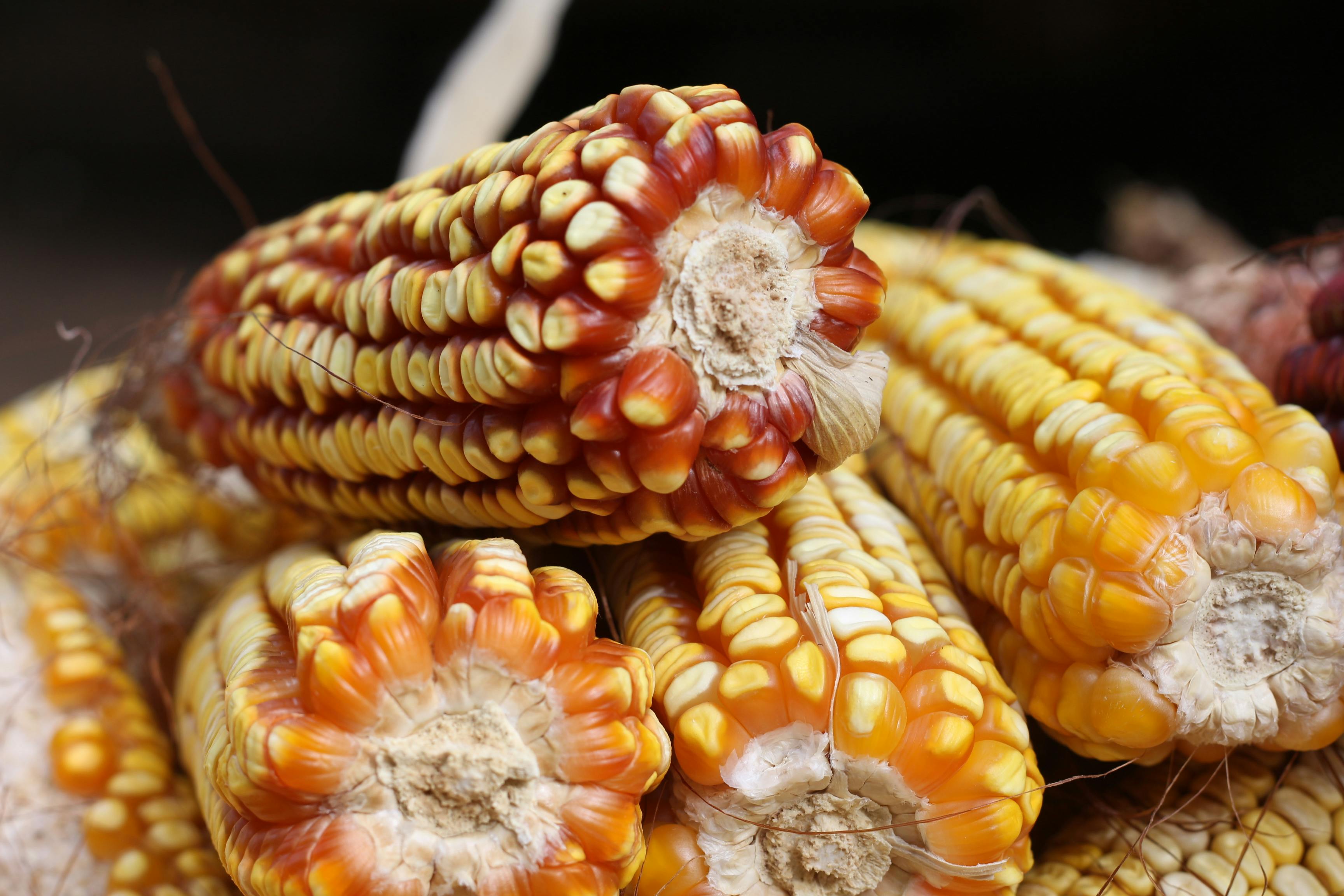
Kenya's agricultural sector, contributing over 30% to the GDP, faces significant challenges due to climate change. As rains become less predictable, farmers are shifting towards more sustainable and resilient crops. According to Kenya's Agricultural Research Institute (KARI), millet, a traditional cereal, proves ideal for arid and semi-arid regions. With soil fertility declining, sustainable practices have become crucial.
Key Insights or Strategies

Adopting Millet for Climate Resilience
- Select improved millet varieties that perform well under low rainfall conditions.
- Implement crop rotation and intercropping to enhance soil health.
- Use conservation tillage methods to prevent soil erosion.
Boost your yields with the Wallace Organic Wonder, Soluble Humic & Fulvic Acid Powder – available on Amazon.
Explore sustainable organic farming solutions with Biofarm KenyaCase Studies, Examples, or Comparisons
Farmers in Kakamega, Kenya, have successfully transitioned to millet, reporting increased yields with reduced water usage. According to FAO, millet cultivation has increased food security in these regions. The Ministry of Agriculture supports these efforts by providing resources and training for sustainable practices.
Common Mistakes to Avoid
Avoid over-fertilization, which can lead to soil degradation. Improper irrigation techniques may waste water resources. To ensure effectiveness:
Expert Tips or Best Practices
Consider implementing a mixed farming approach, combining crops with small livestock for soil enrichment. Position yourself for future growth and sustainability by leveraging data-driven agriculture techniques.Maintain healthy soil with Drammatic® Organic™ Fertilizer – available on Amazon.
Explore sustainable solutions with Biofarm KenyaFuture Trends or Predictions
The future of agriculture in Kenya includes smart irrigation and AI-driven crop monitoring systems. Vertical farming is also expected to gain traction, enabling farmers to maximize productivity on limited land.
Conclusion
As Kenyan farmers transition to millet, they benefit from drought resilience and efficient resource use. This shift underscores the importance of sustainable practices to counter climate change.
Discover trusted organic farming tools on Amazon and learn more about sustainable solutions with Biofarm Kenya.
FAQs
What is the best millet variety for Kenyan regions?
Finger millet is recommended for its high nutritional value and adaptability. KALRO offers extensive resources on millet varieties.
How can farmers reduce water usage in millet farming?
Adopting drip irrigation systems can significantly reduce water usage by 30%. Visit NEMA for environmental guides.
What role does soil testing play in millet farming?
Soil testing helps in understanding nutrient deficiencies and optimizes fertilizer application. KEBS provides soil testing standards.
Are there government incentives for sustainable farming in Kenya?
Yes, the Kenyan government offers incentives for adopting sustainable farming practices. Check Ministry of Agriculture for details.
Is organic farming viable for small-scale Kenyan farmers?
Organic farming is viable and encourages biodiversity, lower input costs, and healthy soils. Learn more through Biofarm Kenya.
What resources are available for farmers transitioning to millet?
Training from organizations like CSAEA equips farmers with knowledge on sustainable practices.
For more details and inquiries, explore the possibilities with Biofarm Kenya.

0 Comments