

Estimated Reading Time: 15 minutes
Better Pest Control with Biopesticides and Crop Diversification
TL;DR: Learn how Kenyan farmers can beat fall armyworm with biopesticides, intercropping, and mobile tools—>40% more effective than chemicals alone.
Key Takeaways:
1. Combining biopesticides and crop diversification offers effective pest control.
2. Mobile tools help monitor pest cycles efficiently.
3. Sustainable farming is cost-effective and eco-friendly.
4. Intercropping enhances soil health and crop resilience.
5. Rotate biopesticides for best results.
Background & Context
Key Insights or Strategies
Case Studies, Examples, or Comparisons
Common Mistakes to Avoid
Expert Tips or Best Practices
Future Trends or Predictions
Conclusion
FAQs
Background & Context
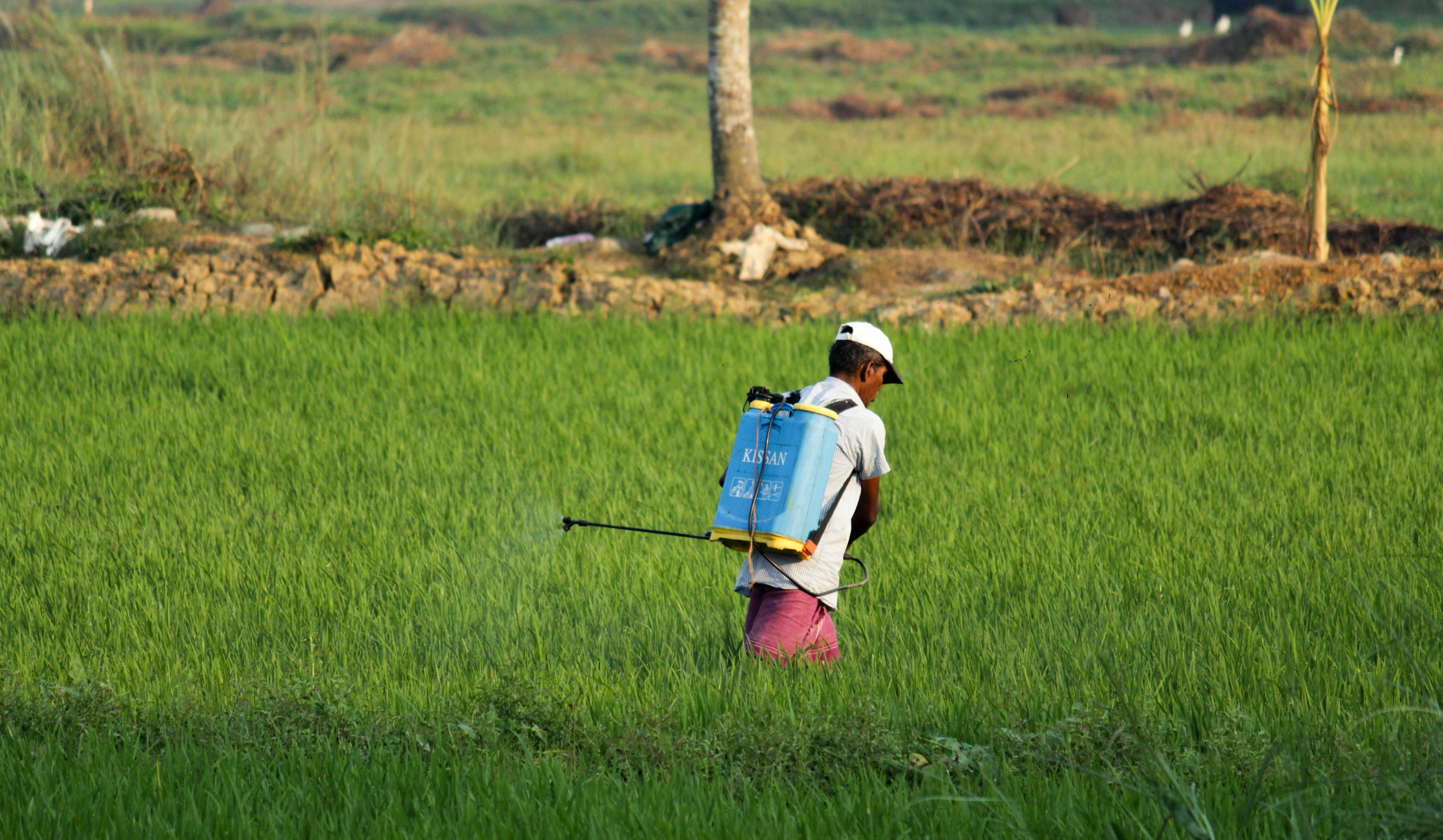
Sustainable agriculture has become a lifeline for many African countries, including Kenya. As fall armyworm infestations surge, there's a pressing need to move away from overreliance on chemical pesticides that can harm the ecosystem. Recent studies, such as from KALRO 2026, reveal that biopesticides like spinosad, combined with intercropping strategies, ensure more effective pest control, improving yields by 40%.
Key Insights or Strategies
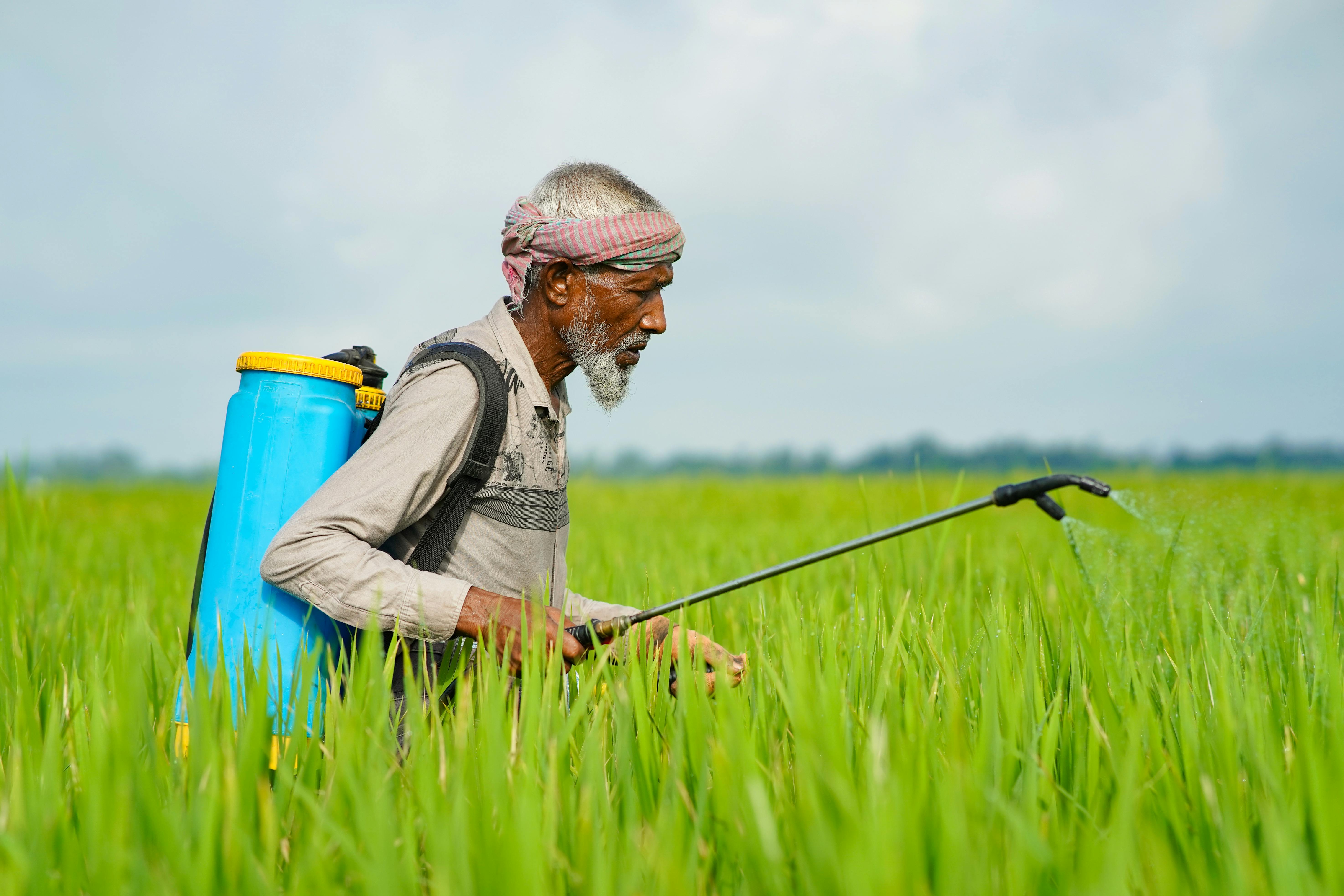
Use of Biopesticides
- Select biopesticides such as spinosad for less environmental impact.
- Rotate different types to prevent resistance.
- Integrate with pheromone traps for enhanced effect.
Boost your pest control efficiency with the CARPATHEN 50FT Drip Irrigation System – available on Amazon.
Explore sustainable organic farming solutions with Biofarm Kenya
Intercropping with Repellent Plants
- Use marigolds around crops to repel pests.
- Mix compatible crops to optimize space and yield.
- Rotate crops annually to maintain soil health.
Consider the use of organic fertilizers such as the Key To Life Fertilizer for further crop health enhancement.
Case Studies, Examples, or Comparisons
A successful example is seen in farmers using biopesticides and intercropping strategies in Central Kenya. Utilizing mobile pest-monitoring tools like iCow has allowed real-time reporting and effective response planning.
Common Mistakes to Avoid
- Overdependence on chemical pesticides can lead to pest resistance. Opt for biopesticides instead.
- Poor crop rotation practices can deplete soil nutrients. Rotate your crops annually for sustainable fertility.
- Inconsistent monitoring of pest populations can lead to infestations.
Expert Tips or Best Practices
- Regularly monitor pest populations using apps like iCow.
- Select crops suited to local climates for optimal growth.
- Enhance biodiversity on farms to improve resilience.
Maintain healthy soil with the Wallace Organic Wonder Fertilizer.
Learn more about sustainable solutions with Biofarm Kenya
Future Trends or Predictions
Innovations such as AI-driven crop monitoring, smart irrigation systems, and vertical farming are on the rise. As technology advances, these methods will become more widespread, offering new ways for farmers in Kenya to optimize productivity sustainably.
Conclusion
Embracing biopesticides and intercropping not only enhances pest management but also supports ecological and economic sustainability. Discover trusted organic farming tools on Amazon and learn more about sustainable solutions with Biofarm Kenya.
FAQs
Q1: What are biopesticides?
Biopesticides are derived from natural materials such as plants, bacteria, and minerals. They offer a more environmentally friendly option than synthetic pesticides. Learn more from the FAO.
Q2: How effective is crop rotation?
Crop rotation helps in maintaining soil fertility and preventing pest build-up. Read more about its efficacy at the NEMA site.
Q3: Can biopesticides prevent all pest infestations?
While they offer effective control, they work best when integrated with other practices like intercropping and pheromone traps. Refer to KEPHIS for detailed insights.
Q4: What mobile tools are available for pest monitoring?
Tools like iCow provide real-time monitoring and reporting features. Check iCow for more information.
Q5: Why is intercropping beneficial?
Intercropping increases biodiversity, enhances soil health, and reduces pest incidence. More details at the Biofarm Kenya website.
Q6: What are the costs involved in switching to sustainable farming?
Initial setup may be costly, but long-term savings in pesticide and fertilizer costs make it economical. For financing options, visit the KALRO.





0 Comments