

Estimated Reading Time: 12 minutes
TL;DR: Discover how Kenyan farmers can improve soil fertility and reduce fertilizer costs by 30-50% using leguminous cover crops. Explore drought-tolerant varieties adapted to local climates, plant during fallow periods, and use crop residue to enhance organic matter. For sustainable solutions, consider incorporating innovative farming techniques and eco-friendly tools.Key Takeaways:- Select drought-tolerant legume crops suitable for Kenya's climate.
- Plant cover crops during fallow periods to naturally fix nitrogen.
- Incorporate crop residue to increase organic matter and soil health.
- Stay informed about trends in sustainable agriculture and implement advanced tools.
- Explore partnerships with experts like Biofarm Kenya for sustainable farming solutions.
- Introduction
- Background & Context
- Key Insights or Strategies
- Case Studies, Examples, or Comparisons
- Common Mistakes to Avoid
- Expert Tips or Best Practices
- Future Trends or Predictions
- Conclusion
- FAQs
Introduction
Sustainable agriculture is crucial for Kenyan farmers who are seeking affordable soil fertility solutions. Increasingly, farmers are replacing expensive chemical fertilizers with eco-friendly leguminous cover crops like cowpeas and clovers. By embracing these practices, farmers can naturally improve soil health while cutting costs, with data showing a potential 30-50% reduction in fertilizer expenses. Focused on drought-tolerant legumes like those recommended by KALRO 2025, Kenyan farmers use these crops to adapt to local climates, enhancing soil fertility during fallow periods.
Background & Context
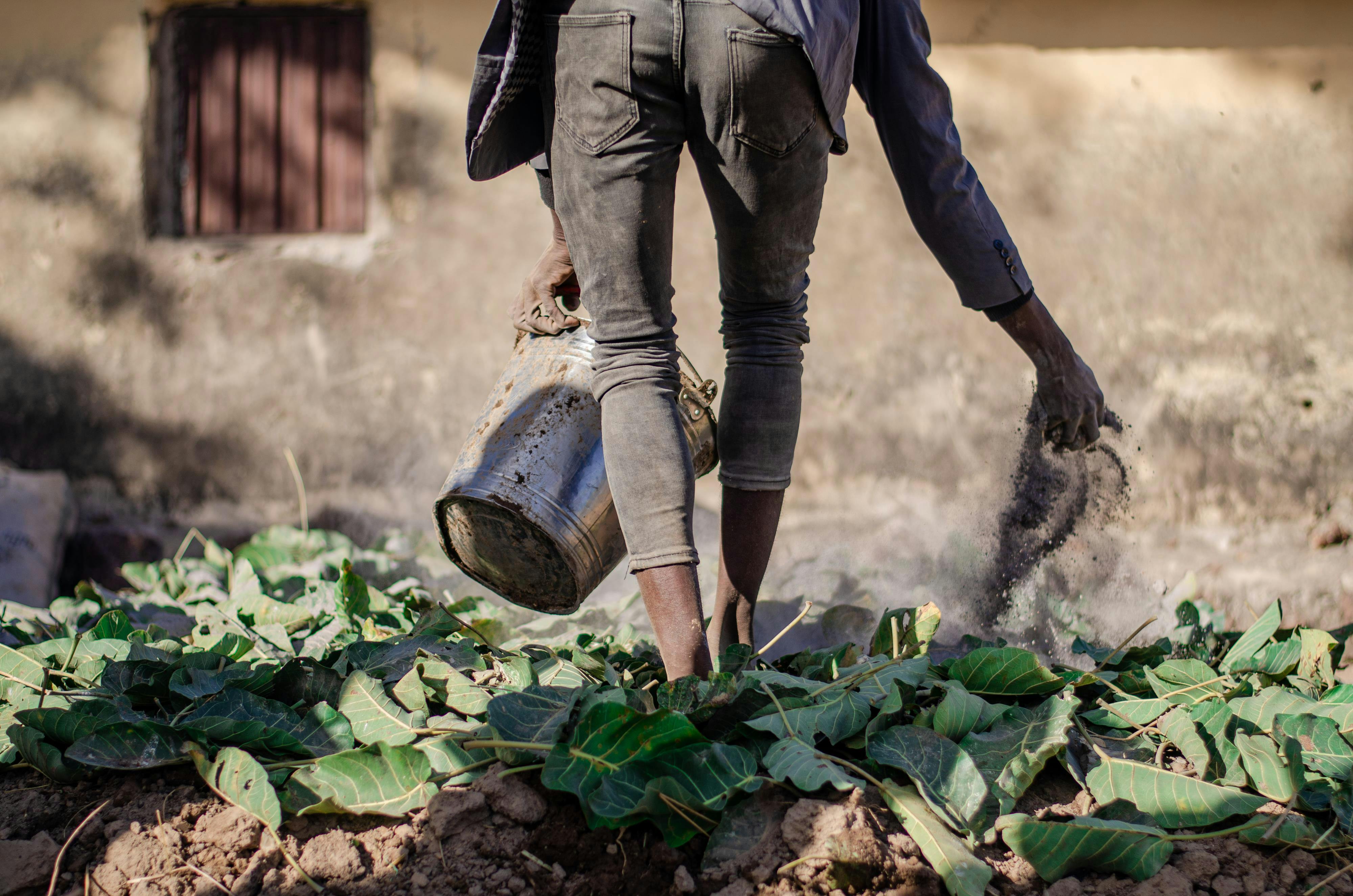
Kenya's agricultural sector faces significant challenges, including erratic rainfall and soil degradation. With agriculture employing over 70% of the population (source: FAO), sustainable practices are vital for food security and economic stability. The adoption of organic farming techniques and improved soil management can significantly contribute to enhanced crop yields and profitability.
Key Insights or Strategies
1. Selecting Suitable Leguminous Crops
Choosing the right leguminous cover crops is essential for Kenyan farmers. Consider varieties like cowpeas and clover, known for their adaptability to Kenyan climates. These crops improve nitrogen fixation, crucial for enriching soil fertility naturally.
2. Timing and Planting Strategies
Planting during fallow periods maximizes nitrogen fixation, allowing farmers to benefit from natural soil enrichment without added chemical fertilizers.
- Identify suitable fallow periods based on local climate conditions.
- Ensure proper crop rotation to maintain soil balance.
- Integrate cover crops with regular crop cycles for optimal benefits.
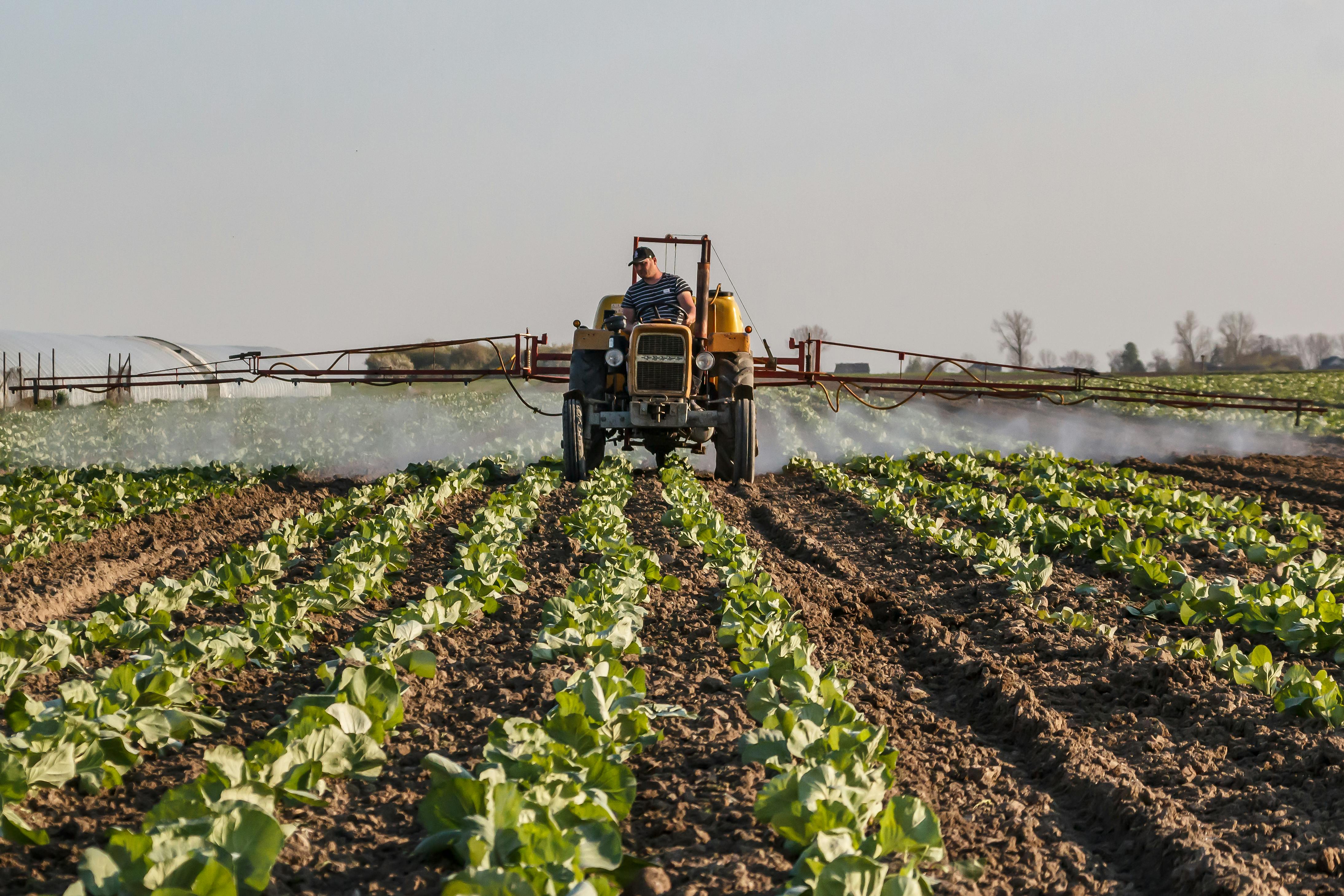
Enhance productivity with the CARPATHEN Drip Irrigation System Kit – available on Amazon.
Explore sustainable organic farming solutions with Biofarm Kenya
Case Studies, Examples, or Comparisons
Farmers in Siaya County, Kenya, have successfully used organic waste to produce high-quality fertilizers. This process not only reduces costs but also enhances crop quality, as demonstrated by the thriving fruit orchards using these techniques (source: The Organic Farmer).
Common Mistakes to Avoid
- Over-reliance on chemical fertilizers that degrade soil health over time.
- Incorrect timing of cover crop planting can result in inefficient nitrogen fixation.
- Neglecting crop rotation leads to nutrient depletion and pest infestations.
Expert Tips or Best Practices
Utilize expert-recommended practices for optimal results:
- Regularly test soil to understand nutrient levels and adjust practices accordingly.
- Maintain soil health with organic matter like compost and green manures.
- Consider using the Rapitest Soil Test Kit – available on Amazon for precise soil management.
Renew your farming approach by partnering with Biofarm Kenya.
Future Trends or Predictions
Kenya's agricultural future includes advancements in smart irrigation, vertical farming, and AI-driven crop monitoring. These technologies promise to enhance efficiency and resilience against climate challenges, making it crucial for farmers to stay informed and adapt to new methodologies.
Conclusion
Embrace sustainable soil fertility solutions today by adopting leguminous cover crops like cowpeas and clover. These practices not only enhance soil health but also significantly cut fertilizer costs. Discover more tools for successful farming on Amazon and learn more about sustainable solutions with Biofarm Kenya.
FAQs
- What are the benefits of using cover crops?
Cover crops improve soil fertility, reduce erosion, and enhance moisture retention. Learn more from FAO here. - How do legumes fix nitrogen?
Legumes establish symbiotic relationships with root-nodulating bacteria that convert atmospheric nitrogen into a form plants can absorb. Discover details at NHM. - What are some drought-resistant legume varieties for Eastern Africa?
Popular varieties include green grams and pigeon peas. KALRO offers additional resources here. - Why is crop rotation important?
Crop rotation prevents nutrient depletion and helps manage pests and diseases. Further reading is available at NEMA. - How do I know if my soil is healthy?
Conduct regular soil tests using kits for pH, nitrogen, and other nutrients. Get details from KEBS. - Are farming innovations cost-effective?
Yes, adopting smart techniques increases yield and reduces input costs. Read more about sector advancements at Biofarm Kenya.



0 Comments