

Estimated Reading Time: 10 minutes
TL;DR: 1) Adopting Integrated Pest Management (IPM) techniques can reduce pesticide resistance. 2) Kenyan farmers using IPM saw a 22% increase in maize yields. 3) Steps include planting beneficial insect habitats, using pheromone traps, and rotating crops. 4) Consider tools like the Dramm Drammatic® Organic™ Fertilizer. 5) Explore sustainable organic farming solutions with Biofarm Kenya.Key Takeaways:- Use Integrated Pest Management (IPM) to increase crop yields by up to 22%.
- Implement beneficial insect habitats to attract natural predators.
- Early detection of pests through pheromone traps can save costs.
- Crop rotation is crucial in disrupting pest life cycles.
- Access valuable resources through Biofarm Kenya.
Background & Context
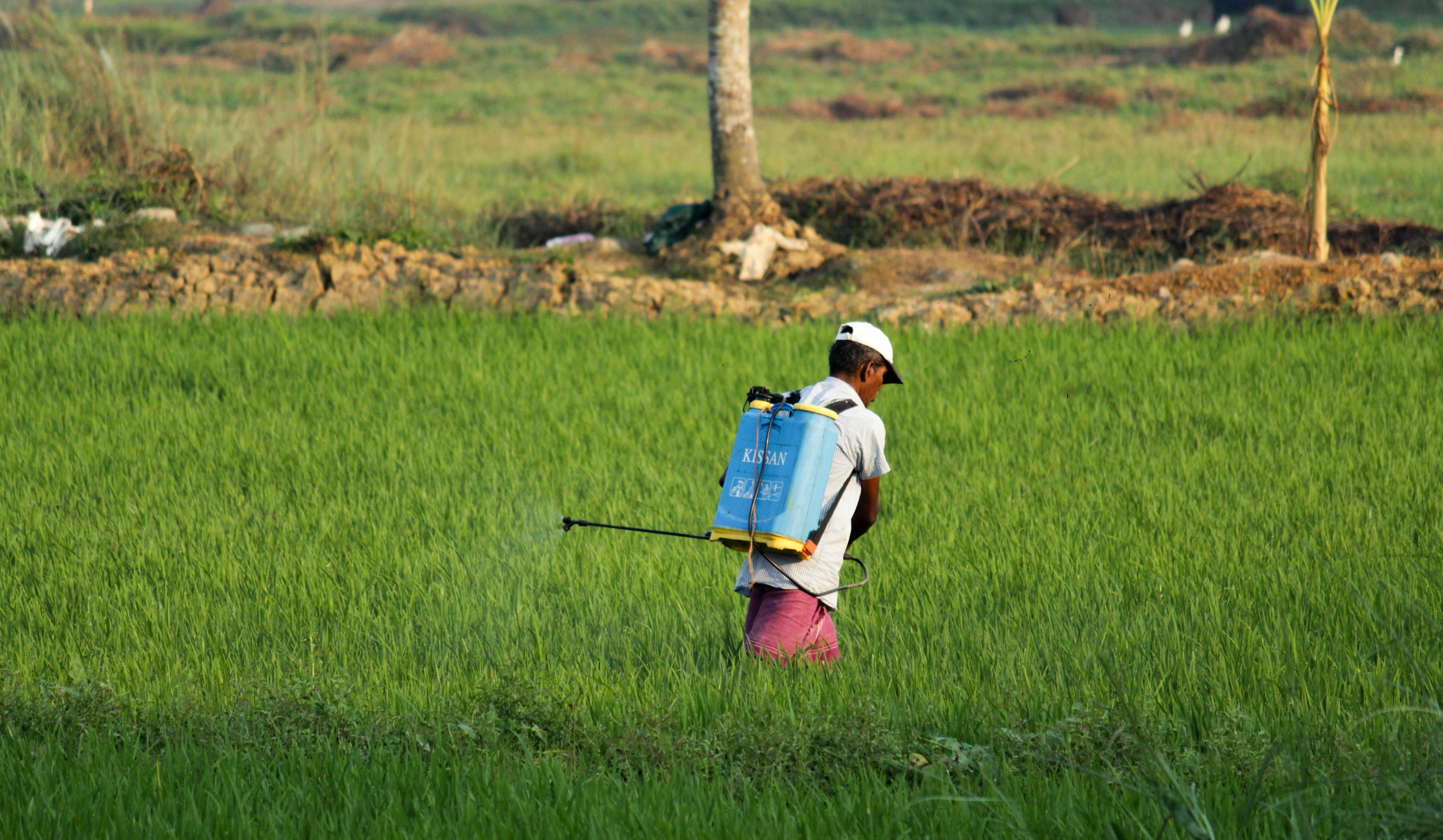
Integrated Pest Management (IPM) offers a sustainable solution for Kenyan farmers dealing with declining pesticide efficacy due to growing resistance. A 2025 KARI study demonstrated enhanced maize yields by 22% for IPM adopters. Emphasis on agroecology has driven significant growth in Kenya’s agribusiness, with adaptable techniques ensuring resilience against climatic changes.
Key Insights or Strategies

1. Establish Beneficial Insect Habitats
Planting flowers like marigolds attracts ladybugs, which act as natural pest predators. This reduces reliance on chemical pesticides and maintains ecological balance. Consider boosting your efforts with the DRAMM Plant Food.
2. Use Pheromone Traps
Pheromone traps can monitor pest population levels and provide an early warning system for infestations. This proactive measure saves costs and reduces chemical inputs.
3. Rotate Crop Families
Rotating crops disrupts pest life cycles and improves soil health. For optimal soil condition, utilize the MySoil Test Kit for accurate soil analysis.
Explore sustainable organic farming solutions with Biofarm Kenya
Case Studies, Examples, or Comparisons
A successful case in Nyandarua County involved smallholders enhancing yields through climate-smart agriculture. Sources like GitLab Foundation highlight these innovations.
Common Mistakes to Avoid
- Overusing Pesticides: Leads to resistance and affects biodiversity. Replace with integrated strategies.
- Ignoring Soil Health: Regular testing and balanced nutrient application prevent depletion.
- Inconsistent Watering: Use reliable systems like the MIXC Drip Irrigation System.
Expert Tips or Best Practices
- Soil Maintenance: Apply Organic Fertilizer regularly for nutrients.
- Correct Mulching Techniques: Helps retain moisture and suppress weeds.
Stay informed with Biofarm Kenya for continuous updates on strategies and products.
Future Trends or Predictions
Emerging trends such as AI-driven crop monitoring and smart irrigation systems are set to revolutionize Kenyan agriculture, offering data-driven insights for maximizing productivity.
Conclusion
Applying IPM techniques empowers Kenyan farmers with sustainable options, increasing resilience and productivity. Discover trusted organic farming tools on Amazon and learn more about sustainable solutions with Biofarm Kenya.
FAQs
- What are the core steps in IPM? - Establish habitats, monitor pests with traps, and rotate crops. Learn more at FAO.
- How does IPM enhance yields? - By reducing competition from pests, crops can grow more robustly. Details at NEMA.
- Are there affordable tools for IPM? - Yes, tools like pheromone traps and soil testers are available. Explore options on Amazon.
- Why is crop rotation important? - To break pest and disease cycles. Discover methodologies at KARI.
- How can farmers transition to IPM? - Start with a soil test and implement incremental changes. Consult Biofarm Kenya.
- Is IPM environmentally friendly? - Yes, it reduces chemical use and supports biodiversity. Check more with the Ministry of Environment.



0 Comments