

Estimated Reading Time: 10 minutes
TL;DR: Discover how Kenyan farmers are leveraging conservation agriculture to achieve 30% higher maize yields during droughts. Key techniques like zero-tillage, cover cropping, and mulching improve soil health and water retention.
Key Takeaways
- Adopting zero-tillage, cover cropping, and mulching can increase maize yields by up to 30% during droughts in Kenya.
- Use leguminous cover crops and organic mulch to enhance soil fertility and moisture retention.
- Conservation agriculture helps combat erratic rainfall and soil degradation in Kenyan farms.
Introduction
In recent years, Kenyan farmers have increasingly turned to conservation agriculture to combat erratic rainfall and soil degradation. This guide offers training in zero-tillage techniques, cover cropping, and mulching, which have been shown to improve water retention and soil fertility. A study by the Kenya Agricultural & Livestock Research Organization (KALRO) in 2025 found that farms adopting these methods saw 30% higher maize yields during droughts compared to conventional plowing.
Background & Context
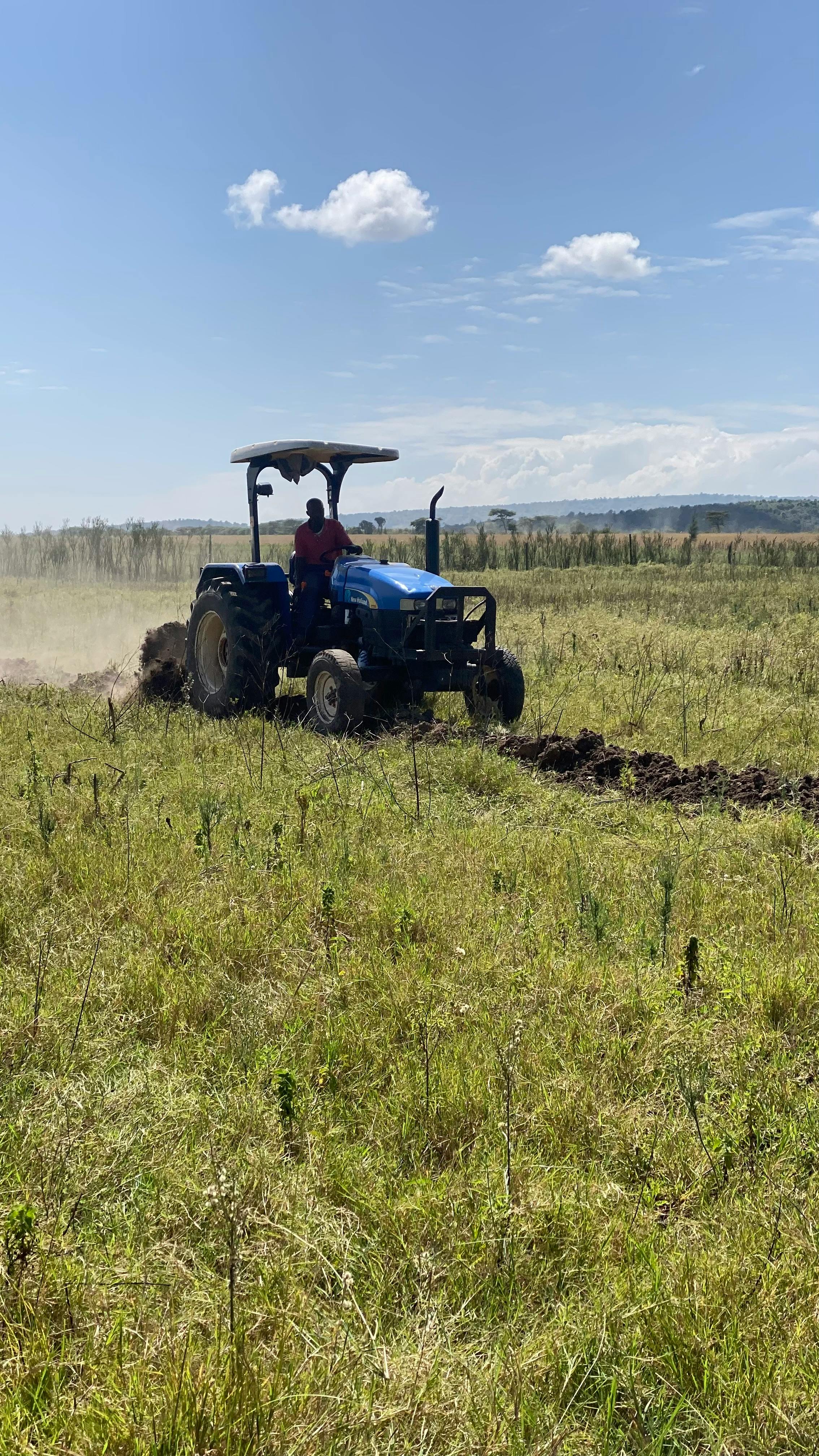
Conservation agriculture is pivotal in boosting agribusiness across Kenya and East Africa. With an increasing focus on sustainability, Kenyan agriculture is transforming through smart farming innovations, backed by key stakeholders including the FAO and the Ministry of Agriculture. The use of organic fertilizers, smart irrigation systems, and soil testing kits help mitigate climate challenges and enhance productivity.
Key Insights or Strategies
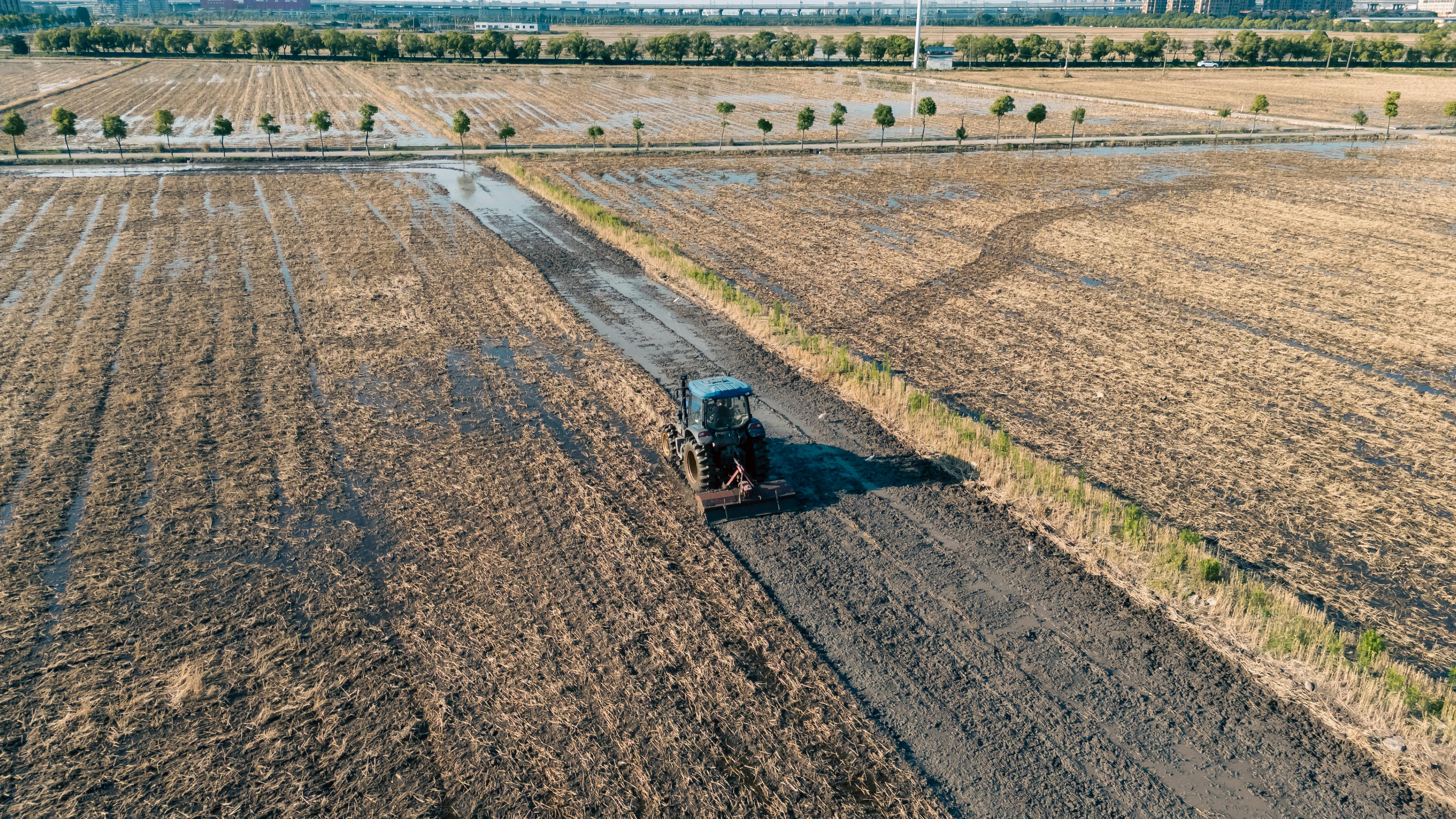
1. Implement Zero-Tillage Techniques
- Minimize soil disturbance using appropriate tillage tools.
- Retain crop residues on the soil surface.
- Reduce erosion and improve soil structure.
Boost your yields with the Drip Irrigation Kit – available on Amazon. Consider sustainable farming aids like these to maximize moisture retention.
Explore sustainable organic farming solutions with Biofarm Kenya
2. Use Cover Cropping Techniques
- Choose leguminous cover crops to fix nitrogen naturally.
- Enhance soil fertility and suppress weeds.
- Reduce inputs of chemical fertilizers.
Explore the complete garden drip irrigation system – available on Amazon.
Case Studies, Examples, or Comparisons
In Laikipia District, the adoption of conservation agriculture has yielded significant improvements. According to the African Conservation Tillage Network, farms in this region reported 30% higher yields in maize when employing conservation agriculture techniques. Their findings align with results observed in neighboring Siaya District where farmer education on sustainable practices is driven through local NGOs and supported by global partners like the Food and Agriculture Organization (FAO).
Common Mistakes to Avoid
- Over-tilling which can degrade soil structure.
- Ignoring crop rotation and diversity, leading to nutrient depletion.
- Using non-organic mulch that can introduce contaminants to the soil.
Expert Tips or Best Practices
Maintain healthy soil with Organic Blood Meal Fertilizer – available on Amazon. Additionally, implement systems that allow for continuous assessment of soil health using MySoil Soil Test Kit on Amazon. These tools support sustainable farming practices, ensuring long-term productivity. Explore sustainable solutions with Biofarm Kenya for more tips and resources.
Future Trends or Predictions
Sustainable farming innovations such as smart irrigation systems and AI-driven crop monitoring are expected to become more prevalent within the next decade. Kenya is poised to adopt these technologies rapidly, benefiting from a youthful agripreneurial demographic and an increasing global focus on sustainable practices.
Conclusion
Conservation agriculture offers viable solutions for improving maize yields in Kenya. Combining zero-tillage, cover cropping, and mulching can lead to sustainable outcomes and long-term farm viability. Discover trusted organic farming tools on Amazon and learn more about sustainable solutions with Biofarm Kenya.
FAQs
- What is zero-tillage in conservation agriculture? Zero-tillage involves minimal soil disturbance and retaining organic matter on the soil surface. Learn more from FAO.
- How do cover crops improve soil health? Cover crops fix nitrogen, control erosion, and suppress weeds, enhancing overall soil fertility. See NEMA guidelines.
- What are the best types of mulches for drought-prone areas? Organic mulches like straw and maize residues are effective for moisture conservation. Find more on Biofarm Kenya.
- What is the impact of conservation agriculture on biodiversity? It enhances biodiversity by promoting a healthier ecosystem with diverse plant species. Check KEBS standards.
- How can I start practicing conservation agriculture? Begin with minimal soil disturbance and gradually integrate other techniques. ACT Network provides resources.
- What are the economic benefits of conservation agriculture? Increased yields and reduced inputs contribute to higher profitability. Visit the Ministry of Agriculture for details.




0 Comments