

Estimated Reading Time: 11 minutes
TL;DR: Agroforestry and organic mulching can enhance soil fertility and boost crop yields sustainably. By integrating nitrogen-fixing trees and organic methods, farmers can increase maize production by 30%, reduce dependence on synthetic fertilizers, and improve overall soil health. Optimize tree-crop spacing and use compost tea for best results.
Key Takeaways:
- Adopt agroforestry with nitrogen-fixing trees like Faidherbia albida.
- Incorporate organic mulching to enhance soil fertility naturally.
- Implement compost tea applications to improve soil organic matter.
- Optimize tree-crop spacing for better yield.
- Use drip irrigation systems to conserve water and efficiently water crops.
Background & Context
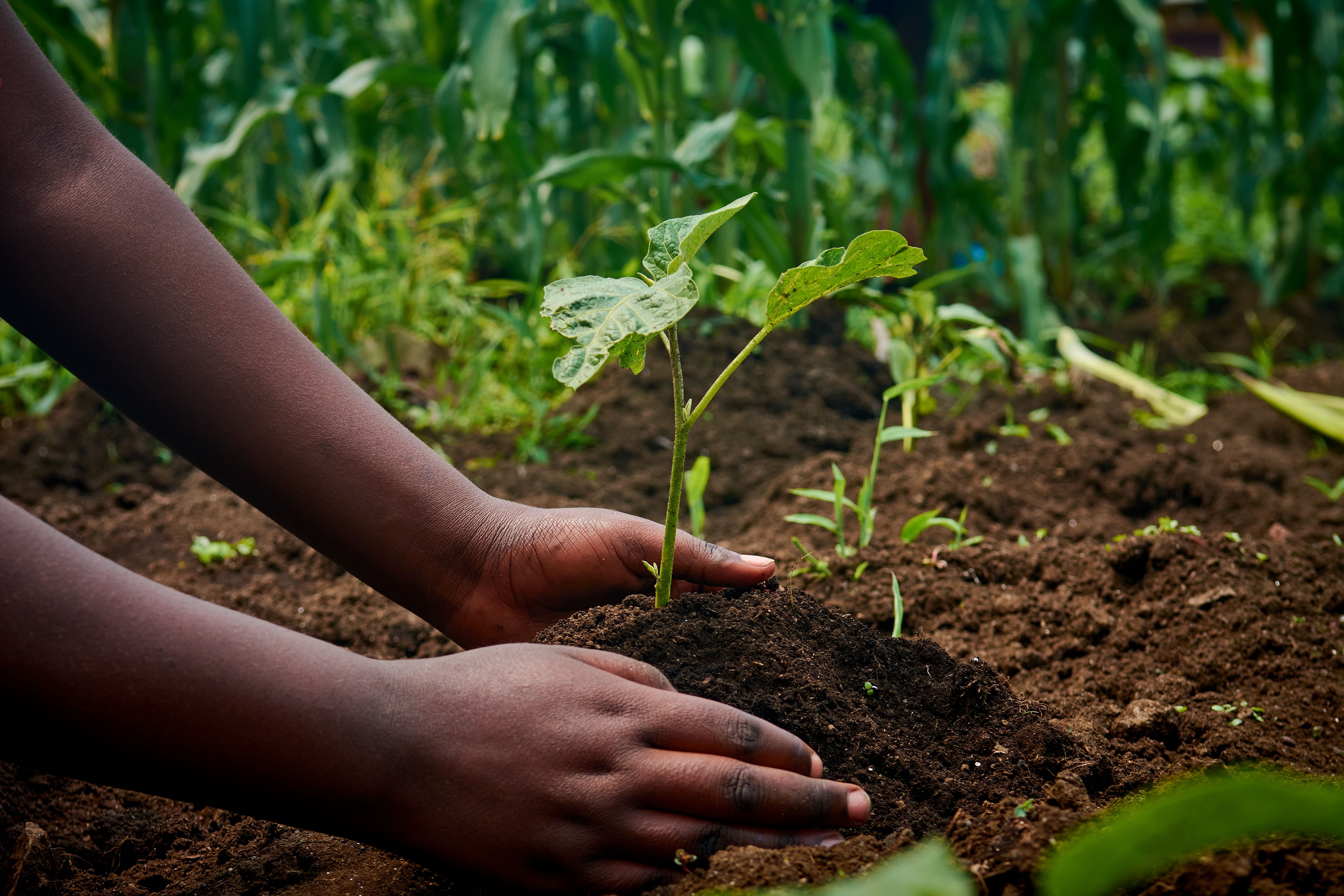
Sustainable agriculture is gaining momentum in Kenya, driven by the dual pressures of rising input costs and climate stress. Farmers increasingly seek sustainable soil fertility solutions. This guide focuses on agroforestry using nitrogen-fixing trees, such as Faidherbia albida, and organic mulching to replace synthetic fertilizers. According to KALRO 2025, these methods can boost maize yields by 30% while restoring soil organic matter.
Key Insights or Strategies

Agroforestry Techniques
- Plant nitrogen-fixing trees strategically across the farm.
- Ensure appropriate tree-crop spacing to avoid competition for resources.
- Regularly monitor plant health and soil conditions.
Enhance your farming efficiency with the CARPATHEN Drip Irrigation System, which conserves water while supporting sustainable farming practices.
Organic Mulching
- Use crop residues and green manure to cover soil.
- Maintain a regular mulching schedule to prevent soil erosion.
- Combine mulching with compost tea applications for best results.
Consider using Wallace Organic Wonder to enhance soil organic matter effectively.
Explore sustainable organic farming solutions with Biofarm Kenya
Case Studies, Examples, or Comparisons
In Kenya, the integration of agroforestry and organic mulching has shown significant success. An example is the Ministry of Agriculture's partnership with local farmers to promote environment-friendly practices. According to FAO, these initiatives significantly contribute to food security and climate resilience.
Common Mistakes to Avoid
- Overcrowding trees, which can lead to competition for nutrients and reduced crop yield.
- Insufficient mulching, leaving soil exposed to erosion.
- Misalignment of tree-crop spacing, causing poor plant growth.
- Neglecting regular soil health assessments to ensure optimal nutrient levels.
Expert Tips or Best Practices
To maximize productivity, regularly test your soil using the 2026 New 4-in-1 Soil Test Kit. This ensures appropriate soil management, crucial for sustainable farming.
For enriching soil naturally, try Blood Meal for premium nutrition.
Implement smart irrigation techniques to conserve water resources and optimize plant growth.
Explore sustainable organic farming solutions with Biofarm Kenya
Future Trends or Predictions
Looking ahead, precision agriculture will transform farming through AI-driven crop monitoring and smart irrigation systems. Vertical farming and aquaponics may also play bigger roles in food production, especially in urban areas.
Conclusion
Adopting agroforestry and organic farming methods provides substantial benefits, including cost savings, increased yields, and improved soil health. Embrace these sustainable solutions with the right tools and partnerships like Biofarm Kenya.
Discover trusted organic farming tools on Amazon and learn more about sustainable solutions with Biofarm Kenya.
FAQs
- What is agroforestry? Agroforestry integrates trees and shrubs into crop and livestock farming systems to improve biodiversity, reduce erosion, and enhance resilience. Learn more about agroforestry from FAO.
- How does organic mulching benefit soil? Organic mulching improves moisture retention, suppresses weeds, and enhances soil fertility by decomposing into nutrient-rich organic matter. Read more on CABI.
- What are nitrogen-fixing trees? These trees convert atmospheric nitrogen into a form that plants can absorb, enriching the soil. Explore resources on nitrogen-fixing trees from ICRAF.
- How effective is compost tea? Compost tea can enhance soil microbial life, nutrient cycling, and pest resistance. For detailed insights, visit the Penn State Extension.
- Why optimize tree-crop spacing? Proper spacing prevents competition for resources and maximizes photosynthesis. Learn more on tree-crop spacing from KALRO.
- Where can I find more resources on sustainable farming? Visit Biofarm Kenya for comprehensive guides and partnerships.





0 Comments