

Estimated Reading Time: 12 minutes
TL;DR: Integrated Pest Management (IPM) offers a sustainable approach to combat Fall Armyworm (FAW) in Kenya, significant for maintaining maize—a staple crop. This guide emphasizes biological methods, cultural practices, and early monitoring.Key Takeaways:- Early monitoring using pheromone traps can prevent infestations.
- Neem-based sprays and natural predators are effective against FAW.
- Crop rotation and crop residue management disrupt pest life cycles.
Table of Contents
- Introduction
- Background & Context
- Key Insights or Strategies
- Case Studies, Examples, or Comparisons
- Common Mistakes to Avoid
- Expert Tips or Best Practices
- Future Trends or Predictions
- Conclusion
- FAQs
Introduction
Kenya faces significant challenges with Fall Armyworm (FAW), a destructive pest causing up to 70% crop loss in maize, the country's staple food. Traditional chemical pesticides are now deemed ineffective and environmentally damaging. Farmers are looking for practical and sustainable alternatives. Integrated Pest Management (IPM) emerges as a promising approach to manage FAW in an eco-friendly manner.
Background & Context
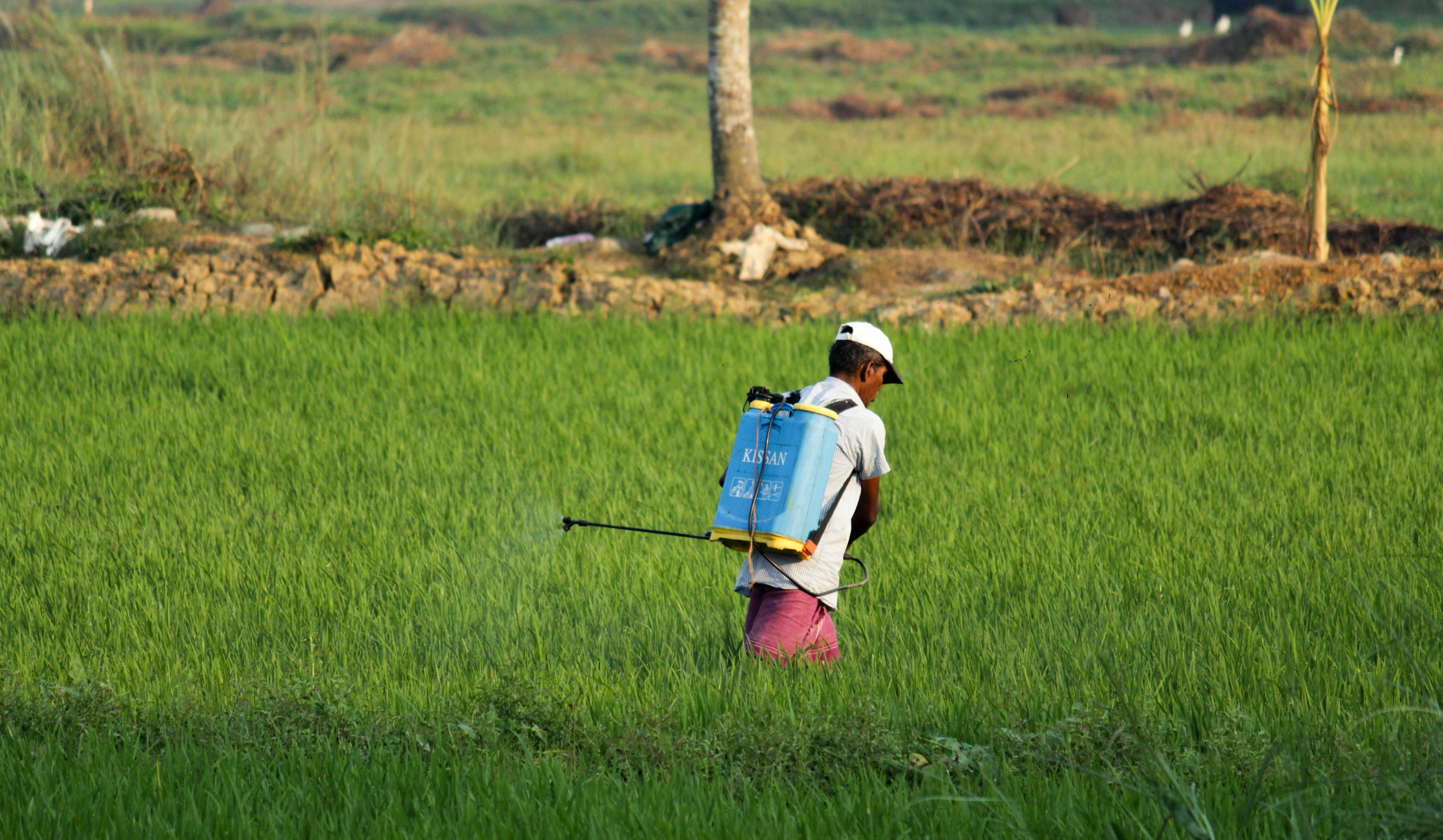
Organic farming and agribusinesses in Kenya have been on the rise, with over 200,000 farmers adopting organic agriculture practices. This shift not only promotes sustainability by improving soil health but also enhances biodiversity.
Key Insights or Strategies
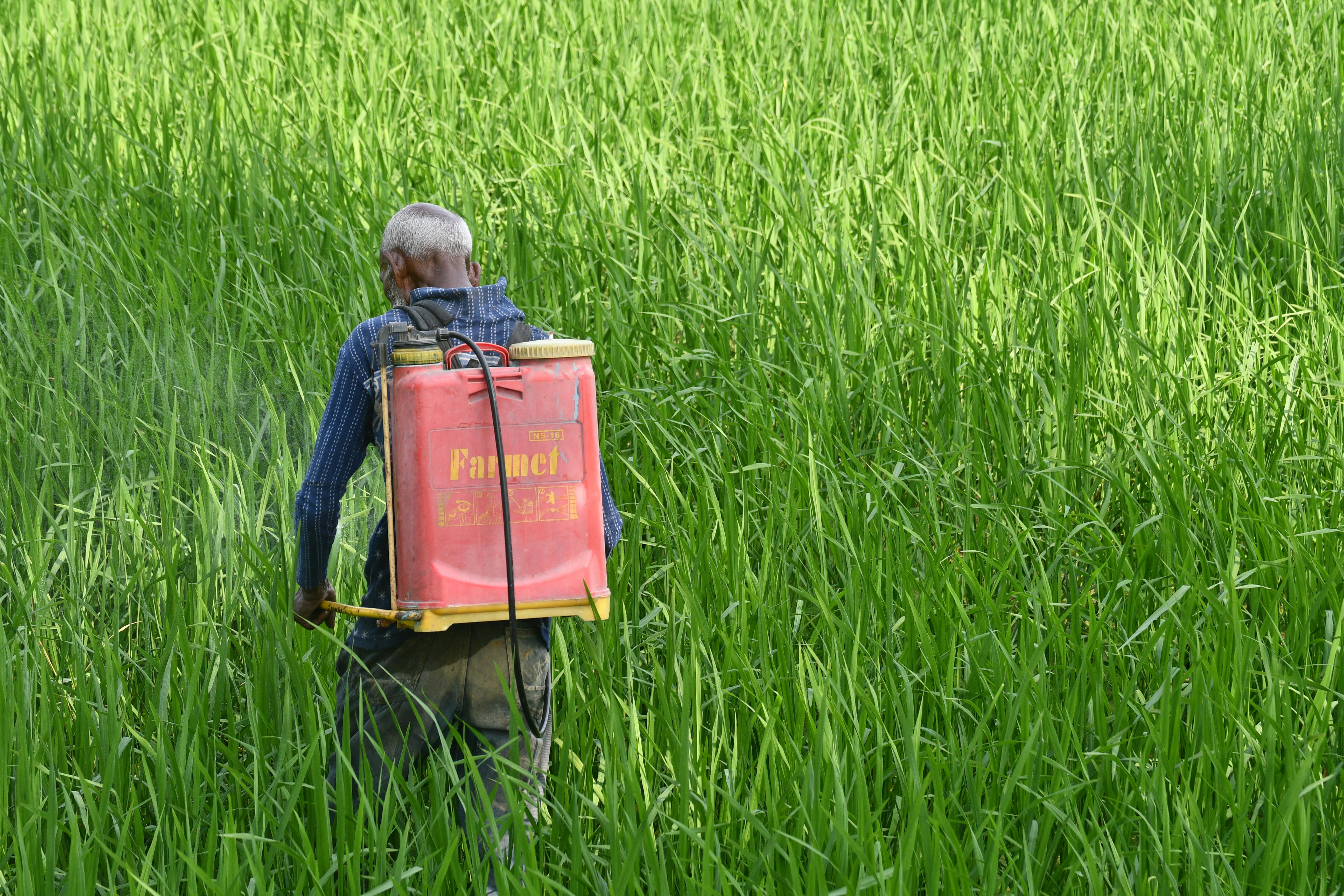
Early Scouting and Monitoring
- Utilize pheromone traps to detect FAW presence early.
- Regularly monitor crops for larvae and damage signs.
- Implement timely interventions to curb infestations.
Biological Control Methods
- Apply neem-based sprays to deter pests naturally.
- Encourage natural predators like parasitic wasps in fields.
- Intercrop with push-pull plants like Desmodium.
Boost your garden's health with the Espoma Organic Tomato-Tone Fertilizer – available on Amazon.
Explore sustainable organic farming solutions with Biofarm Kenya.
Case Studies, Examples, or Comparisons
A FAO initiative in collaboration with the Kenya Agricultural and Livestock Research Organization (KALRO) is fostering biological control through farmer field schools. Successful trials have shown a notable reduction in FAW using IPM strategies.
Common Mistakes to Avoid
- Overreliance on chemical pesticides can promote resistance.
- Poor field hygiene allows pest lifecycle continuation.
- Ignoring early warnings can lead to severe infestations.
Expert Tips or Best Practices
For efficient moisture management, use the 100FT Drip Irrigation System Kit – available on Amazon.
Explore sustainable organic farming solutions with Biofarm Kenya.
Future Trends or Predictions
Emerging innovations like smart irrigation and AI-driven crop monitoring are becoming integral parts of sustainable farming. Such technologies promise greater efficiency and resilience against pests like FAW.
Conclusion
Explore the right farming tools for your needs with Amazon and learn more about sustainable solutions with Biofarm Kenya.
FAQs
What is Fall Armyworm?
FAW is a pest native to the Americas, but it has spread globally, causing significant crop damage, especially in maize. For more details, visit the FAO website.
What biological controls can be used for FAW?
Natural predators like wasps and ants have proven effective against FAW outbreaks. For further insights, refer to research by KALRO.
How do pheromone traps help?
They aid in early detection by attracting adult moths, allowing farmers to act before larvae infestation. Learn more from the Biovision.
Are there any cultural practices beneficial for FAW management?
Yes, crop rotation and intercropping with Desmodium disrupt their lifecycle. More insights available at Infonet Biovision.
What are the chemical interventions for FAW?
While chemical pesticides exist, resistance is a growing concern. Consider integrated approaches for sustainability. For detailed guidelines, check FAO.
How does climate change impact FAW spread?
Climate change can exacerbate FAW spread due to altered weather patterns. For further reading, explore NEMA.


0 Comments