

Kenya Avocado Boom Hides Farmer Exploitation
Estimated Reading Time: 12 minutes
Introduction: The Green Gold's Tarnished Luster
The global appetite for avocados has exploded, transforming the creamy, nutrient-rich fruit into a coveted commodity often dubbed 'green gold.' Kenya, with its fertile highlands and ideal climate, has rapidly emerged as a powerhouse in this booming industry, now ranking among the world's top avocado producers. This surge has brought significant export revenue, making avocados Kenya's leading fruit export and a vital source of income for many. However, beneath the gleaming facade of record exports lies a starker reality. We must **uncover the hidden truth behind Kenya's avocado boom** and confront the systemic issues that threaten its sustainability. Small farmers, the backbone of this agricultural success, face rampant exploitation, battling against opaque market structures and a looming water crisis that jeopardizes both their livelihoods and the ecological balance of their communities. This article delves into these critical challenges, offering insights and strategies for fostering a more equitable and environmentally sound avocado industry in Kenya.Background & Context: The Rise of Kenya's Avocado Empire
Kenya's journey into the avocado limelight began in the early 20th century, but it wasn't until the 21st century's surge in global demand that its potential truly crystallized. Today, the nation boasts extensive avocado orchards, primarily cultivating Hass and Fuerte varieties, with Hass dominating the export market. The vast majority of Kenya's avocado production, approximately 70-85%, comes from an estimated 150,000 to 200,000 smallholder farmers, each typically managing about two acres of land (IFPRI). This small-scale farming structure is a double-edged sword: it empowers numerous households but also exposes them to greater vulnerabilities.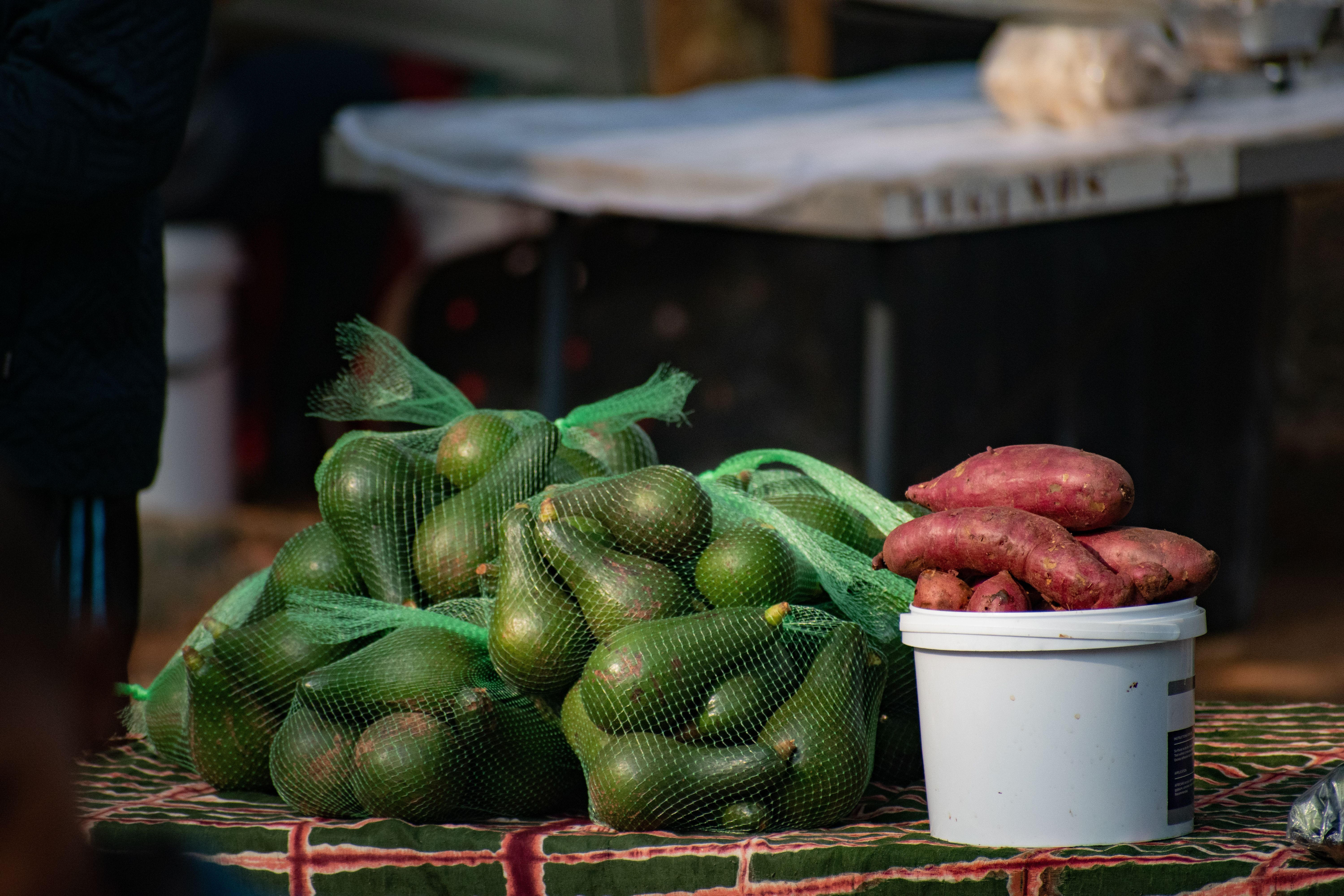 Despite Kenya being the world's third-largest avocado producer, only about 10% of its total avocado production is exported, a stark contrast to countries like Chile and South Africa, which export 55% and 60% respectively (IFPRI). This gap highlights significant inefficiencies and barriers preventing smallholders from accessing lucrative international markets. The allure of high profits has also attracted larger commercial players, intensifying competition for land and water resources. The average avocado requires between 70 to 320 liters of water to grow a single fruit, a figure that underscores the immense pressure placed on local water supplies, especially in regions heavily reliant on rain-fed agriculture where rainfall patterns are becoming increasingly unpredictable due to climate change (GreenMatch).
Key Insights or Strategies: Unmasking the Avocado Paradox
The rapid expansion of avocado farming in Kenya, while economically beneficial at a national level, has created a complex paradox for the very farmers who drive its success. **Uncover the hidden truth behind Kenya's avocado boom** by understanding the systemic issues hindering smallholder prosperity and environmental health.The Exploitation of Smallholder Farmers
Many small-scale farmers operate in a precarious position, often lacking direct access to premium export markets. This forces them to rely on exploitative middlemen who purchase their produce at significantly reduced prices, eroding their profits. They also contend with high harvesting and transport costs, limited access to credit, and a lack of quality planting materials and agronomic training. The absence of robust farmer organizations also weakens their collective bargaining power. Reports from organizations like the Food Empowerment Project have even highlighted allegations of human rights abuses on some large commercial farms, including violence against local communities, further tainting the industry's image (Food Empowerment Project).The Looming Water Crisis and Environmental Degradation
The immense water footprint of avocado cultivation poses a critical environmental challenge. With rainfall becoming increasingly erratic, the demand for irrigation is soaring, leading to the depletion of groundwater resources. This not only impacts the ecosystem but also creates severe water scarcity for local communities and other agricultural needs. Beyond water, monoculture farming—the practice of growing a single crop repeatedly—depletes soil nutrients, necessitating heavy reliance on chemical fertilizers and pesticides. These chemicals can contaminate waterways and harm biodiversity, including crucial pollinators. Deforestation is another concern, as forests are sometimes cleared to make way for new avocado orchards, further contributing to climate change and soil erosion.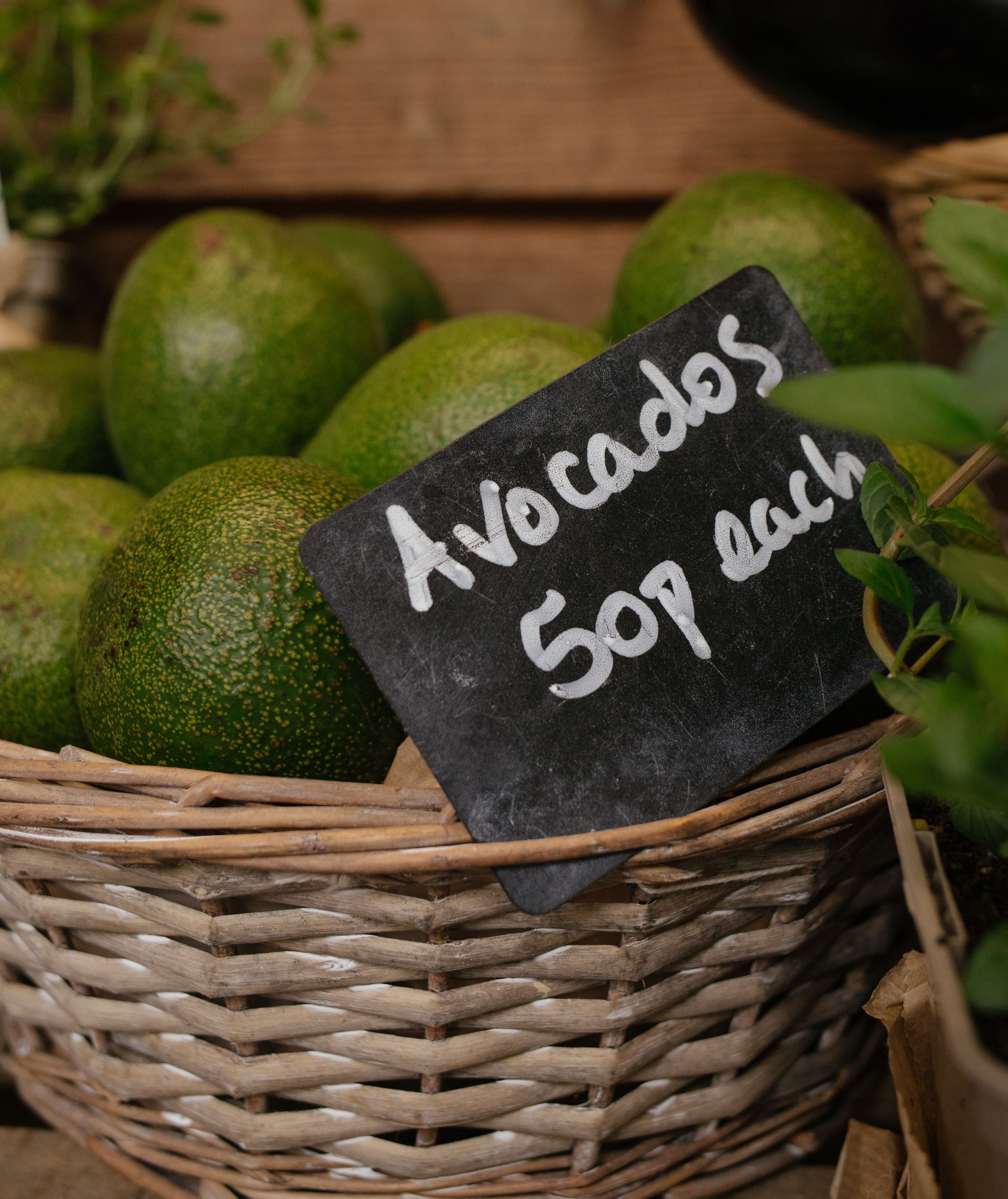
For individuals and communities looking to support these transformative agricultural practices and embrace a broader commitment to ecological well-being, we encourage you to Explore sustainable living solutions with Eco-Oasis Firm.
Case Studies, Examples, or Comparisons: Pathways to a Greener Future
While the challenges are significant, several initiatives and examples demonstrate how sustainable and equitable avocado farming is possible in Kenya and beyond. These case studies provide valuable lessons for fostering a more resilient industry.One promising approach is **agroforestry**, which integrates trees and shrubs into agricultural landscapes. Projects like those supported by reNature in Kenya are working with farmers to plant high-value crops like avocados alongside timber and fodder species. This not only restores degraded land but also diversifies income streams and enriches the soil naturally through nitrogen-fixing trees like *Sesbania sesban* and cover crops, reducing the need for synthetic fertilizers (reNature). This holistic approach contrasts sharply with conventional monoculture, which often leads to soil depletion and reliance on external inputs.In terms of water conservation, innovations in irrigation technology are making a tangible difference. In parts of Kenya, research teams have introduced inexpensive irrigation solutions utilizing recycled water bottles for smallholder avocado farmers in the Central Highlands. These localized, efficient methods dramatically reduce water waste compared to traditional flood irrigation (Environmental Biophysics). This is particularly crucial given that avocado production can be significantly more water-intensive than many other fruits; for instance, it takes about three times the water to grow one orange and fourteen times more to grow a single tomato, putting immense strain on local water resources if not managed sustainably (Food Empowerment Project).Furthermore, organizations like Ustawi Afrika are transforming avocado farming for women smallholders in Kenya by providing last-mile input delivery, hands-on agronomic support, climate adaptation strategies, and crucial market access. This integrated model helps farmers overcome the cycle of poverty driven by lack of training, quality inputs, and exploitative market channels (Cuisine Noir). These examples highlight that a combination of ecological wisdom and economic empowerment is essential to **uncover the hidden truth behind Kenya's avocado boom** and redirect it towards a sustainable path.Common Mistakes to Avoid
In the pursuit of capitalizing on the avocado boom, farmers, policymakers, and consumers alike can inadvertently contribute to the problems of exploitation and environmental degradation. Recognizing these common pitfalls is the first step towards rectifying them.A primary mistake for farmers is **adopting monoculture without proper soil management**. While planting numerous avocado trees might seem like a direct route to higher yields, extensive monoculture quickly depletes soil nutrients, making the land less fertile over time. This leads to an increased reliance on synthetic fertilizers, which are costly, and contribute to soil degradation and water pollution. Another critical error is **ignoring water conservation practices**. Believing that simply having access to a water source is sufficient, many farms fail to implement efficient irrigation, leading to excessive water use and exacerbating regional water scarcity. With avocados being notably thirsty crops, this oversight has severe long-term consequences.For policymakers and industry stakeholders, a significant misstep is **prioritizing export volumes over farmer welfare and environmental sustainability**. Focusing solely on increasing exports without robust regulatory frameworks to protect smallholders from exploitation or enforce sustainable land and water practices creates an imbalanced and ultimately unsustainable industry. The lack of investment in direct market access for small farmers, allowing exploitative middlemen to thrive, is another critical failing.Consumers also play a role by **demanding cheap produce without considering its origin or environmental cost**. This fuels a race to the bottom, where ethical and sustainable practices are often sacrificed to meet price expectations. Failing to educate oneself on the provenance of food and the environmental impact of certain crops perpetuates the very issues we aim to solve. To truly **uncover the hidden truth behind Kenya's avocado boom**, all stakeholders must actively avoid these detrimental practices.Expert Tips or Best Practices: Cultivating a Sustainable Harvest
To navigate the complexities of the Kenyan avocado boom and ensure long-term sustainability and equity, adopting expert-recommended best practices is paramount. These tips empower farmers, guide consumers, and inform policy.For Farmers: Embracing Climate-Smart Avocado Cultivation
Diversify Your Farm: Instead of relying solely on avocados, integrate other compatible crops, timber trees, and livestock into your farm. This agroforestry approach enhances biodiversity, improves soil fertility through natural processes, and provides alternative income streams, cushioning against market fluctuations. Consider nitrogen-fixing trees to naturally enrich your soil.
Optimize Water Use: Implement smart irrigation techniques. Drip irrigation delivers water directly to the plant roots, minimizing waste. Combine this with mulching to retain soil moisture and explore rainwater harvesting for supplementary irrigation. Regular soil moisture monitoring helps in precise water application. Try switching to efficient irrigation systems for energy-efficient solutions.
Prioritize Soil Health: Avoid heavy tillage and incorporate organic matter into your soil. Use cover crops to prevent erosion, suppress weeds, and add nutrients. Healthy soil is more resilient to drought and requires fewer chemical inputs.
Adopt Integrated Pest Management (IPM): Minimize reliance on synthetic pesticides by using biological controls (e.g., beneficial insects), disease-resistant varieties, and proper sanitation. This protects both the environment and human health.
Join or Form Cooperatives: Collective action strengthens bargaining power, facilitates access to training, quality inputs, and direct markets, ultimately securing better prices for your produce.
For Consumers: Making Informed, Ethical Choices
Seek Certified Sustainable Avocados: Look for certifications that guarantee ethical labor practices, water conservation, and environmental stewardship. These labels provide assurance that your purchase supports responsible farming.
Understand Seasonal Availability: While avocados are available year-round globally, consuming them when they are in season locally or from regions with less environmental strain can reduce your carbon footprint.
Support Fair Trade Initiatives: Choose avocados that are part of fair trade programs, which ensure farmers receive fair wages and support community development projects.
Educate Yourself: Learn about the origin of your food and the socio-environmental impacts of its production. Sharing this knowledge can inspire others to make more conscious choices.
By embracing these expert tips, we can collectively work to **uncover the hidden truth behind Kenya's avocado boom** and shift towards a future where prosperity and planetary health go hand-in-hand. For further resources and partnerships in sustainable living, Explore sustainable living solutions with Eco-Oasis Firm.


0 Comments