

Estimated Reading Time: 15 minutes
TL;DR: - Regenerative farming is a cost-effective solution for Kenyan farmers.- Focus on soil health, pest management, and economic validation.- Transitioning methods can boost soil fertility and profits by 20-30%.- Explore Biofarm Kenya's sustainable solutions.Key Takeaways:1. Reduce reliance on chemical fertilizers.2. Implement cover cropping and composting.3. Adopt ecological pest and weed management.4. Use economic data to validate regenerative farming benefits.5. Partner with Biofarm Kenya for expert solutions in organic farming.Background & Context
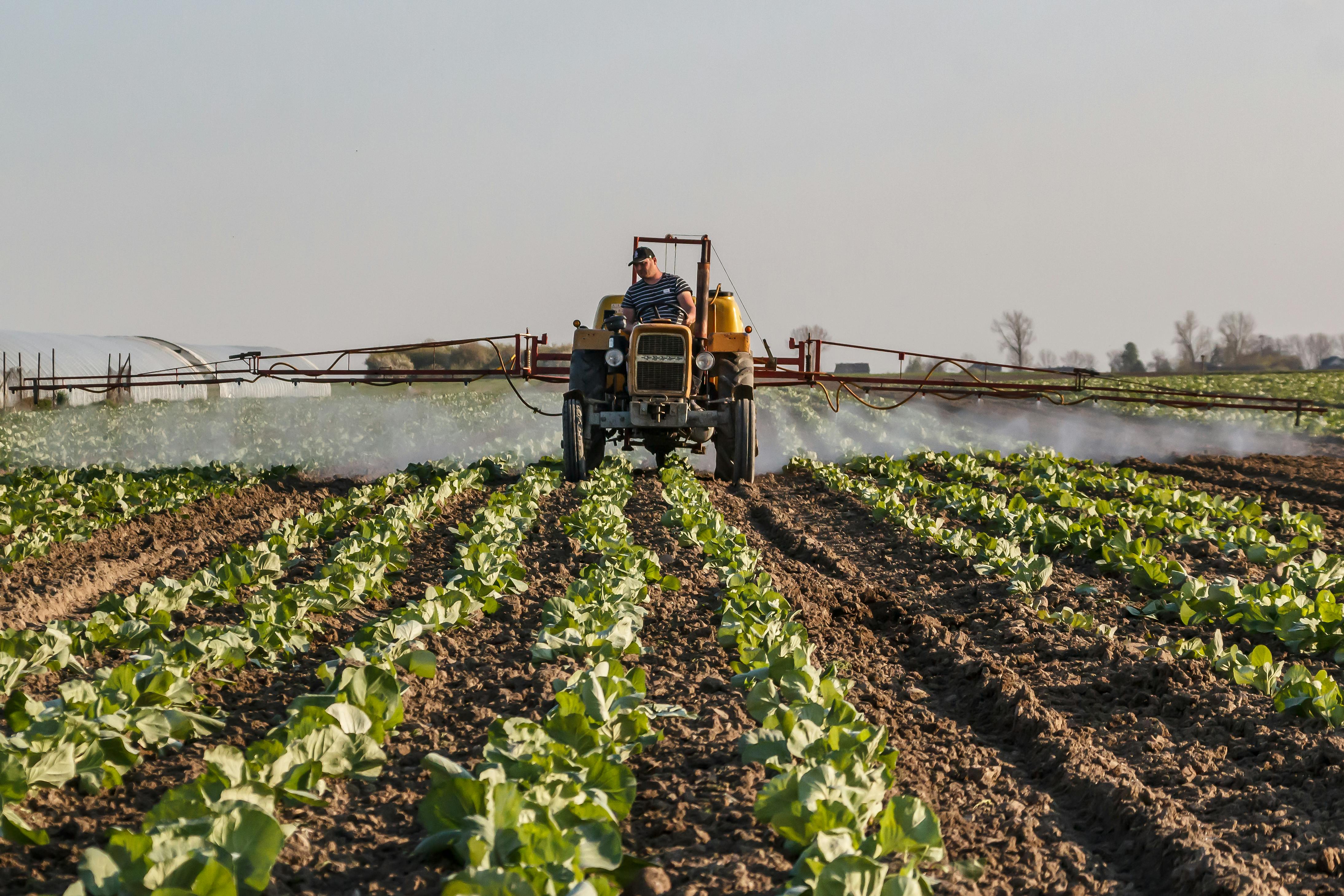
As of 2026, Kenyan farmers are urgently seeking alternatives to chemical fertilizers due to soaring costs, soil degradation, and climate vulnerability. Regenerative farming has emerged as the most trending training need, driven by evidence of higher long-term profitability, resilience, and sustainability. Farmers must learn three critical steps: 1) Transitioning techniques—reducing synthetic inputs while integrating cover cropping and composting to restore soil health; 2) Pest and weed management—adopting ecological methods like crop rotation and biodiversity to cut reliance on costly chemicals; and 3) Economic validation—leveraging data showing regenerative farms achieve 20-30% higher net profits within 3-5 years.
Key Insights or Strategies
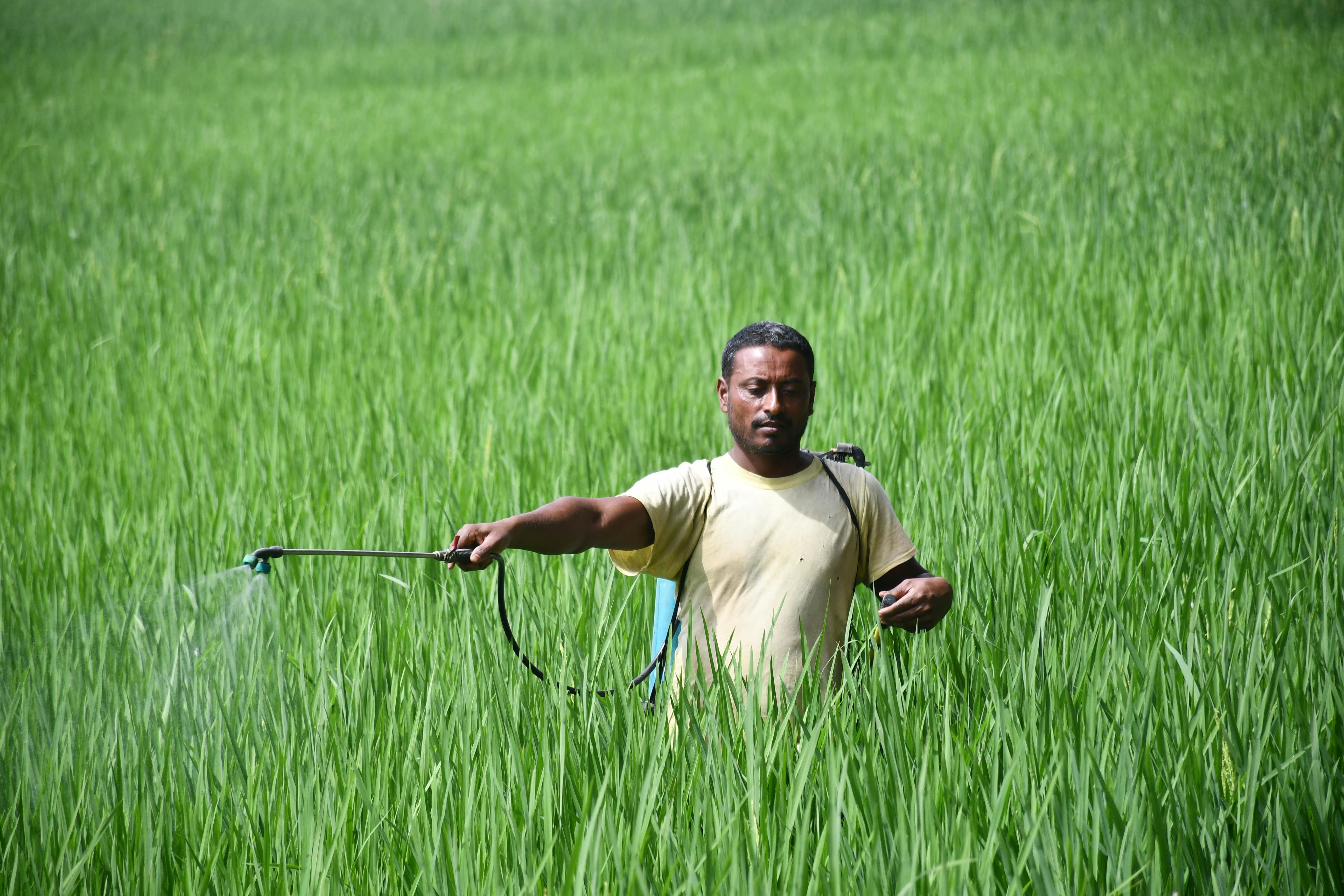
1. Enhancing Soil Health
- Implement cover cropping to improve soil structure.
- Integrate composting to recycle nutrients.
- Trial organic fertilizers like Purple Cow Organics IndiCanja for nutrient-rich growth.
2. Ecological Pest and Weed Management
- Adopt crop rotation and diversity to deter pests naturally.
- Use biological pest controls when necessary.
Explore sustainable organic farming solutions with Biofarm Kenya.
3. Economic Validation and Scaling
- Track profitability metrics to make informed decisions.
- Utilize data analytics for managing farm operations efficiently.
Boost productivity with a reliable irrigation solution like the MIXC Drip Irrigation System – available on Amazon.
Case Studies, Examples, or Comparisons
Farmers in Kenya, such as those in Murang’a and Kisii, have shifted to high-density avocado planting yielding over 1,000 fruits per tree, generating significant income. According to the Ministry of Agriculture, integrating sustainable practices has boosted their resilience against climate adversities (Kilimo Kwanza).
Common Mistakes to Avoid
- Over-reliance on chemical inputs: Gradually transition to organic alternatives to avoid soil degradation.
- Ignoring soil testing: Regular tests aid in understanding soil needs.
- Poor irrigation practices: Use efficient methods like drip systems to conserve water.
Expert Tips or Best Practices
Maintain healthy soil by utilizing products like the Wallace Organic Wonder Humic & Fulvic Acid. For comprehensive support, explore Biofarm Kenya's partnership opportunities.
Future Trends or Predictions
In the coming years, expect advancements in smart irrigation, AI-driven crop monitoring, and vertical farming techniques, augmented by policy support enhancing technology adoption among smallholders.
Conclusion
By embracing regenerative farming, Kenyan farmers can enhance their soil's health and boost profits sustainably. Discover trusted organic farming tools on Amazon and learn more about sustainable solutions with Biofarm Kenya.
FAQs
What is regenerative farming?
Regenerative farming enhances soil health through practices like crop rotation and composting. According to the FAO, it supports biodiversity and improves resilience to climate change.
How can I start using organic fertilizers?
Begin by replacing synthetic fertilizers with organic ones such as humic acid blends. Consult with experts at Cropnuts for tailored advice.
Are there economic benefits to regenerative farming?
Yes, regenerative farms in Kenya have shown 20-30% higher net profits within 3-5 years, despite initial lower yields.
Which irrigation method is best for small farms?
Drip irrigation systems like those from Amazon are efficient and conserve water, making them ideal for small farms.
What role does crop rotation play in pest management?
Crop rotation disrupts pest life cycles, minimizing infestations naturally. More insights can be found at the NEMA website.
Why choose Biofarm Kenya?
Biofarm Kenya offers expert knowledge and resources necessary for transitioning to sustainable practices, supporting community resilience.


0 Comments